Keeping your home cool during the summer doesn’t have to mean watching your energy bill climb month after month. A few simple changes to the way you cool your home, maintain your HVAC system, and manage indoor heat can add up to meaningful savings without sacrificing comfort.
Whether you’re looking for quick fixes or long-term improvements, these expert-backed strategies can help lower your cooling costs all season long.
10. Install a Smart or Programmable Thermostat
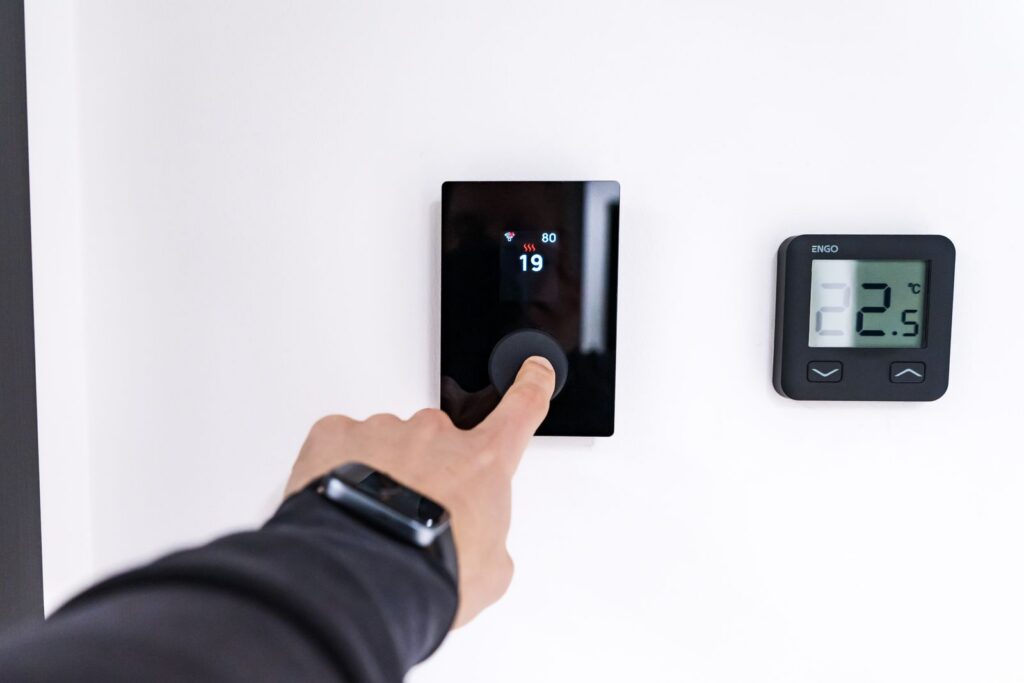
A smart or programmable thermostat helps prevent your air conditioner from running when it doesn’t need to.
You can automatically raise the temperature while you’re away from home and have it cool down before you return. Even small schedule adjustments can reduce energy use over the course of the summer.
9. Seal Air Leaks Around Your Home
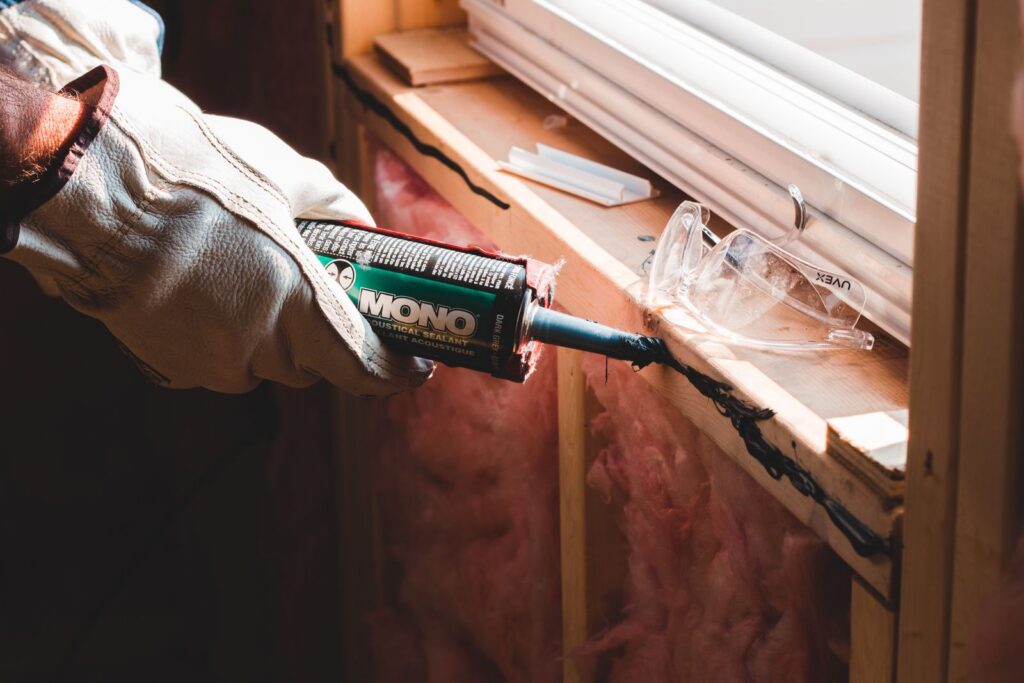
Cool air can escape through gaps around windows, doors, attic access points, and utility openings.
Adding weatherstripping, caulk, or door sweeps can help keep conditioned air inside, reducing the amount of work your air conditioner has to do.
8. Use Ceiling Fans the Right Way
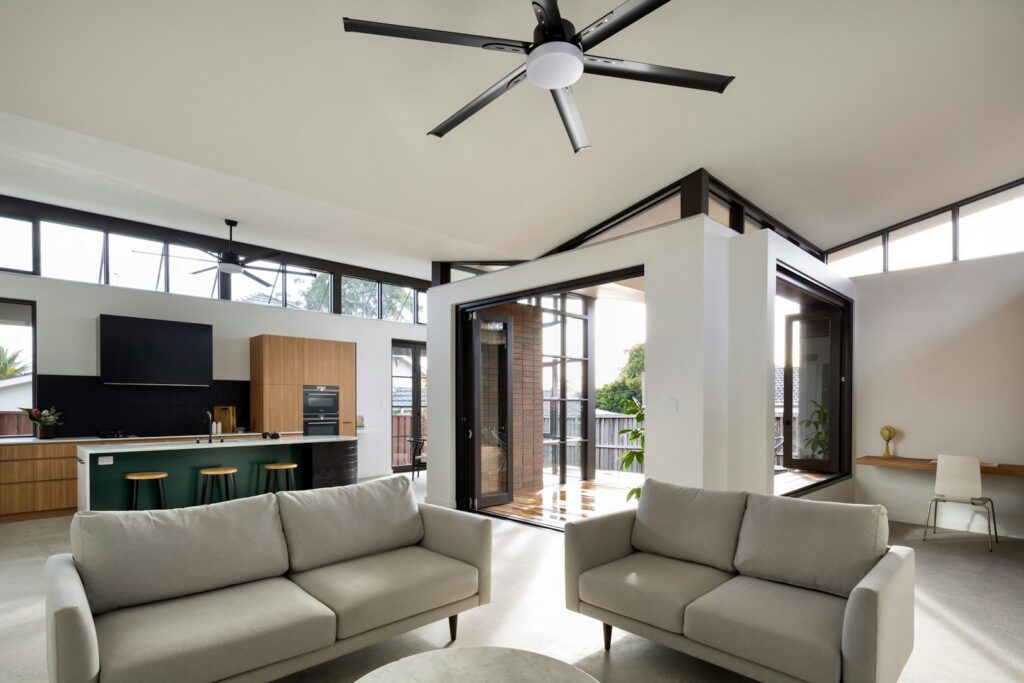
Ceiling fans don’t actually cool a room—they cool the people in it by creating a breeze.
Running fans allows many people to raise the thermostat a few degrees while remaining comfortable. Just remember to turn fans off when no one is in the room to avoid wasting electricity.
7. Block the Sun During the Hottest Part of the Day
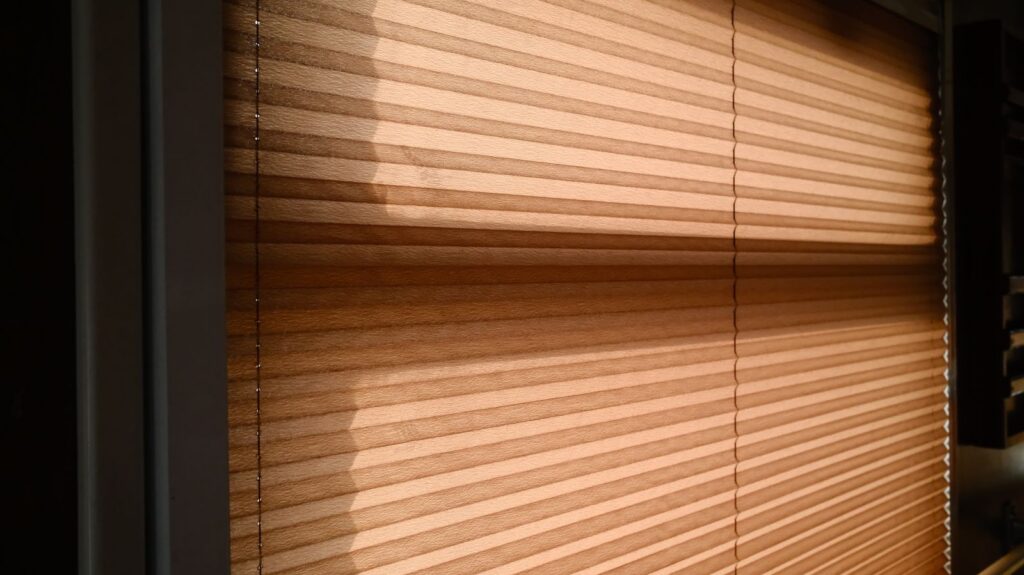
Direct sunlight can quickly warm up a home, especially through south- and west-facing windows.
Closing blinds, shades, or curtains during the afternoon can reduce heat gain and lessen the demand on your air conditioner. Blackout curtains or cellular shades can be especially effective.
6. Replace Your HVAC Filter and Keep the Outdoor Unit Clear
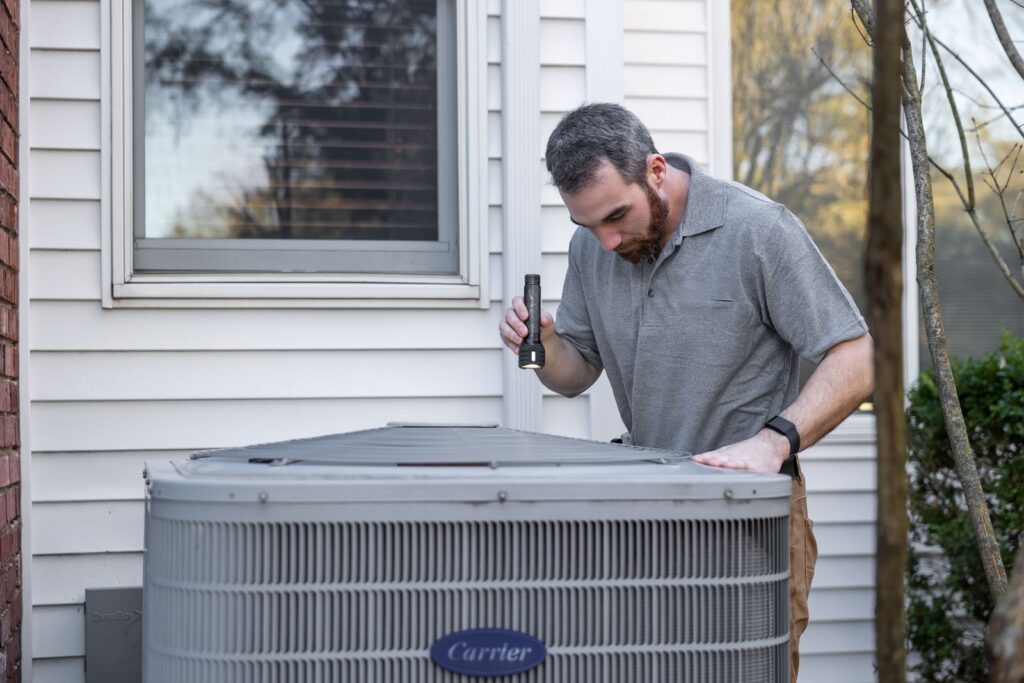
A dirty air filter can restrict airflow and may make your air conditioner work harder than necessary.
Check your filter regularly during cooling season and replace it according to the manufacturer’s recommendations. It’s also a good idea to keep leaves, grass clippings, and other debris away from the outdoor condenser unit.
5. Keep Heat-Producing Cooking to a Minimum

Using the oven for long periods can noticeably warm your home.
When possible, cook outdoors on the grill or use appliances like a microwave, slow cooker, pressure cooker, or air fryer, which typically generate less indoor heat.
4. Upgrade Your Attic Insulation
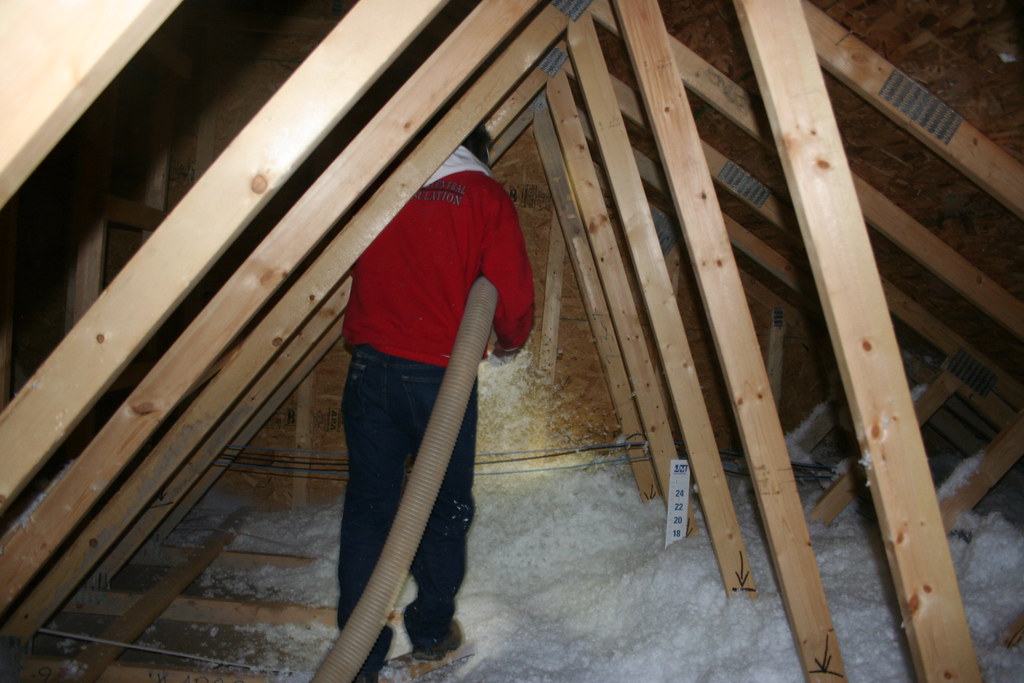
A well-insulated attic helps slow the transfer of heat into your living space.
If your insulation is outdated or insufficient, adding more can improve comfort year-round while reducing both cooling and heating costs.
3. Plant Trees for Natural Shade
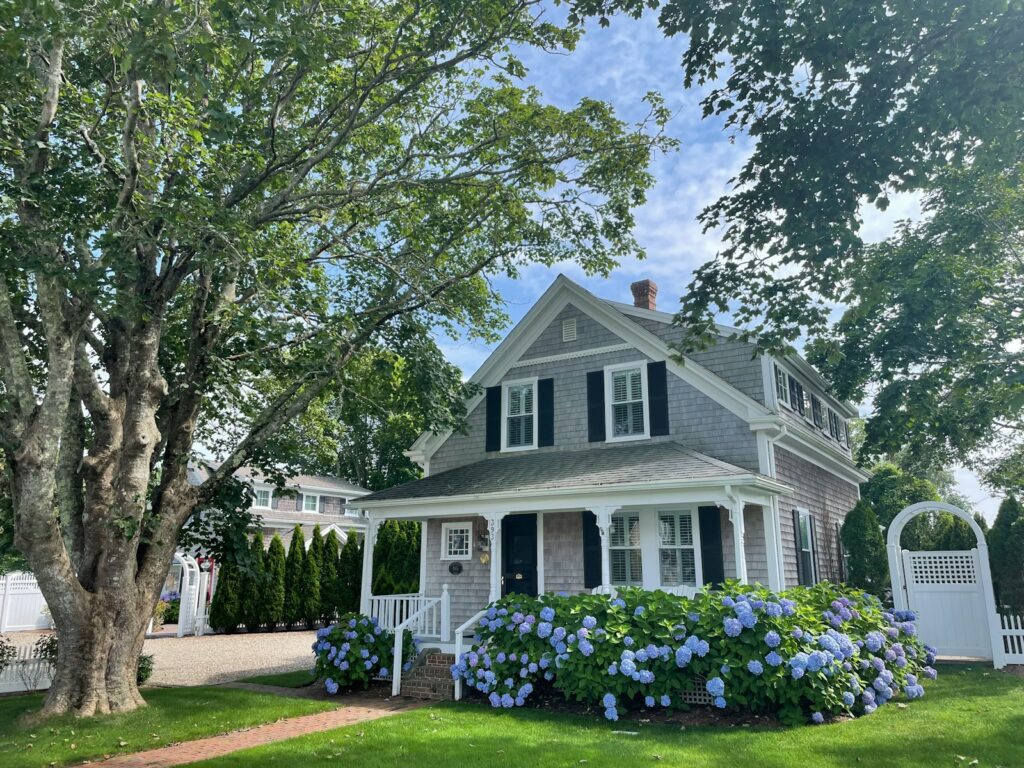
Shade trees can help lower temperatures around your home by blocking direct sunlight.
Although the benefits take time to develop, strategically planted trees can reduce cooling needs while adding beauty and value to your property.
2. Seal and Insulate Air Ducts
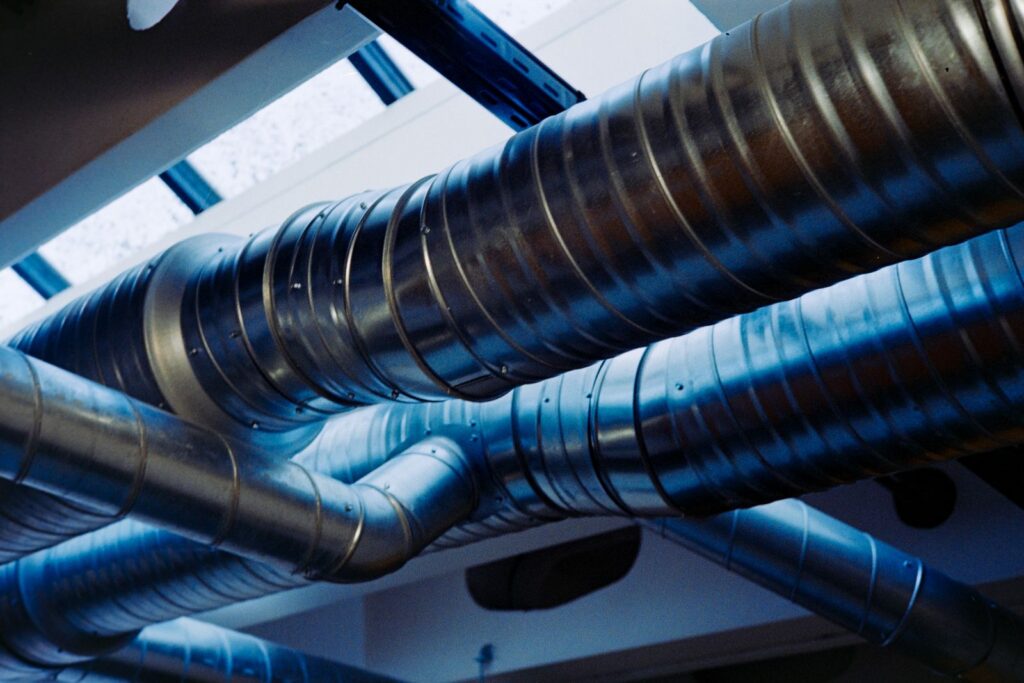
If your home has forced-air heating and cooling, leaky ductwork can allow conditioned air to escape before it reaches your rooms.
Sealing and insulating ducts, particularly those in attics, garages, or crawl spaces, can improve efficiency and help your HVAC system deliver cooled air more effectively.
1. Raise the Thermostat a Few Degrees
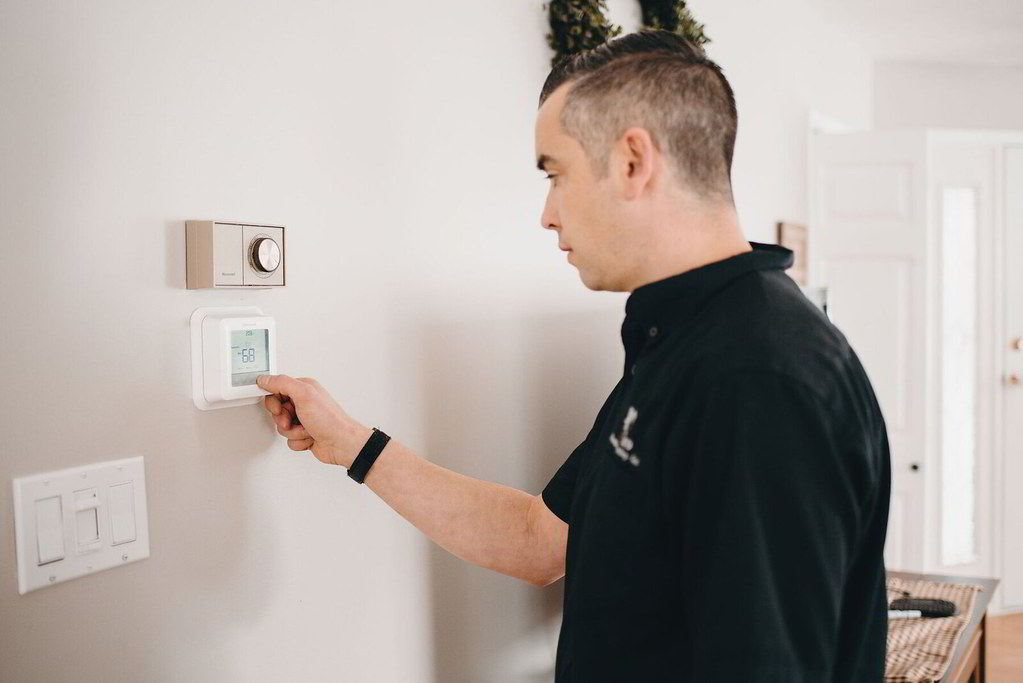
One of the simplest ways to lower your cooling bill is to avoid setting the thermostat colder than necessary.
Increasing the temperature by a few degrees when you’re home, and more when you’re away, can reduce energy use while keeping your home comfortable. Pairing this strategy with ceiling fans often makes the adjustment barely noticeable.
Read More:
- 10 Sobering Implications of Europe’s Heatwave
- The 10 Biggest HVAC Mistakes Homeowners Make Every Summer
- 10 Things to Expect as a Home Renter This Summer