Music bans usually say as much about the people doing the banning as they do about the song itself. A lyric sounds too suggestive, a title seems too bold, or a radio station decides a pop hit is somehow a civic threat.
Sometimes the backlash comes from politics or religion. Sometimes it comes from pure overreaction. Here are 15 songs that drew bans or censorship for reasons that feel misguided in hindsight.
15. Numerous Songs by Rage Against the Machine
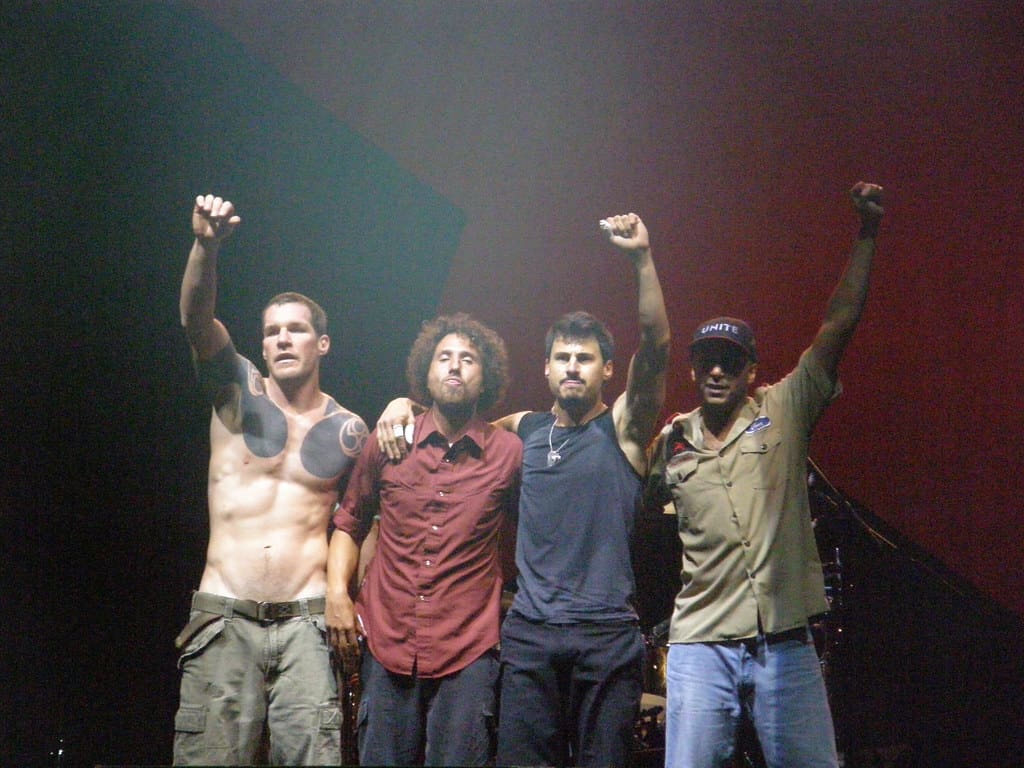
Rage Against the Machine was built to provoke a reaction, so censorship was almost part of the job description. Their 1996 Saturday Night Live appearance was cut short after the band displayed upside-down American flags on their amps, and the fallout became part of their legend.
14. “The Real Slim Shady” by Eminem

In 2001, a Colorado station was fined $7,000 by the FCC for airing even the edited version of “The Real Slim Shady.” The case became one of the clearest examples of regulators deciding innuendo was a national emergency.
13. “Like a Prayer” by Madonna
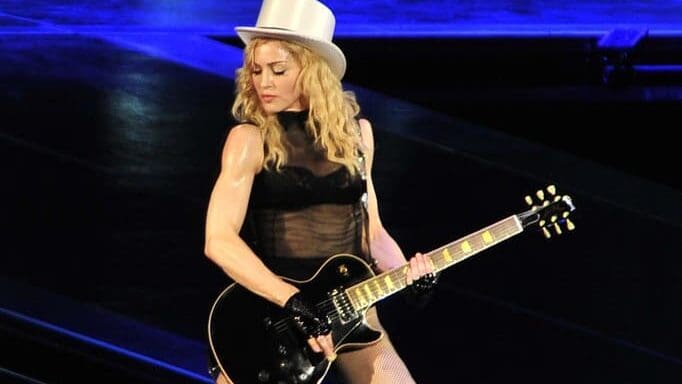
“Like a Prayer” triggered backlash in 1989 because of its religious imagery, its video, and its connection to a Pepsi campaign. The Vatican condemned the video, protests followed, and Pepsi canceled the ad campaign.
12. “Strange Fruit” by Billie Holiday
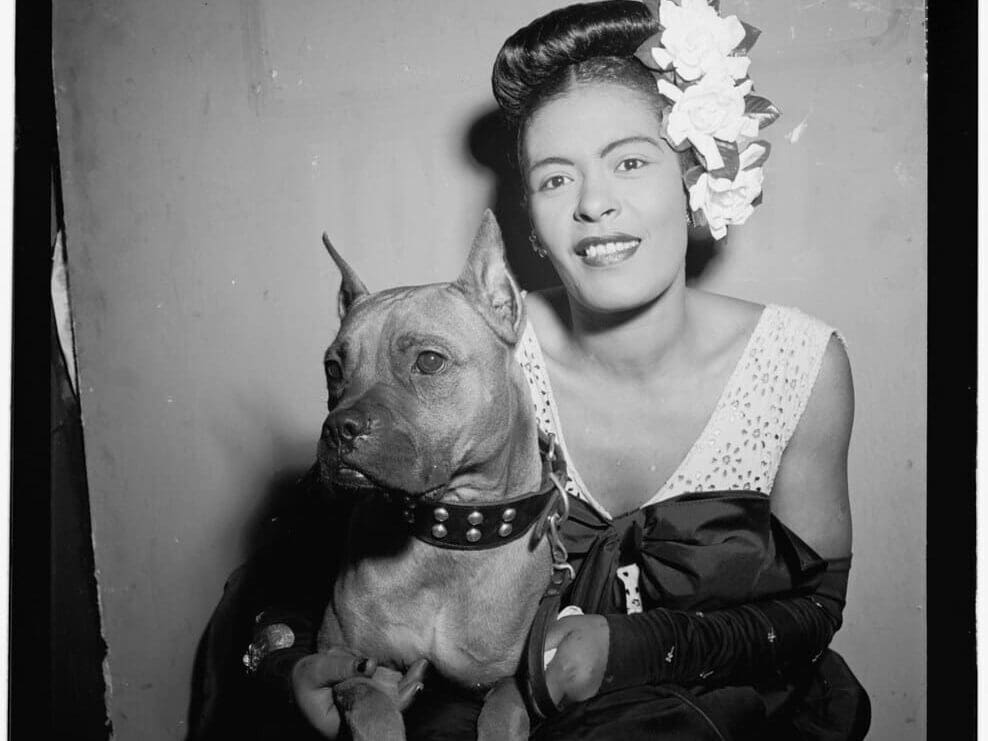
“Strange Fruit” was targeted because it confronted racial violence directly and refused to soften what lynching meant. Radio bans and suppression efforts say far more about the era’s willingness to avoid the truth than about any problem with the song itself.
11. “God Only Knows” by the Beach Boys
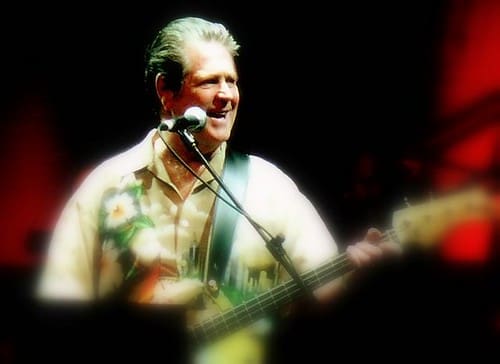
The problem here was not the lyrics so much as the title. In 1966, even using the word “God” in a pop song was enough to make some radio programmers hesitate. Now, it seems like a remarkably fragile response to one of the prettiest songs ever recorded.
10. “Imagine” by John Lennon and the Plastic Ono Band
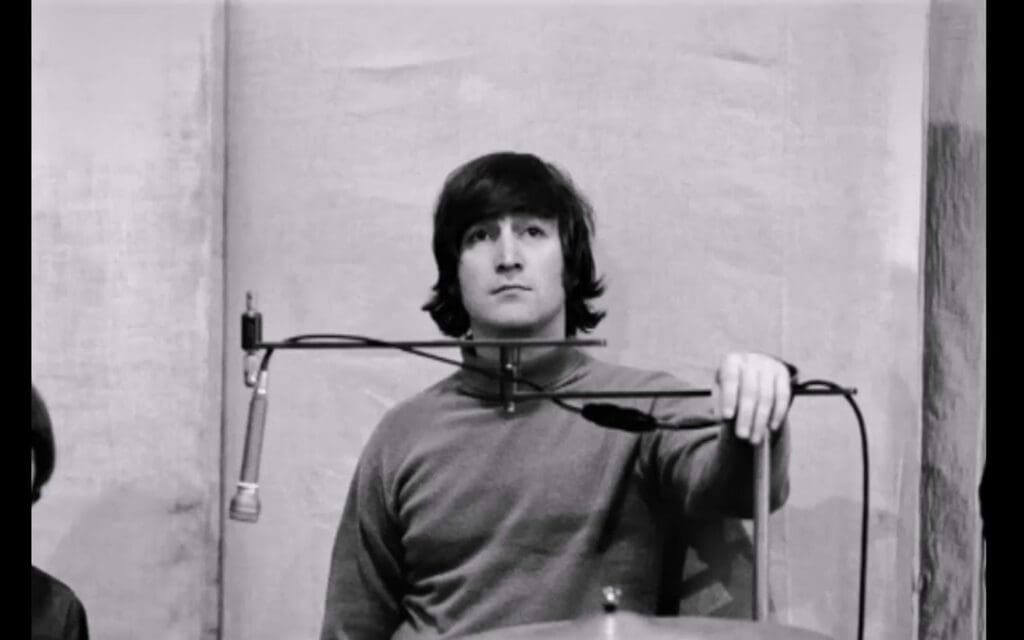
“Imagine” drew criticism because its vision of a world without countries, religion, or heaven struck some listeners as offensive rather than idealistic. Lennon was trying to imagine peace, but plenty of people heard provocation instead.
9. “Splish Splash” by Bobby Darin
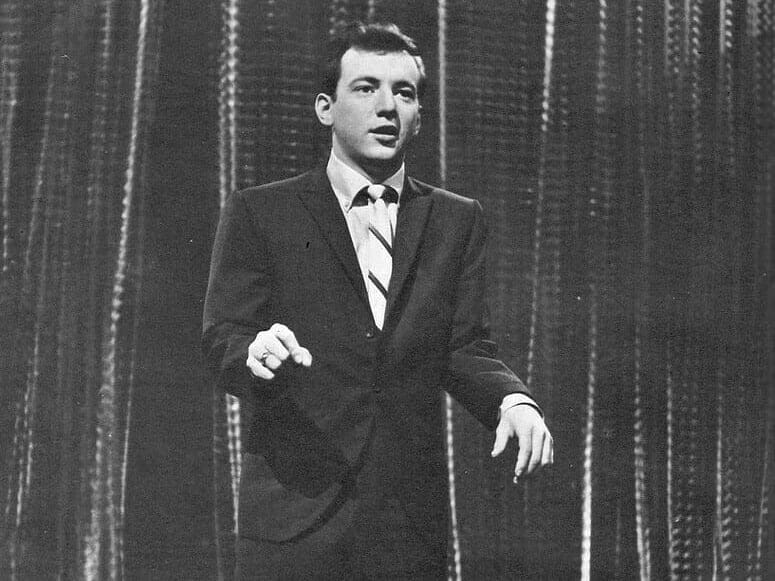
It takes real effort to turn a light pop song about bathing into a threat to public morals. Yet in 1958, even the idea of a party guest in a towel was enough to unsettle some gatekeepers.
8. “Light My Fire” by the Doors
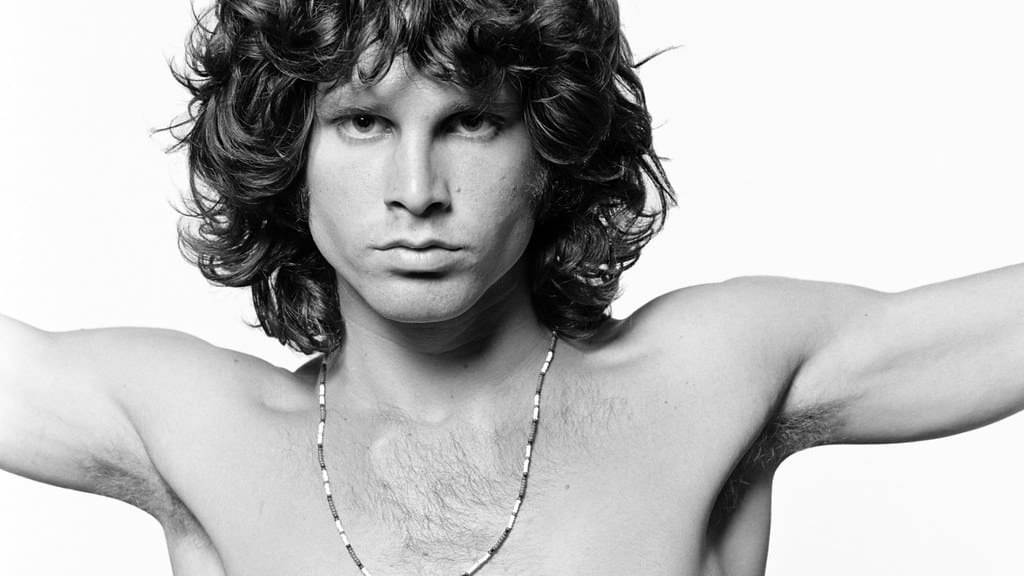
The Doors were effectively banned from returning to The Ed Sullivan Show after Jim Morrison sang “higher” instead of changing the line to “better” as requested. Morrison ignored the edit, CBS got angry, and the song became an even better example of why he hated censorship.
7. “Royals” by Lorde

“Royals” was briefly pulled by San Francisco stations during the 2014 World Series because the city’s team was facing the Kansas City Royals. It was less moral panic than sports superstition, but it was still a ban, and still very silly.
6. “Wake Up Little Susie” by the Everly Brothers
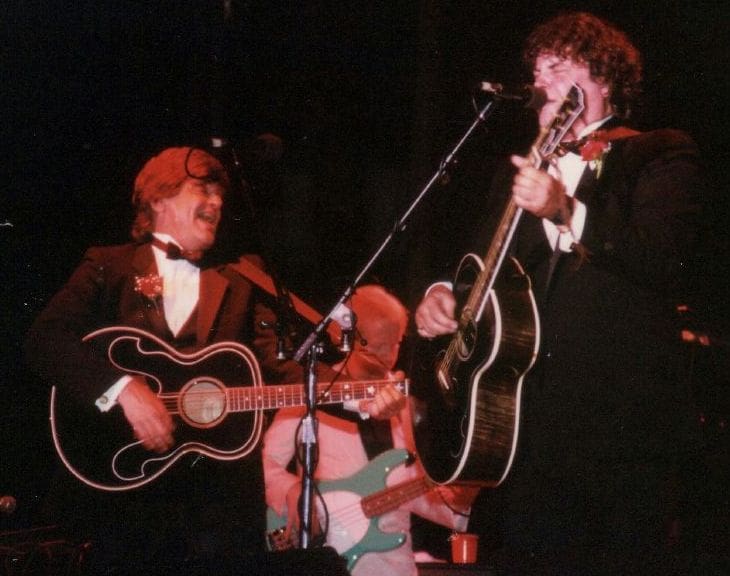
This 1957 hit was banned by some stations because it hinted that a teenage couple had stayed out all night. The song is almost comically tame now, which makes the outrage feel even more dated.
5. “Lola” by the Kinks
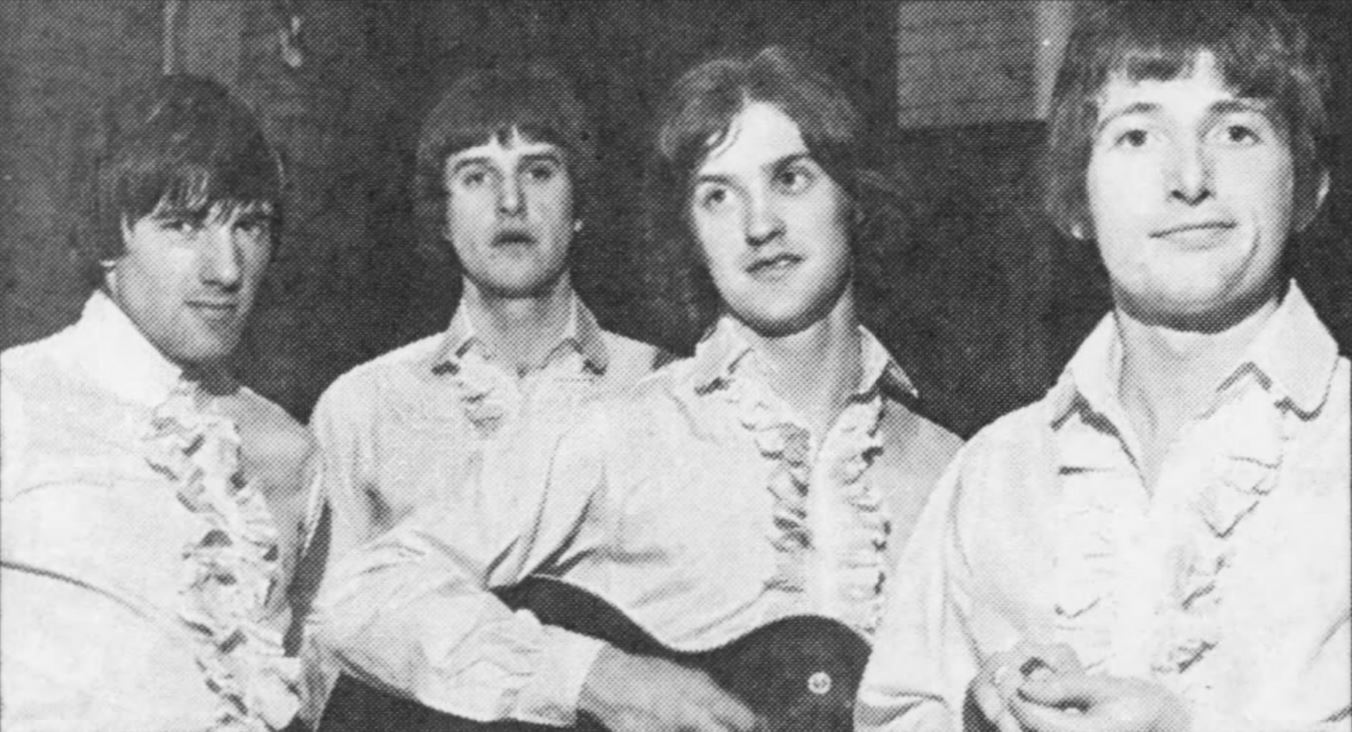
“Lola” did not get BBC pushback for its most suggestive lyrics. Instead, the issue was the mention of “Coca-Cola,” because the BBC had rules against brand names in songs, so Ray Davies changed it to “cherry cola.”
4. “I Saw Mommy Kissing Santa Claus” by Jimmy Boyd

Some radio stations and church leaders objected to this Christmas song because they saw it as mixing a sacred holiday with romance. The fact that the song is really about a child misunderstanding his own parents only makes the reaction look more excessive.
3. “Baby, It’s Cold Outside” by Frank Loesser
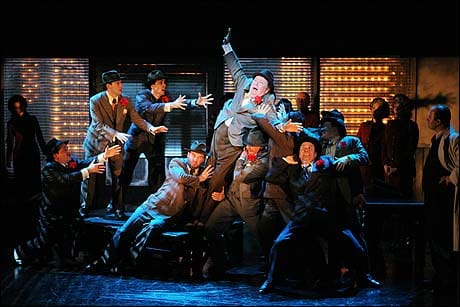
This one is more complicated because the backlash came much later. The song was widely accepted for decades, then some stations pulled it during the #MeToo era as listeners reconsidered its lyrics and power dynamics.
2. “Louie Louie” by the Kingsmen
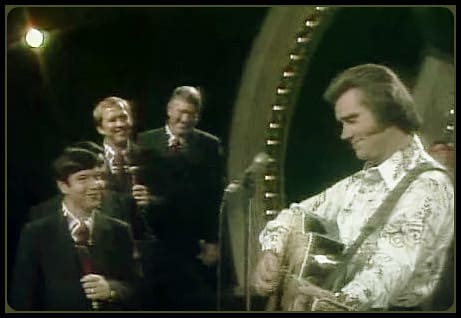
Few censorship stories are funnier than this one. The FBI investigated “Louie Louie” after complaints that the lyrics were obscene, then spent years trying to decode a song most people could barely understand in the first place.
1. “(I Can’t Get No) Satisfaction” by the Rolling Stones
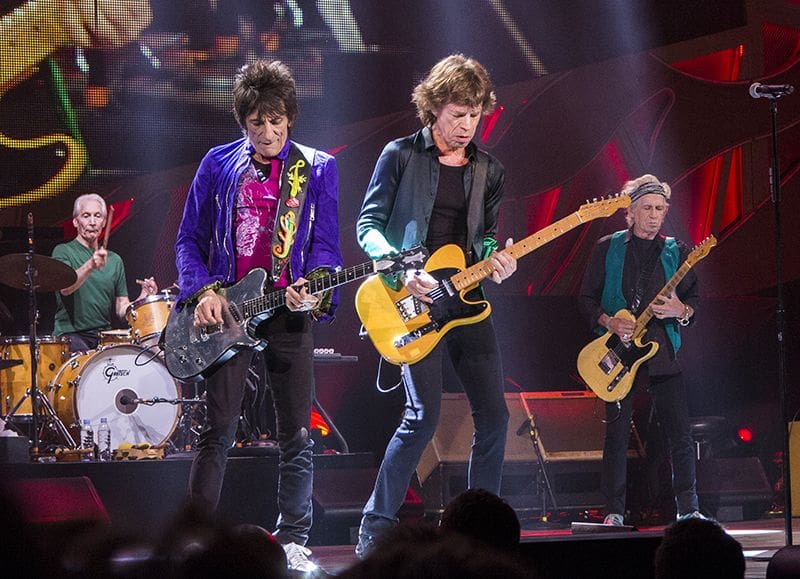
“(I Can’t Get No) Satisfaction” was banned by some stations in 1965 because of its sexual frustration and the general sense that Mick Jagger was enjoying himself too much.
In the end, the bans only helped confirm what the song already suggested—rock music was not going to behave itself just because someone in management asked nicely.
A lot of banned songs look much less dangerous once the panic fades and the context catches up. In most cases, the music did not age badly. The outrage did.
Read More:
- 30 Throwback Moments Only ’80s Kids Will Understand
- 15 Band Breakups That Ended in Public Drama
- These 20 Rock Bands Helped Make the ’80s So Loud