
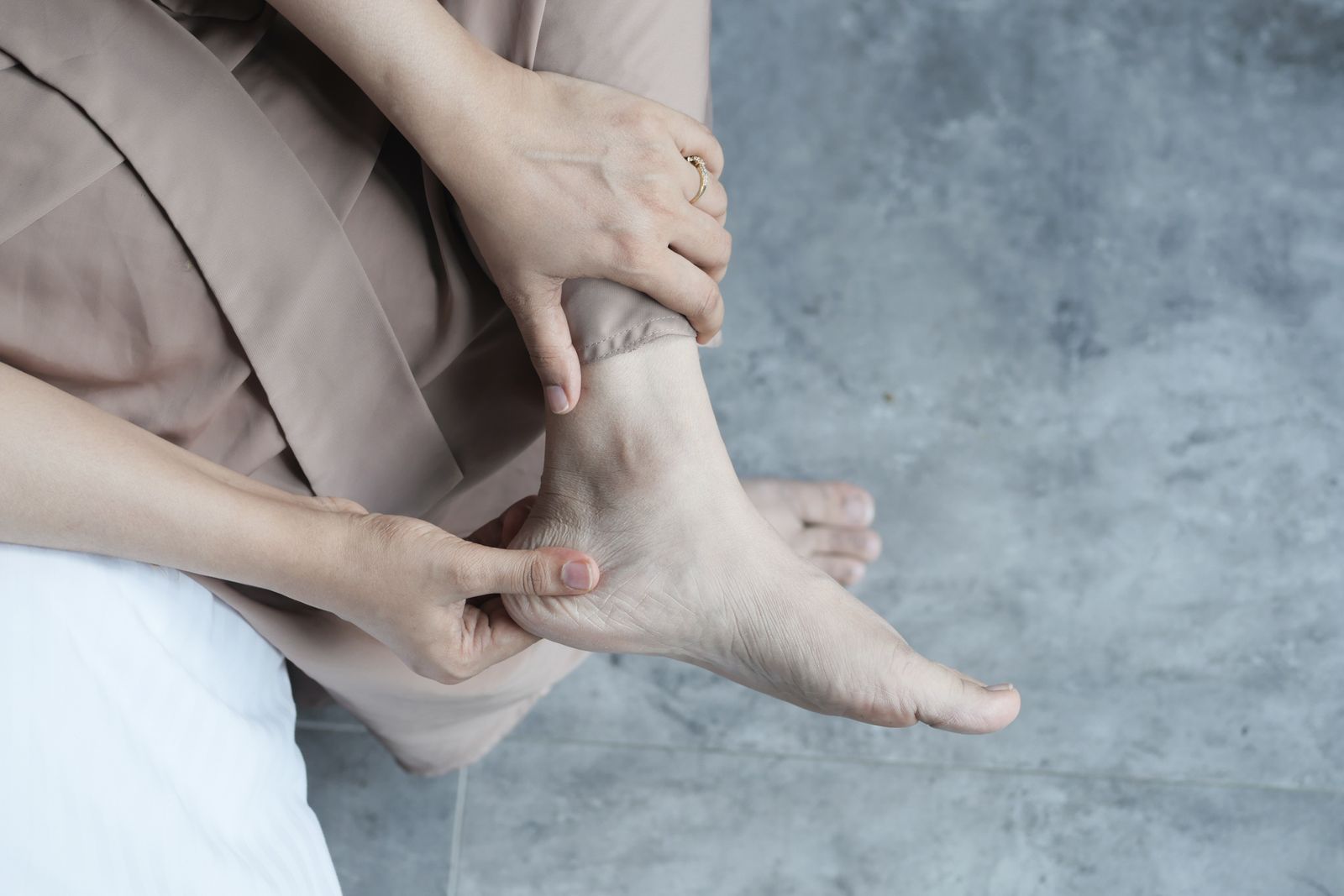
Your lymphatic system rarely gets the attention given to your heart, lungs, or digestive tract, yet it plays a critical role in keeping you healthy. This vast network of vessels, lymph nodes, and organs helps regulate fluid balance, supports immune function, and removes cellular waste from the body. Unlike your circulatory system, which relies on the heart to keep blood moving, your lymphatic system depends largely on movement, breathing, and muscle contractions to keep lymph fluid flowing.
When lymph flow slows down, you may notice symptoms like swelling, puffiness, fatigue, or a general feeling of sluggishness. While these symptoms can have many causes, supporting healthy lymphatic function through daily habits may help your body perform at its best.
10. Stay Consistently Hydrated

Lymph fluid is primarily made of water. When you’re dehydrated, lymph can become thicker and more difficult to move efficiently through the body.
Aim to drink water consistently throughout the day rather than waiting until you’re thirsty. Adding lemon, cucumber, or fresh herbs can make hydration more enjoyable while encouraging better habits.
9. Take Daily Walks

One of the simplest ways to support lymphatic flow is to move your body.
Walking activates muscles throughout your legs and core, helping move lymph fluid through the lymphatic vessels. Even a 20-minute walk can provide meaningful benefits for circulation, mobility, and overall well-being.
8. Practice Deep Breathing

Deep diaphragmatic breathing acts like a natural pump for your lymphatic system.
When you breathe deeply into your belly, pressure changes inside your chest and abdomen help encourage lymph movement. A few minutes of slow, intentional breathing each day may support both lymphatic function and nervous system regulation.
7. Stretch Throughout the Day

You don’t need an hour-long yoga session to benefit your lymphatic system.
Simple stretches help mobilize joints, activate muscles, and encourage healthy circulation. If you spend long hours sitting, taking brief movement breaks can be particularly helpful.
6. Consider Gentle Rebounding

Rebounding refers to light bouncing on a mini trampoline.
While research remains limited, many lymphatic therapists recommend gentle rebounding because the changes in gravity may help stimulate circulation and lymph movement. Even a few minutes of light bouncing can be an enjoyable way to add movement to your day.
5. Eat Plenty of Fruits and Vegetables

A nutrient-rich diet supports every system in your body, including your lymphatic system.
Fruits and vegetables provide antioxidants, vitamins, minerals, and water that help support immune function and overall health. Colorful produce like berries, leafy greens, citrus fruits, and bell peppers are especially rich in beneficial compounds.
4. Try Dry Brushing If You Enjoy It

Dry brushing involves using a natural-bristle brush on dry skin before showering.
While scientific evidence supporting lymphatic benefits remains limited, many people enjoy dry brushing as part of their wellness routine. It may promote gentle exfoliation and increase awareness of self-care practices.
If you try it, use gentle strokes directed toward the center of the body and avoid irritated or sensitive skin.
3. Manage Chronic Stress

Stress affects nearly every aspect of health, including immune function and recovery.
While stress doesn’t directly block lymphatic vessels, chronic stress can contribute to inflammation, poor sleep, reduced physical activity, and other factors that may indirectly affect overall health.
Practices like meditation, journaling, spending time outdoors, or simply taking regular breaks can help support both emotional well-being and physical recovery.
2. Explore Lymphatic Massage
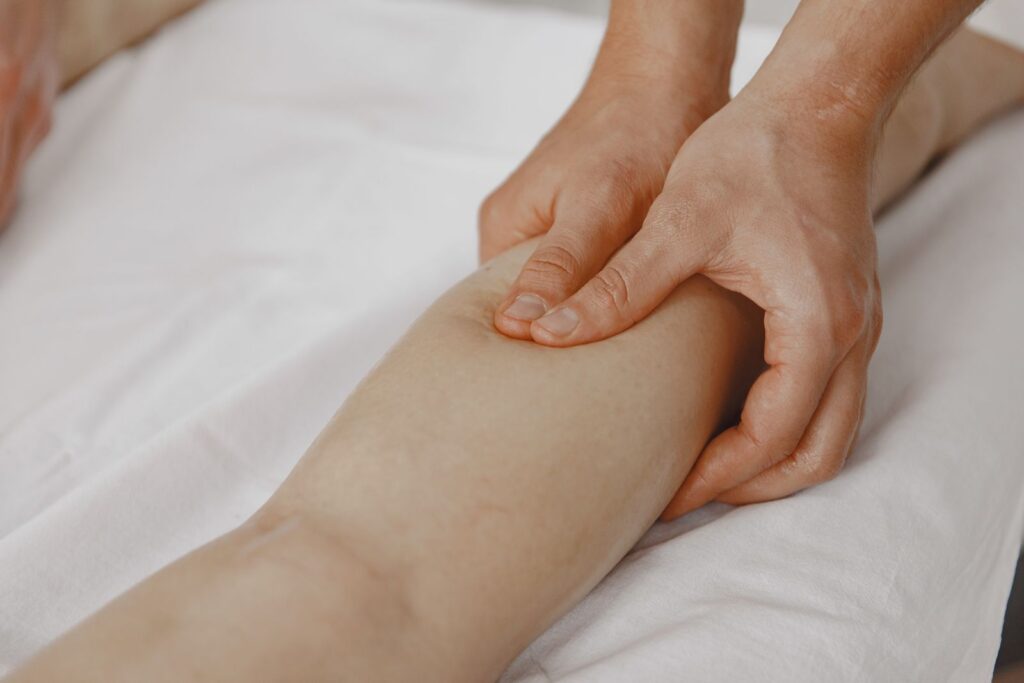
Manual lymphatic drainage is a specialized form of massage performed by trained professionals.
It is commonly used in medical settings to help manage lymphedema and swelling following surgery or injury. Some people also seek lymphatic massage to support circulation and reduce puffiness.
If you’re interested, seek a licensed practitioner trained in lymphatic techniques.
1. Pay Attention to Persistent Swelling
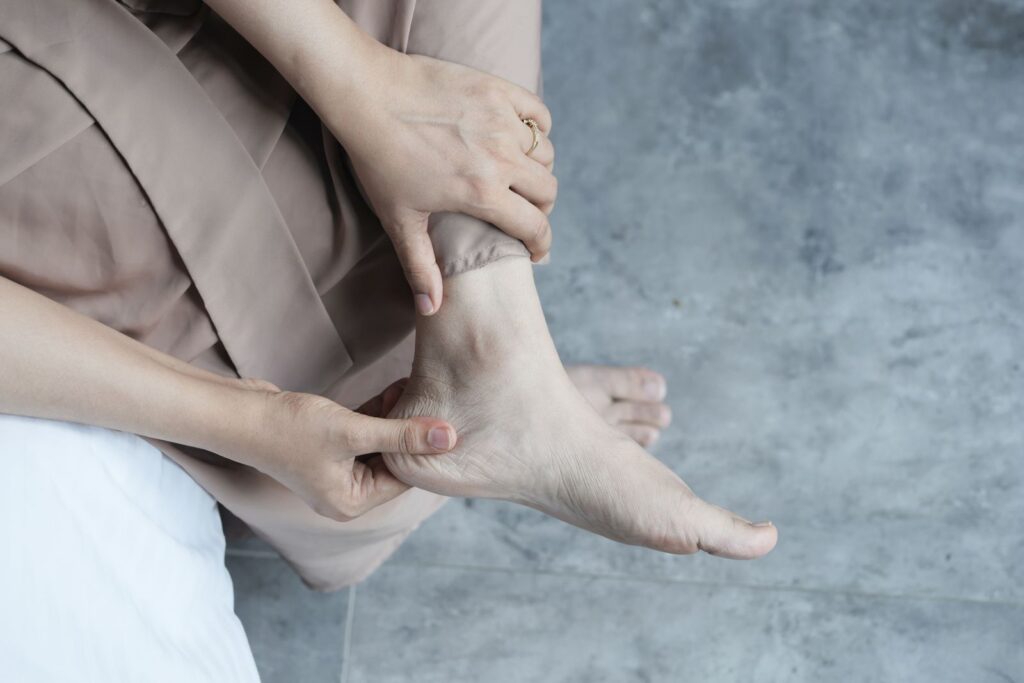
One of the most important things you can do for your lymphatic health is recognize when symptoms deserve medical attention.
Persistent swelling, recurring infections, unexplained fatigue, or tenderness in lymph node areas should be evaluated by a healthcare professional. These symptoms may indicate lymphatic issues or other underlying medical conditions that require treatment.
Supporting your lymphatic system doesn’t require expensive treatments or complicated routines. Consistent movement, hydration, stress management, and healthy lifestyle habits can go a long way toward supporting this essential network. While the lymphatic system often works quietly in the background, giving it a little extra attention may help support your energy, immune function, and overall health for years to come.
Read More:
- 15 Health Myths Medical Experts Wish Would Finally Go Away
- 15 Foods That Seem Healthy but Often Aren’t
- These 15 “Healthy” Foods Are Way More Popular Than They Are Tasty