
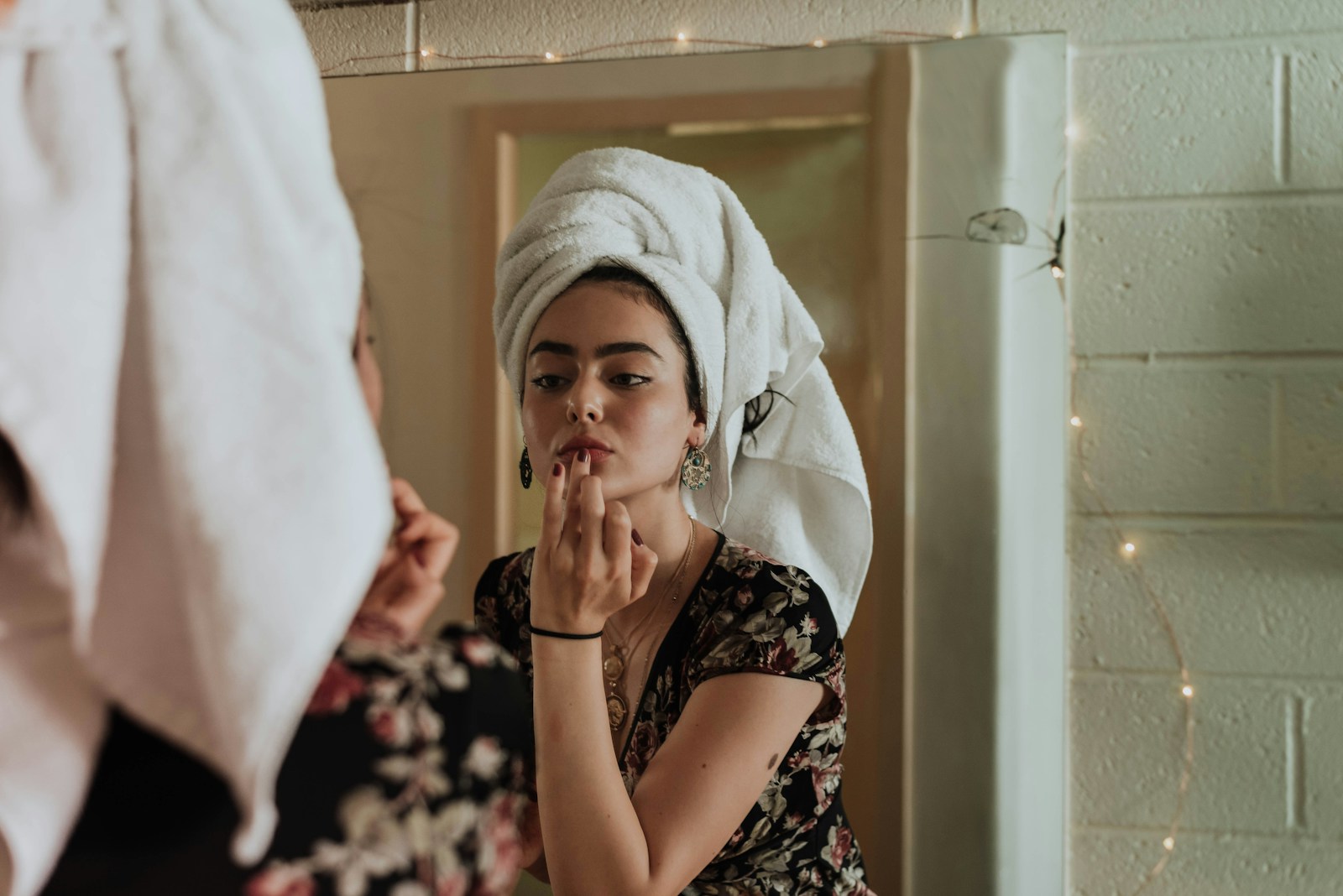
Gen Z is often associated with viral beauty trends and carefully curated social media aesthetics, but a growing countertrend is gaining attention: “glowing down.” Rather than chasing expensive routines, many young adults are simplifying their approach to beauty, focusing on affordability, practicality, and authenticity.
Rising living costs, housing expenses, student debt, and economic uncertainty have encouraged many consumers to rethink discretionary spending. As a result, some Gen Z shoppers are trading elaborate beauty routines for streamlined, budget-conscious alternatives that align with both their finances and values.
10. Shopping Their Own Stash
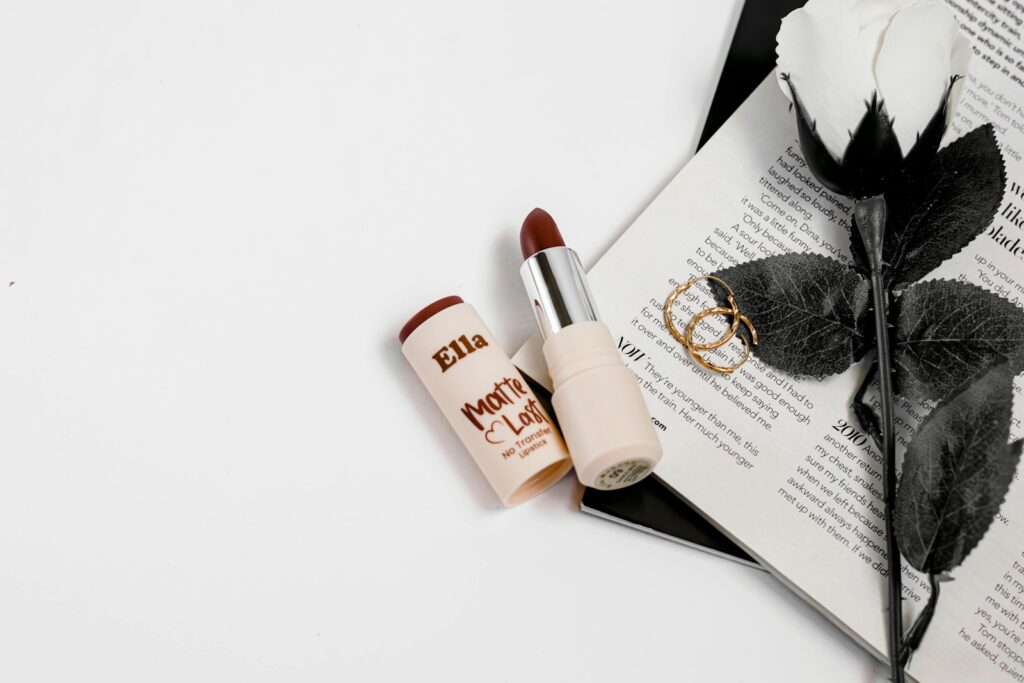
Instead of constantly purchasing new products, many Gen Z consumers are rediscovering items they already own.
Social media trends such as “shop your stash” encourage people to finish products before replacing them and find new ways to use items already sitting in their makeup bags. This approach reduces waste while helping stretch beauty budgets further.
9. Fewer Trend Purchases
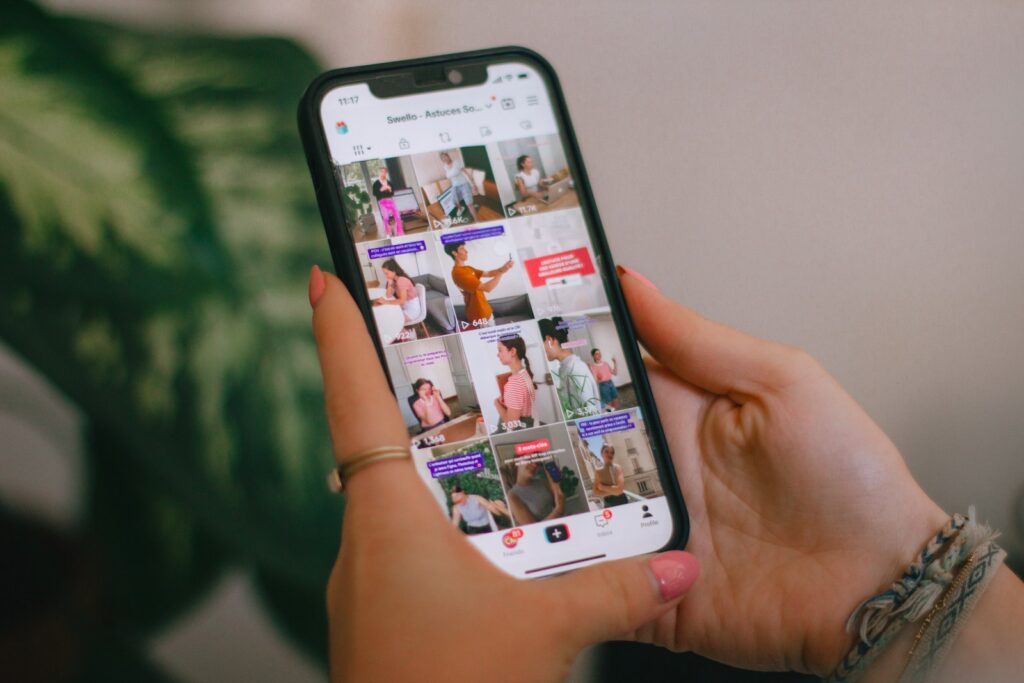
The rapid pace of beauty trends can quickly become expensive.
Many Gen Z consumers are becoming more selective about which viral products they buy, choosing to wait for reviews or skip short-lived trends altogether. Rather than purchasing every new release, they are focusing on products that fit their actual needs and routines.
8. Prioritizing Essentials Over Luxuries
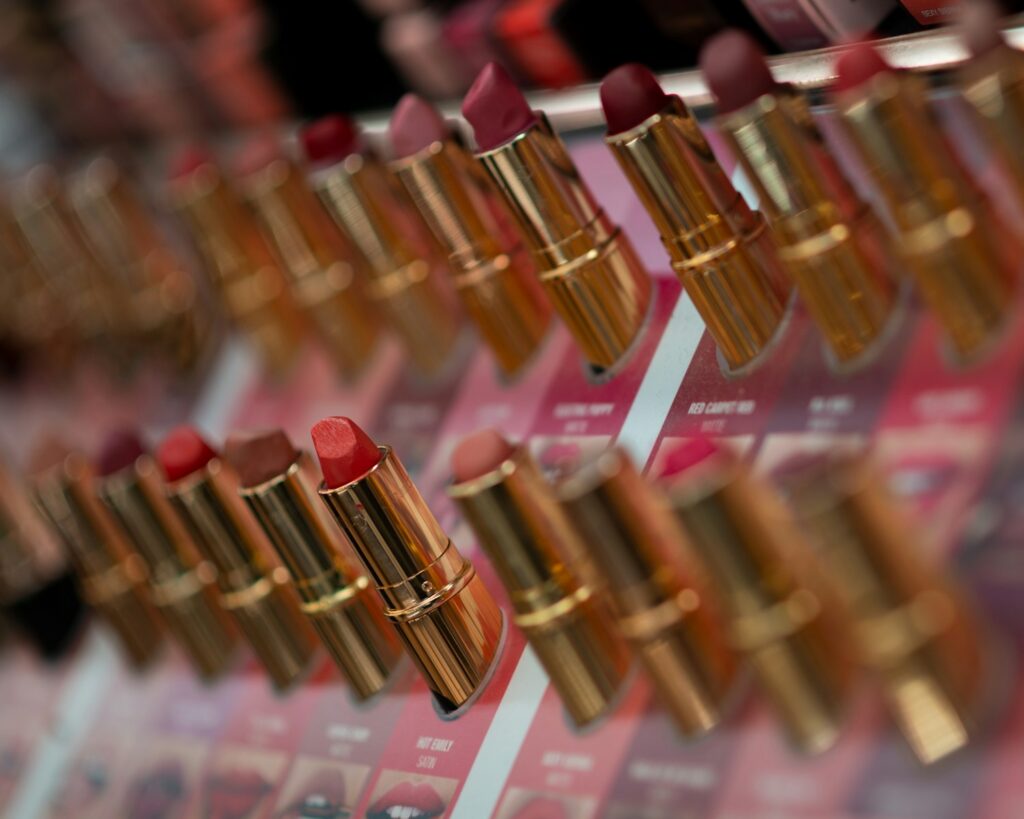
Gen Z is learning to prioritize essentials over luxury beauty items.
Faced with financial constraints, many are choosing budget-friendly products that meet basic needs, often opting for drugstore brands instead of high-end alternatives.
7. DIY Beauty Solutions

Do-it-yourself beauty solutions are on the rise among Gen Z.
From homemade hair masks to simple at-home treatments, many are finding creative ways to maintain beauty routines without spending heavily on products or salon visits.
6. Embracing Natural Beauty
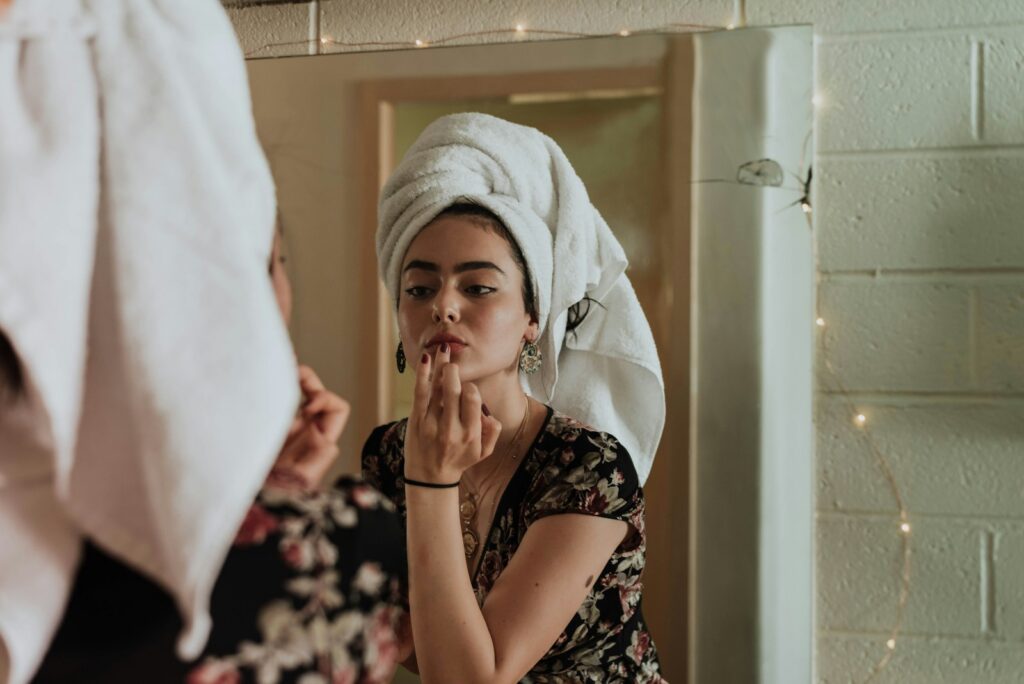
Many Gen Z consumers are embracing a more natural look.
With less emphasis on full-glam makeup, many are focusing on skincare, healthy habits, and low-maintenance routines that require fewer products overall.
5. Thrifting Beauty Accessories
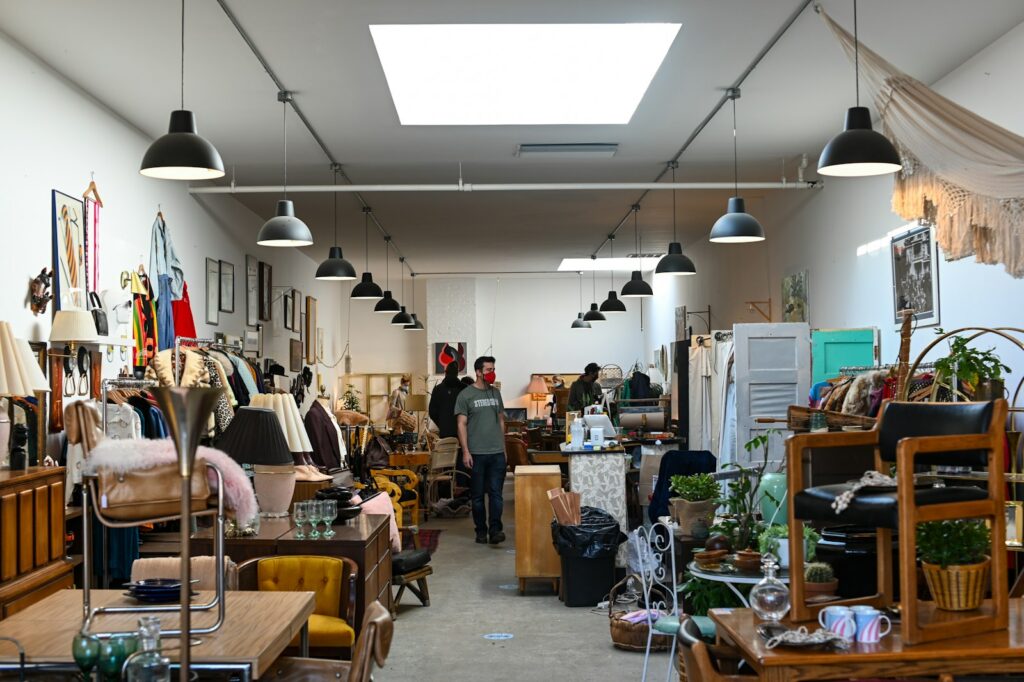
While secondhand cosmetics aren’t recommended for hygiene reasons, many Gen Z shoppers are turning to thrift stores and resale platforms for beauty organizers, mirrors, makeup bags, and styling tools.
This approach combines affordability with sustainability.
4. Choosing Multi-Purpose Products
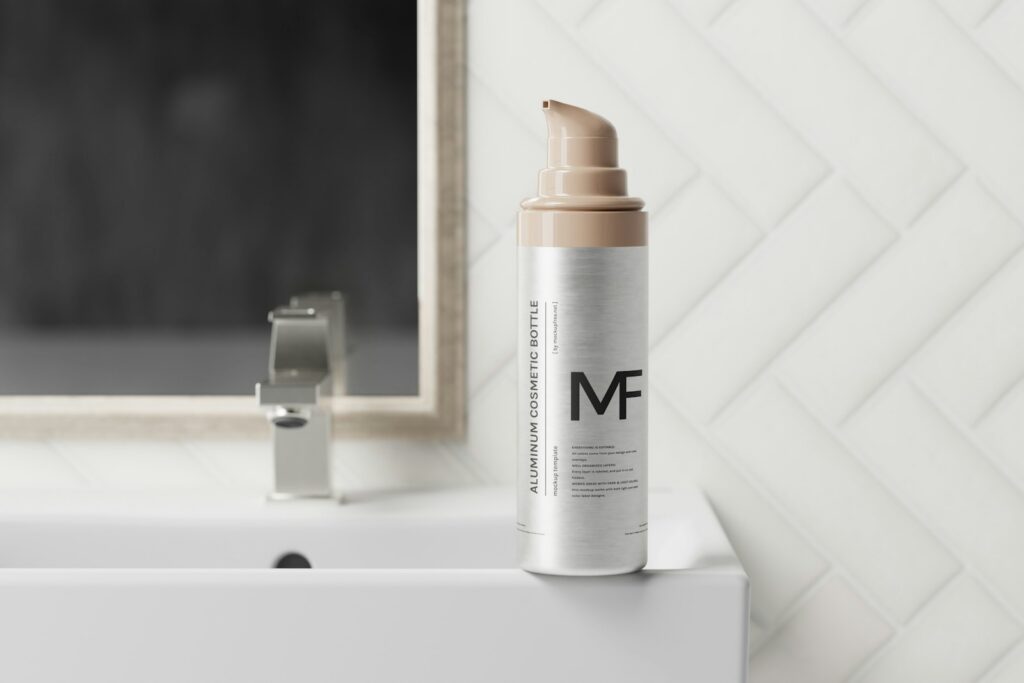
Minimalism continues to influence beauty routines.
Tinted moisturizers, lip-and-cheek products, and all-in-one complexion products help simplify routines while reducing overall spending.
3. Using Social Media to Find Deals
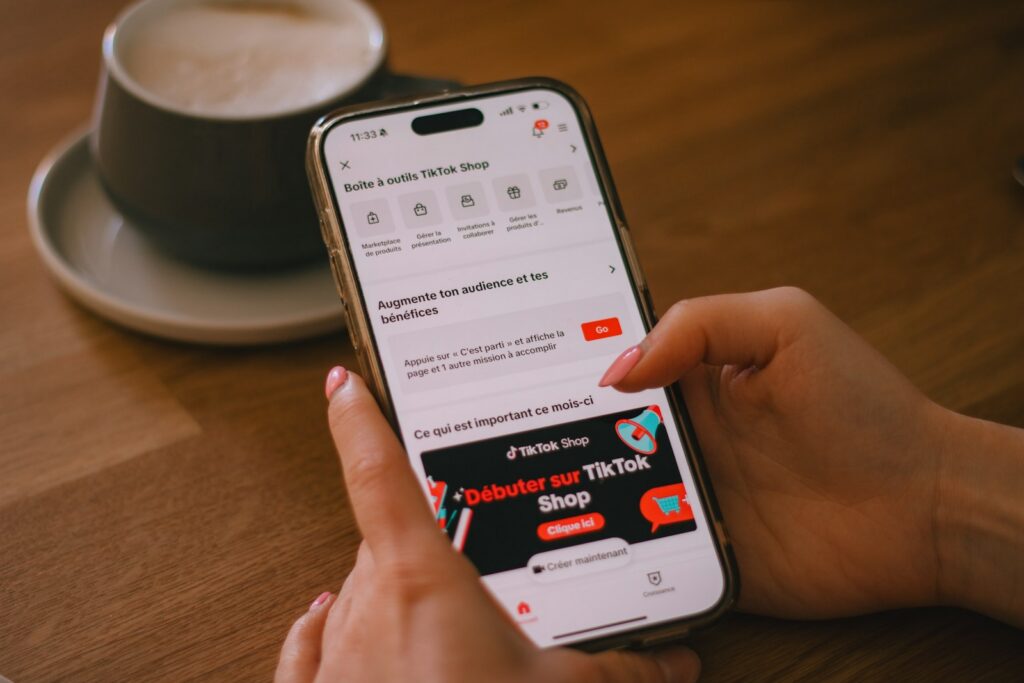
Social media isn’t just a source of beauty inspiration.
Many Gen Z shoppers use TikTok, Instagram, and creator recommendations to track sales, coupon codes, loyalty programs, and affordable alternatives to premium products.
2. Trading Skills With Friends
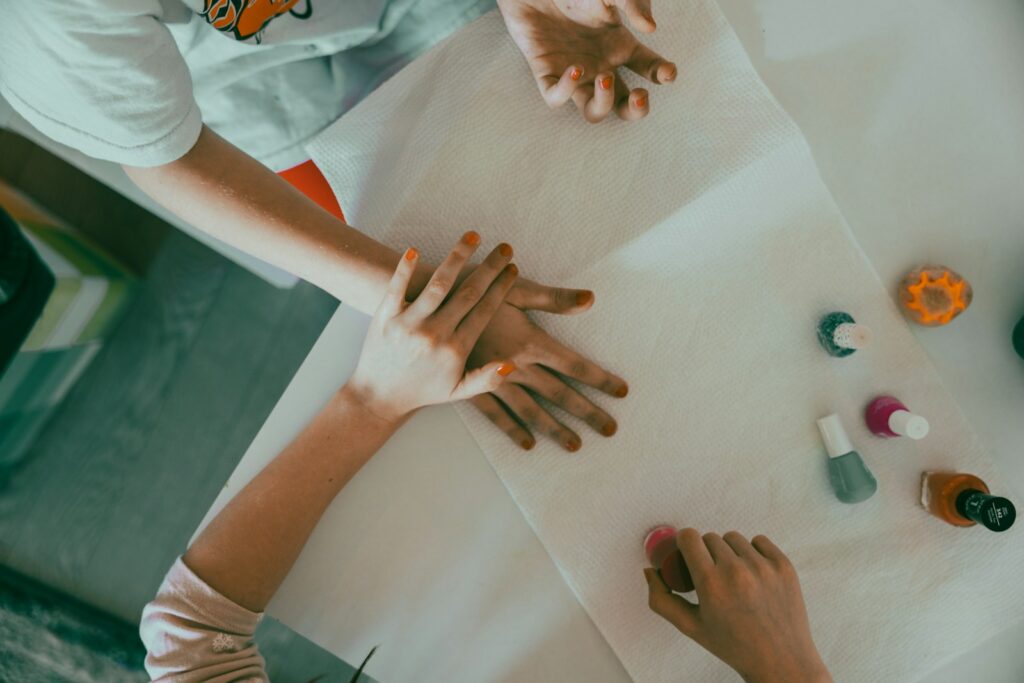
Some beauty services can be surprisingly expensive.
Friends are increasingly helping one another with hairstyling, nail art, event makeup, and other beauty-related skills, creating opportunities to save money while spending time together.
1. Redefining Beauty Standards
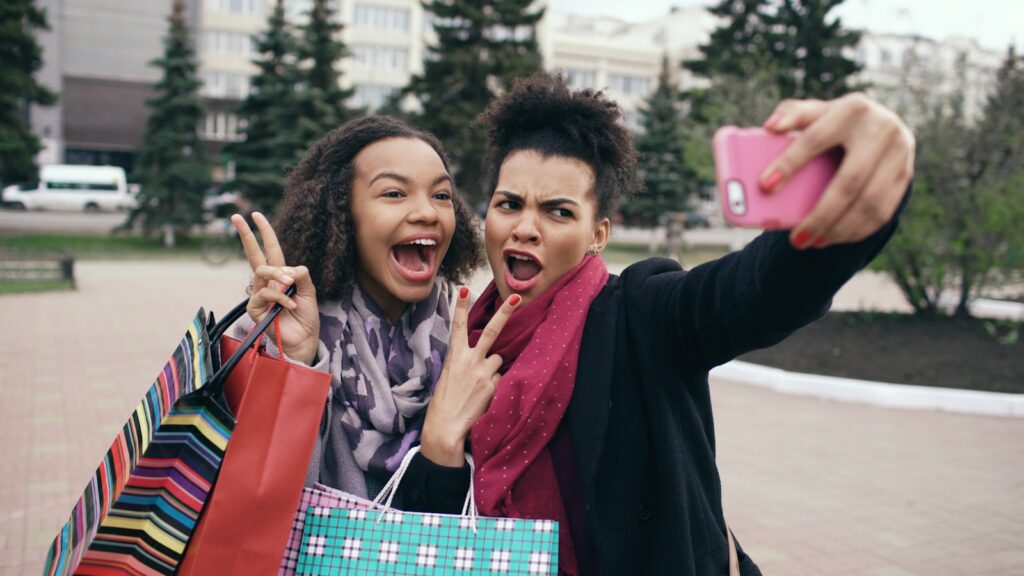
Perhaps the biggest shift is cultural rather than financial.
Many Gen Z consumers are challenging the idea that beauty requires constant spending, perfection, or trend-chasing. Instead, they’re embracing more individualized definitions of beauty that prioritize authenticity, self-expression, and personal comfort.
This mindset often leads to simpler routines and less pressure to keep up with every new product launch.
Read More:
- The Minimalist Makeup Bag: 10 Products You Really Need
- Mindful Beauty: How Meditation Supports Healthier-Looking Skin
- Beauty Starts Within: 10 Self-Care Rituals Worth Trying