
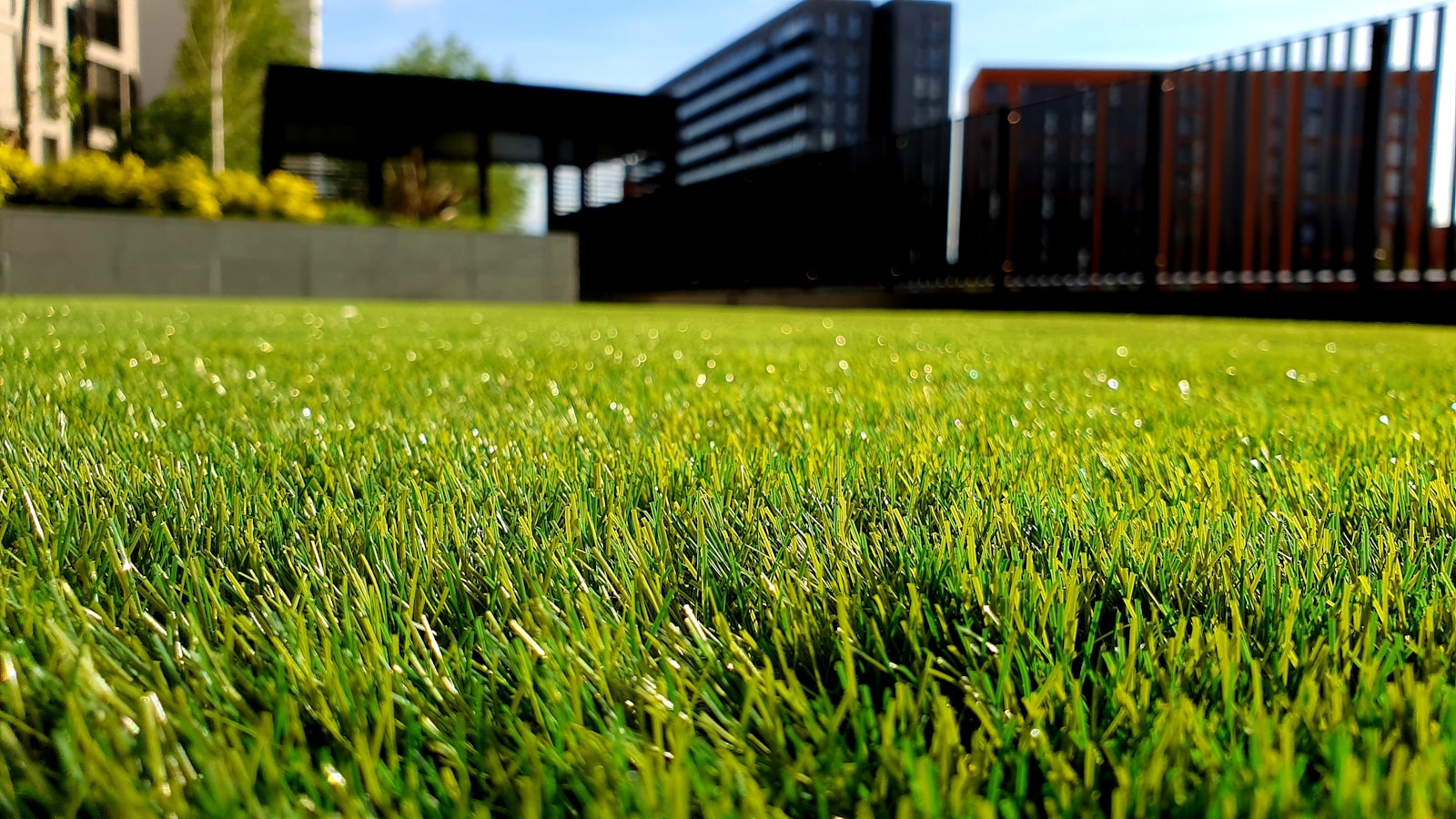
A freshly mowed lawn has become one of the defining features of suburban life. Millions of homeowners spend weekends trimming, watering, fertilizing, and caring for grass that’s expected to stay uniformly green and neatly cut throughout the growing season.
What’s surprising is that this familiar tradition is relatively new in human history—and in many ways, it works against nature. From replacing wild habitats to encouraging the use of fertilizers and pesticides, the modern lawn reflects centuries of changing ideas about wealth, beauty, and control. Here are 10 surprising facts about why we mow our lawns.
10. Perfect Lawns Were Originally a Status Symbol

Centuries ago, large grassy lawns signaled wealth because they served no practical purpose.
Only wealthy landowners could afford to dedicate valuable land to decorative grass instead of crops or livestock. The lawn became a visible display of prosperity rather than productivity.
9. Grass Isn’t Meant to Stay One Height
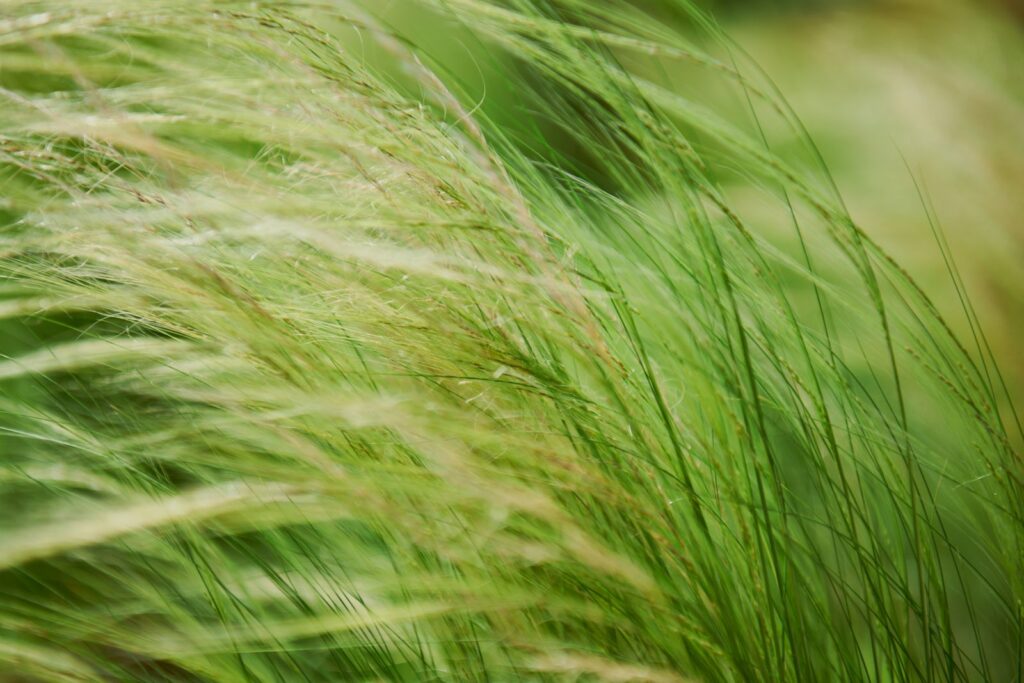
In nature, grasses constantly change with the seasons. They flower, produce seeds, and grow to different heights depending on weather and grazing animals.
Regular mowing interrupts that natural cycle, encouraging grass to remain short and uniform year after year.
8. A Lawn Is One of Nature’s Simplest Ecosystems
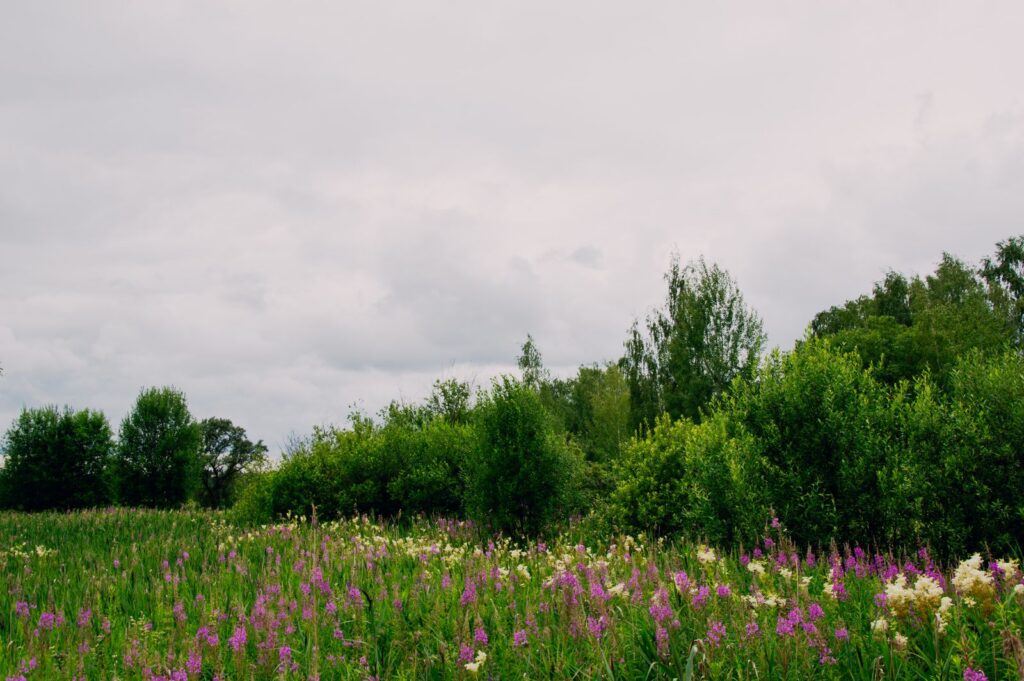
Many traditional lawns contain just one or two grass species.
Natural meadows, by comparison, often support dozens of grasses, flowers, insects, fungi, birds, and small animals. While a healthy lawn still provides some environmental benefits, it typically supports far less biodiversity than more varied landscapes.
7. We Spend a Lot of Time Fighting Plants That Want to Grow
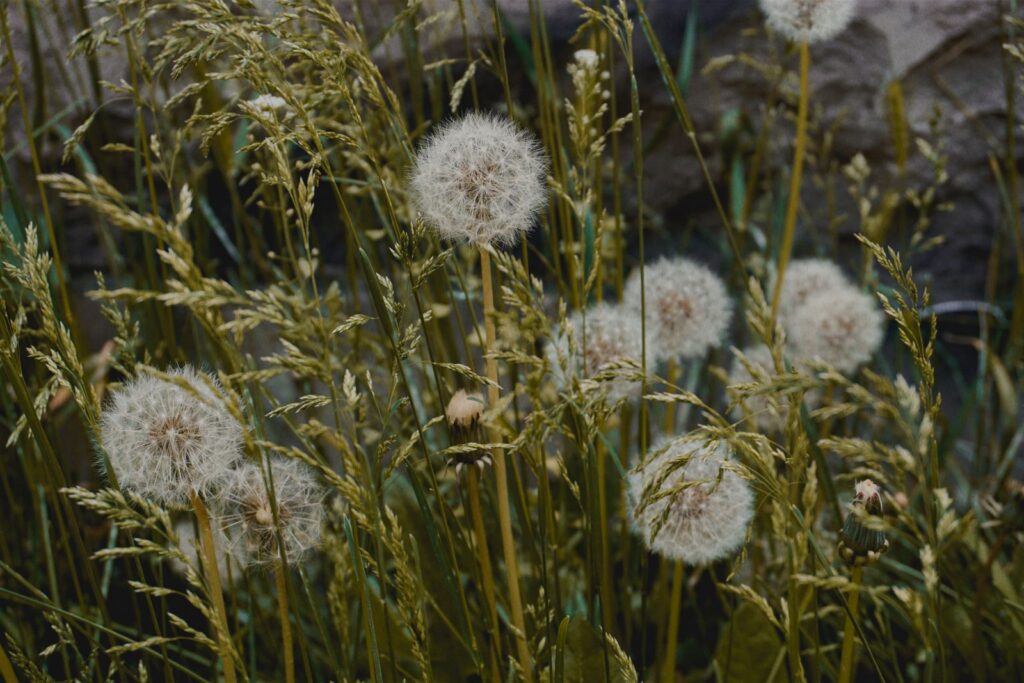
Many of the plants commonly labeled as weeds—including clover, violets, and dandelions—are simply species that naturally grow alongside grasses.
Modern lawn care often focuses on removing these plants to maintain a uniform appearance, even though many provide nectar for pollinators or help improve soil health.
6. The Modern Lawn Depends on Constant Maintenance
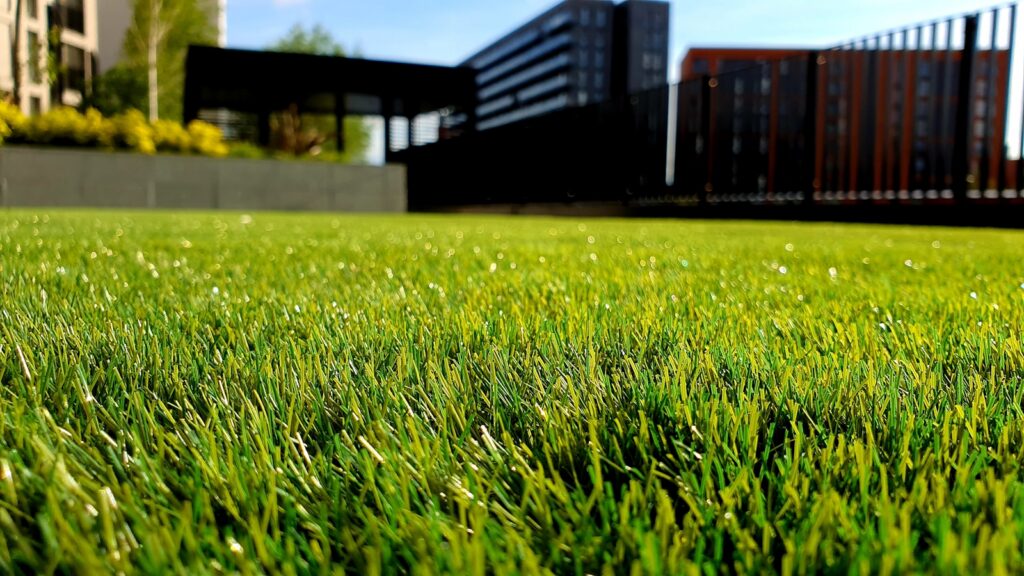
A naturally growing field largely takes care of itself.
A traditional lawn, however, often requires regular mowing, watering, fertilizing, edging, and seasonal treatments to maintain the tidy appearance many neighborhoods expect.
5. Chemical Lawn Care Became Common Only Recently
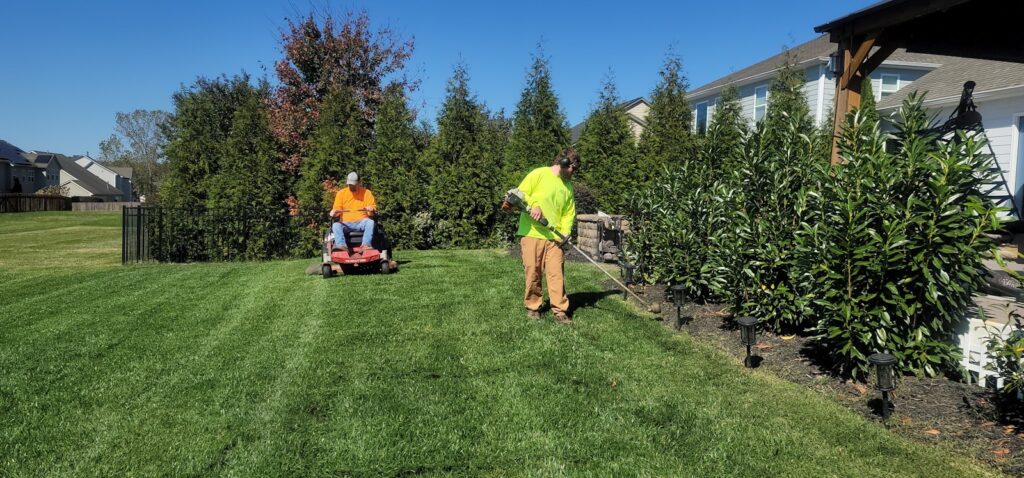
For much of history, lawns were maintained with simple tools and manual labor.
The widespread use of synthetic fertilizers, herbicides, and pesticides expanded significantly after World War II as suburban homeownership grew and chemical products became more readily available.
4. Wildlife Often Loses Habitat When Meadows Become Lawns
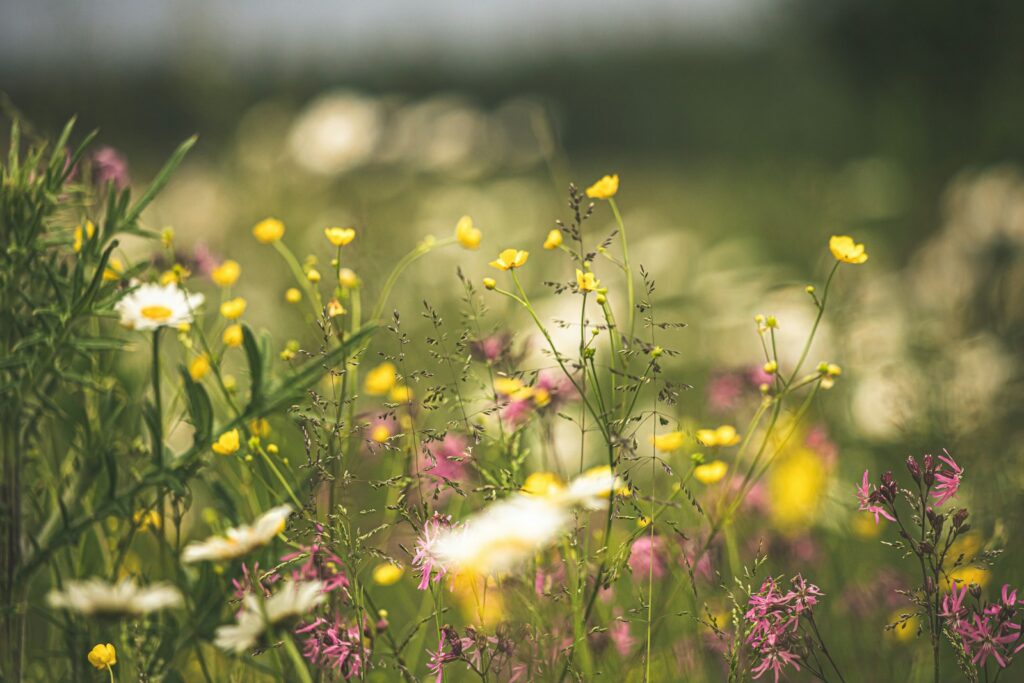
Wildflowers, taller grasses, and shrubs provide food and shelter for butterflies, bees, birds, and countless other species.
Replacing those natural habitats with closely mowed turf can reduce the variety of plants and animals that thrive in an area.
3. Short Grass Became a Social Expectation
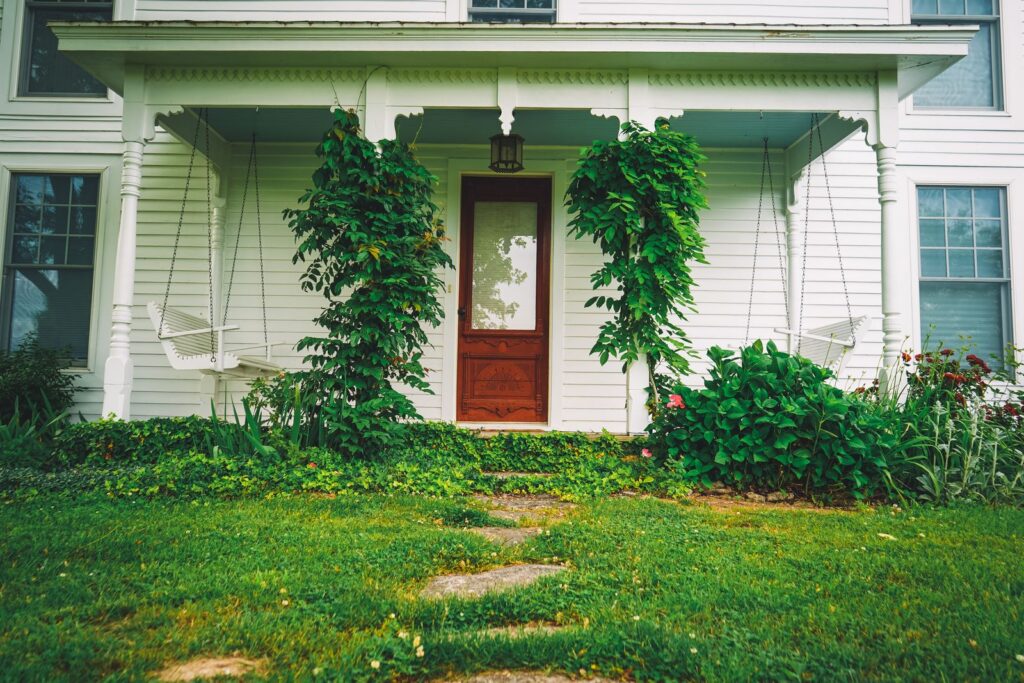
One reason lawns remain so popular has little to do with the grass itself.
As suburban neighborhoods expanded after World War II, neatly maintained yards became associated with good homeownership and neighborhood pride. Over time, many communities developed formal or informal expectations about lawn appearance.
2. More People Are Rethinking the Traditional Lawn
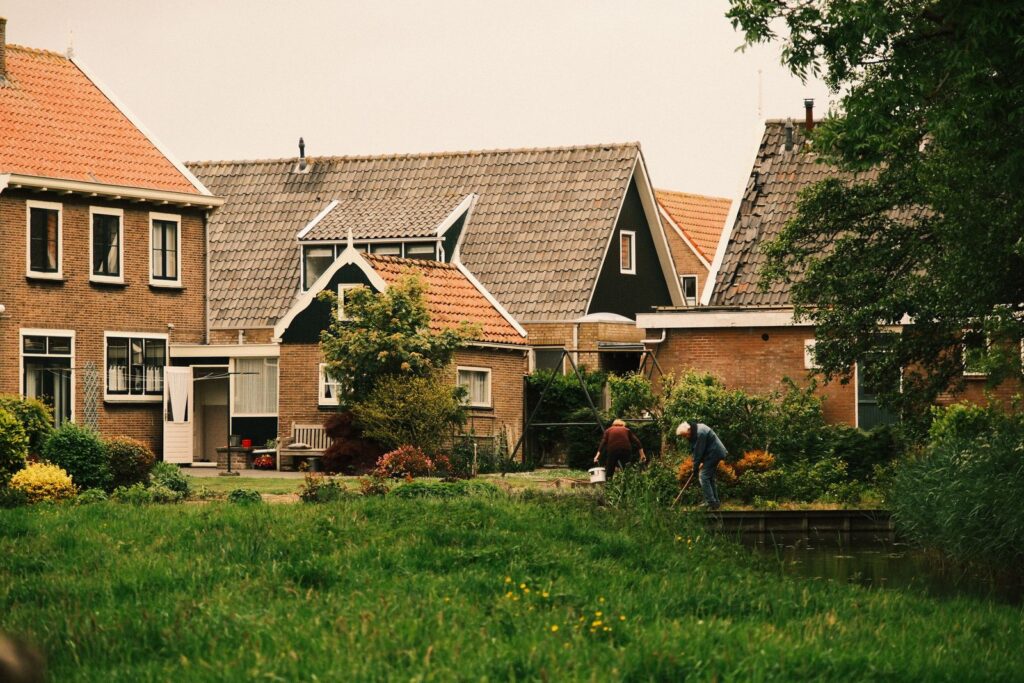
In recent years, some homeowners have begun replacing portions of their lawns with native plants, pollinator gardens, rain gardens, or low-maintenance ground covers.
These alternatives can reduce mowing while supporting local wildlife and often requiring less water and fewer chemical treatments.
1. The “Perfect Lawn” Is a Human Invention

Nature rarely creates a lawn that looks like the ones featured in advertisements or neighborhood competitions.
The evenly cut, weed-free, bright green lawn is the result of continuous human effort. It’s a carefully maintained landscape that reflects cultural expectations far more than the way grass naturally grows.
Read More:
- 13 Classic Items Every 1990s Dad Had in His Garage
- These Common Household Items Are Toxic to Pets
- 15 Easy Ways to Hit 10,000 Steps Without Going to the Gym