
Retinol is one of the most talked-about ingredients in skincare—and for good reason. Dermatologists have studied vitamin A derivatives for decades, and retinol remains one of the most effective over-the-counter ingredients for addressing concerns like fine lines, uneven texture, acne, and discoloration.
At the same time, retinol has a reputation for being confusing. Between stories of peeling, purging, and complicated routines, many people aren’t sure where to begin.
If you’re considering adding retinol to your skincare routine, here are 10 facts every beginner should know.
1. Retinol Is a Form of Vitamin A
Retinol belongs to a family of ingredients known as retinoids, which are derived from vitamin A.
When applied to the skin, retinol undergoes a series of conversions before becoming retinoic acid, the active form your skin cells can use. Because this conversion process takes time, retinol is generally gentler than prescription retinoids.
This balance of effectiveness and accessibility is one reason it remains so popular.
2. It’s One of the Most Studied Skincare Ingredients
Few skincare ingredients have as much research behind them as retinoids.
Decades of studies have shown that retinoids can help improve signs of photoaging, support collagen production, increase cell turnover, and address acne-related concerns.
While many skincare trends come and go, retinol has remained a staple because of its strong scientific foundation.
3. Retinol Can Help Improve Fine Lines
One of retinol’s best-known benefits is its ability to help improve the appearance of fine lines and wrinkles over time.
By encouraging skin cell turnover and supporting collagen production, retinol can gradually make skin appear smoother and firmer.
It’s important to remember that results develop gradually, not overnight.
4. It May Help With Acne and Congested Pores
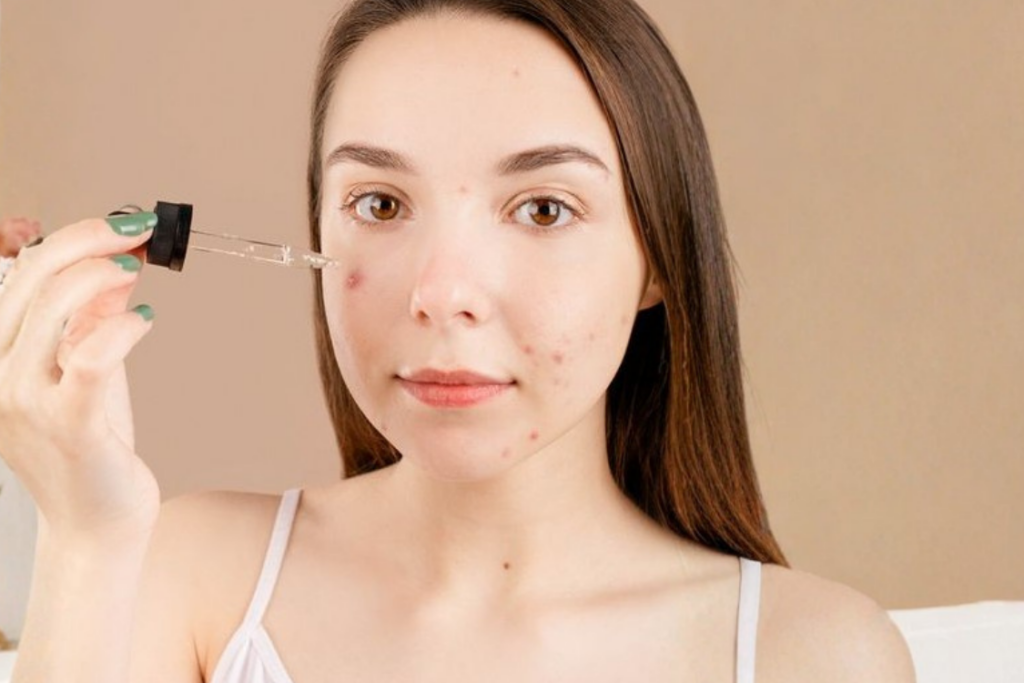
Retinol isn’t just for anti-aging concerns.
It can also help keep pores clear by encouraging dead skin cells to shed more efficiently. This process may reduce clogged pores and help prevent some types of breakouts.
Because of this, retinoids are frequently recommended as part of acne treatment plans.
5. You Should Start Slowly
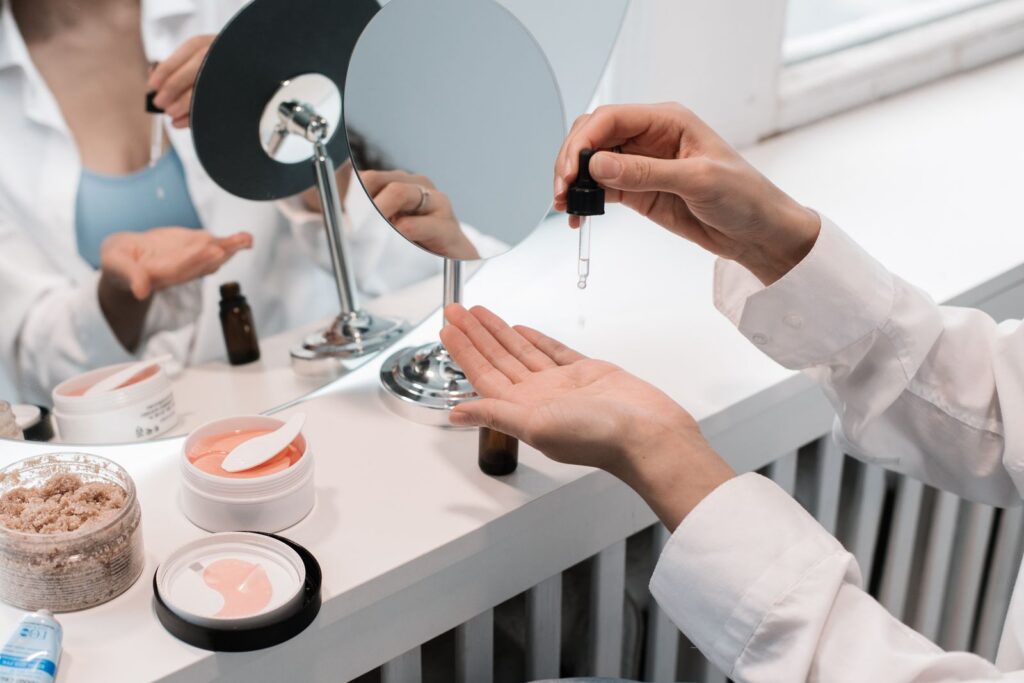
One of the biggest mistakes beginners make is using retinol too often too quickly.
Most dermatologists recommend starting with a lower-strength formula and applying it just two or three nights per week. As your skin adapts, you can gradually increase frequency if needed.
A slow introduction helps minimize irritation while allowing your skin time to adjust.
6. Mild Irritation Can Be Normal at First

When people first begin using retinol, they may experience temporary dryness, redness, flaking, or mild irritation.
This adjustment period is sometimes called “retinization.”
These effects are often temporary and can be reduced by introducing retinol gradually and using a moisturizer regularly. However, severe irritation is not the goal and may indicate that your routine needs adjustment.
7. Moisturizer Is Your Friend
Retinol works best when paired with a supportive skincare routine.
Using a gentle moisturizer helps maintain the skin barrier and can reduce common side effects such as dryness and peeling.
Many beginners find success with the “sandwich method,” applying moisturizer before and after retinol to buffer potential irritation.
8. Daily Sunscreen Is Essential
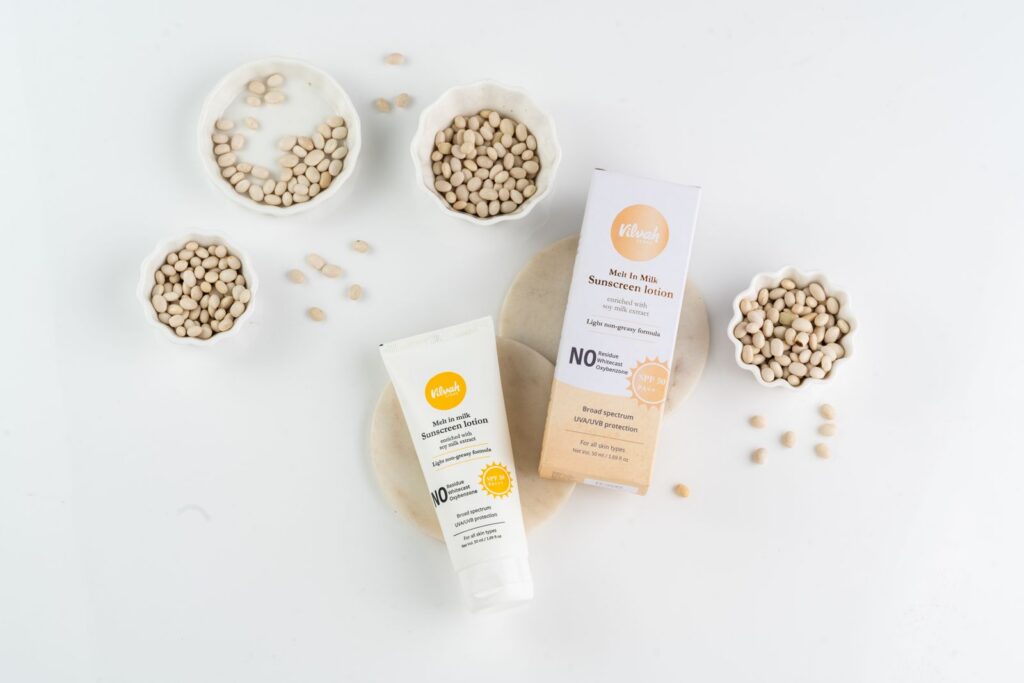
Retinol can make skin more sensitive to sun exposure, especially during the adjustment phase.
For this reason, daily broad-spectrum sunscreen with SPF 30 or higher is essential when using retinol.
In reality, sunscreen should be part of every skincare routine, but it becomes even more important when using active ingredients that increase photosensitivity.
9. Results Take Time
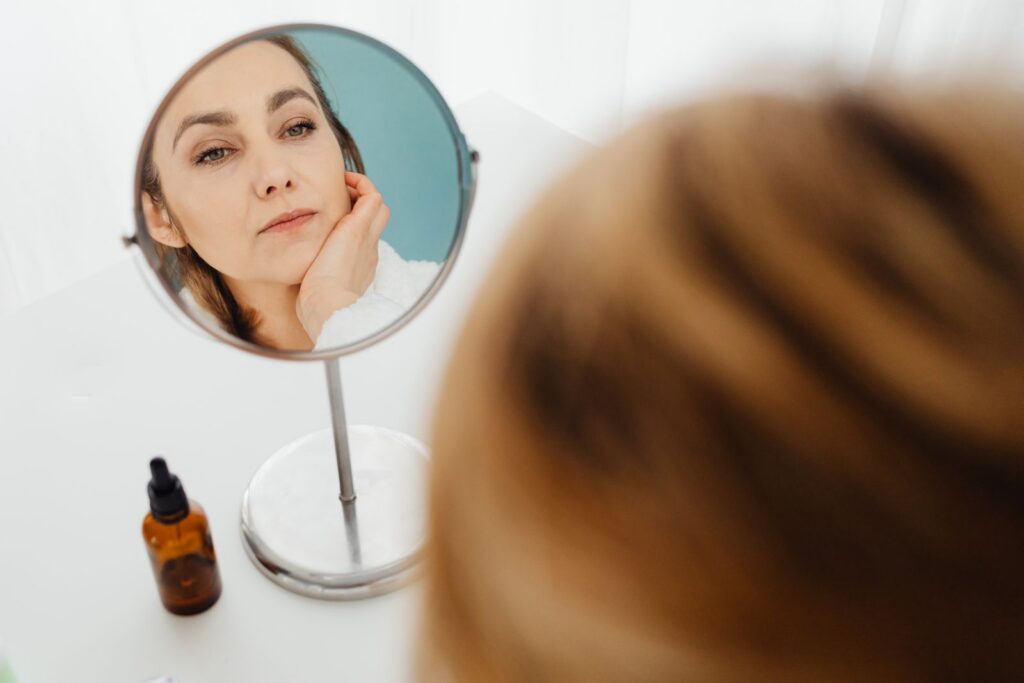
One of the most persistent myths about retinol is that it delivers immediate results.
Most people need several weeks before they notice visible changes. Improvements in texture may appear sooner, while concerns like discoloration and fine lines often take several months of consistent use.
Patience is a major part of a successful retinol routine.
10. Retinol Isn’t Right for Everyone

Although retinol is widely used, it isn’t appropriate for every situation.
People who are pregnant or trying to become pregnant should speak with their healthcare provider about skincare ingredients, as retinoids are generally not recommended during pregnancy. Those with very sensitive skin conditions may also need individualized guidance.
When in doubt, consulting a dermatologist can help determine whether retinol is a good fit for your specific skin concerns.
What Beginners Should Remember
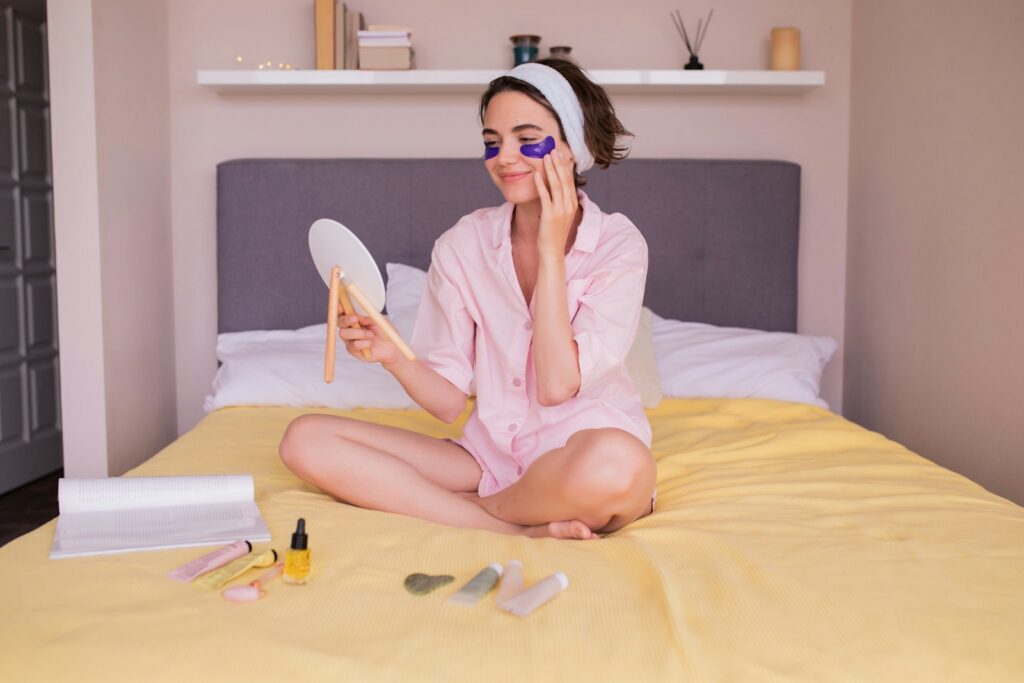
Retinol has earned its reputation as one of skincare’s most effective ingredients, but success comes from consistency rather than intensity.
Starting with a gentle formula, introducing it gradually, moisturizing regularly, and wearing sunscreen every day can help you get the benefits while minimizing irritation. With realistic expectations and a little patience, retinol can become one of the most valuable tools in a long-term skincare routine.
Read More:
- Why the Mediterranean Diet Keeps Winning (20 Big Reasons)
- The Most Extreme Diets Ever—and Why They’re a Terrible Idea
- 15 Clever Ways to Drink More Water Every Day (Without Trying Hard)