

A canceled flight can quickly turn a carefully planned trip into a stressful experience. Whether the disruption is caused by severe weather, mechanical problems, or staffing issues, the first few minutes after a cancellation can make a big difference. Knowing your options can help you get to your destination sooner while avoiding unnecessary expenses.
Here are 10 smart steps to take if your flight gets cancelled.
10. Stay Calm and Assess the Situation

A flight cancellation can be frustrating, but staying calm will help you make better decisions.
Take a moment to confirm the cancellation, review any notifications from your airline, and gather the information you’ll need before speaking with customer service. A polite, patient approach can also make interactions with airline employees more productive.
9. Check the Airline’s App First
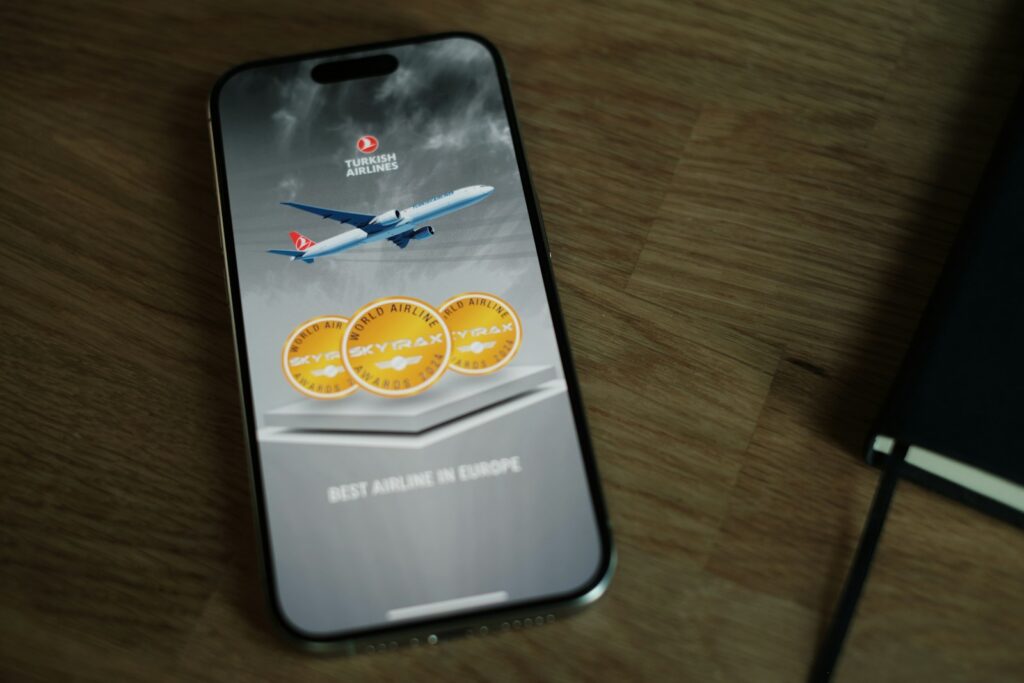
Before heading to the service desk, open your airline’s mobile app or website.
Many airlines automatically offer rebooking options through their apps, allowing you to select a new flight without waiting in a long airport line. You’ll also receive the latest updates if schedules continue to change.
8. Join the Customer Service Line While Rebooking Online

One of the best travel strategies is to pursue multiple options at once.
Get in line to speak with an airline representative while simultaneously using the airline’s app or website to search for alternate flights. If you successfully rebook yourself before reaching the counter, you can simply leave the line.
7. Try Other Ways to Reach Customer Service

If the airport is crowded, don’t rely solely on the service desk.
Many airlines offer customer support through phone lines, live chat, or social media. Depending on wait times, one of these options may connect you with an agent more quickly than standing in line.
6. Consider Nearby Airports
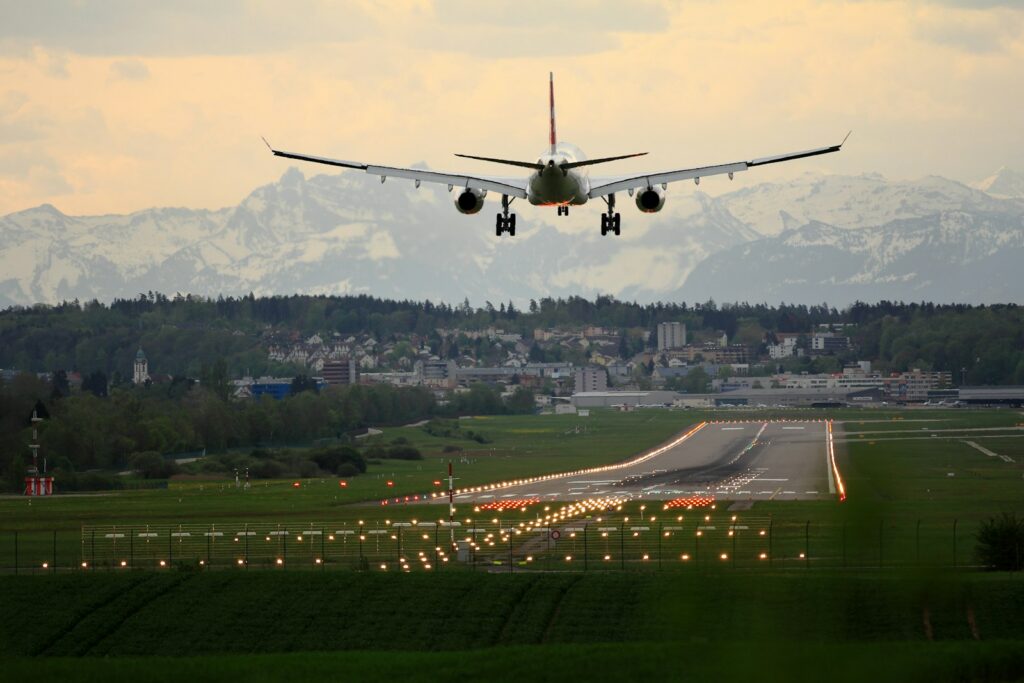
Flexibility can sometimes get you moving again much faster.
Check whether flights departing from or arriving at nearby airports have available seats. A short drive or train ride could save hours—or even an entire day—of travel delays.
5. Know Your Refund Rights

If the airline cancels your flight and you decide not to travel, you may be entitled to a refund rather than a travel credit.
In the United States, airlines are generally required to provide refunds for canceled flights when passengers choose not to accept alternative transportation. Be sure to understand your options before accepting a voucher or rebooking.
4. Ask About Vouchers or Other Assistance
Depending on the reason for the cancellation and the airline’s policies, you may qualify for additional assistance.
Ask whether the airline offers hotel accommodations, meal vouchers, ground transportation, or other travel support. Eligibility varies, especially when cancellations are caused by weather or events outside the airline’s control.
3. Review Your Travel Insurance and Credit Card Benefits

Travel insurance may help cover unexpected expenses caused by trip interruptions.
In addition, many premium travel credit cards include trip delay or cancellation protections that can reimburse eligible costs such as hotels, meals, and transportation. Review your policy or card benefits before paying out of pocket.
2. Consider Alternative Transportation
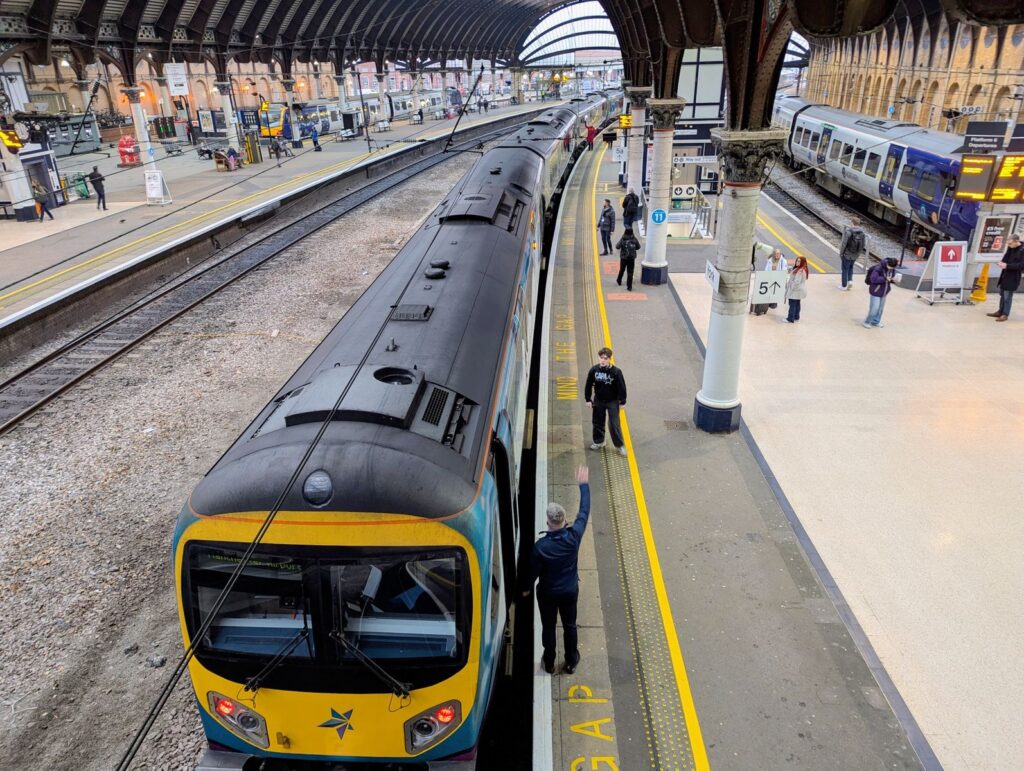
If another flight isn’t available for an extended period, look at other ways to reach your destination.
Depending on the distance, trains, buses, rental cars, or even flights on another airline may help you get back on schedule.
1. Save Every Receipt and Record
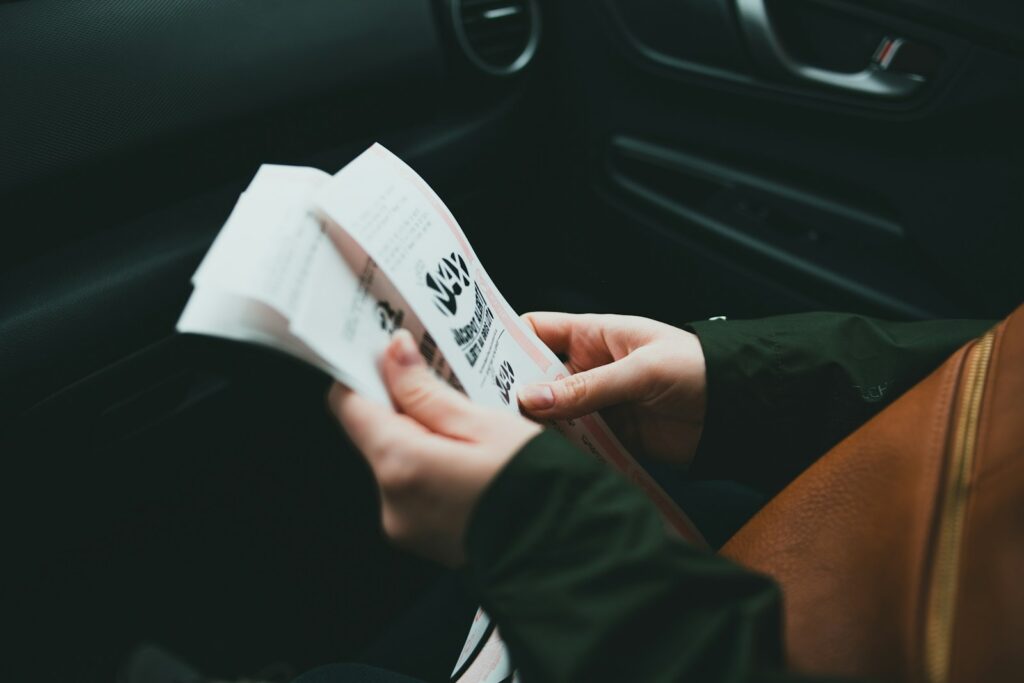
Keep copies of everything related to your canceled flight.
Save receipts for meals, hotels, transportation, baggage fees, and other unexpected expenses. Also keep emails, text messages, and notes from conversations with airline representatives. Good documentation can make it much easier to request reimbursement or file an insurance claim later.
Read More:
- 10 VIP Travel Perks Most Travelers Never Use
- 12 Full-Size Liquids You Can Actually Bring Through Airport Security
- 10 Types of Carry-On Luggage for Every Kind of Traveler