

Retiring abroad is a dream for many, offering the allure of new cultures, climates, and experiences. However, the reality of making such a significant life change comes with its own set of challenges that can catch the unprepared by surprise.
From navigating foreign healthcare systems to understanding tax implications, there are numerous factors to consider when planning your overseas retirement. Here are 10 things you should know about retiring abroad.
10. Healthcare Accessibility

Access to quality healthcare is a top concern for retirees moving abroad. While some countries offer excellent public healthcare systems, others may not meet the standards you’re used to.
It’s essential to research the healthcare facilities available in your chosen destination and consider private health insurance to cover any gaps. Understanding the local healthcare system will help you make informed decisions about your medical needs.
9. Cost of Living Variations

While some countries are known for their low cost of living, others can be surprisingly expensive. It’s important to evaluate the cost of everyday items, housing, and utilities in your prospective new home.
Consider creating a budget that reflects your expected expenses and compare it to your retirement income. This will help you avoid financial surprises and ensure a comfortable lifestyle.
8. Language Barriers

Language can be a significant barrier when retiring abroad, especially if you choose a country where English is not widely spoken. This can affect everything from daily interactions to understanding legal documents.
Learning the local language can greatly enhance your experience and help you integrate into the community. Consider taking language classes before you move to ease the transition.
7. Cultural Differences

Adjusting to a new culture can be both exciting and challenging. From different social norms to varied cuisines, cultural differences can impact your daily life in unexpected ways.
Embrace the opportunity to learn and grow, but also prepare for moments of culture shock. Engaging with local communities and expatriate groups can provide support and ease the adjustment period.
6. Visa and Residency Requirements
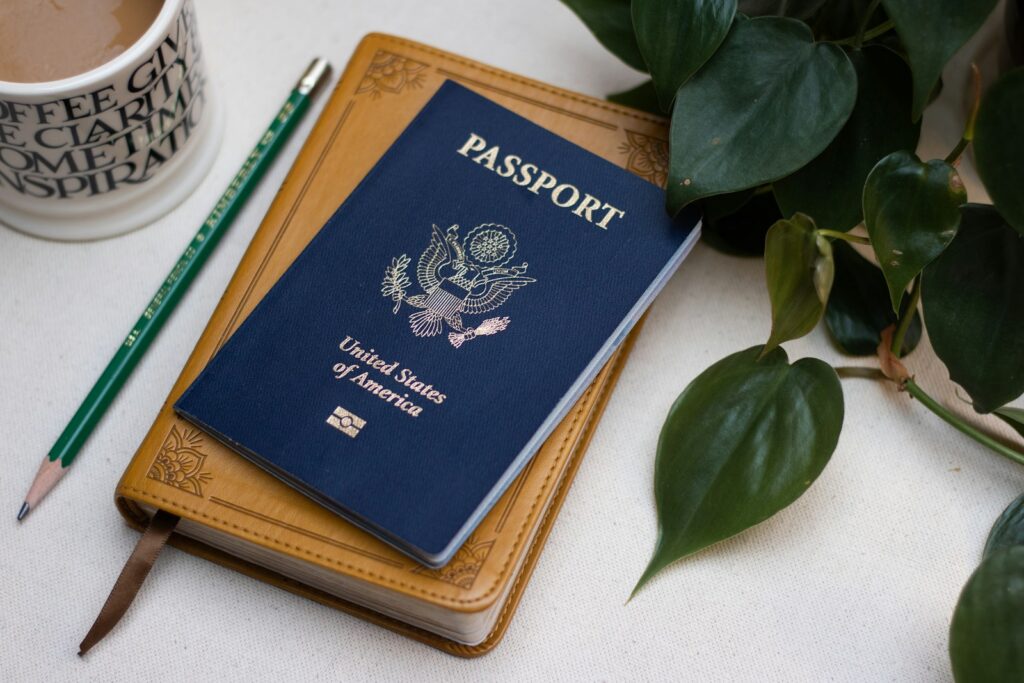
Understanding the visa and residency requirements of your chosen country is crucial. Each nation has its own set of rules and regulations that can affect your ability to stay long-term.
Research the necessary documentation and application processes well in advance. Consulting with a legal expert can also help navigate any complex immigration laws.
5. Tax Implications
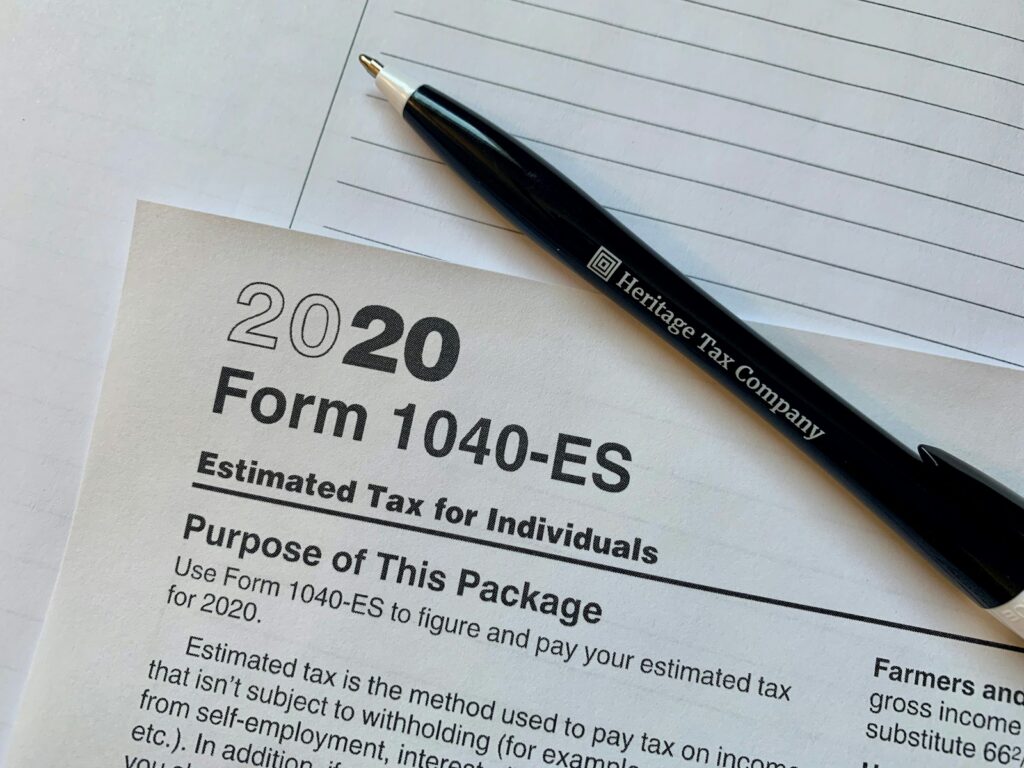
Retiring abroad doesn’t exempt you from tax obligations in your home country or your new residence. Different countries have different tax treaties and regulations.
Consulting with a tax advisor familiar with international tax law can help you understand your liabilities and ensure compliance with both domestic and foreign tax laws.
4. Currency Exchange and Banking

Managing finances in a foreign currency can be complex. Exchange rates fluctuate, which can affect your purchasing power and savings.
Set up a local bank account to handle day-to-day expenses and consider using online banking platforms for easy access to your funds. Be aware of any fees associated with currency exchange and international transfers.
3. Property Ownership Laws

Buying property abroad can be a great investment, but it’s important to understand the local laws and regulations. Some countries have restrictions on foreign ownership.
Consult with a local real estate expert and legal advisor to navigate the property market. They can provide insights into the process and help avoid potential pitfalls.
2. Social Support Systems

Being far from family and friends can be challenging, especially in a new country. Establishing a social support network is vital for emotional well-being.
Join clubs, volunteer, or connect with other expatriates to build a community. Engaging socially will enrich your experience and provide support when needed.
1. Visit Before You Commit

Vacationing somewhere isn’t the same as living there year-round.
Before relocating permanently, many experts recommend spending several weeks—or even a few months—in your prospective home during different seasons. That can give you a better sense of everyday life, healthcare access, transportation, weather, and whether the community is truly a good fit.
That’s probably the single best piece of retirement-abroad advice.
Read More:
- 10 Things to Know About ‘Phased Retirement’
- 10 Tips for Building a Retirement Emergency Fund
- Ranking the Best States for Retirement