

In the heart of New York City’s East Village, the Luddite Festival offers a unique platform for those eager to disconnect from the digital world and engage in real-life interactions. This event, known as the Summer of Ludd, brings together a diverse group of individuals united by their desire to challenge the omnipresence of technology in modern life.
From theatrical performances to hands-on workshops, the festival offers a weeklong escape from screens, encouraging attendees to explore alternative ways of connecting and creating. Here are 10 things you need to know about this intriguing festival.
10. The Theatrical Opening
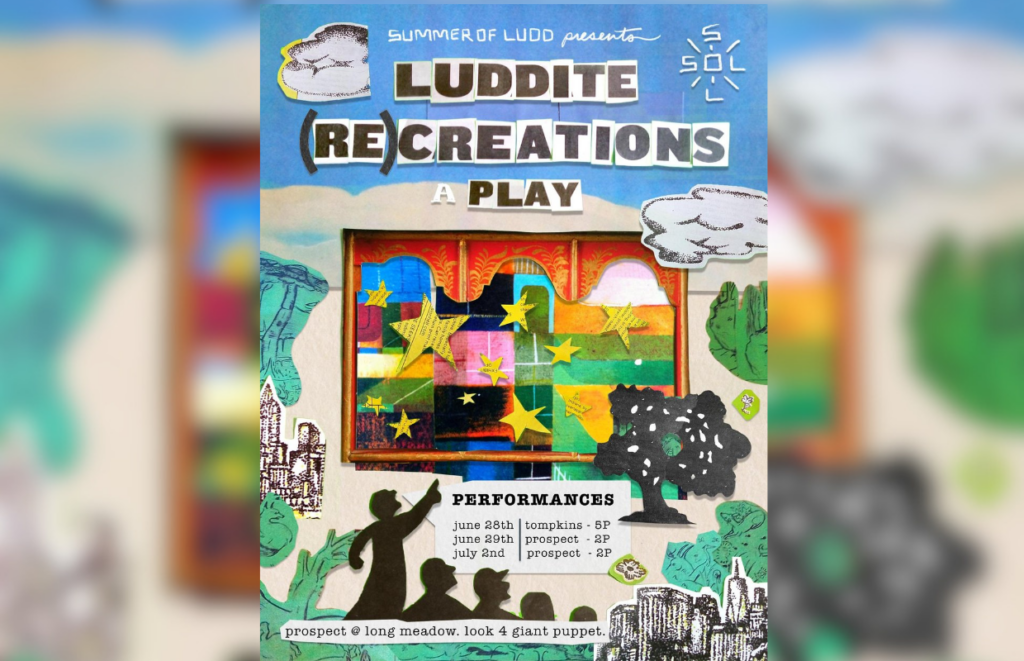
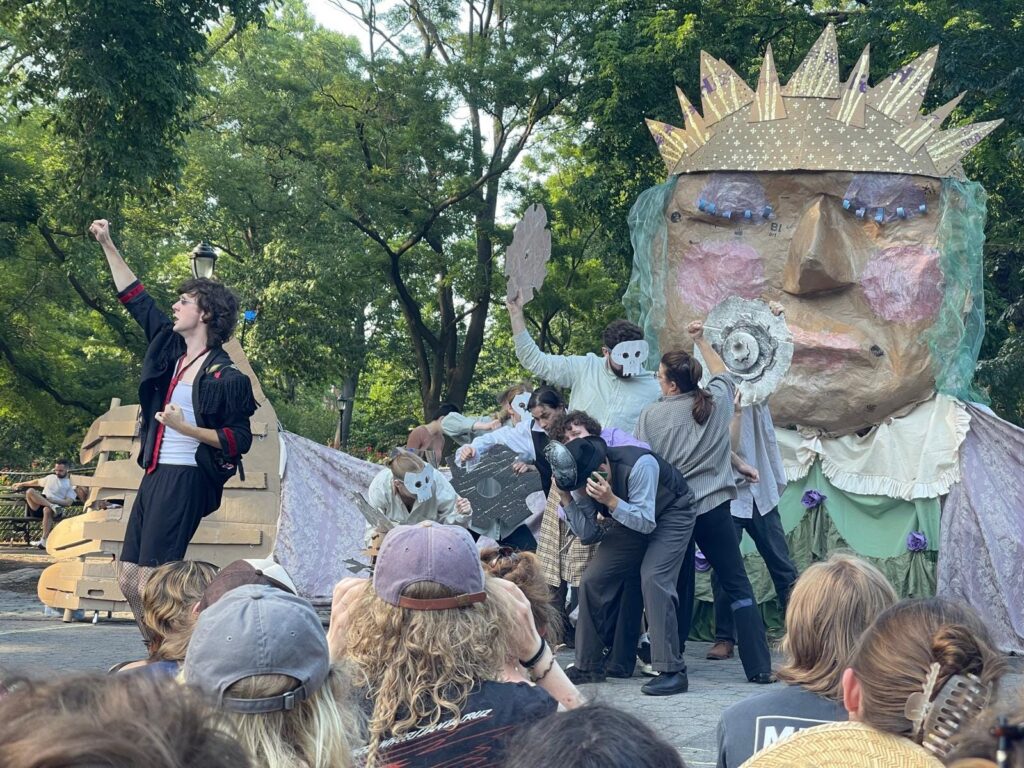
The festival kicks off with a play titled “Luddite Recreations,” set against a backdrop of a giant papier-mâché face. This performance delves into the history of the original Luddite movement, offering a creative retelling of their resistance against industrialization.
Actors navigate the stage through curtains that double as the figure’s dress, while a small orchestra adds a musical layer to the production. The play sets the tone for a week of phone-free, in-person engagement.
9. Offline Only
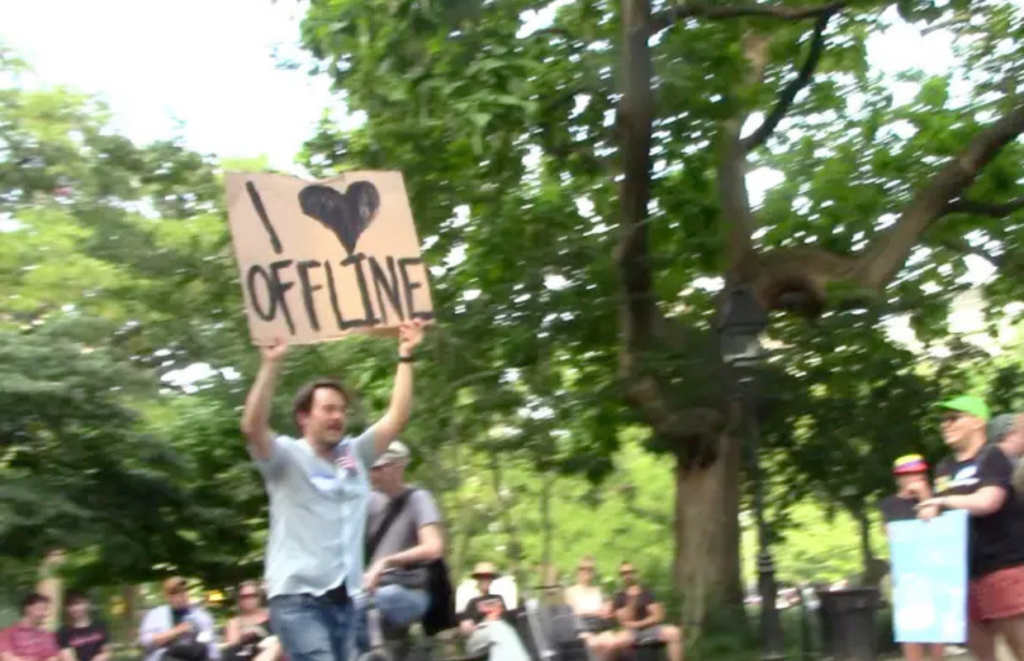
One of the festival’s core rules is the strict prohibition of phones, recording devices, and any form of digital documentation. This policy ensures that participants are fully present and immersed in the experience.
Promotions for the festival are intentionally offline, with posters and booklets distributed around the neighborhood, emphasizing the importance of real-world engagement.
8. Diverse Workshops

The festival features a variety of workshops designed to teach skills that promote independence from technology. These include lessons on mending clothes, dating offline, and even fighting against data centers.
Participants are encouraged to explore analog alternatives and learn practical skills that foster self-reliance and community building.
7. Zine Culture
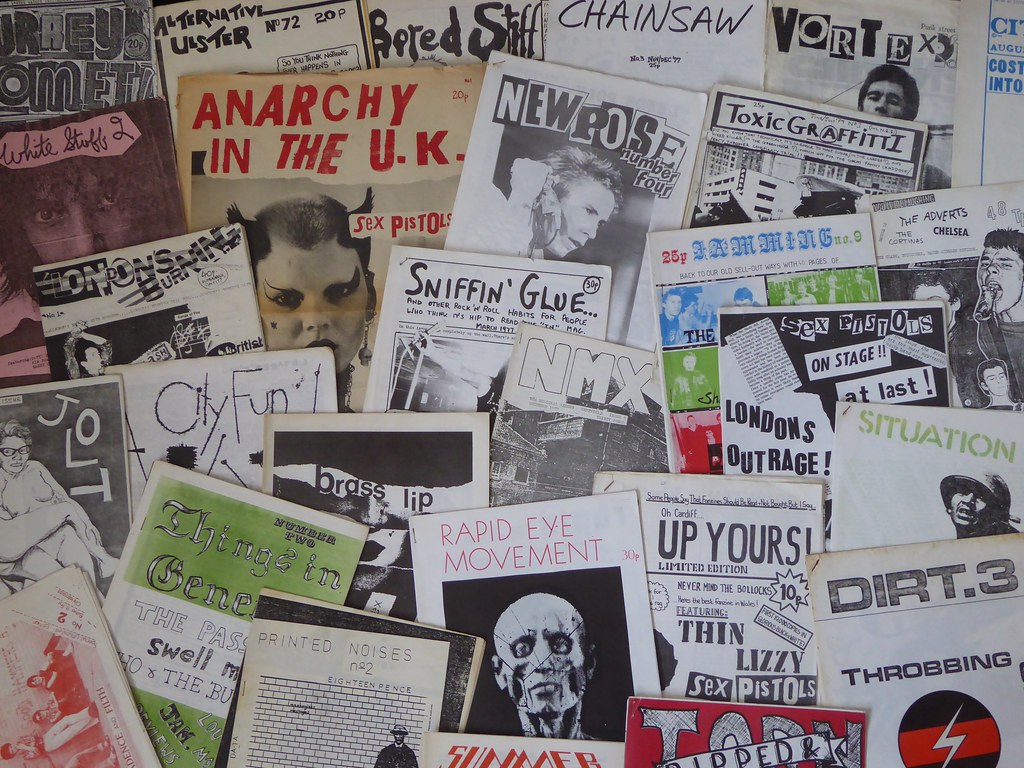
A table at the festival displays an array of zines covering topics from tech skepticism to social media critiques. These handcrafted publications offer insights into resisting digital consumption.
Festival-goers can peruse these zines to gain a deeper understanding of the movement’s philosophy and practical tips for reducing tech dependence.
6. A Unique Spokesperson
The festival’s spokesperson is Gowanus, a blue cloth puppet with soda-cap eyes, who communicates the event’s message without revealing the organizers’ identities. This creative approach maintains anonymity while engaging the public.
Gowanus embodies the festival’s playful and unconventional spirit, capturing the attention of attendees and media alike.
5. A Focus on Community

The festival is not just about rejecting technology but also about fostering community connections. Events such as a beach day, cookout, and East Village gatherings encourage face-to-face interaction.
This emphasis on community is a central tenet of the festival, highlighting the importance of human connection in a tech-saturated world.
4. Gen Z’s Role

Despite being the first generation to grow up with digital technology, many Gen Z attendees are leading the charge against tech’s dominance. Their involvement underscores a growing skepticism of tech’s impact on society.
This demographic’s participation reflects a broader movement among young people seeking to reclaim their attention and autonomy from digital distractions.
3. Political Undertones

The festival is inherently political, addressing issues like AI’s role in military operations and the pervasive surveillance culture. Discussions and talks provide a platform for critical engagement with these topics.
By challenging the status quo, the festival encourages attendees to think critically about the intersection of technology, politics, and personal freedom.
2. A Platformless Presidential Run
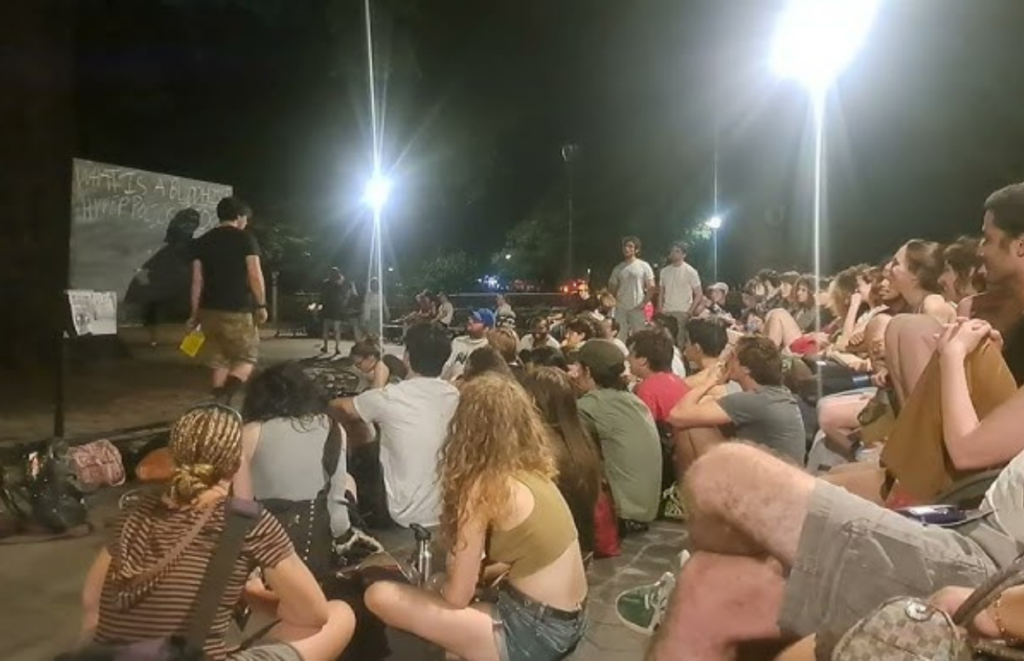
As part of the festival, Dan Fox announced his run for president without the use of digital platforms. This bold move highlights the festival’s commitment to offline engagement and challenges conventional political campaigning.
Fox’s campaign serves as a statement against digital dependency, inspiring others to consider non-traditional approaches to activism and leadership.
1. The Spirit of Defiance
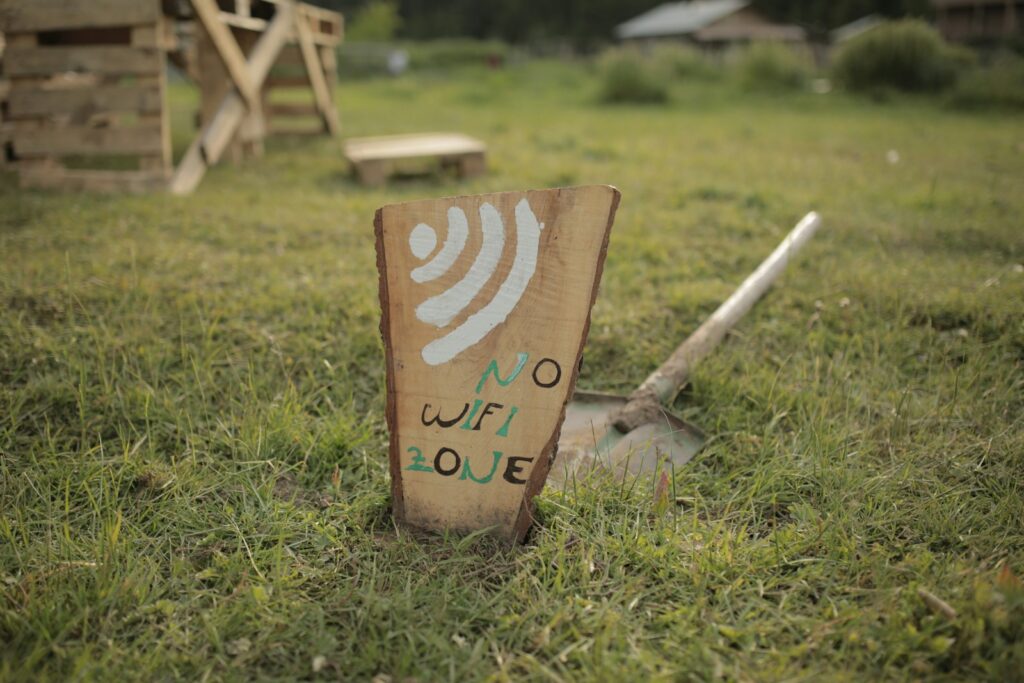
Above all, the Luddite Festival embodies a spirit of defiance against the consumption-driven digital world. It serves as a reminder of the value of presence, creativity, and community in an increasingly virtual society.
By promoting offline interactions and critical thinking, the festival invites participants to reimagine their relationship with technology and embrace a more intentional way of living.
Read More:
- 11 Ways Gen Z Is Rediscovering the Analog Life
- 10 Ways Intimacy Looks Different for Gen Z
- 10 Reasons Gen Z Singles Are Embracing ‘Solomaxxing’