
Despite the widespread assertion that people trust science, the reality is more nuanced. Surveys indicate that while many express trust in scientists, their acceptance of particular findings can still be influenced by personal values and social influences. This dichotomy suggests a complex relationship between the public and scientific consensus.
Psychological distance, social relevance, and personal interests all play significant roles in shaping people’s trust in science. Here are nine reasons why trust in science is more complicated than it seems.
9. Trust Versus Belief

While 90 percent of people claim to trust science, nearly half of them only trust science that aligns with their beliefs.
This suggests that personal values and social environments can influence whether someone accepts a particular scientific conclusion, complicating the straightforward notion of scientific trust.
8. Psychological Closeness
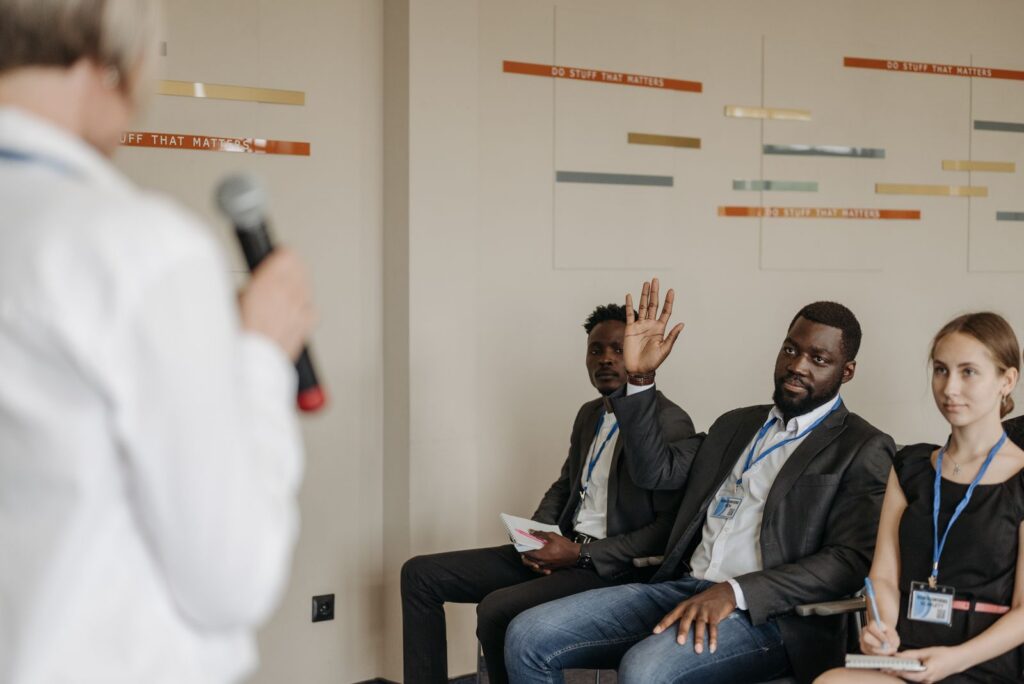
Individuals who feel psychologically distant from science may be more likely to express skepticism toward it.
Lack of exposure to scientific activities or communities can make science seem irrelevant, reducing trust and engagement.
7. Relevance to Daily Life

People are more likely to trust science that they see as directly impacting their lives.
Scientific topics that seem distant or abstract, including the long-term effects of climate change, are often dismissed unless they are shown to have immediate local relevance.
6. Influence of Leadership

Leaders play a crucial role in shaping public trust in science, as demonstrated by policy decisions on vaccinations.
When leaders undermine scientific consensus, it can lead to public skepticism and adverse health outcomes, as seen in military flu outbreaks.
5. Social Distance and Vaccination
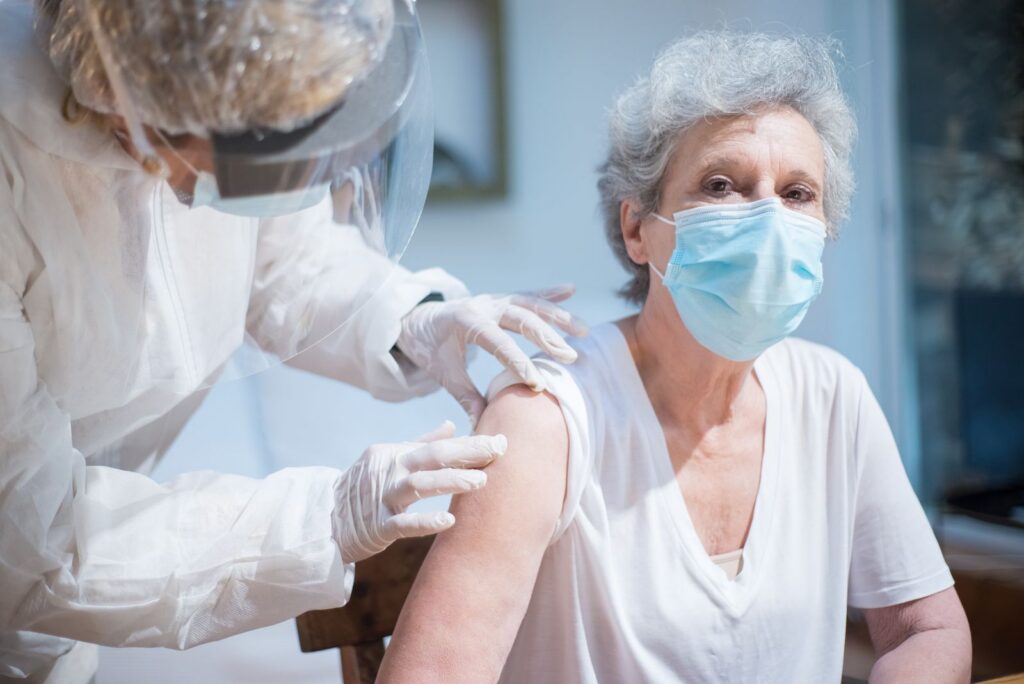
People who feel socially distant from science are more hesitant about vaccines.
Understanding the societal benefits of vaccination, such as herd immunity, increases trust and willingness to vaccinate.
4. Trust in Scientists
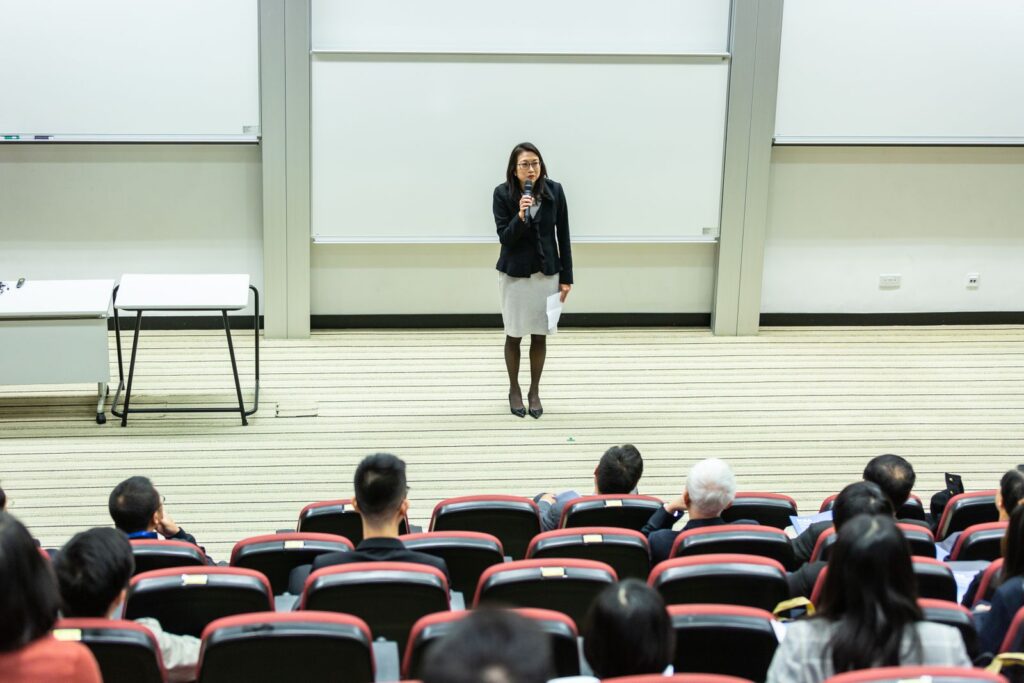
Scientists are generally considered trustworthy, often more so than other professions.
However, trust diminishes when scientific findings conflict with personal or economic interests.
3. Economic Interests
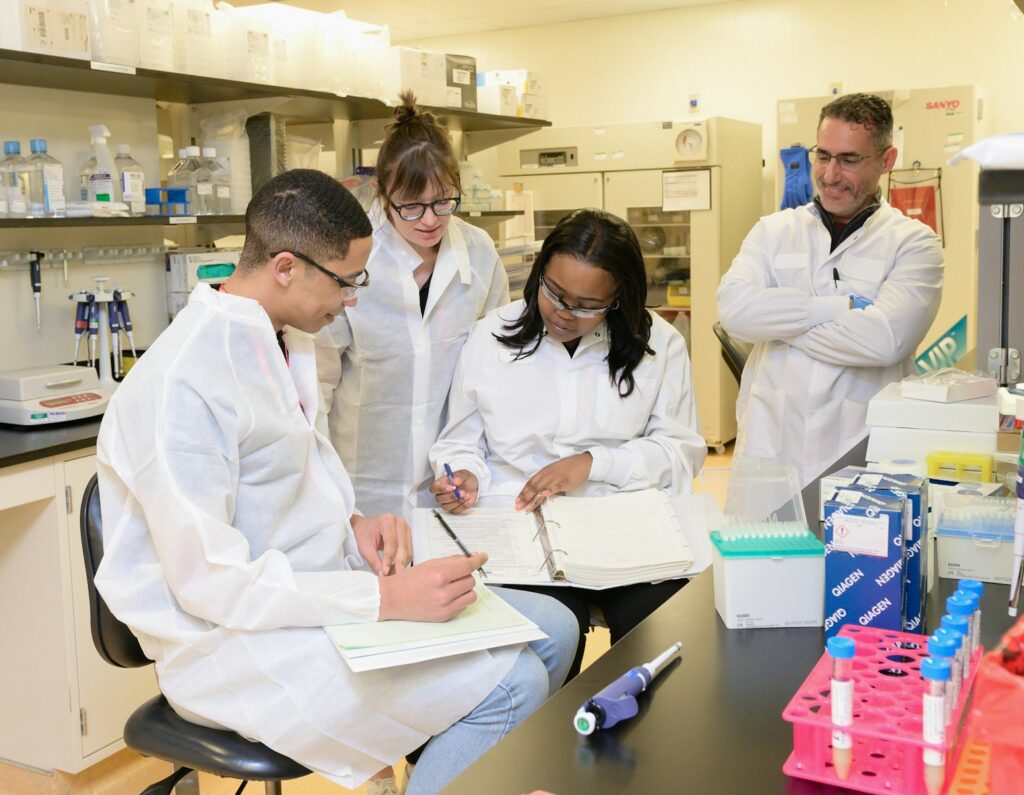
Economic interests can lead to selective trust in science.
Industries may support research that aligns with their goals, influencing public perception and trust.
2. Social Media Influence

Social media creates echo chambers that reinforce existing beliefs.
This environment can diminish the perceived need for scientific validation and fact-checking.
1. Skepticism as a Scientific Principle

Skepticism is fundamental to scientific inquiry, yet it is often misunderstood by the public.
True scientific skepticism involves questioning results and seeking evidence, not dismissing science altogether.
Read More:
- 9 Reasons Science Is Now Taking UFOs Seriously
- 10 Science-Backed Hobbies to Conquer Burnout
- 10 Times Science Fiction Predicted the Future