

For millions of people, silence isn’t actually silent. Instead, it’s filled with ringing, buzzing, hissing, clicking, humming, or whooshing sounds that seem to come from nowhere.
This condition, known as tinnitus, affects an estimated 15% of adults and can range from a minor annoyance to a daily challenge that impacts concentration, sleep, and emotional well-being. While there isn’t currently a universal cure, there are many effective ways to reduce the impact tinnitus has on your life.
Understanding what causes tinnitus and learning practical management strategies can help you regain a sense of control and quiet the distress, even when the sound itself remains.
10. Tinnitus Is More Common Than Most People Realize
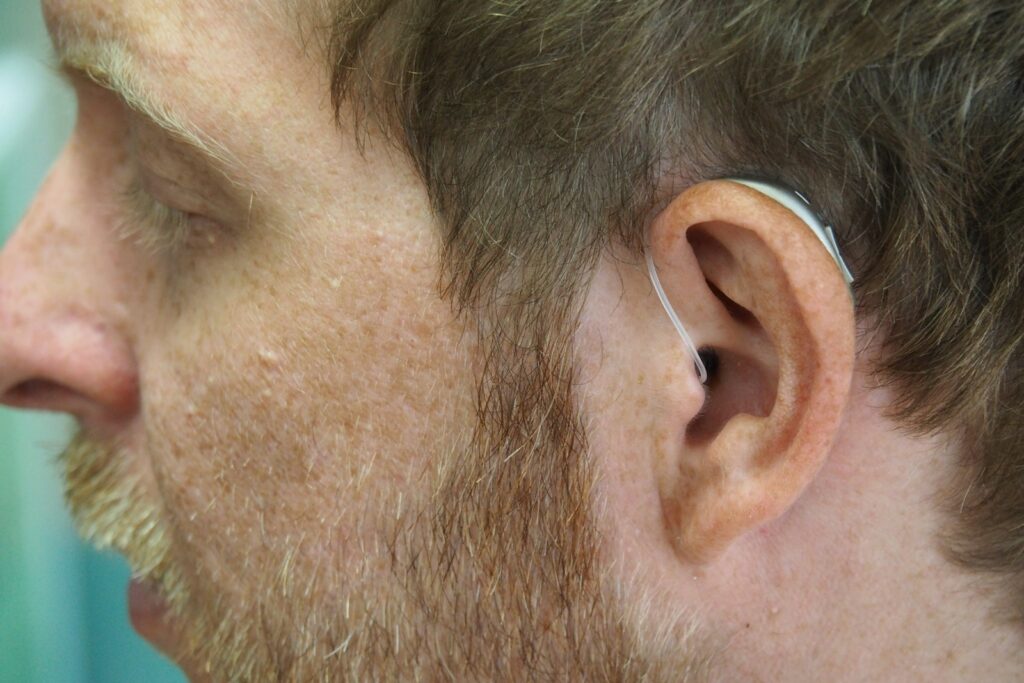
If you’re experiencing tinnitus, you’re far from alone.
Millions of people experience some form of tinnitus, whether occasionally or continuously. For many, symptoms are mild and temporary. For others, the sounds become persistent and require active management.
The good news is that tinnitus itself is a symptom, not a disease. Understanding what’s causing it is often the first step toward finding relief.
9. Hearing Loss Is One of the Most Common Triggers

One of the strongest links researchers have identified is between tinnitus and hearing loss.
As hearing changes occur due to aging, noise exposure, or nerve damage, the brain sometimes compensates by generating phantom sounds. This may explain why tinnitus often appears alongside hearing difficulties, even when hearing loss seems mild.
In some cases, specialized testing may reveal subtle auditory damage that doesn’t appear on standard hearing exams.
8. Loud Noise Exposure Can Create Lasting Changes

Years of exposure to loud sounds can damage delicate structures inside the inner ear.
Common sources include:
- Concerts and music venues
- Power tools
- Construction equipment
- Firearms
- Industrial workplaces
- Personal audio devices at high volume
Protecting your hearing now can help prevent tinnitus from worsening in the future.
7. Some Medications May Make Symptoms Worse

Certain medications are known to trigger or intensify tinnitus in some individuals.
Possible culprits include:
- High doses of aspirin
- Certain antibiotics
- Some chemotherapy medications
- Loop diuretics
- Specific anti-inflammatory medications
Never stop prescribed medication without medical guidance, but it’s worth discussing any concerns with your healthcare provider.
6. Stress and Anxiety Can Amplify the Ringing

Many people notice that tinnitus becomes louder during stressful periods.
This doesn’t mean the sound is imaginary. Rather, stress increases the brain’s sensitivity to internal signals, making tinnitus feel more noticeable and intrusive.
When anxiety levels rise, the nervous system becomes hypervigilant, causing the brain to focus more intensely on the sound.
This is why stress management often plays a major role in successful tinnitus treatment plans.
5. Sound Therapy Can Make a Big Difference

One of the most effective tinnitus management tools is sound therapy.
Adding gentle background sounds can help reduce the contrast between tinnitus and silence.
Popular options include:
- White noise machines
- Rain sounds
- Ocean waves
- Fans
- Nature recordings
- Specialized tinnitus apps
Many people find symptoms become less noticeable when the brain has other sounds to process.
4. Sleep Support Is Often Part of Treatment

Tinnitus frequently feels worse at night because the world becomes quieter.
Unfortunately, poor sleep can then increase stress and make tinnitus feel even more disruptive the next day.
Helpful strategies include:
- Using a sound machine
- Maintaining consistent sleep schedules
- Limiting caffeine late in the day
- Practicing relaxation exercises before bed
- Keeping the bedroom cool and comfortable
Improving sleep quality often improves overall tinnitus tolerance.
3. Cognitive Behavioral Therapy Can Reduce Distress

One of the most researched treatments for chronic tinnitus is cognitive behavioral therapy (CBT).
CBT doesn’t eliminate the sound itself. Instead, it helps change the emotional response to the sound.
Over time, many people learn to:
- Feel less anxious about tinnitus
- Stop monitoring it constantly
- Reduce frustration and fear
- Improve concentration and sleep
For many patients, this dramatically improves quality of life.
2. Movement and Relaxation Can Help Calm Symptoms

Because stress often worsens tinnitus, activities that regulate the nervous system can be valuable.
Many people report improvements through:
- Walking
- Yoga
- Gentle stretching
- Meditation
- Breathwork
- Progressive muscle relaxation
These practices help lower stress hormones and reduce the body’s overall state of tension.
Even a few minutes of daily relaxation can make symptoms feel more manageable.
1. A Proper Evaluation Is Worth It

Persistent tinnitus should always be evaluated by a healthcare professional.
An audiologist can assess hearing function, while an ENT specialist can rule out underlying medical causes such as:
- Earwax blockages
- Ear infections
- Eardrum problems
- Structural abnormalities
- Circulatory issues
- Certain neurological conditions
The sooner you understand what’s contributing to your symptoms, the sooner you can begin building an effective management plan.
Questions to Ask Your Healthcare Provider

If you’re seeking help for tinnitus, consider asking:
- What may be causing my tinnitus?
- Do I have any hearing loss?
- Should I see both an audiologist and an ENT specialist?
- Would hearing aids or sound therapy help?
- Are any medications contributing to my symptoms?
- What treatment options are most appropriate for my situation?
Bringing a list of symptoms, triggers, and questions can help you get the most from your appointment.
Living Well With Tinnitus

Tinnitus can be frustrating, especially when it first appears. But many people find that symptoms become far less disruptive once they understand what’s happening and develop effective coping strategies.
Protecting your hearing, managing stress, improving sleep, and working with qualified healthcare providers can all make a meaningful difference. While tinnitus may not disappear completely, it doesn’t have to dominate your attention or diminish your quality of life.
With the right support and tools, many people learn not just to manage tinnitus, but to thrive despite it.
Read More:
- 15 Tiny Mindset Changes That Can Improve Your Mental Health
- The 10 Most Important Questions to Bring to Your Next Doctor Visit
- 15 Health Mistakes Doctors See Every Day