

Most people have had at least one job where they spent more time watching the clock than actually working. The paycheck arrives, but the enthusiasm definitely does not.
That’s why the idea of turning a passion into a career is so appealing. Whether you love art, animals, fitness, gardening, writing, music, or something completely niche, there’s a good chance someone, somewhere, has figured out how to make money doing it. The trick is figuring out how to turn that interest into something sustainable.
Start by Figuring Out What You Actually Enjoy

This sounds obvious, but many people skip it. A hobby you casually like and a passion you want to build a career around are not always the same thing.
Pay attention to the activities you naturally gravitate toward, the topics you can talk about endlessly, and the work you enjoy even when nobody is forcing you to do it.
Be Realistic About the Career Side of It

Loving something doesn’t automatically mean you’ll love every part of turning it into a job. A passion-based career still comes with deadlines, budgeting, marketing, emails, and occasionally dealing with people who use phrases like “quick sync.”
Research what day-to-day life in the field actually looks like before jumping in.
Research Careers You May Not Have Considered

Most passions connect to far more jobs than people realize. Someone interested in music could work in performance, production, education, audio engineering, licensing, or marketing.
The same goes for art, fitness, gaming, animals, or plants. Sometimes the perfect career is adjacent to the passion, not the most obvious version of it.
Build Skills Before You Quit Your Job

You do not need to dramatically storm out of your office tomorrow while declaring yourself a full-time ceramic artist. In fact, please don’t.
Start by developing skills gradually through classes, certifications, online tutorials, workshops, or side projects. Testing things slowly is usually smarter—and less financially terrifying.
Experience Matters More Than You Think

Practical experience often matters just as much as formal education. Volunteer, freelance, intern, create personal projects, or help local organizations build your portfolio and confidence.
Even small opportunities help you learn what you enjoy and what you absolutely do not.
Networking Is Annoying… But Important

Unfortunately, many opportunities come from connections. The good news is networking doesn’t have to mean aggressively handing out business cards at conferences.
It can be as simple as joining online communities, attending workshops, participating in local events, or building relationships with people already working in your field.
Learn How to Market Yourself

Being talented is helpful. Being visible is usually more important.
Whether you’re an artist, trainer, writer, musician, or entrepreneur, you’ll likely need some combination of social media, networking, personal branding, or portfolio building to help people discover your work.
Multiple Income Streams Are Common

Many passion-driven careers don’t start with one giant paycheck. Instead, people often combine several smaller income sources while building momentum.
A photographer might shoot weddings, sell prints, and teach classes. A fitness coach may train clients while creating online content. Flexibility matters early on.
Some Passions Need Credentials
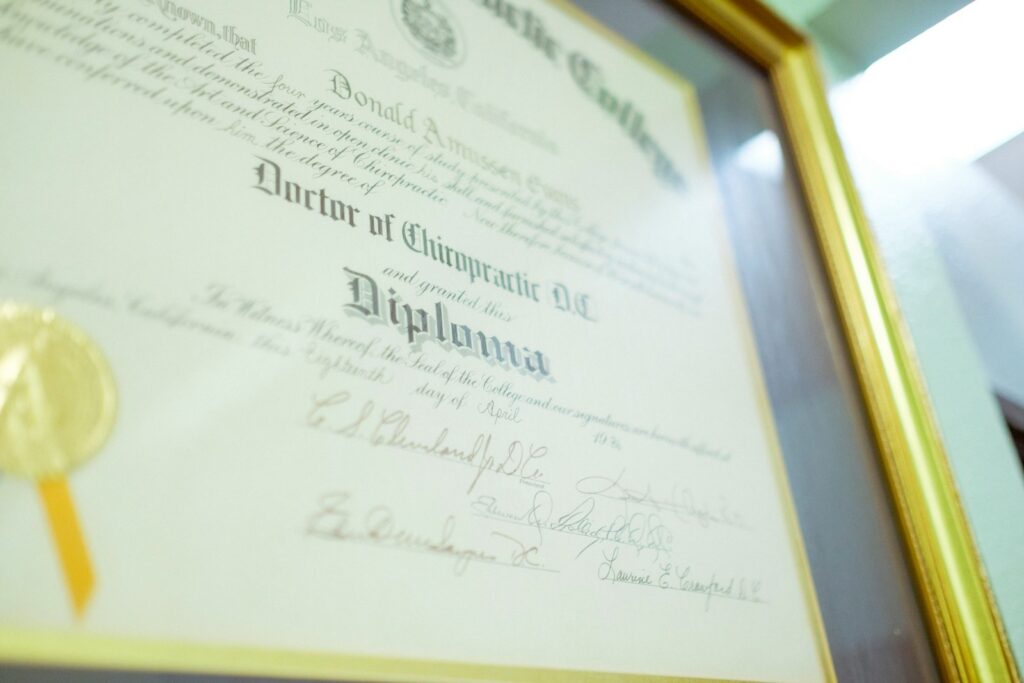
Not every passion can become a career overnight. Fields like counseling, education, veterinary medicine, or psychology often require degrees, certifications, or licensing.
Before committing, research the time, cost, and training involved so there are no unpleasant surprises later.
Expect the Process to Take Time

Most successful careers are built gradually. Social media can make it seem like everyone became wildly successful overnight, but usually, there are years of work happening behind the scenes.
Progress often looks less like a movie montage and more like answering emails at 11 PM while wondering if you’ve made a huge mistake.
Passion Alone Isn’t Enough

This is the part people don’t always like hearing: passion matters, but consistency matters more. Skills improve through repetition, discipline, and persistence.
The people who succeed are usually the ones who keep showing up long after the initial excitement wears off.
It’s Okay if Your Career Evolves

Many people start in one area and eventually pivot into something related but different. Your interests, priorities, and goals can change over time.
The important thing is building a career that feels meaningful, sustainable, and aligned with the life you actually want—not just the version that looks good on social media.
A Career You Care About Feels Different

No job is perfect, even when it’s built around something you love. There will still be stress, hard days, and moments where you question your choices.
But working toward something meaningful feels very different from simply counting the hours until Friday. And honestly, that alone can make the effort worth it.
Read More:
- 10 Common Work Habits That Secretly Hold You Back Financially
- 10 Career Moves That Seem Smart in Your 20s but Hurt You Later
- 15 Resume Mistakes That Could Cost You the Job