
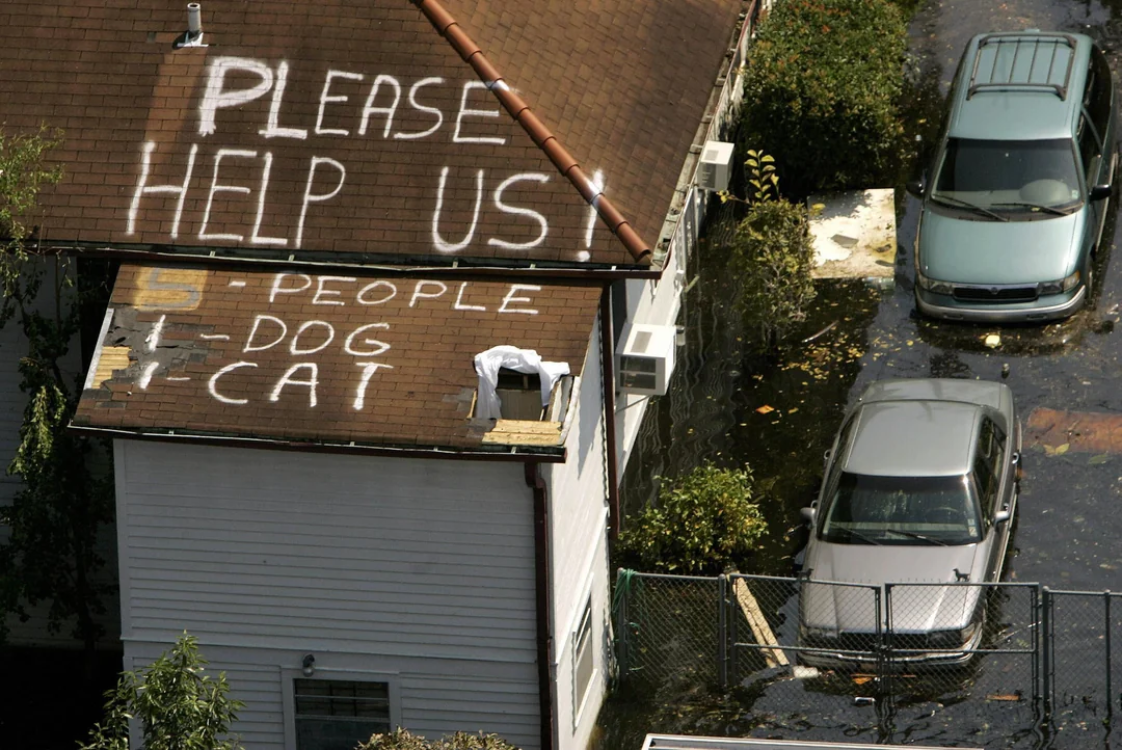
In August 2005, Hurricane Katrina struck the Gulf Coast with ferocity, becoming one of the most catastrophic natural disasters in U.S. history. The storm’s impact was felt across Louisiana, Mississippi, and Alabama, with New Orleans suffering some of the most severe consequences. The hurricane’s aftermath highlighted significant failures in disaster management and left lasting scars on the affected communities.
The storm’s legacy is a complex tapestry of human resilience, governmental shortcomings, and environmental devastation. Here are 10 unforgettable moments from Hurricane Katrina’s impact.
10. Katrina’s Initial Landfall in Florida
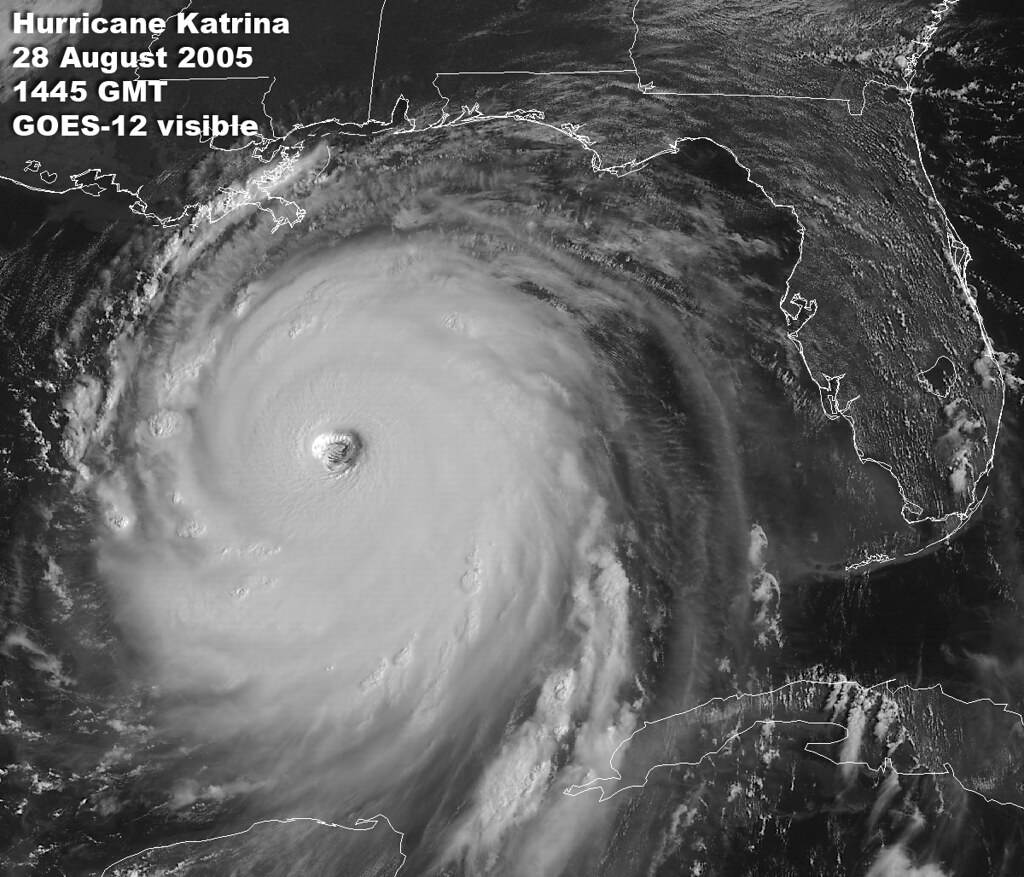
Hurricane Katrina first made landfall in Florida as a Category 1 storm. Despite its relatively weaker intensity, it caused fatalities, flooding, property damage, and widespread power outages..
The storm knocked out power for about 1 million people and caused about $630 million in damages before moving into the Gulf of Mexico to gather strength.
9. Strengthening Over the Gulf of Mexico
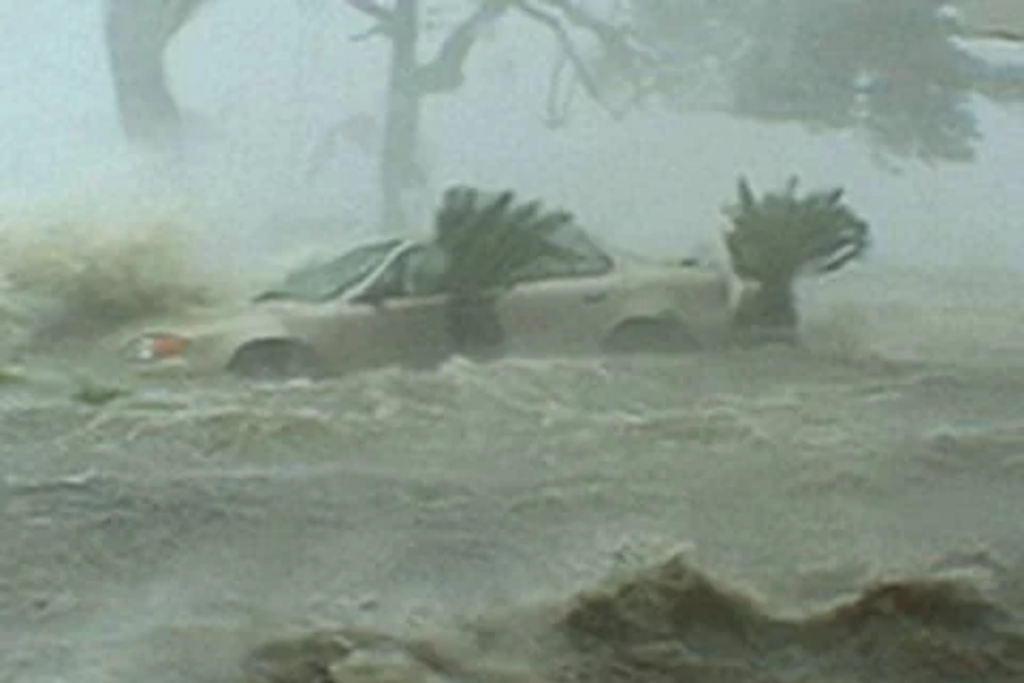
After crossing Florida, Katrina stalled over the warm waters of the Gulf of Mexico, rapidly intensifying.
The storm reached Category 5 status with winds of 175 mph, setting the stage for devastating landfall on the Gulf Coast.
8. Catastrophic Landfall on the Gulf Coast
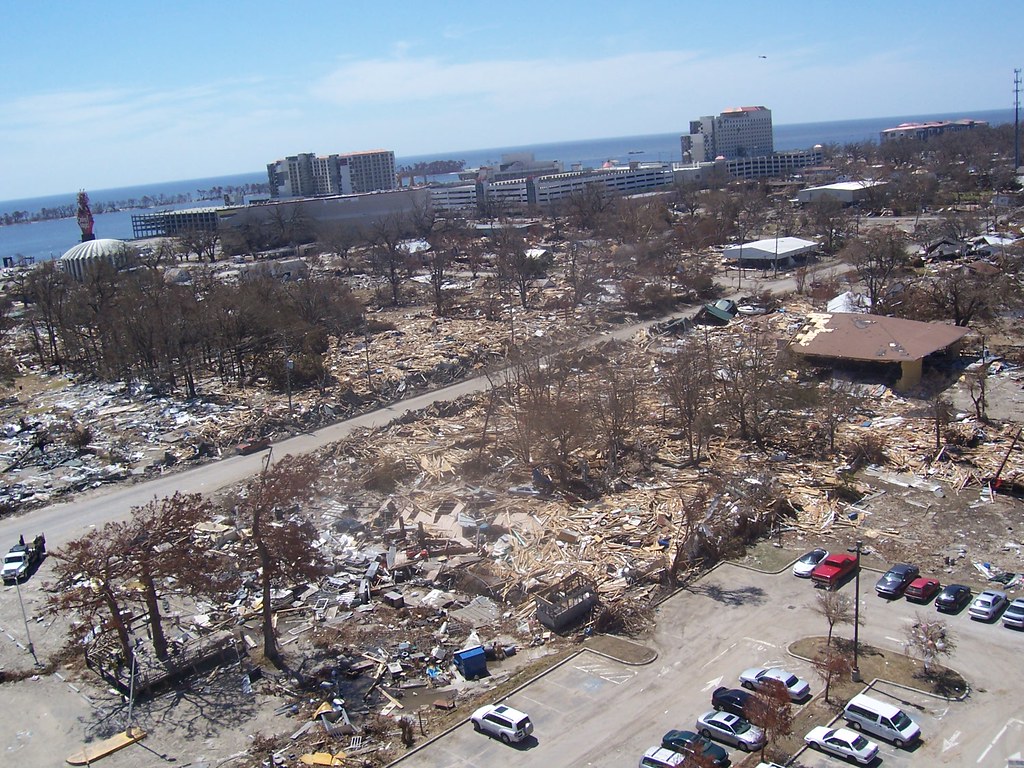
On August 29, 2005, Katrina made its Gulf Coast landfall near Buras, Louisiana, as a Category 3 hurricane.
The storm’s enormous size, powerful winds, and destructive storm surge caused massive destruction, particularly along the Mississippi coast, including Biloxi and Gulfport.
7. Failure of New Orleans’ Levee System
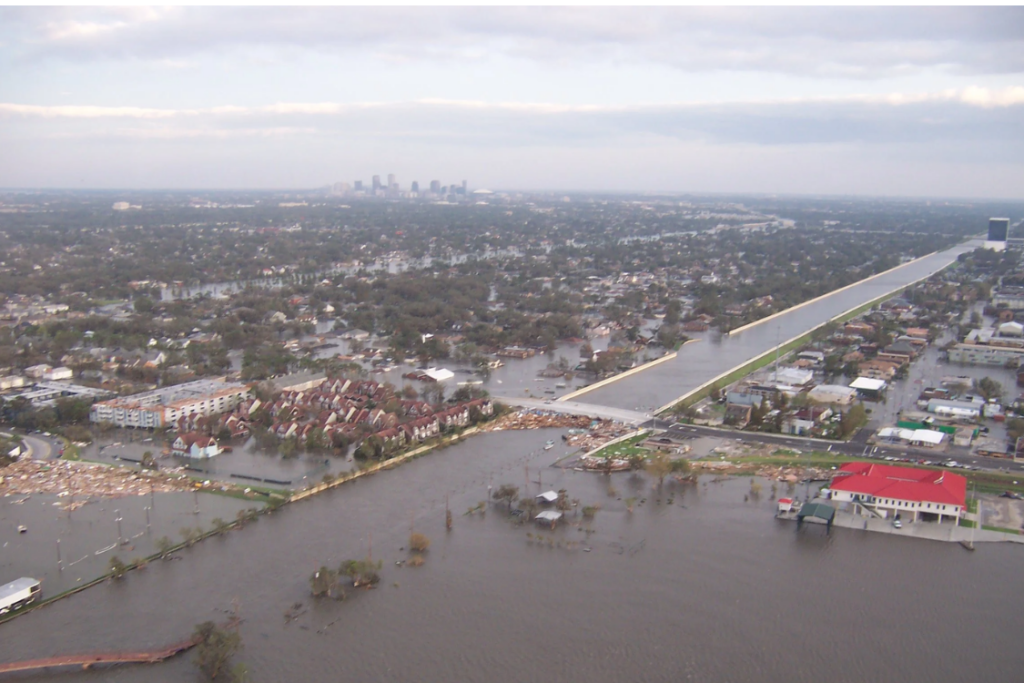
New Orleans’ levee system, designed to protect the city, catastrophically failed under the storm’s pressure.
As levees and floodwalls failed, 80% of the city was flooded, leaving thousands stranded and prompting a massive rescue effort.
6. Chaos at the Superdome
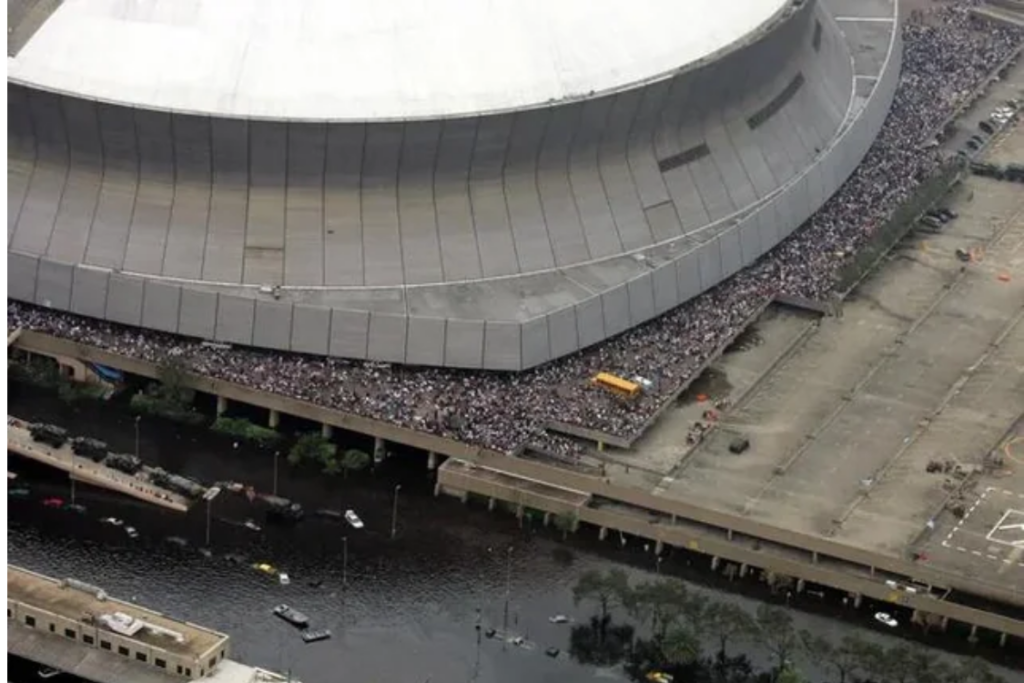
The New Orleans Superdome, a designated shelter of last resort, became a symbol of the chaos and desperation during the storm.
With over 10,000 people inside, the facility’s roof was compromised, and conditions deteriorated rapidly.
5. Surge in Rescue Operations
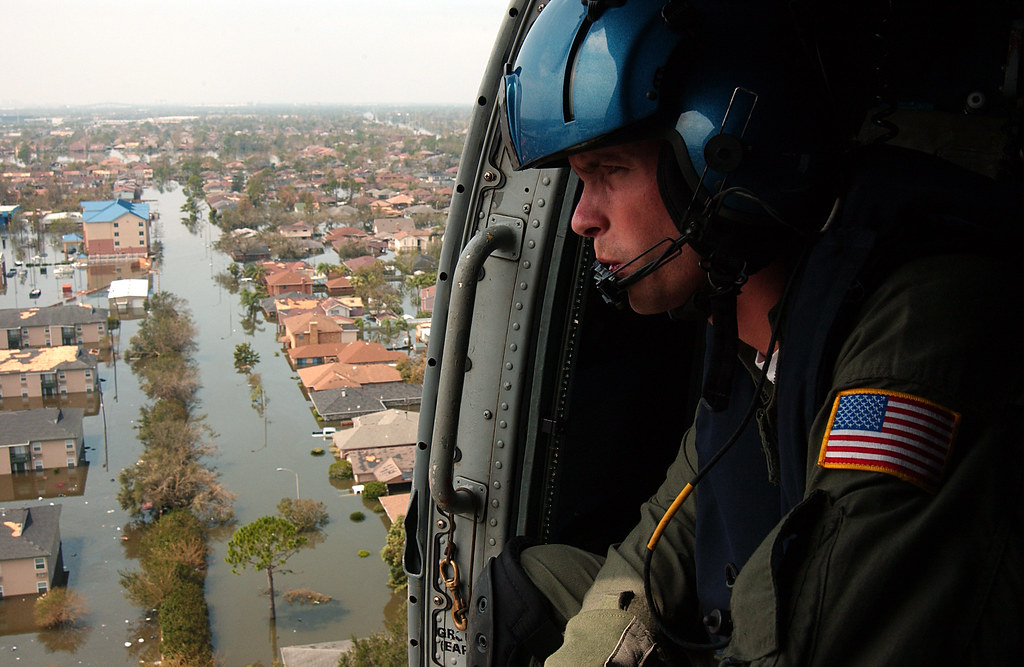
In the aftermath, rescue operations became a focal point as thousands were stranded on rooftops and in flooded areas.
Approximately 60,000 people were rescued by various groups, showcasing both bravery and the dire need for immediate aid.
4. Humanitarian Crisis Unfolds
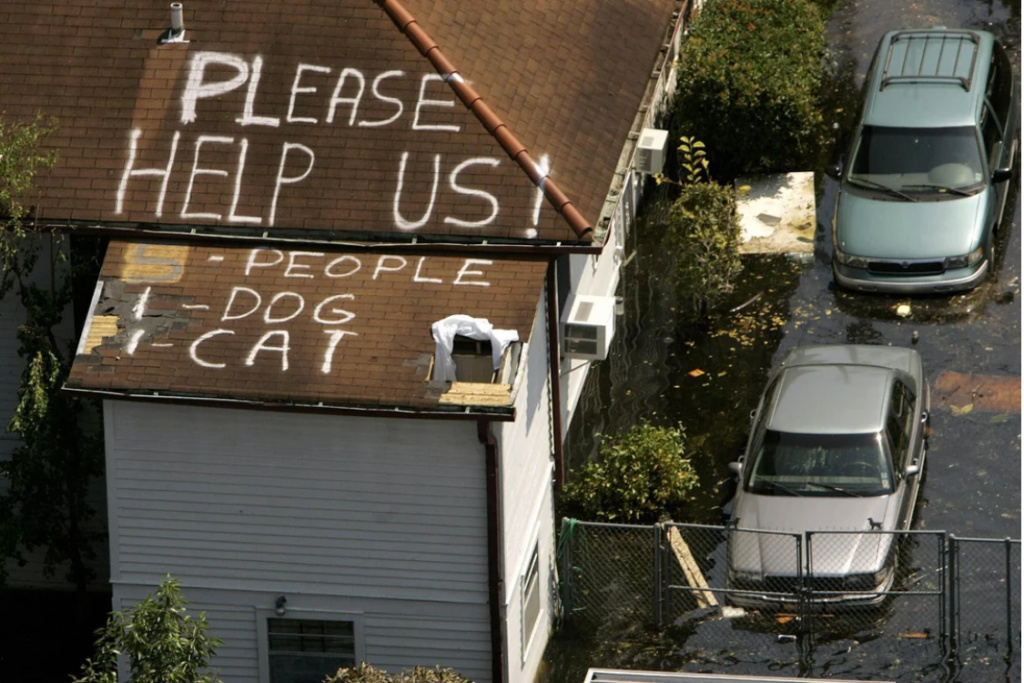
As supplies dwindled, the humanitarian crisis deepened, with reports of violence and looting emerging.
The lack of food, water, and security exacerbated the suffering of those trapped in the city, drawing criticism of the response efforts.
3. Overcrowding in Emergency Shelters
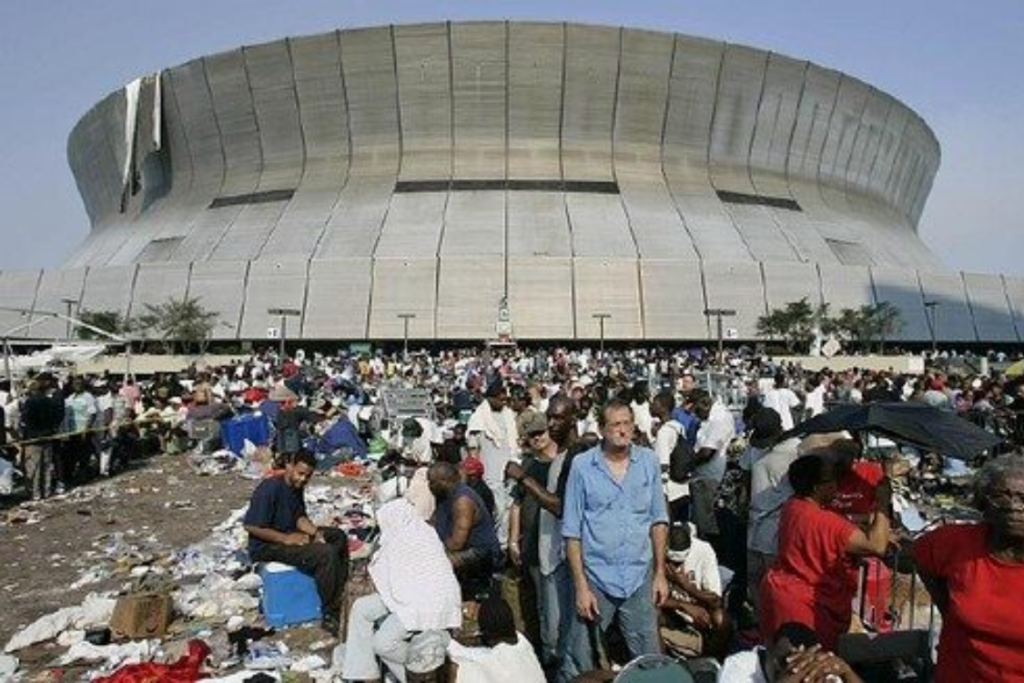
Emergency refuge sites like the Superdome and the Convention Center became overcrowded, housing tens of thousands of evacuees.
Conditions were dire, with inadequate facilities and resources to support the massive influx of people seeking refuge.
2. Military Intervention and Aid
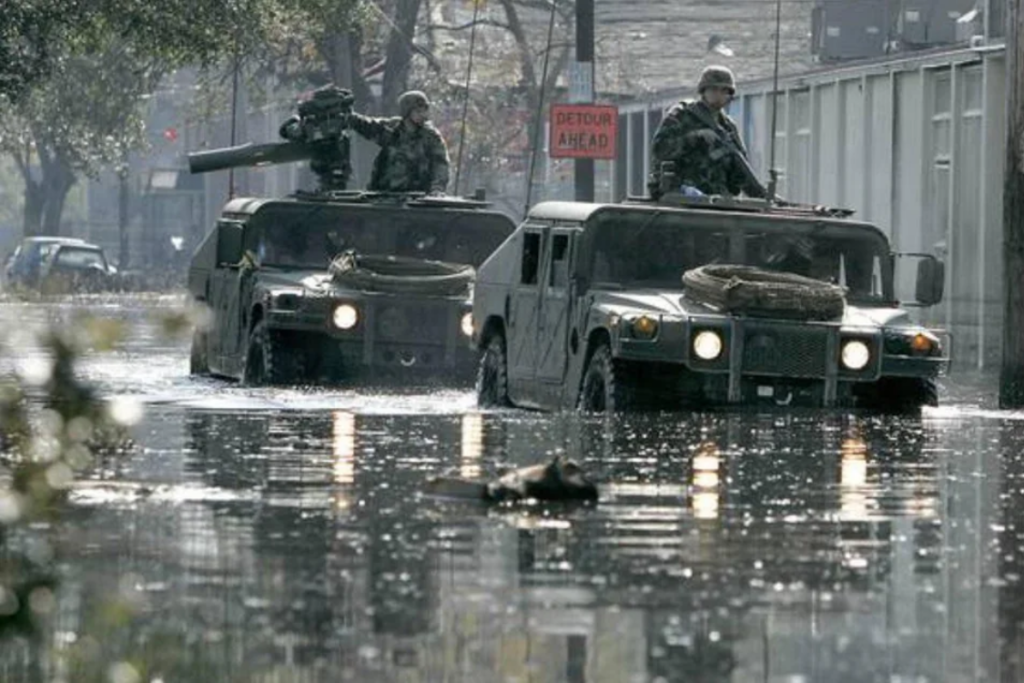
The military played a crucial role in delivering aid and restoring order amid the chaos that ensued after the storm.
Troops were deployed to assist with evacuations, distribute supplies, and maintain security in the affected areas.
1. Long-term Impact and Recovery
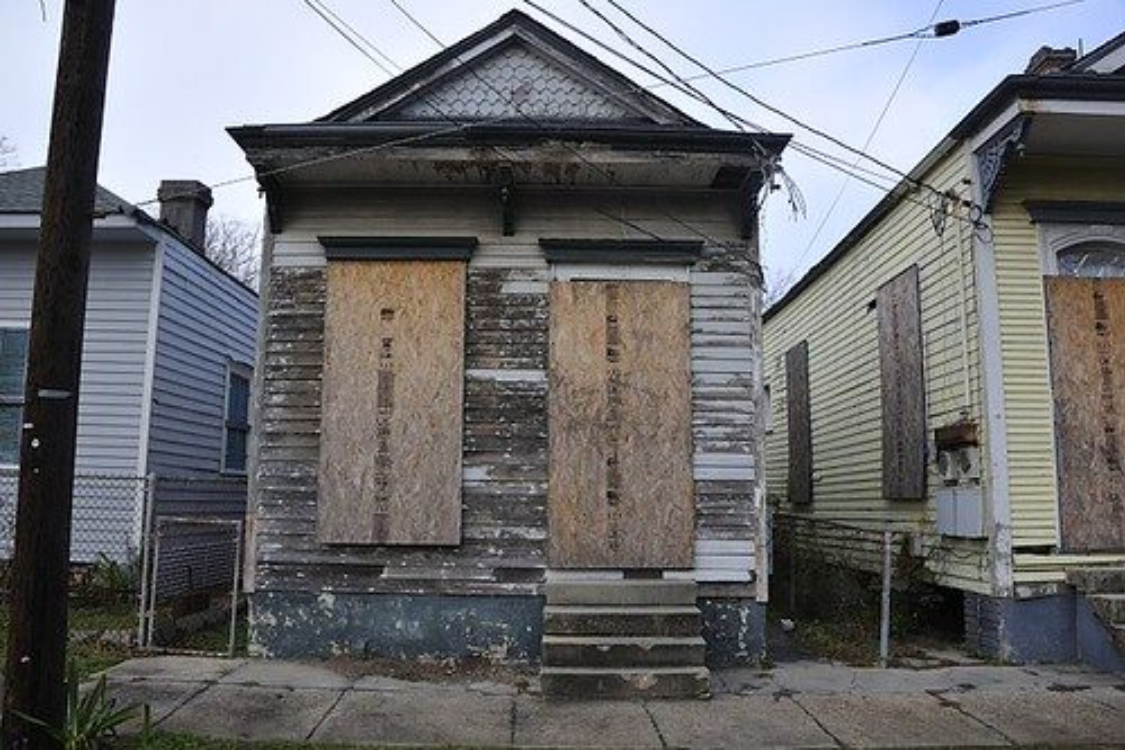
The long-term impact of Hurricane Katrina is still felt today, with recovery efforts continuing years after the storm.
The disaster prompted significant changes in emergency management policies and highlighted the need for better preparedness for future hurricanes.
Read More:
- 10 Times America Rallied From Hard Times
- The 15 Most Overrated Places to Retire (And What’s Actually Worth It)
- The Most Chilling Urban Legend in Every State