

Television has been a staple of entertainment for decades, but concerns about its impact on brain health are growing. Recent studies suggest that excessive TV watching during midlife may have significant consequences for cognitive function and brain structure.
While sitting is often blamed for health issues, the type of activity performed while seated appears to play a crucial role. Watching television may pose unique risks that other sedentary activities do not.
Here are 9 ways that too much TV in midlife can affect your brain health:
9. Shrinking Memory Regions

Research indicates that heavy TV viewers have smaller volumes in brain areas linked to memory.
This reduction in size is associated with early signs of Alzheimer’s disease, highlighting the long-term impact of excessive TV watching on memory retention.
8. Reduced Frontal Lobe Volume
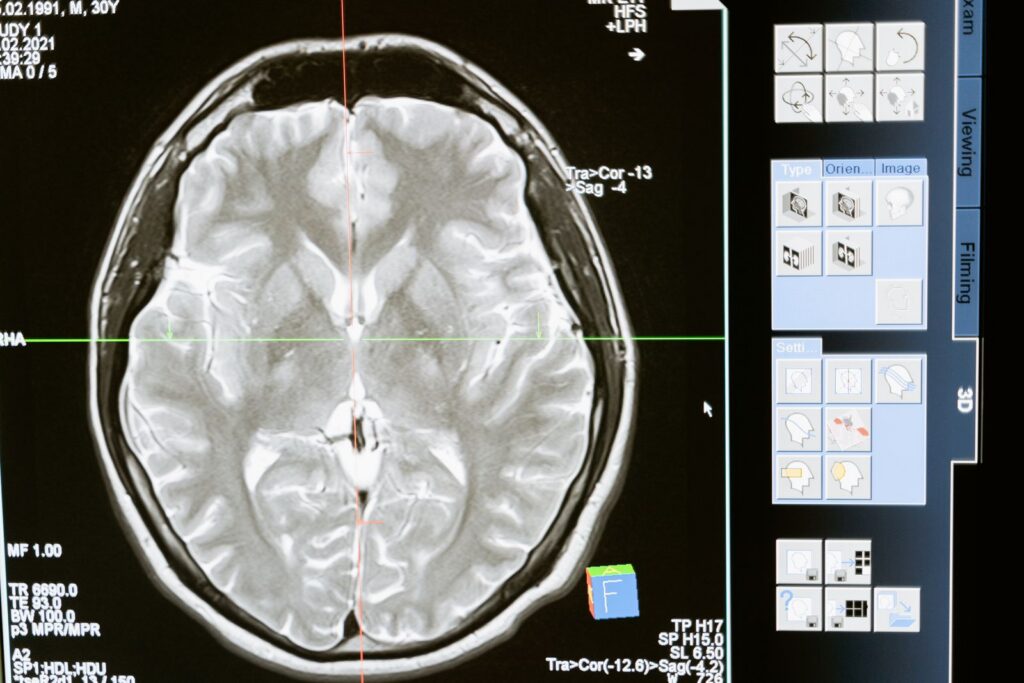
Frequent TV watchers show a decrease in the size of their frontal lobes.
The frontal lobes are crucial for planning, decision-making, and executive functions, making their reduction a serious concern for cognitive health.
7. Occipital Lobe Changes

The occipital lobes, essential for visual processing, are also affected by excessive TV watching.
Changes in this region could impact how visual information is processed and interpreted, affecting overall perception.
6. Increased White Matter Damage

Heavy TV viewers exhibit more white matter hyperintensities, which are linked to cognitive decline.
These hyperintensities indicate small blood vessel disease in the brain, which can lead to reduced cognitive abilities over time.
5. Not Just About Sitting

The study found that sitting itself wasn’t the main issue; rather, it was the passive nature of watching TV.
Other sedentary activities, particularly those involving mental engagement, did not show the same negative brain impacts, suggesting the importance of active mental engagement.
4. Greater Impact on Men

The study revealed that men might be more susceptible to the brain effects of excessive TV viewing.
This gender difference suggests a need for targeted research to understand why men are more affected and how interventions can be tailored accordingly.
3. Implications for Cognitive Decline

The structural brain changes linked to TV viewing are associated with cognitive decline and dementia.
Understanding these connections can help in developing strategies to mitigate risks and promote healthier aging.
2. Need for Specific Health Recommendations

The findings suggest that health advice should go beyond general sitting guidelines.
Future recommendations may need to emphasize reducing television time and encouraging more mentally stimulating seated activities.
1. Encouraging Mentally Engaging Activities

Experts suggest replacing passive TV time with activities that engage the mind.
Such activities could include reading, puzzles, or learning new skills, which may help maintain brain health and cognitive function as we age.
Read More:
- 10 Ways Constant Screens Are Affecting Children’s Basic Skills
- 9 Ways Gen X is Redefining Relationships in Midlife
- 9 Things to Know About Midlife Awakenings