
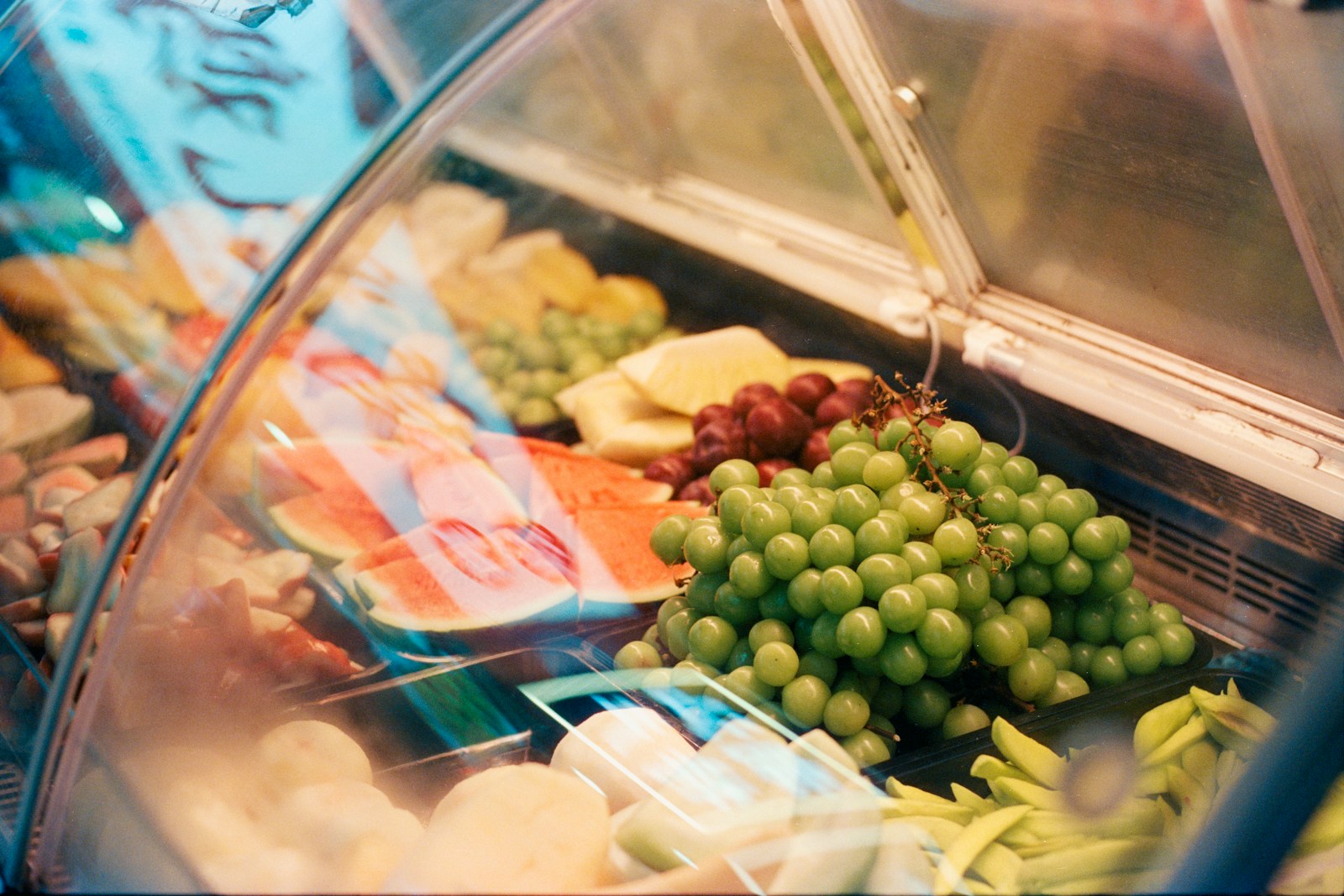
It’s hard to imagine modern life without refrigerators. We open them dozens of times a week without thinking about how dramatically they transformed the way humans eat, shop, cook, and preserve food.
Before refrigeration became common in homes, keeping food fresh was a daily challenge. Families relied on salting, smoking, drying, fermenting, and frequent shopping trips to avoid spoilage. Seasonal eating wasn’t a lifestyle choice—it was a necessity.
The arrival of refrigeration changed all of that. Here are 10 ways refrigerators transformed our diets and reshaped food culture around the world.
10. Fresh Food Could Last Longer

Before refrigeration, many foods had to be eaten quickly or preserved through labor-intensive methods.
Milk soured rapidly, meat spoiled within days, and leftovers were often risky to keep. Refrigeration dramatically extended the shelf life of perishable foods, reducing waste and making fresh ingredients more practical for everyday households.
What once required daily shopping could now last for days or even weeks.
9. People Began Eating More Fresh Produce Year-Round
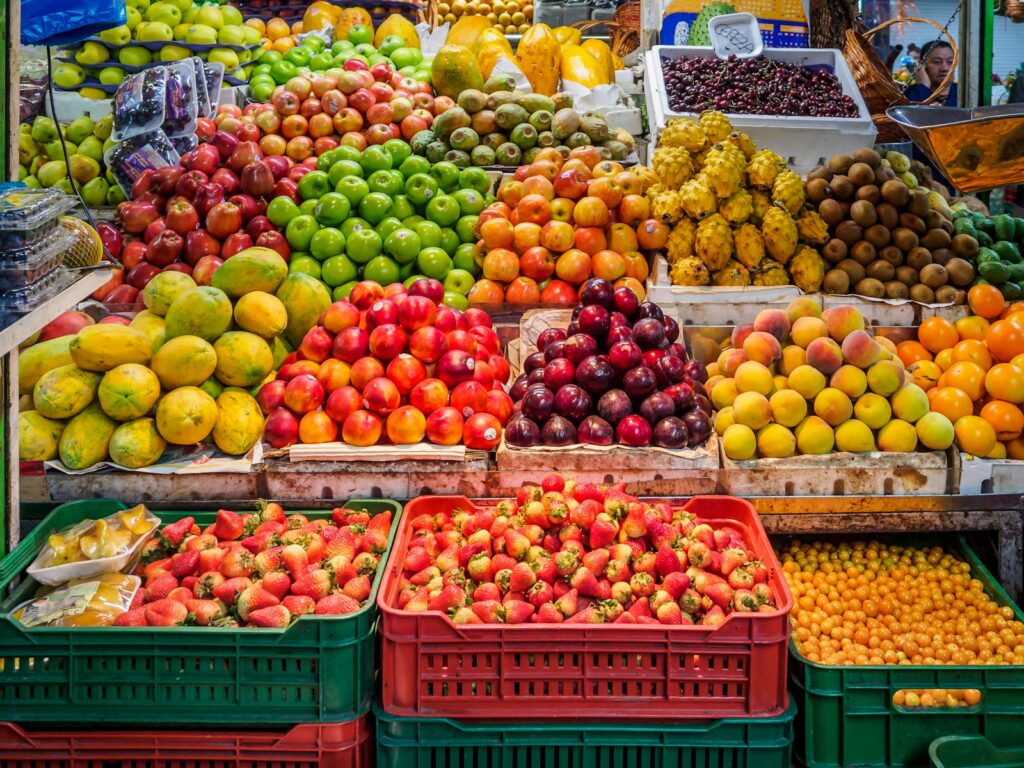
For most of history, fruits and vegetables were highly seasonal.
If strawberries weren’t growing locally, you simply waited until the next harvest. Refrigerated transportation and storage changed that reality.
Today, grocery stores routinely stock produce from different climates and growing seasons, allowing consumers to enjoy a much wider variety of fruits and vegetables throughout the year.
8. Dairy Became Safer and More Accessible

Milk was once one of the most difficult foods to keep fresh.
Without refrigeration, dairy products spoiled quickly and carried a higher risk of foodborne illness. Refrigerated storage helped improve food safety while allowing milk, yogurt, butter, and cheese to become everyday staples for millions of families.
The modern dairy aisle would be nearly impossible without reliable cold storage.
7. Leftovers Became Part of Daily Life
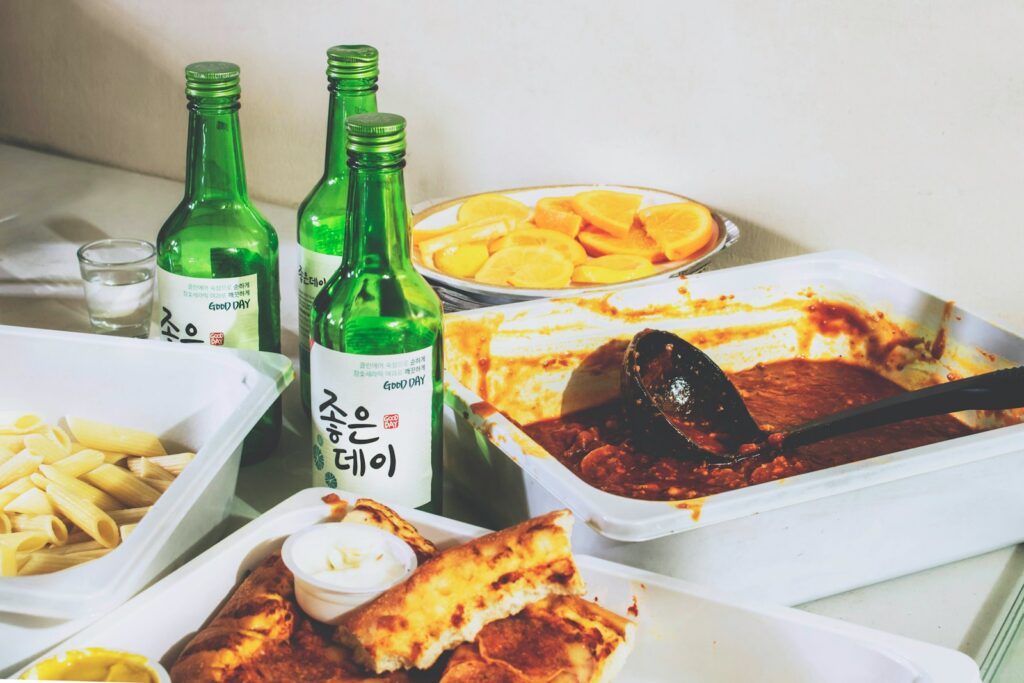
The concept of intentionally saving food for tomorrow wasn’t always practical.
Before refrigerators, many meals were prepared in quantities that could be consumed immediately. Refrigeration allowed families to safely store leftovers, reducing food waste and making meal planning more efficient.
Today, leftover meals are a normal part of household cooking and budgeting.
6. Grocery Shopping Became Less Frequent
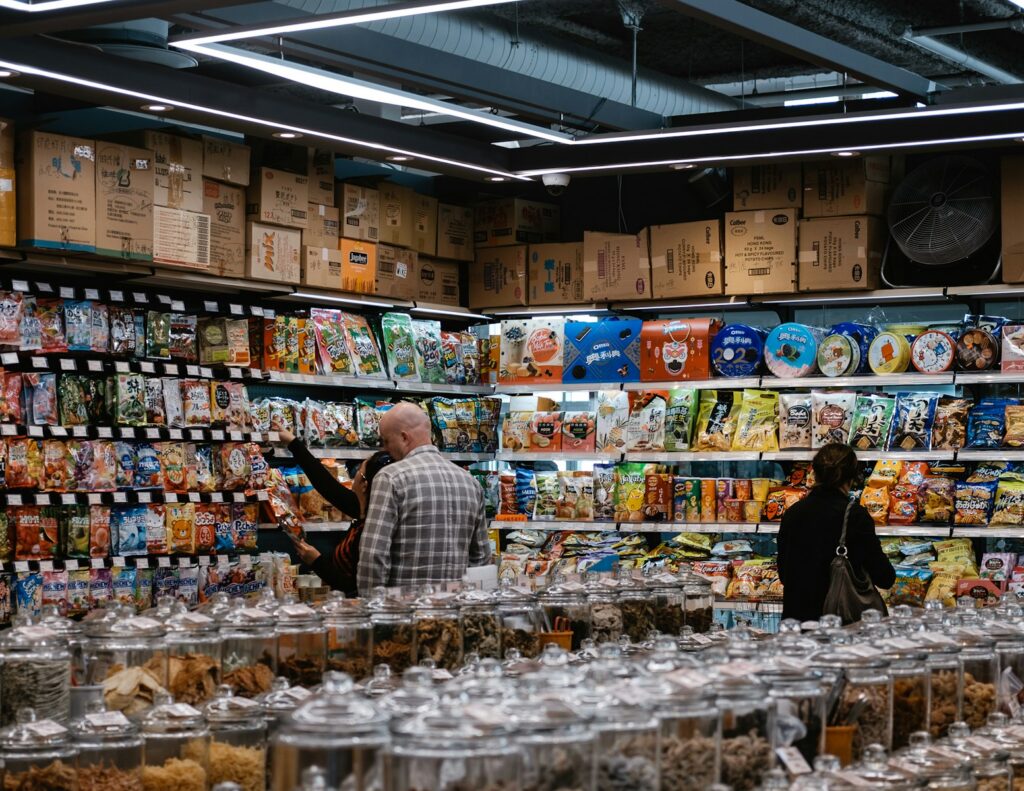
Before home refrigeration, many households visited markets almost daily.
Fresh meat, dairy, and produce often needed to be purchased shortly before consumption. Once refrigerators became common, shoppers could buy larger quantities at once and store them safely at home.
This shift helped pave the way for supermarkets, bulk shopping, and modern grocery habits.
5. Frozen Foods Became a New Category of Convenience
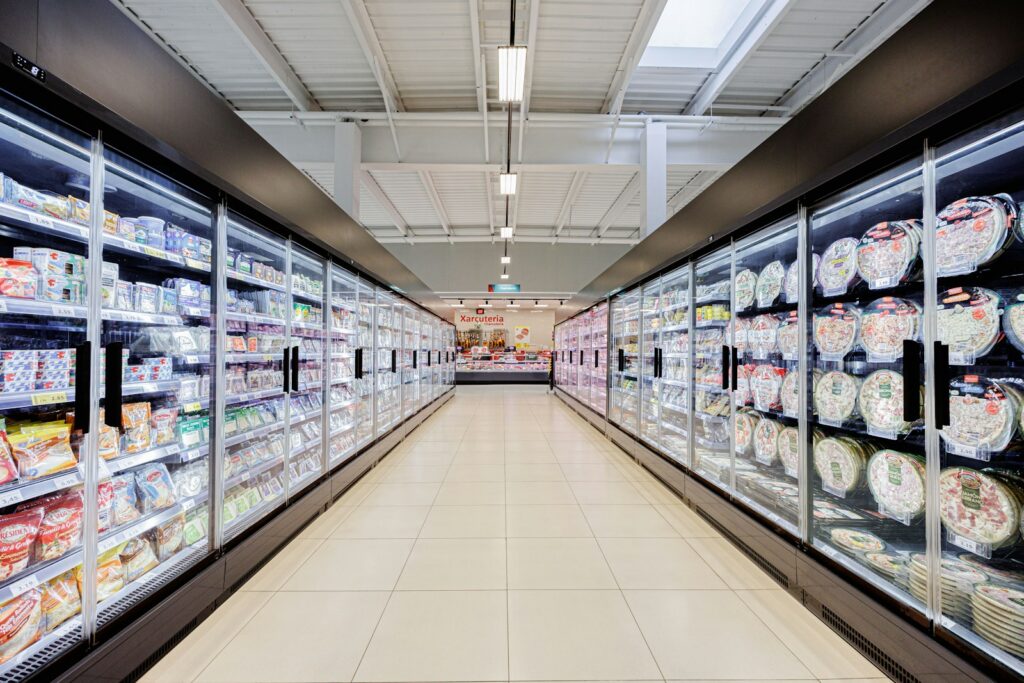
Refrigeration technology eventually led to widespread home freezers, creating entirely new food options.
Frozen vegetables, fruits, seafood, prepared meals, and desserts became popular because they offered convenience and longer storage times.
While frozen foods are sometimes viewed as less nutritious, many frozen fruits and vegetables retain much of their nutritional value because they’re processed shortly after harvest.
4. Food Preservation Methods Began to Change
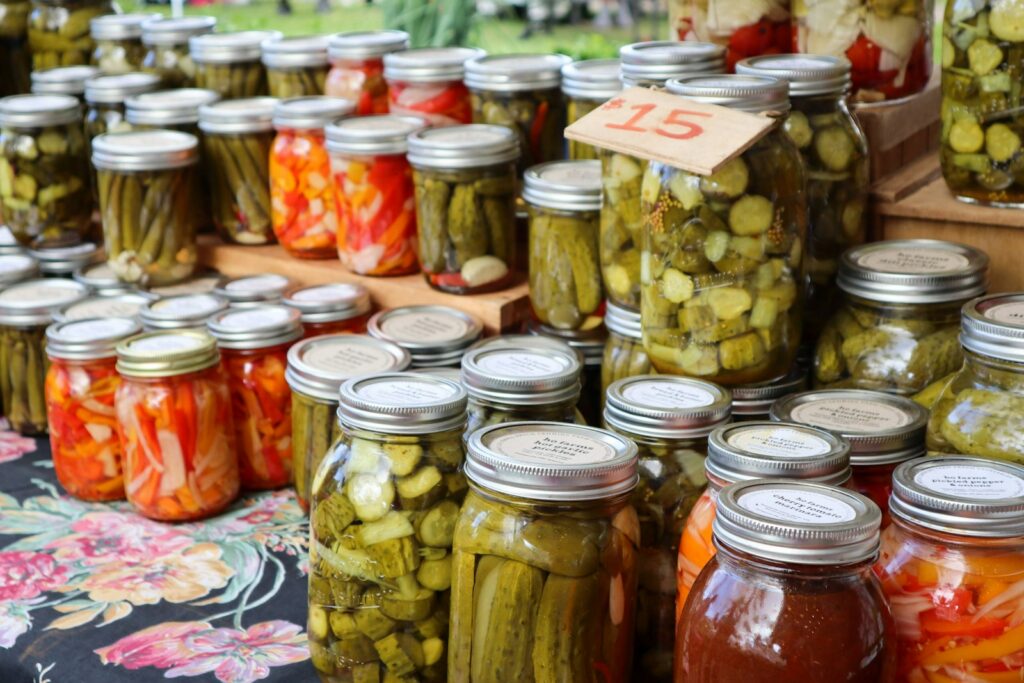
For centuries, preservation techniques like smoking, salting, pickling, and drying were essential for survival.
While many of these methods are still used today for flavor and tradition, refrigeration reduced the need to rely on them as primary preservation tools.
Foods that once required heavy salting or curing could now be stored fresh for longer periods.
3. Global Food Distribution Expanded
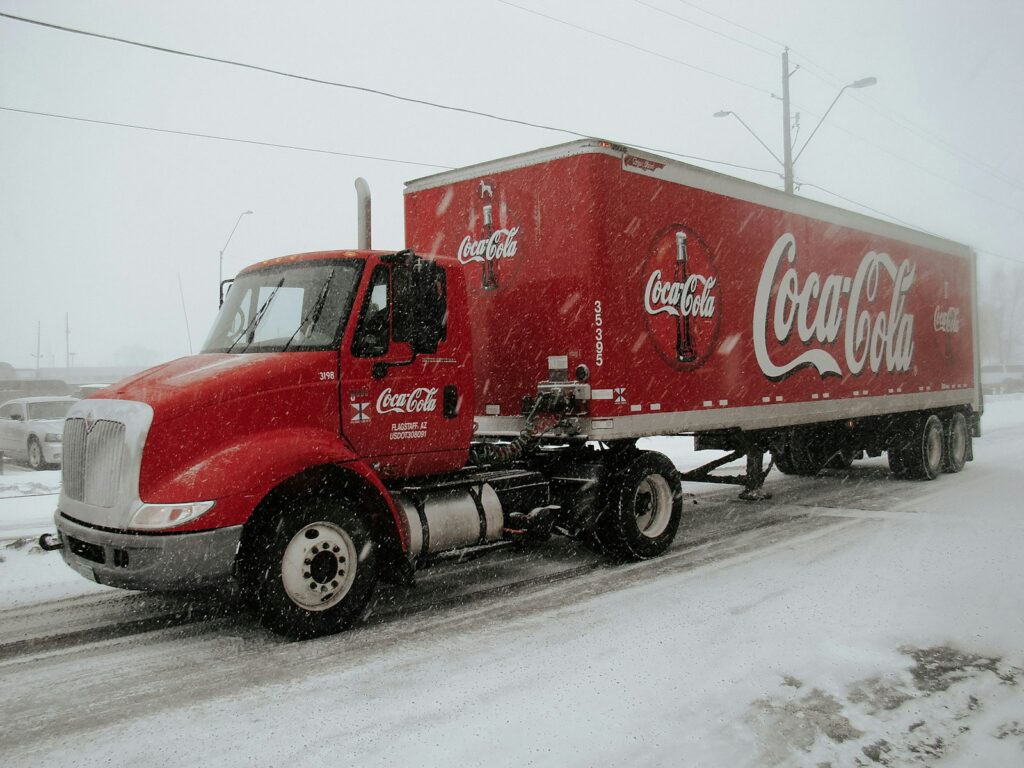
Refrigerated railcars, ships, and trucks transformed international food trade.
Foods that once could only be eaten near where they were produced could now travel across countries and oceans. Seafood, dairy products, meat, and fresh produce became available far beyond their original regions.
This dramatically expanded consumer choice and helped create the global food system we know today.
2. Food Safety Improved Significantly
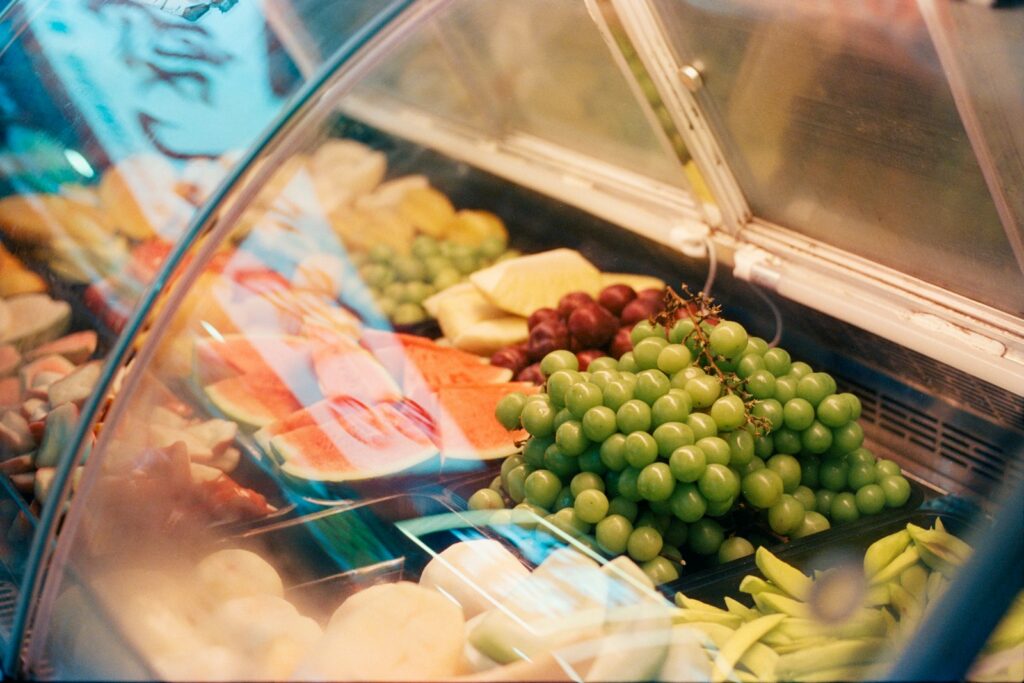
One of refrigeration’s most important contributions has been reducing the growth of harmful bacteria.
Proper cold storage slows microbial growth and helps prevent many forms of food spoilage. This has played a major role in lowering foodborne illness risks and improving public health.
While food safety still requires careful handling, refrigeration remains one of the most effective tools for protecting the food supply.
1. Our Entire Relationship With Food Changed
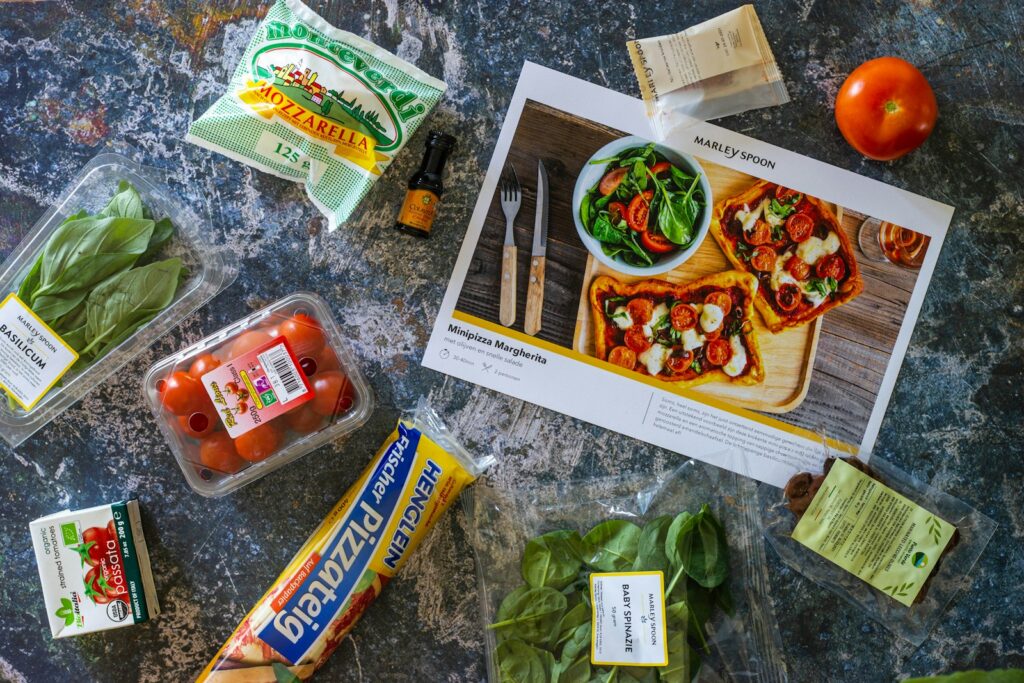
Perhaps the biggest impact of refrigeration is how completely it reshaped everyday eating habits.
Today we expect:
- Fresh food on demand
- Large grocery stores
- Year-round produce
- Convenient leftovers
- Frozen meals
- International ingredients
Many of these expectations would have seemed extraordinary to previous generations. Refrigeration transformed food from something that required constant preservation and planning into something that could be stored, transported, and enjoyed with far greater flexibility.
Life Before the Refrigerator

Before electric refrigerators became household staples during the early 20th century, many families relied on iceboxes. Blocks of ice were delivered regularly and placed inside insulated cabinets to keep food cool.
Even then, food storage was far more limited than it is today. Families planned meals carefully, purchased smaller quantities, and often preserved foods themselves to make them last through changing seasons.
The Technology That Changed the Kitchen
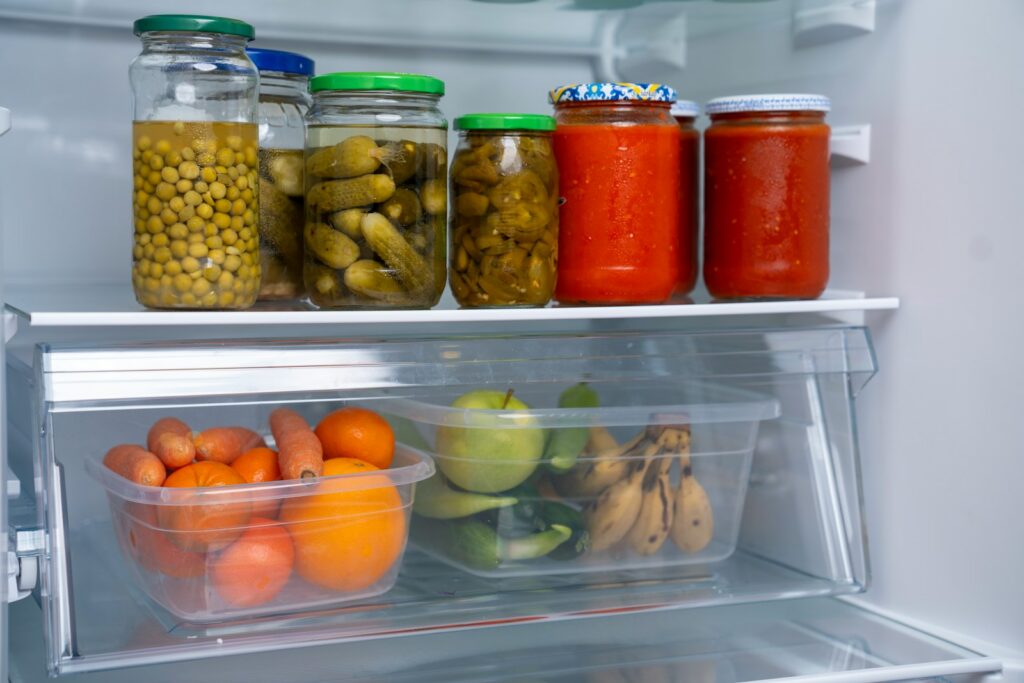
Few inventions have had a bigger impact on daily life than refrigeration. It improved food safety, expanded dietary choices, reduced waste, and helped create the modern grocery system.
The next time you open your refrigerator, it’s worth remembering that this ordinary appliance quietly transformed how people eat, cook, shop, and live. Many of the foods we enjoy every day would be far less common—or unavailable altogether—without it.
Read More:
- 10 Pantry Foods That Don’t Last as Long as You Think
- Food Expiration Dates Don’t Mean What You Think
- Aldi, Whole Foods, or Kroger? The Best Grocery Stores Ranked