Every generation thinks it has wellness figured out. But looking back through history reveals a long list of health trends, medical treatments, and wellness practices that seem downright bizarre today.
From radioactive water to tobacco prescriptions, people throughout history have gone to extraordinary lengths in pursuit of better health. Some treatments were based on the best science available at the time. Others were driven by superstition, marketing, or wishful thinking.
Here are 10 strange ways people once tried to stay healthy.
10. Drinking Radioactive Water
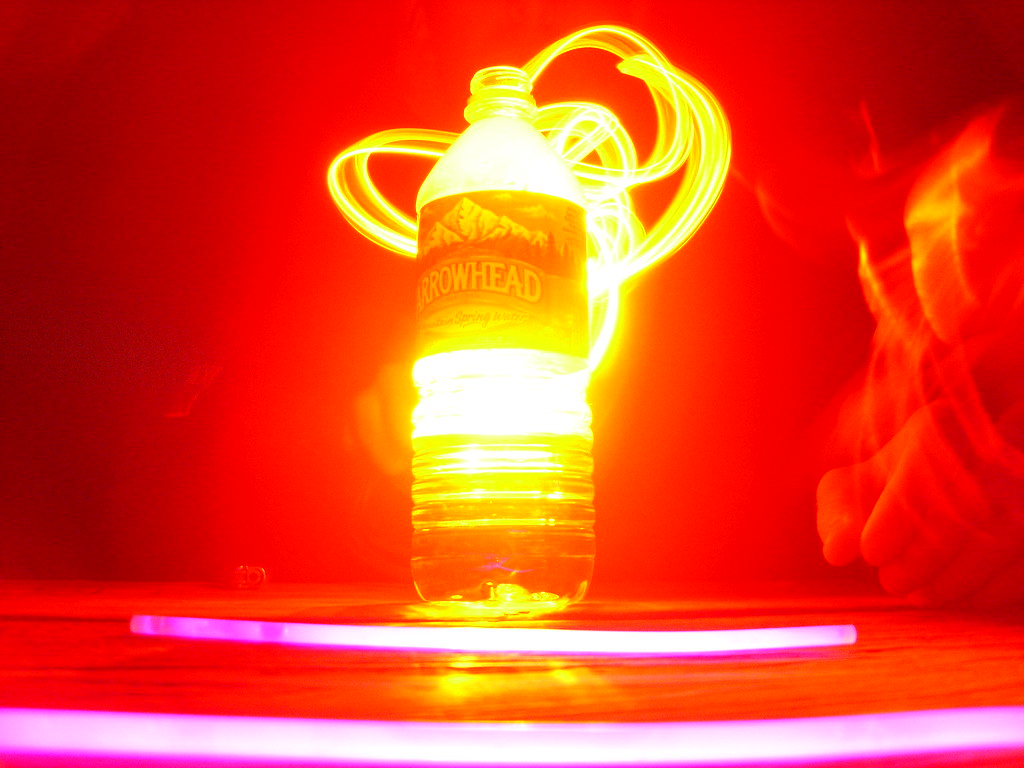
In the early 1900s, radioactivity was seen as a scientific marvel.
Companies sold radioactive waters, tonics, and health supplements that promised increased energy, vitality, and longevity. Some products even contained measurable amounts of radium.
One of the most famous examples was Radithor, a bottled water infused with radioactive elements. It gained popularity among wealthy consumers before its dangerous health effects became impossible to ignore.
9. Smoking for Your Health

It may sound unbelievable today, but doctors once promoted cigarettes.
Throughout the first half of the 20th century, tobacco advertisements frequently featured physicians endorsing certain brands. Cigarettes were marketed as soothing for the throat, helpful for stress, and even beneficial for digestion.
The dangers of smoking were not fully understood by the public until decades later.
8. Bloodletting for Nearly Everything
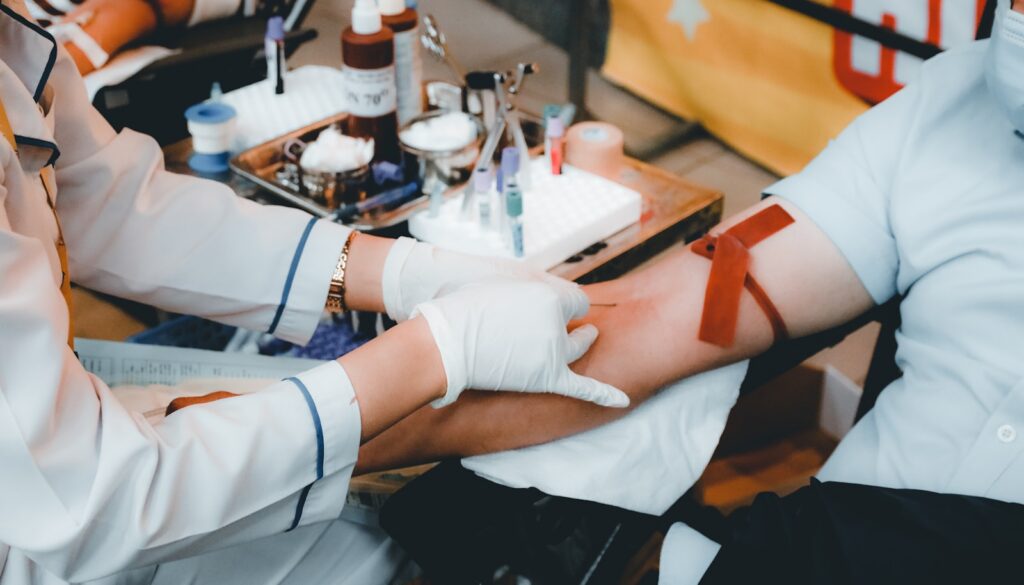
For centuries, bloodletting was one of the most common medical treatments in Europe and North America.
Doctors believed many illnesses were caused by an imbalance of bodily fluids known as the humors. Removing blood was thought to restore balance and cure ailments ranging from fevers to headaches.
The practice remained common well into the 1800s despite often weakening already sick patients.
7. Sleeping in Radioactive Blankets

The fascination with radioactivity extended beyond food and drink.
Manufacturers sold radioactive heating pads, blankets, cosmetics, and even underwear. Consumers were told that exposure to small amounts of radiation would improve circulation, increase vitality, and promote overall wellness.
History would prove otherwise.
6. Using Leeches as Medicine

Leeches have been used in medicine for thousands of years.
Doctors applied them to patients to remove blood and supposedly draw out disease. While the practice was often overused in the past, modern medicine still uses specialized medical leeches in some reconstructive surgeries to improve blood flow.
It’s one of the rare historical treatments that found a limited scientific purpose centuries later.
5. Arsenic Beauty and Health Tonics

Small amounts of arsenic were once marketed as health aids and beauty enhancers.
During the 19th century, some products claimed arsenic could improve complexion, increase energy, and create a healthier appearance. In some regions, people intentionally consumed tiny doses to build tolerance.
Unfortunately, arsenic remains a highly toxic substance, and the risks far outweighed any perceived benefits.
4. Tapeworm Diet Pills
Weight-loss fads are nothing new.
During the late 19th and early 20th centuries, stories circulated about pills containing tapeworm eggs that supposedly helped people lose weight while continuing to eat normally.
While many products likely contained no actual parasites, the idea became one of history’s most infamous diet trends.
3. Trepanning: Drilling Holes in the Skull
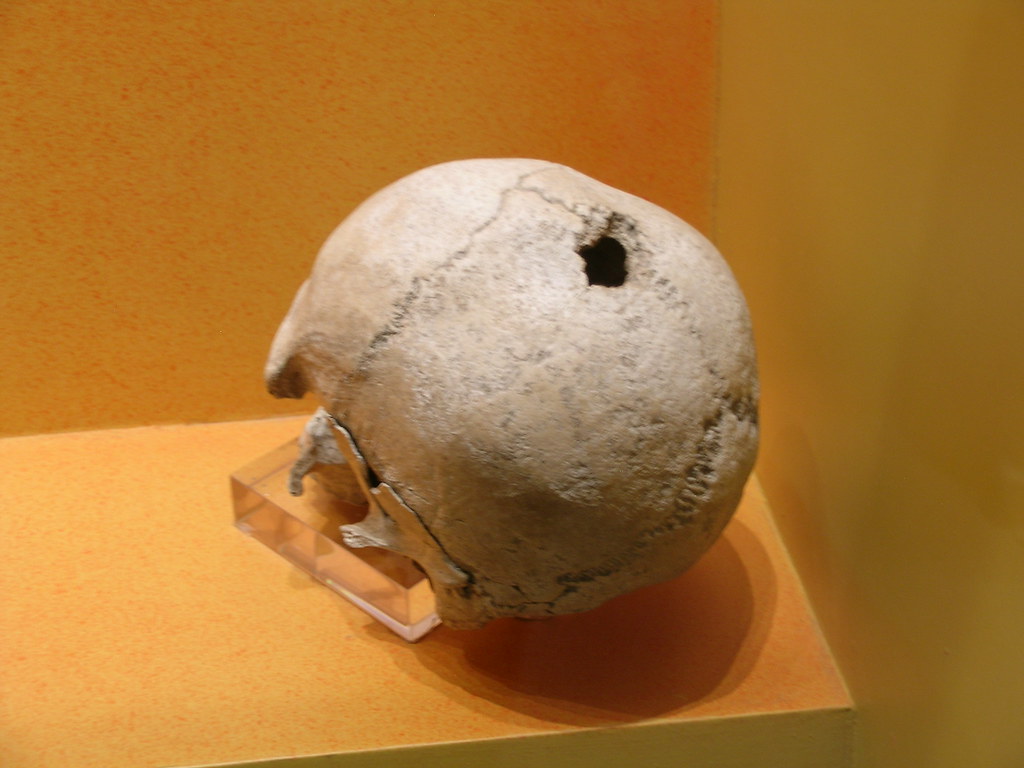
One of humanity’s oldest medical procedures involved creating openings in the skull.
Known as trepanning, the practice dates back thousands of years and was used to treat headaches, seizures, mental illness, and head injuries. Practitioners believed the procedure could release pressure or allow harmful spirits to escape.
Archaeological evidence suggests some patients survived the operation and lived for years afterward.
2. Mercury as a Cure-All
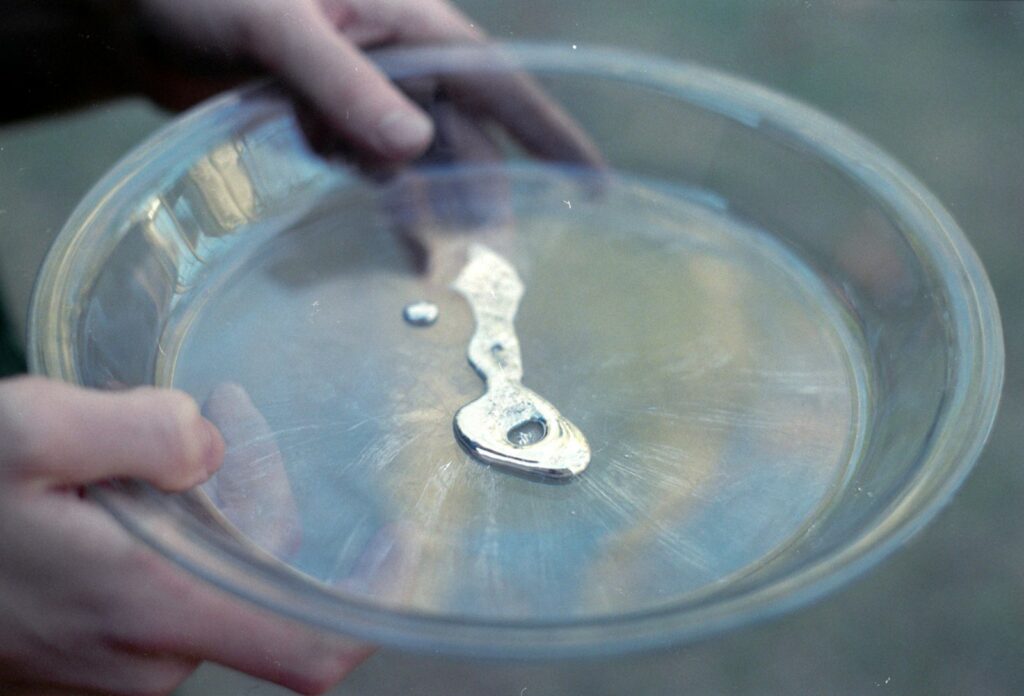
Mercury was once considered a valuable medicine.
Physicians prescribed mercury-based treatments for everything from infections to digestive problems. It became particularly common in treating syphilis before modern antibiotics existed.
Unfortunately, mercury poisoning often caused severe side effects, including neurological damage, kidney problems, and tooth loss.
1. Mummy Powder Medicine
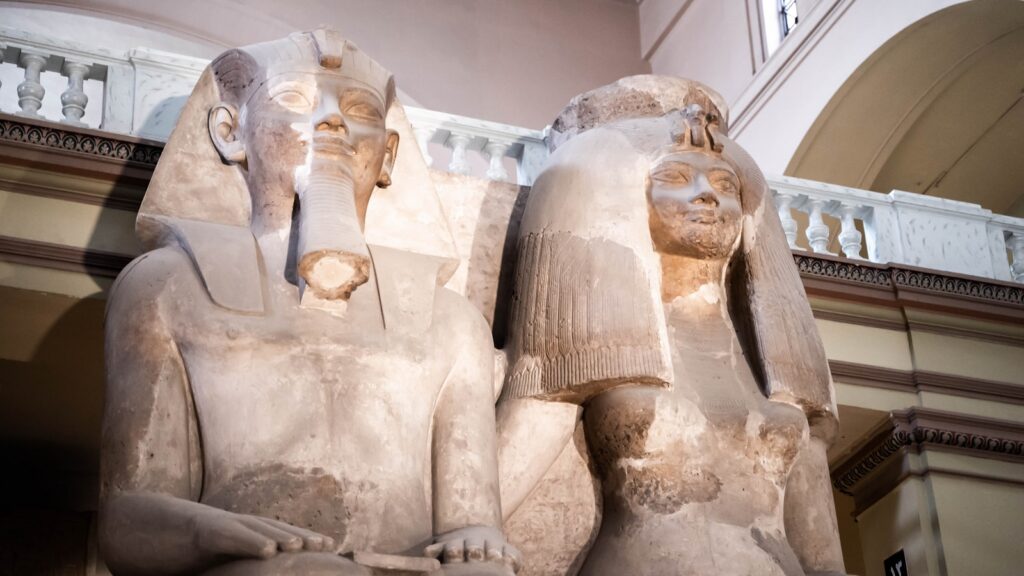
Perhaps the strangest health trend of all involved consuming ancient Egyptian mummies.
From the Middle Ages through the Renaissance, powdered mummy remains were sold throughout Europe as medicine. People believed the substance could treat wounds, internal bleeding, and various illnesses.
Demand became so great that counterfeit mummy products emerged, creating an entire market built around one of history’s most unusual remedies.
Why So Many Strange Treatments Became Popular

Many of these practices seem ridiculous today, but they often emerged from genuine attempts to understand health and disease.
Before modern medical research, people relied on observation, tradition, and trial and error. Some treatments appeared to work temporarily. Others were promoted by persuasive marketers or trusted authorities. Many persisted simply because better alternatives did not yet exist.
What Today’s Wellness Trends Might Look Like in 100 Years
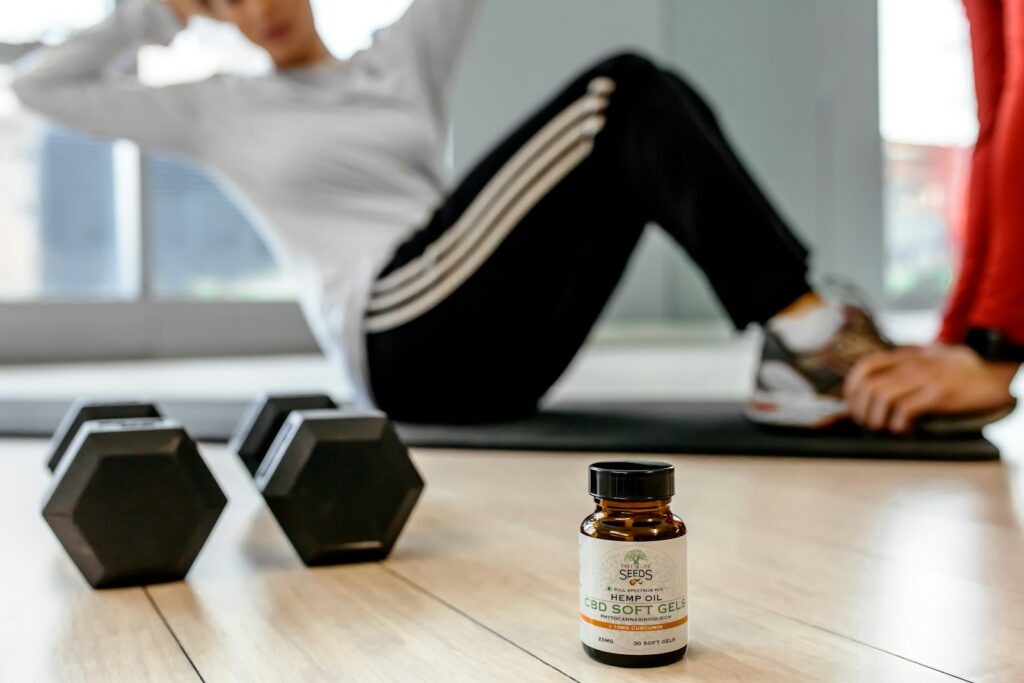
History offers a humbling reminder that health advice continues to evolve.
Future generations may look back at some of today’s wellness fads with the same curiosity we reserve for radioactive water and arsenic tonics. The difference is that modern medicine relies far more heavily on controlled research, clinical testing, and scientific evidence than ever before.
Still, the desire to live longer, feel better, and stay healthy remains one of the few constants across human history.
Read More:
- The Most Chilling Urban Legend in Every State
- 10 “Mandela Effect” Moments That Still Mess With People’s Memories
- 10 Myths You Probably Learned as a Kid—Debunked