
The wellness industry has become a multi-billion-dollar business built around one simple promise: feeling better. Better sleep. Better skin. Better focus. Better energy. Better everything.
The problem is that some wellness products have much stronger marketing departments than scientific support. While a few may offer modest benefits, many make claims that simply don’t hold up under scrutiny.
If you’re trying to spend your wellness budget wisely, these are 10 products experts say deserve a closer look before you click “Add to Cart.”
10. Crystal-Infused Water Bottles

Crystal water bottles combine hydration with the belief that certain gemstones can transfer energy or healing properties into water.
While many people enjoy them for spiritual or aesthetic reasons, there is currently no scientific evidence that crystals alter water in ways that improve health. If the bottle encourages you to drink more water, that’s great. The crystal itself is probably just along for the ride.
9. Detox Teas
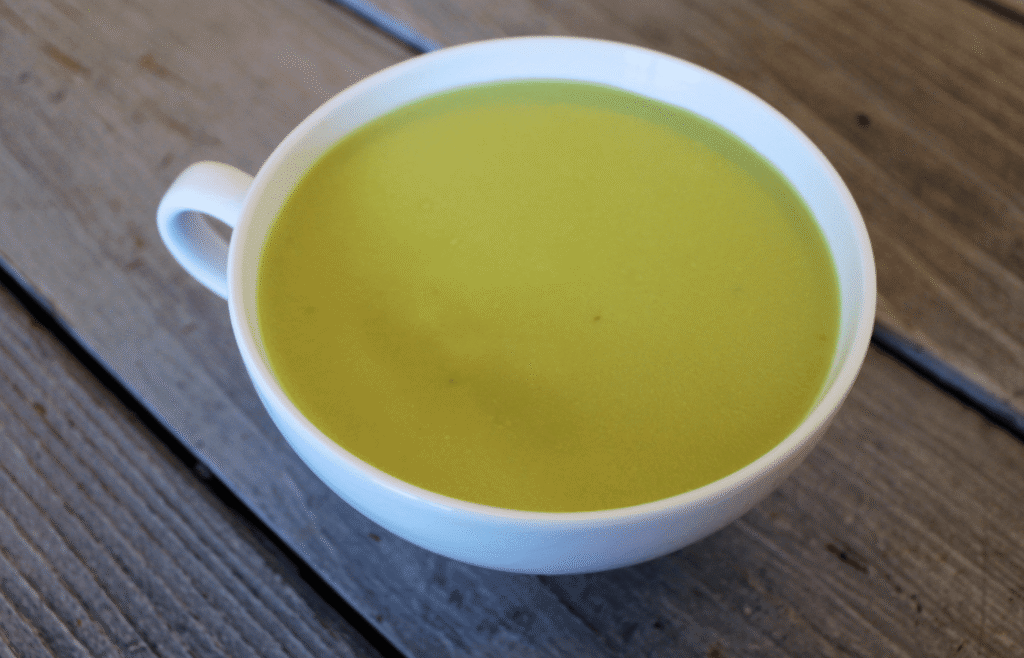
Detox teas often promise to flush toxins from your body, boost metabolism, reduce bloating, and accelerate weight loss.
The reality is that your liver, kidneys, digestive system, and lungs already handle detoxification around the clock. Many detox teas rely on herbal laxatives that temporarily reduce water weight rather than producing meaningful health benefits.
8. Alkaline Water
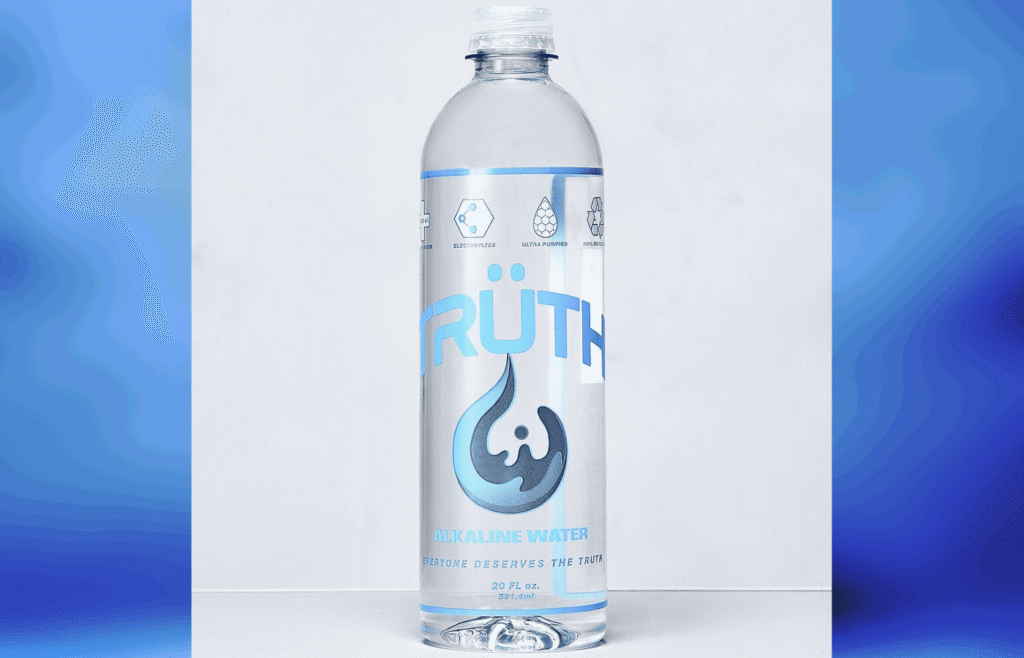
Supporters claim alkaline water can balance your body’s pH levels and improve overall health.
The catch? Your body tightly regulates blood pH on its own. For most healthy people, alkaline water performs much like regular water, despite the higher price tag.
7. Wellness Patches

From energy patches to sleep patches to mood-enhancing stickers, wearable wellness patches have exploded in popularity.
Some patches that deliver medications or nutrients have legitimate medical uses. However, many over-the-counter wellness patches make broad claims without strong clinical evidence to support them.
6. Expensive Sleep Gadgets
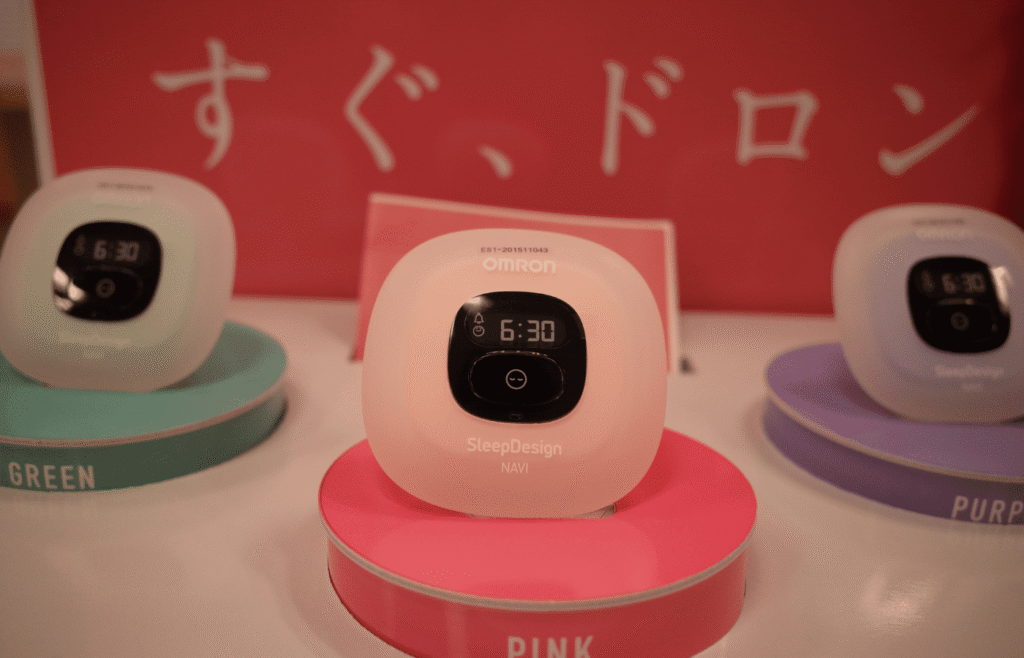
Sleep tracking technology has become increasingly sophisticated, but more data doesn’t always mean better sleep.
Some people become so focused on optimizing their sleep scores that they develop what’s known as “orthosomnia,” a form of anxiety centered around sleep tracking. Sometimes the quest for perfect sleep becomes part of the problem.
5. Face-Sculpting Devices

Microcurrent devices, facial rollers, gua sha tools, and facial toning gadgets often promise dramatic lifting and contouring effects.
While some users may notice temporary improvements in puffiness or muscle tone, most experts agree the results are generally modest and short-lived compared to the marketing claims.
4. Infrared Sauna Blankets
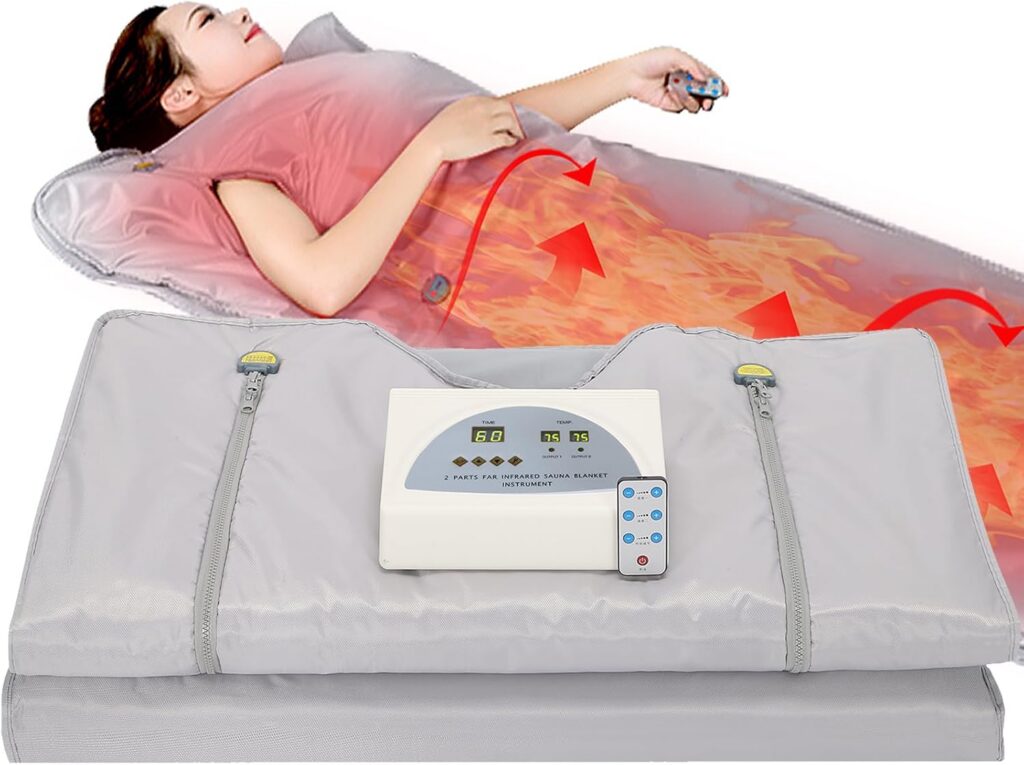
Infrared sauna blankets have become social media favorites thanks to promises of detoxification, weight loss, and recovery.
While heat therapy may help some people relax and temporarily reduce muscle soreness, claims about significant detoxification or lasting weight loss are often exaggerated. Most weight lost during a sauna session is simply water weight.
3. Collagen Gummies
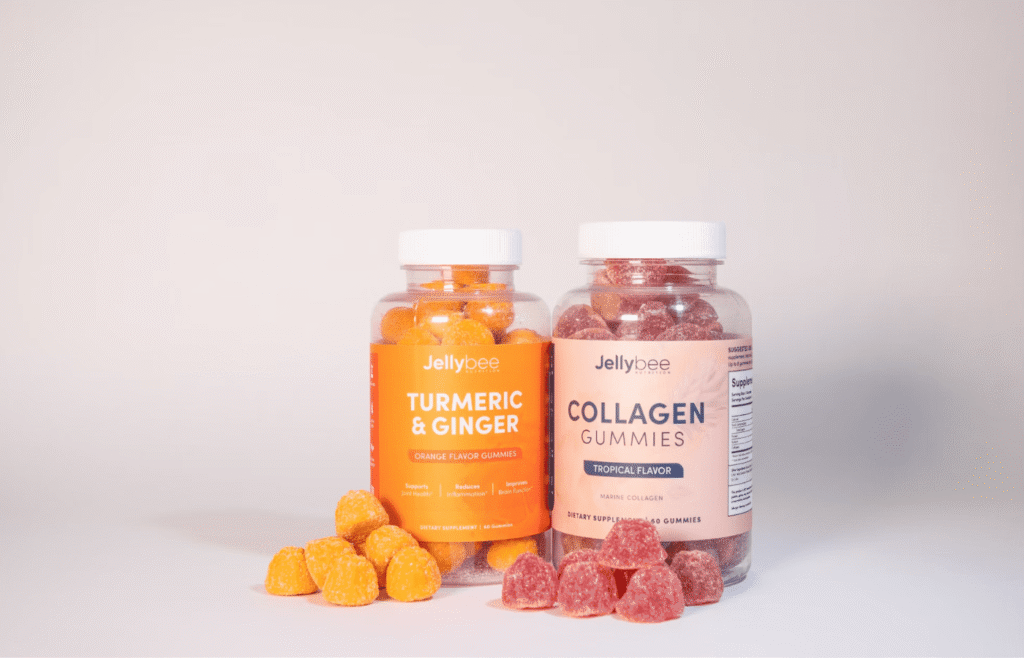
Collagen supplements have become a staple of the beauty and wellness world, promising stronger nails, healthier joints, and younger-looking skin.
Research on collagen supplementation is still evolving. Some studies suggest potential benefits for skin elasticity and joint health, but gummies often contain relatively small doses compared to products used in clinical research.
2. “Energy Clearing” Sprays and Frequency Products
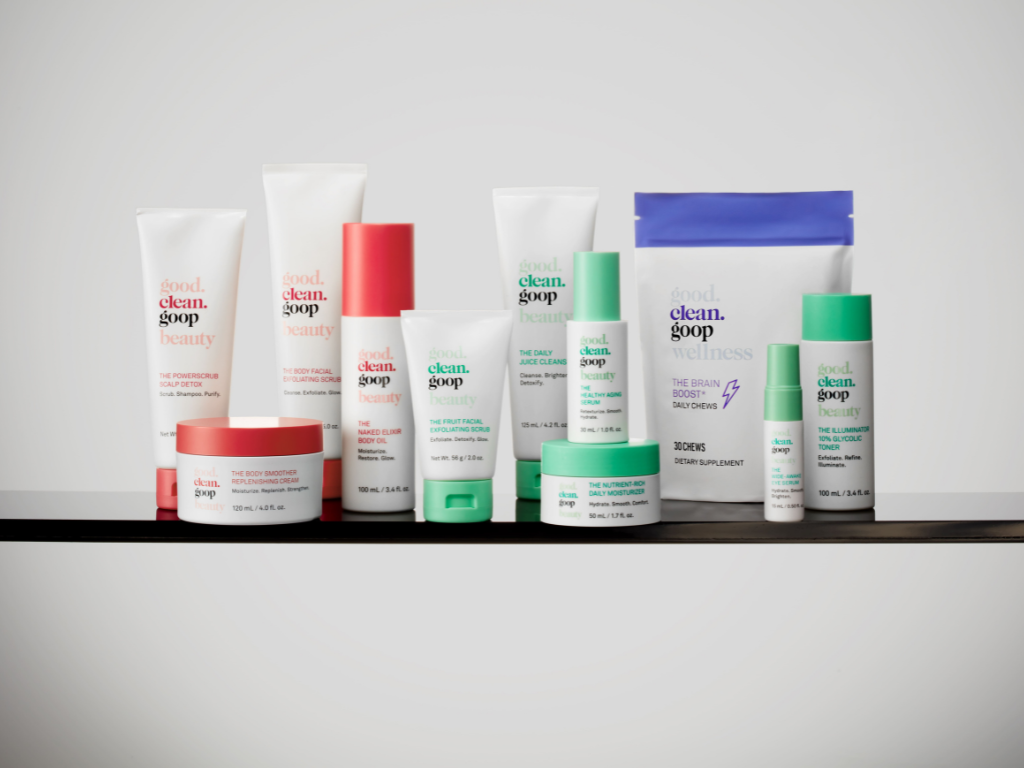
Products marketed as aura cleansers, vibration enhancers, frequency balancers, and energy clearing sprays have become increasingly common.
While rituals can certainly help people feel calmer, more focused, or more grounded, there is little scientific evidence supporting many of the specific claims attached to these products.
1. Anything Promising a Miracle Fix
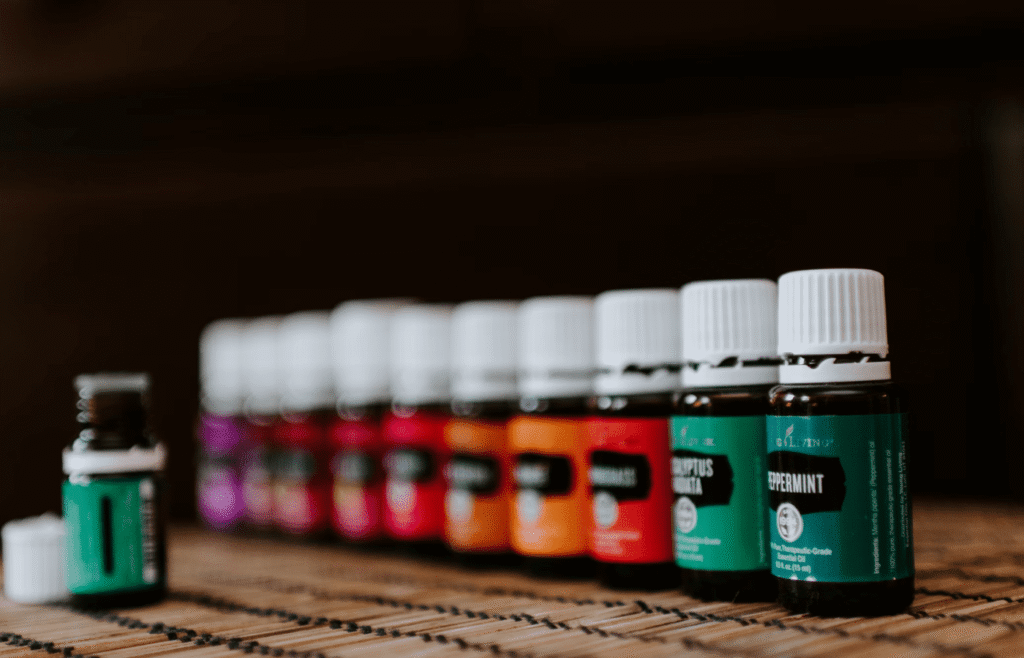
The biggest red flag in wellness isn’t one product—it’s a category.
Whether it’s a supplement, gadget, tea, powder, patch, or device, be skeptical of anything claiming to cure multiple problems at once. Better sleep, instant weight loss, younger skin, boosted metabolism, reduced stress, increased energy, and total-body detoxification rarely come from a single product.
If it sounds too good to be true, your wallet should probably proceed with caution.
The truth is that most evidence-backed wellness habits aren’t particularly glamorous. Regular exercise, quality sleep, a balanced diet, stress management, and strong social connections don’t make for flashy marketing campaigns, but they remain some of the most effective investments in long-term health.
Read More:
- 15 Natural Ways to Reduce Inflammation
- Supplements That May Help—and the Ones to Think Twice About
- 10 Surprising Connections Between Diabetes and Dementia