

Healthy, glowing skin isn’t just about cleansers, serums, and moisturizers. While topical skincare products can play an important role, your skin is also influenced by what you eat and drink every day.
As the body’s largest organ, skin relies on a steady supply of nutrients to maintain its barrier function, support repair processes, and protect against environmental stressors. While no single food can guarantee flawless skin, research suggests that a balanced diet rich in certain vitamins, minerals, healthy fats, and antioxidants can help support overall skin health.
Here are 10 nutrition-focused ways to nourish your skin from the inside out.
1. Vitamin C Helps Support Collagen Production
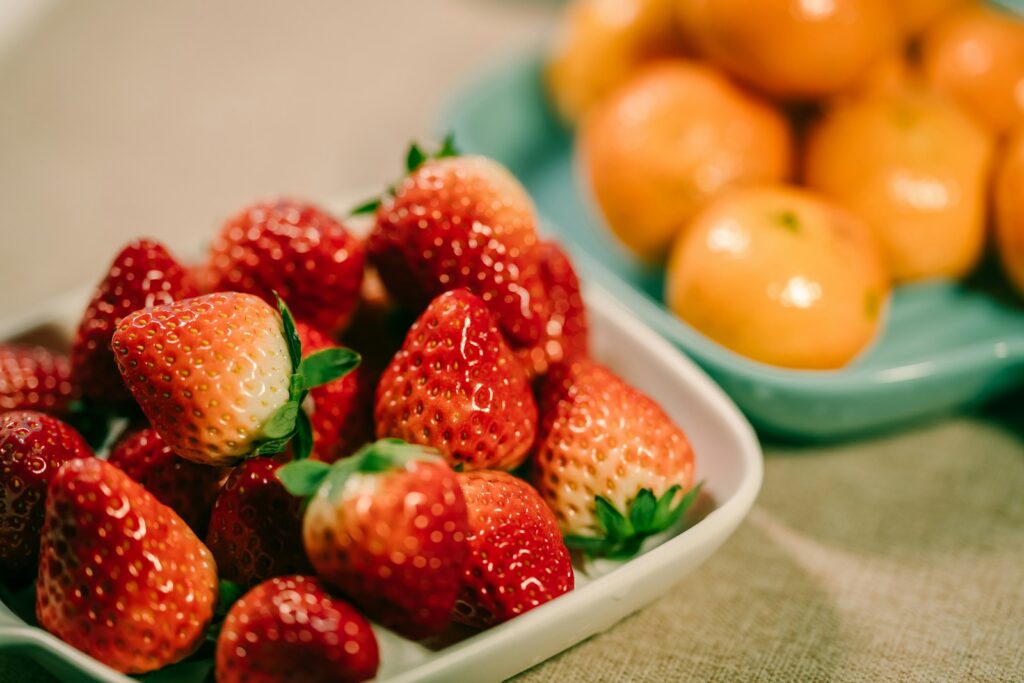
Vitamin C is one of the most important nutrients for healthy skin. It plays a key role in collagen synthesis, which helps maintain skin structure and elasticity.
This antioxidant also helps protect skin cells from damage caused by free radicals generated by UV exposure and pollution.
Good sources include:
- Oranges
- Strawberries
- Kiwi
- Bell peppers
- Broccoli
Adding vitamin C-rich foods to your daily meals can help support your skin’s natural repair processes.
2. Healthy Fats Help Maintain the Skin Barrier

Your skin barrier helps lock in moisture and protect against environmental irritants. Healthy fats, particularly omega-3 fatty acids, support this protective function.
Research suggests omega-3s may also help reduce inflammation throughout the body, which can benefit overall skin health.
Foods rich in omega-3s include:
- Salmon
- Sardines
- Mackerel
- Walnuts
- Chia seeds
- Flaxseeds
A healthy skin barrier often translates to softer, smoother, and more comfortable skin.
3. Zinc Supports Skin Repair

Zinc is involved in wound healing, immune function, and skin cell turnover.
People with certain inflammatory skin conditions sometimes have lower zinc levels, although supplementation should only be considered when appropriate and under medical guidance.
Food sources include:
- Pumpkin seeds
- Oysters
- Beans
- Lentils
- Beef
- Chickpeas
Consuming adequate zinc through food supports your body’s ability to repair and maintain healthy tissue.
4. Antioxidants Help Defend Against Environmental Stress
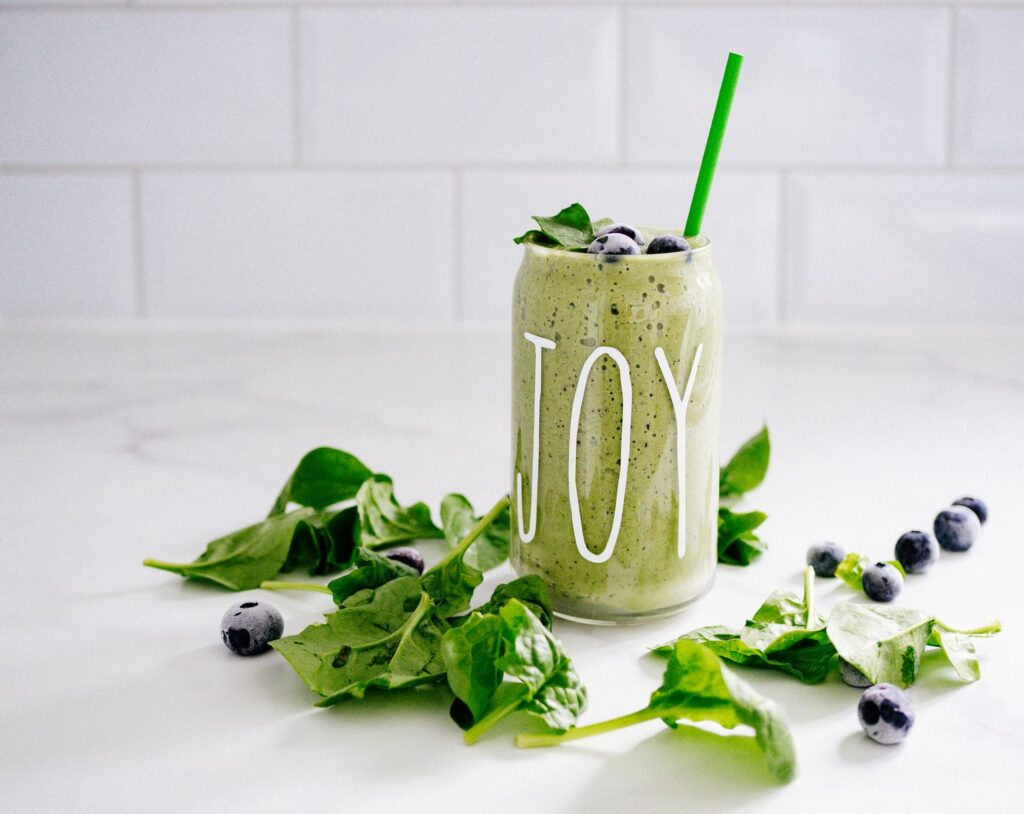
Every day, your skin encounters stress from pollution, sunlight, and normal metabolic processes.
Antioxidants help neutralize free radicals that contribute to cellular damage.
Colorful fruits and vegetables are particularly rich in antioxidant compounds, including:
- Blueberries
- Blackberries
- Tomatoes
- Carrots
- Sweet potatoes
- Spinach
A colorful plate often provides a wide range of protective plant nutrients.
5. Protein Provides Building Blocks for Skin
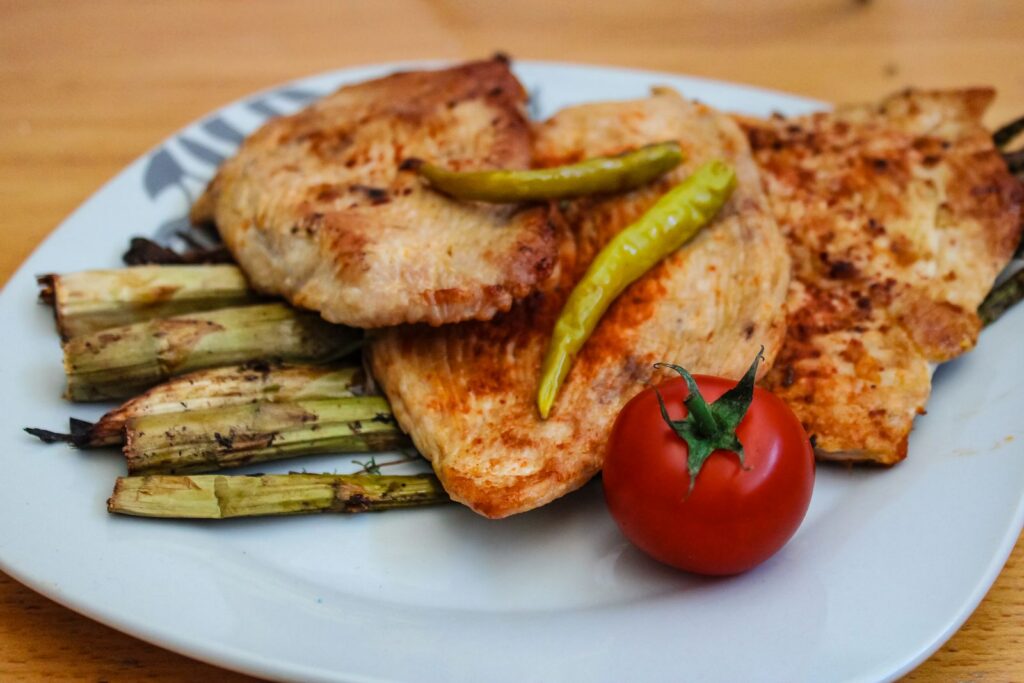
Protein supplies amino acids that help build and repair tissues throughout the body, including skin.
Without adequate protein intake, skin may struggle to repair itself efficiently.
Good protein sources include:
- Fish
- Poultry
- Eggs
- Greek yogurt
- Beans
- Tofu
- Lentils
Balanced protein intake supports healthy skin as well as hair, nails, and muscle tissue.
6. Hydration Supports Skin Function

While drinking extra water won’t magically erase wrinkles, proper hydration helps your body function optimally, including the skin.
Dehydration can contribute to skin that appears dull, dry, or less supple.
In addition to water, hydration can come from foods such as:
- Cucumbers
- Watermelon
- Celery
- Citrus fruits
- Lettuce
Consistent hydration supports overall skin health and comfort.
7. Vitamin E Helps Protect Skin Cells
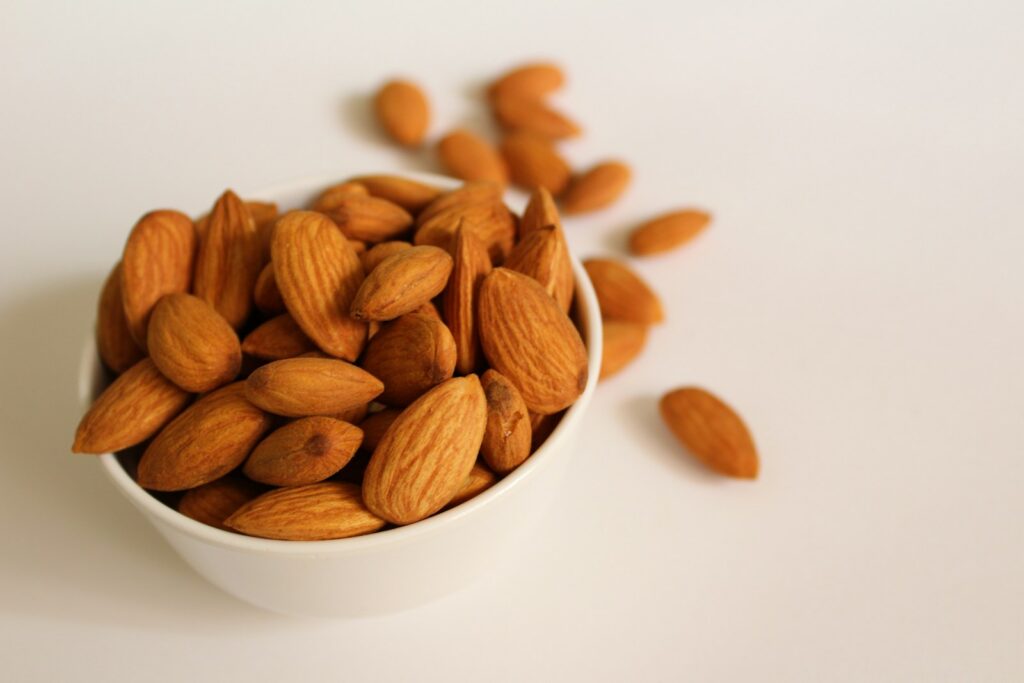
Vitamin E is another important antioxidant that helps protect cell membranes from oxidative stress.
Many vitamin E-rich foods also provide healthy fats that support skin barrier function.
Sources include:
- Almonds
- Sunflower seeds
- Avocados
- Spinach
- Peanuts
Vitamin E works alongside other nutrients to help maintain healthy skin over time.
8. Limiting Added Sugar May Benefit Skin Health
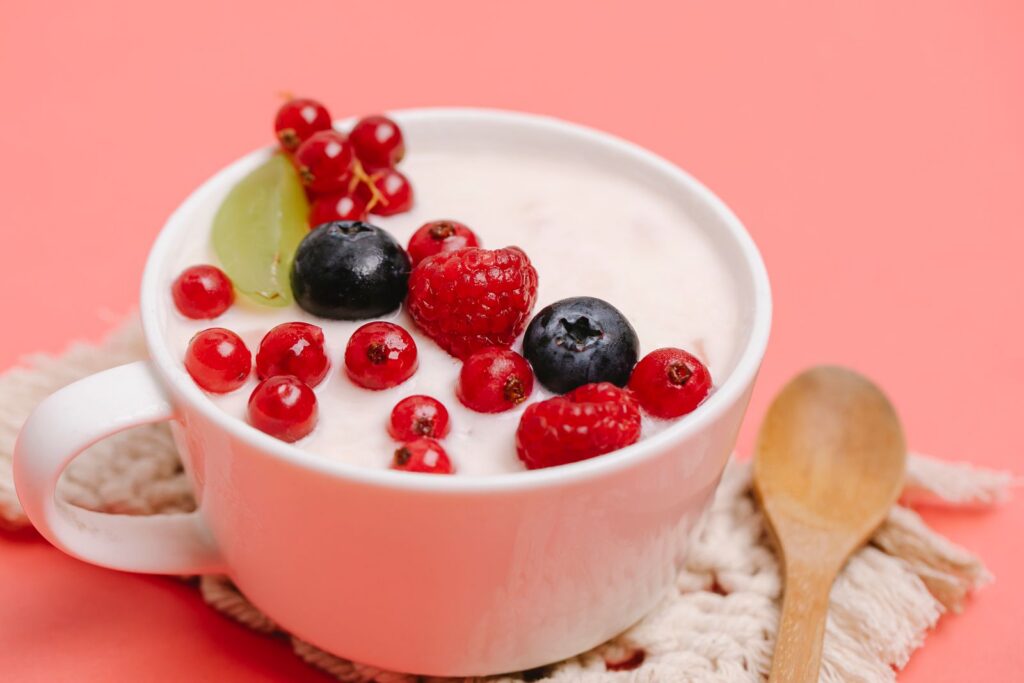
Research suggests diets high in added sugars may contribute to inflammation and processes that affect collagen and elastin, the proteins responsible for skin firmness.
This doesn’t mean you need to eliminate all treats, but focusing on whole foods most of the time may support healthier aging.
Consider replacing highly processed snacks with:
- Fruit
- Nuts
- Yogurt
- Whole grains
Small changes can make a meaningful difference over time.
9. Fermented Foods May Support the Gut-Skin Connection

Scientists continue to study the relationship between gut health and skin health.
Fermented foods contain beneficial bacteria that may help support a healthy gut microbiome.
Popular options include:
- Yogurt
- Kefir
- Kimchi
- Sauerkraut
- Miso
While research is still evolving, a healthy digestive system appears to play an important role in overall wellness, including the skin.
10. Consistency Matters More Than Any Single Food

One of the biggest misconceptions in skincare nutrition is that a single “superfood” will transform your complexion.
Healthy skin is usually the result of long-term habits rather than quick fixes.
The most supportive eating pattern typically includes:
- Plenty of fruits and vegetables
- Lean proteins
- Healthy fats
- Whole grains
- Adequate hydration
Rather than chasing trends, focus on building a sustainable routine that nourishes your entire body.
Healthy Skin Starts From Within
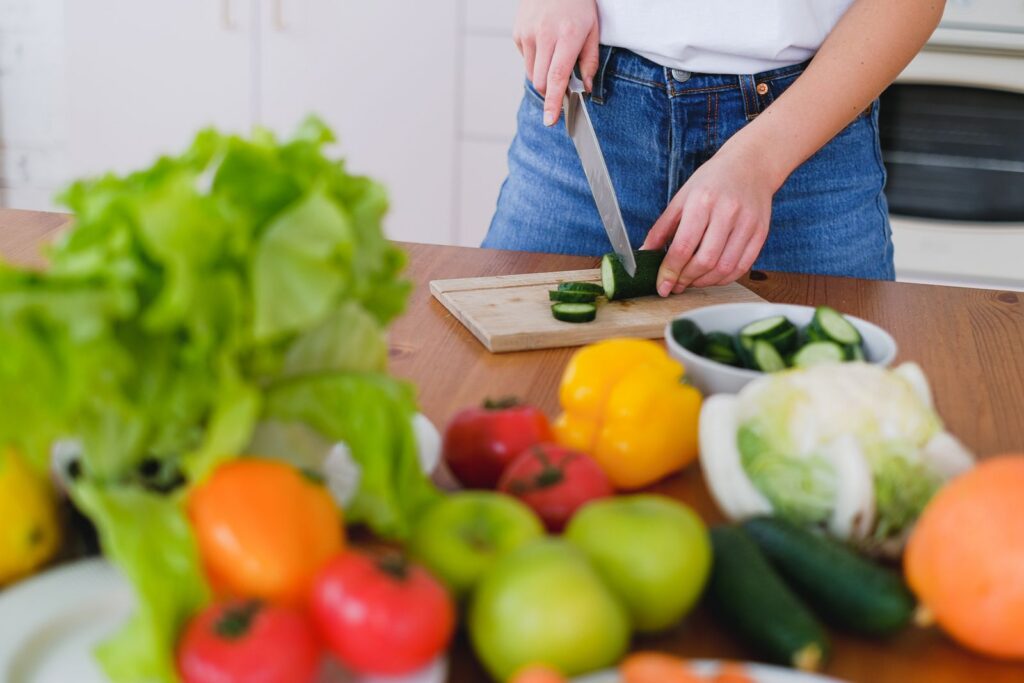
Skincare products can help address specific concerns, but nutrition provides the foundation that healthy skin depends on every day.
By prioritizing nutrient-rich foods, staying hydrated, and maintaining a balanced eating pattern, you’re supporting your skin’s natural ability to repair, protect, and renew itself. While no diet can guarantee perfect skin, the choices you make at the table can play an important role in helping your complexion look and feel its best.
Read More:
- 15 Foods That Seem Healthy but Often Aren’t
- 15 Health Myths Medical Experts Wish Would Finally Go Away
- These 15 “Healthy” Foods Are Way More Popular Than They Are Tasty