

Dogs can’t tell you when something’s off, but they’re usually pretty good at showing it. Changes in behavior, energy, or habits can signal stress, boredom, illness, or discomfort.
Not every sign means something serious, but noticeable changes from your dog’s normal routine are worth paying attention to.
Loss of Interest in Play or Exercise

If your dog suddenly isn’t interested in walks, toys, or playtime, that’s a red flag. Lower energy can point to stress, boredom, pain, or illness. Always compare it to your dog’s usual personality—some dogs are naturally low-key, but sudden changes matter.
Pacing or Restlessness

Repeated pacing or an inability to settle can signal anxiety or discomfort. It may mean your dog needs more exercise, stimulation, or a change in routine. Persistent pacing can also be linked to medical issues, so it’s worth monitoring.
Hiding or Avoidance

Dogs that start hiding, avoiding interaction, or withdrawing from family members may be stressed or unwell. This is especially important if the behavior appears suddenly or without an obvious trigger, such as loud noises.
Excessive Barking or Whining
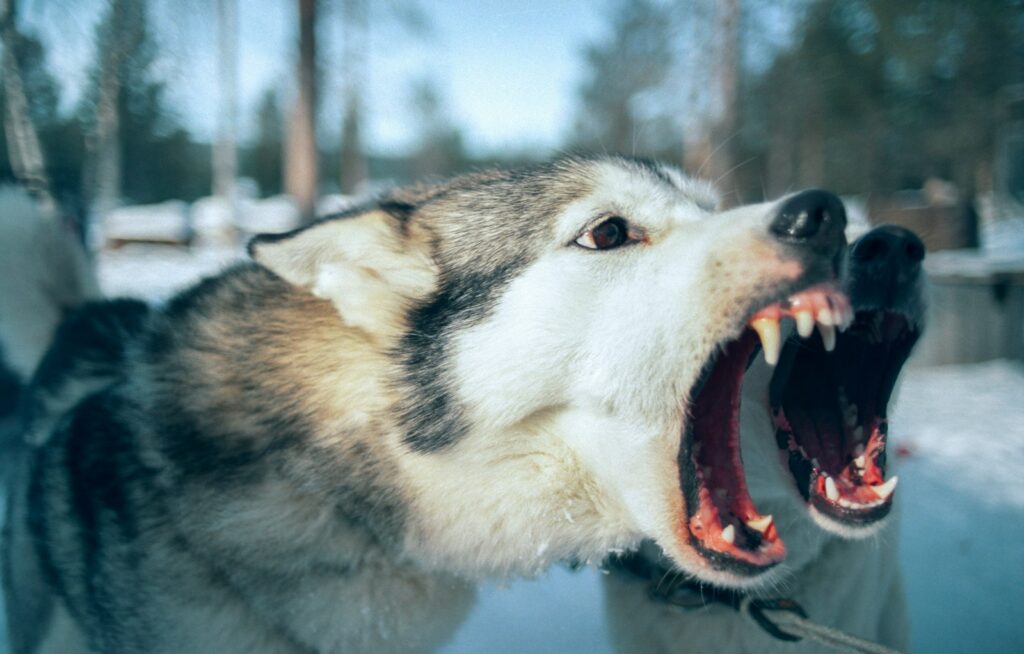
More vocal than usual? Dogs often bark, whine, or whimper when they’re anxious, bored, or trying to communicate discomfort. A noticeable increase in vocalization is usually your dog trying to tell you something isn’t right.
Changes in Shedding or Coat Condition
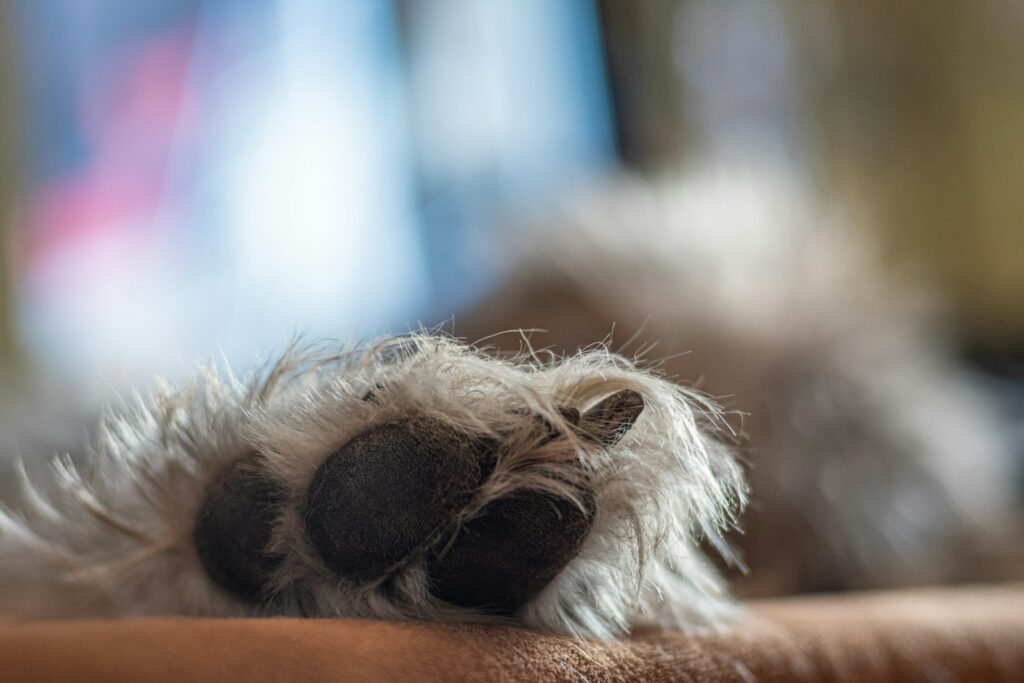
Stress can affect a dog’s coat, sometimes leading to increased shedding or dull fur. While shedding is normal, sudden or excessive changes, especially paired with other symptoms, can point to stress or health issues.
Changes in Appetite or Weight
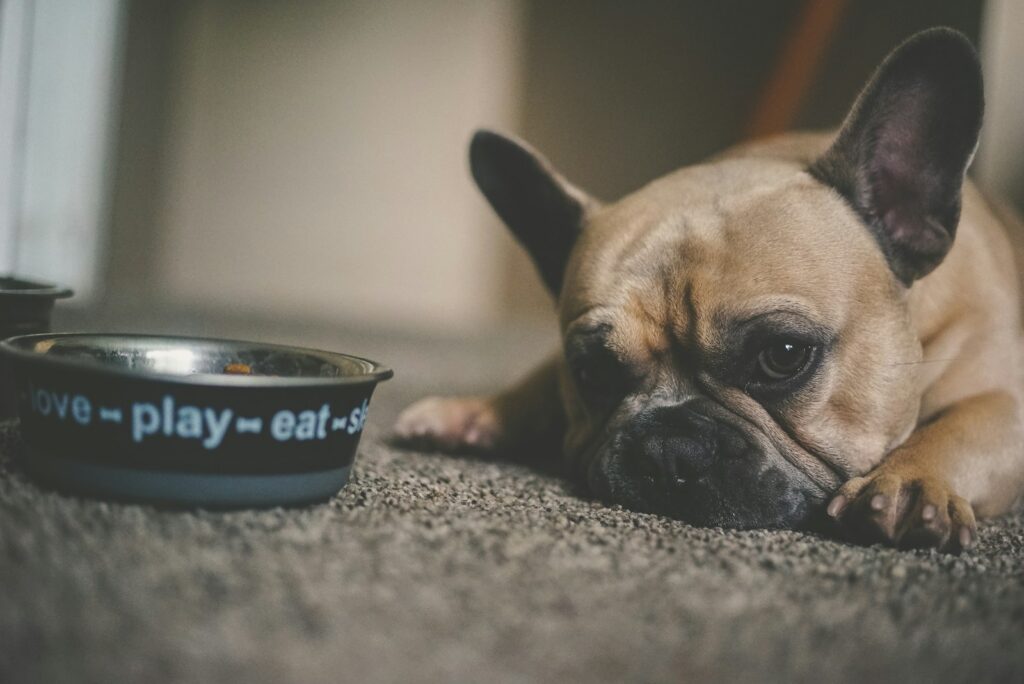
Eating significantly more or less than usual can be a sign of emotional or physical issues. Weight gain or loss without a clear reason should always be taken seriously and discussed with a vet.
Destructive Behavior

Chewing furniture, digging, or getting into things they normally ignore can signal boredom or anxiety. Dogs often act out when they lack enough exercise or mental stimulation.
Sleeping More or Less Than Usual

Dogs do sleep a lot, often 12–14 hours a day, but changes in sleep patterns matter. Sleeping much more or much less than usual, or struggling to rest, can both indicate stress, illness, or discomfort.
Excessive Licking or Chewing

Frequent licking, chewing, or biting at paws or skin can be a self-soothing behavior linked to anxiety. It can also point to allergies, irritation, or other medical issues, so it’s important to rule those out.
Increased Irritability or Aggression

If your normally calm dog becomes reactive, growls more, or snaps unexpectedly, something is likely off. Aggression is often tied to fear, pain, or stress—not just “bad behavior.”
Dogs rely on routine, stimulation, and a sense of security. If something changes in their environment—or in their health—they’ll show it through behavior. When in doubt, trust your instincts and check with a veterinarian, especially if symptoms are sudden or persistent.
Read More:
- How to Introduce a New Puppy to Your Existing Dogs
- These Common Household Items Are Toxic to Pets
- 10 Dog Breeds Known for Their Protective Instincts