

The 16th century marked a tragic period for the Aztec civilization, as they faced a series of catastrophic epidemics following the arrival of Spanish conquistadors. These outbreaks, known as cocoliztli in the Aztec language, decimated the population and have long puzzled historians and scientists alike.
Recent DNA research has shed light on these mysterious epidemics, suggesting a possible link to a deadly strain of salmonella. Here are 11 fascinating insights into the Aztec epidemics and the ongoing quest to uncover their causes.
11. The Devastating Impact of Cocoliztli
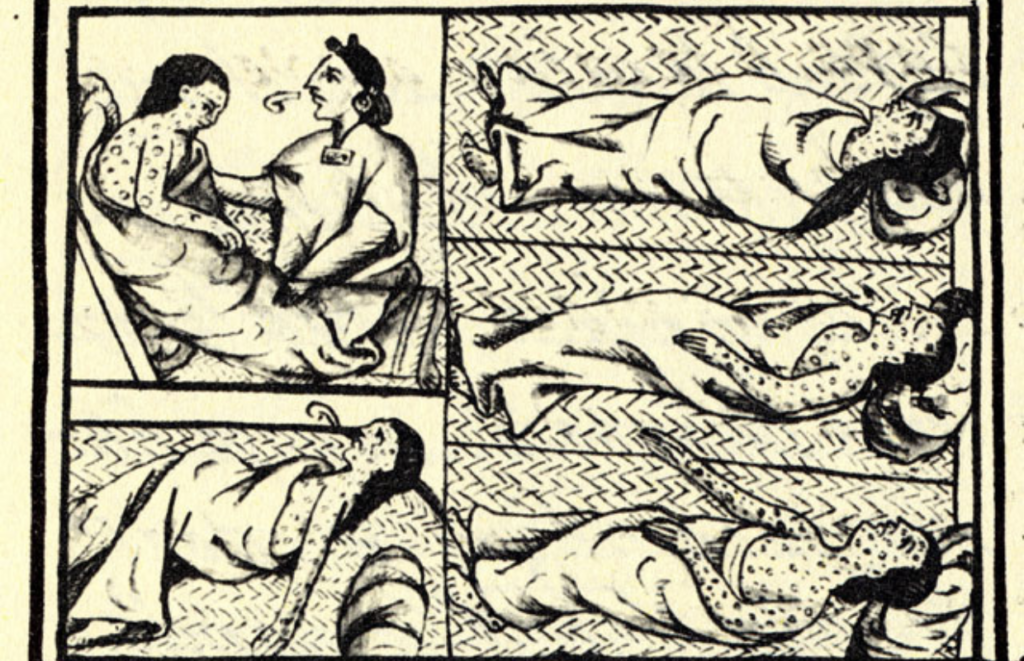
The term cocoliztli, meaning pestilence, was used by the Aztecs to describe the severe disease outbreaks they faced. These events were catastrophic, claiming the lives of millions.
The most severe outbreak between 1545 and 1550 wiped out over 80 percent of the Aztec population, with another major epidemic occurring in 1576. These epidemics left a profound impact on the Aztec society and culture.
10. The Role of Spanish Conquistadors

The arrival of Spanish conquistadors in 1519 marked a turning point for the Aztecs, introducing new diseases to which they had no immunity. This contact initiated a series of devastating epidemics.
While the conquistadors brought warfare and conquest, the invisible threat of disease proved even more deadly, contributing significantly to the decline of the Aztec empire.
9. The Discovery of Paratyphi C

Recent studies have identified the presence of Paratyphi C, a rare strain of salmonella, in the remains of Aztec victims. This discovery offers a new perspective on the possible causes of the epidemics.
The research, conducted by a team led by Johannes Krause, involved extracting and sequencing DNA from the teeth of individuals buried during the outbreaks, revealing a potential bacterial culprit.
8. The DNA Evidence

The groundbreaking study utilized advanced DNA sequencing techniques to differentiate bacterial DNA from human DNA, allowing researchers to identify the presence of salmonella.
This method provided the first genetic evidence linking the Paratyphi C strain of Salmonella enterica to the Aztec epidemics, offering a new angle for understanding these historical events.
7. Paratyphi C’s Deadly Potential

While salmonella is often associated with less severe symptoms, certain strains like Paratyphi C can cause serious illnesses, such as enteric fever, which can be fatal if untreated.
This strain’s ability to cause widespread illness and death highlights the potential impact it could have had during the Aztec epidemics, especially in areas with poor sanitary conditions.
6. The Skepticism from the Scientific Community

Despite the compelling DNA evidence, some scientists remain skeptical about the role of salmonella in the Aztec epidemics, suggesting that a viral cause might still be possible.
María Ávila-Arcos, an evolutionary geneticist, argues that viruses could have been responsible, as the DNA methods used wouldn’t detect viral agents, leaving room for further investigation.
5. The Comparison to the Black Death

The scale of the Aztec epidemics has been compared to the Black Death in Europe, which claimed millions of lives in the 14th century. Both events highlight the devastating impact of infectious diseases on societies.
While different in nature, these historical pandemics underscore the vulnerability of populations to new and deadly pathogens introduced from afar.
4. The Ongoing Quest for Answers

The search for the true cause of the Aztec epidemics continues, with scientists examining various hypotheses to fully understand the factors that contributed to this historical tragedy.
As new technologies and methods emerge, researchers hope to unravel the mysteries of the past, providing clearer insights into the events that shaped the Aztec civilization’s fate.
3. The European Connection

A separate study found evidence of Paratyphi C in Europe centuries before the Aztec epidemics, suggesting that Europeans might have introduced the strain to the New World.
This finding supports the theory that the Spanish conquest could have inadvertently brought the deadly bacteria to the Americas, with devastating consequences for indigenous populations.
2. The Importance of Sanitation

Poor sanitary conditions in the Aztec Empire likely exacerbated the spread of infectious diseases, making populations more susceptible to outbreaks like those caused by Paratyphi C.
Improving sanitation and hygiene is crucial in preventing such devastating epidemics, a lesson that remains relevant in today’s fight against infectious diseases worldwide.
1. The Legacy of the Aztec Epidemics

The epidemics that ravaged the Aztec civilization left a lasting legacy, reshaping the cultural and demographic landscape of the region. These events serve as a poignant reminder of the impact of disease on history.
Understanding these historical outbreaks provides valuable lessons for modern society, emphasizing the importance of preparedness and resilience in the face of emerging infectious diseases.
Read More:
- 10 Ancient Cities That Still Puzzle Historians
- 20 Business Decisions So Bad They Bankrupted Entire Companies
- 9 Surprising Facts About Losing Your Sense of Smell