
History is full of cities that didn’t just fade—they vanished, collapsed, or left behind more questions than answers. Some were buried overnight. Others were abandoned for reasons we still debate.
Here are 10 ancient cities that continue to puzzle historians, archaeologists, and anyone who loves a good unsolved mystery.
Atlantis
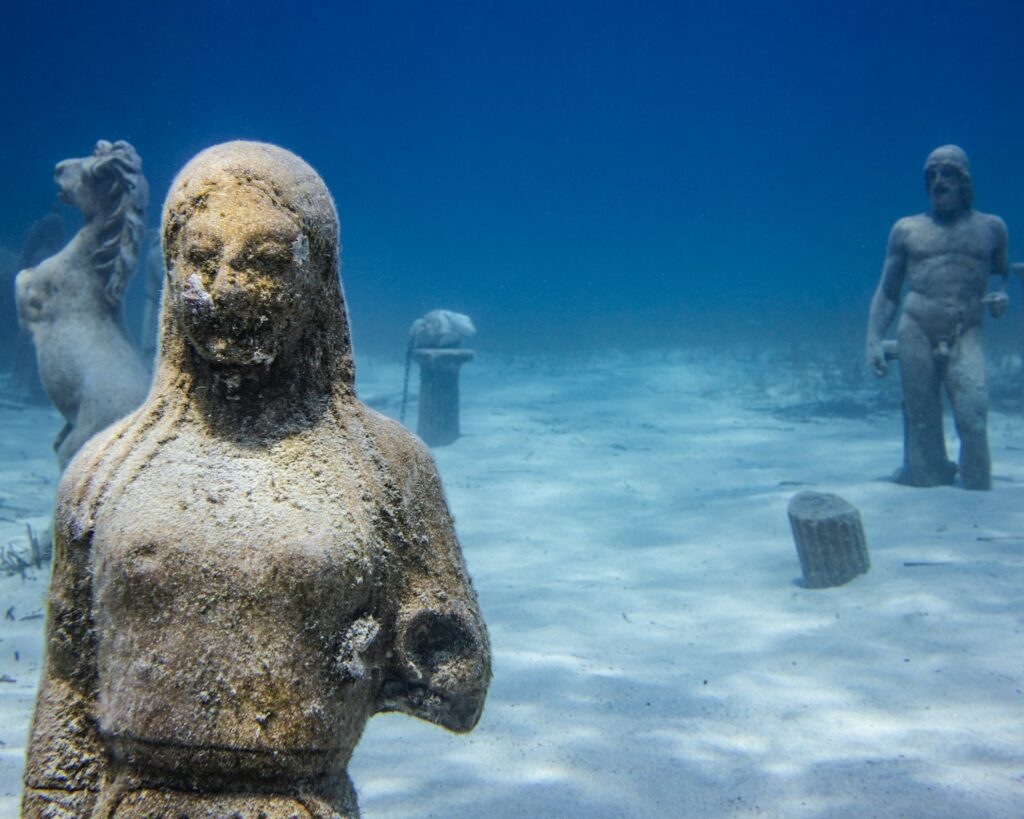
Let’s start with the obvious one—the city that may not exist at all. Atlantis was described by the Greek philosopher Plato as a powerful island civilization that sank beneath the sea. Most scholars believe it was a philosophical allegory, not a real place… but that hasn’t stopped people for centuries from trying to find it.
Pompeii
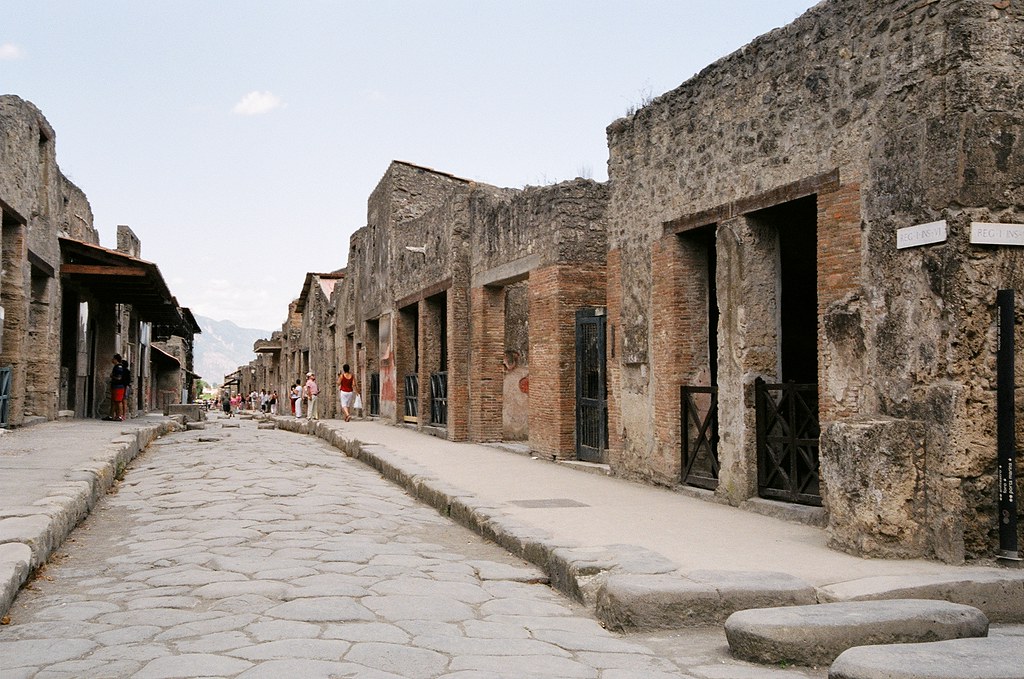
Pompeii isn’t mysterious because it’s lost—it’s mysterious because it’s preserved. When Mount Vesuvius erupted in 79 AD, the city was buried in ash, freezing daily life in place. We know a lot about Pompeii, but questions remain about how many escaped and what those final hours truly looked like.
El Dorado
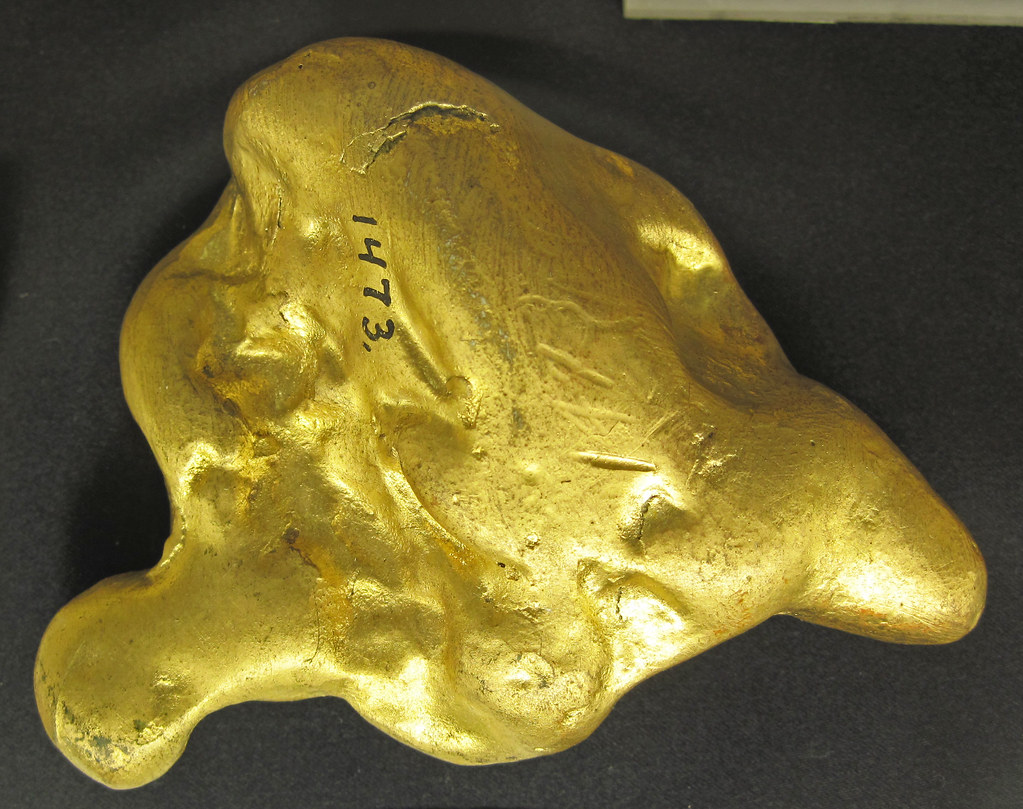
Spoiler: it wasn’t a city. El Dorado began as a legend about a ruler covered in gold dust, which Europeans wildly misinterpreted into a mythical city of unimaginable wealth. Expeditions chased it across South America for centuries and never found it.
Angkor (Cambodia)
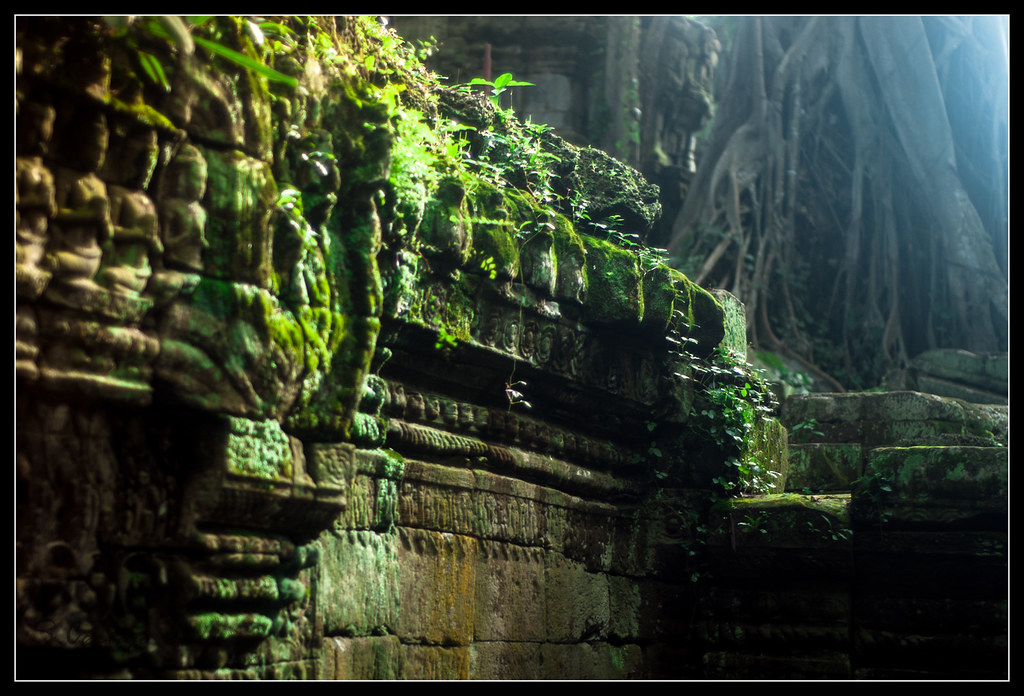
The Khmer capital of Angkor—home to Angkor Wat—was once one of the largest urban centers in the world. It wasn’t exactly “lost,” but it was largely abandoned and reclaimed by the jungle. Its decline is still debated, with theories ranging from climate change to political instability.
Petra (Jordan)
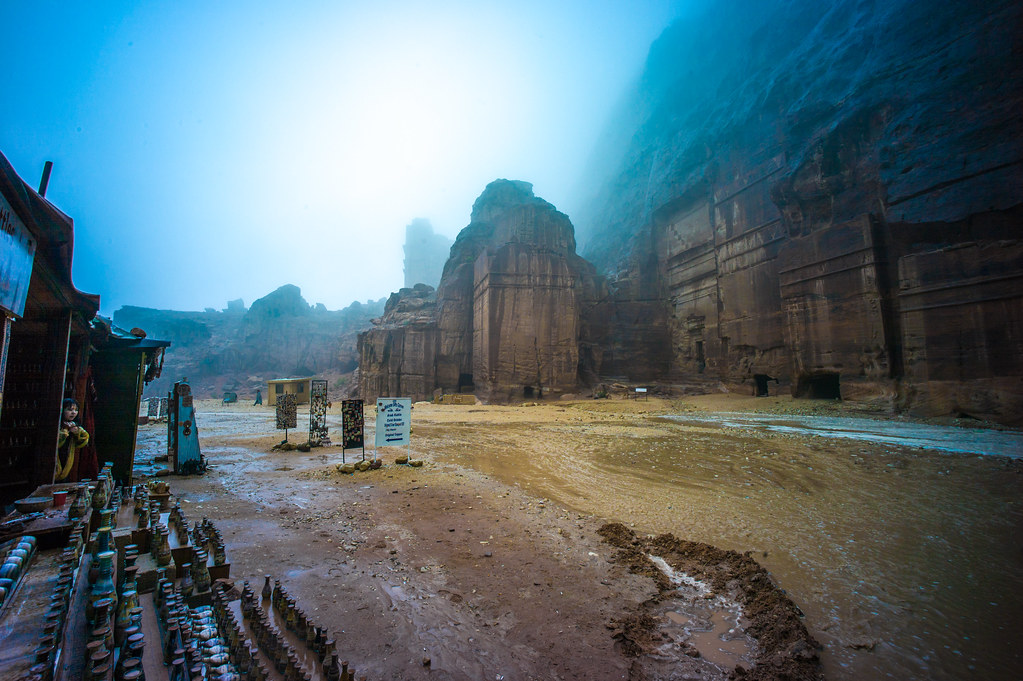
Carved directly into sandstone cliffs, Petra is one of the most visually stunning ancient cities on Earth. Built by the Nabataeans, it was a major trade hub. Its decline likely came from shifting trade routes, but its rediscovery by outsiders in the 1800s added to its mystique.
Machu Picchu (Peru)
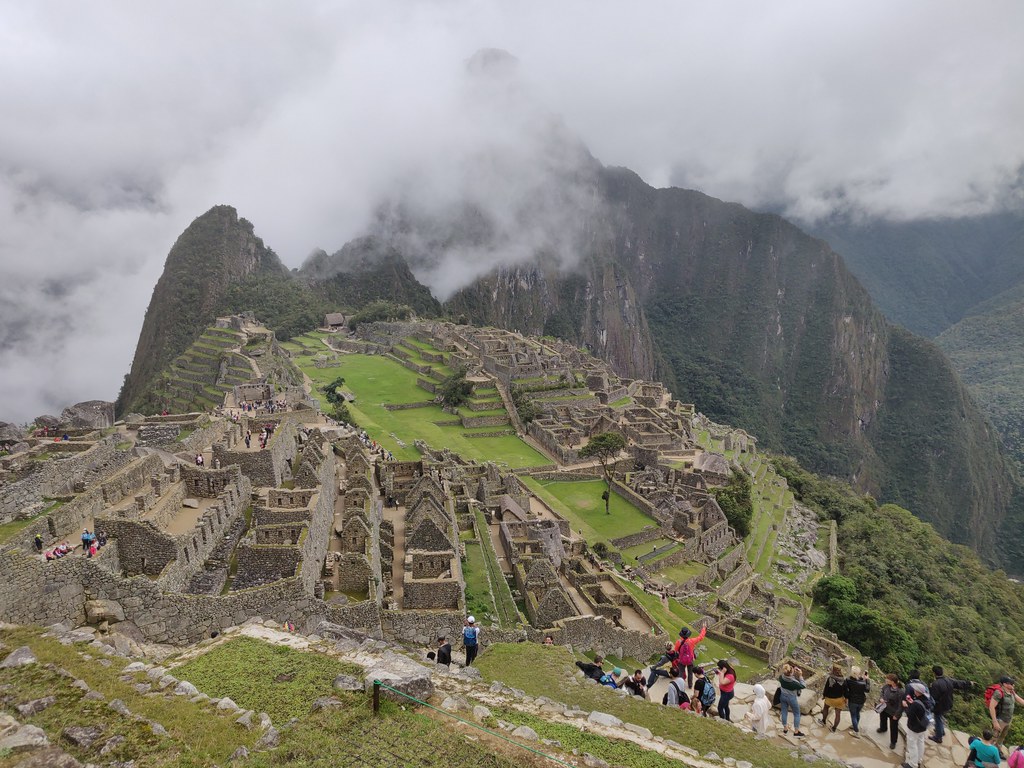
Often called the “lost city of the Incas,” Machu Picchu was never truly lost to local populations—it was just unknown to the outside world until 1911. Its exact purpose is still debated: royal estate, religious site, or both.
Teotihuacan (Mexico)
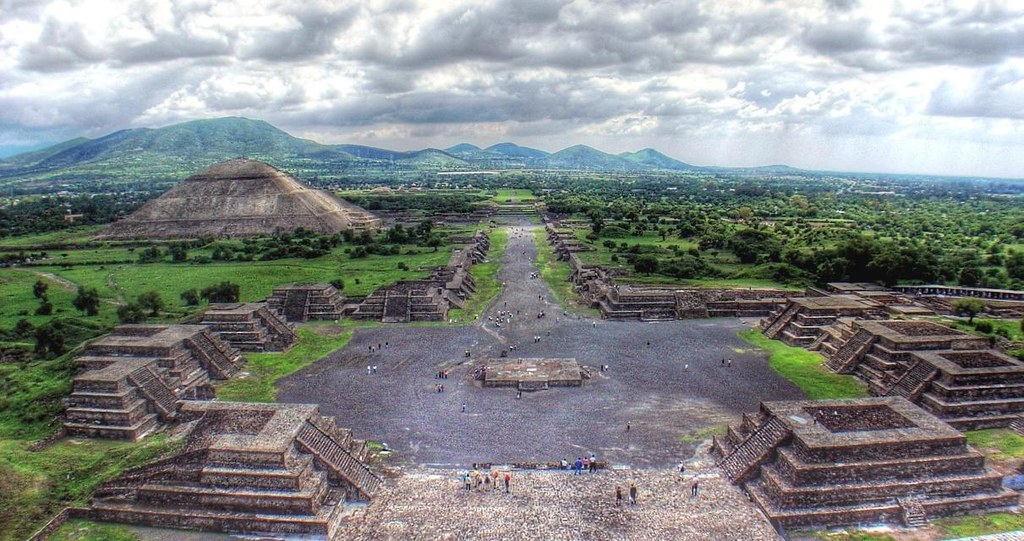
One of the largest cities in the ancient world, Teotihuacan, predates the Aztecs, who themselves didn’t know who built it. Its original name is unknown, and while we understand much of its layout, the identity of its founders remains a mystery.
Troy (Turkey)
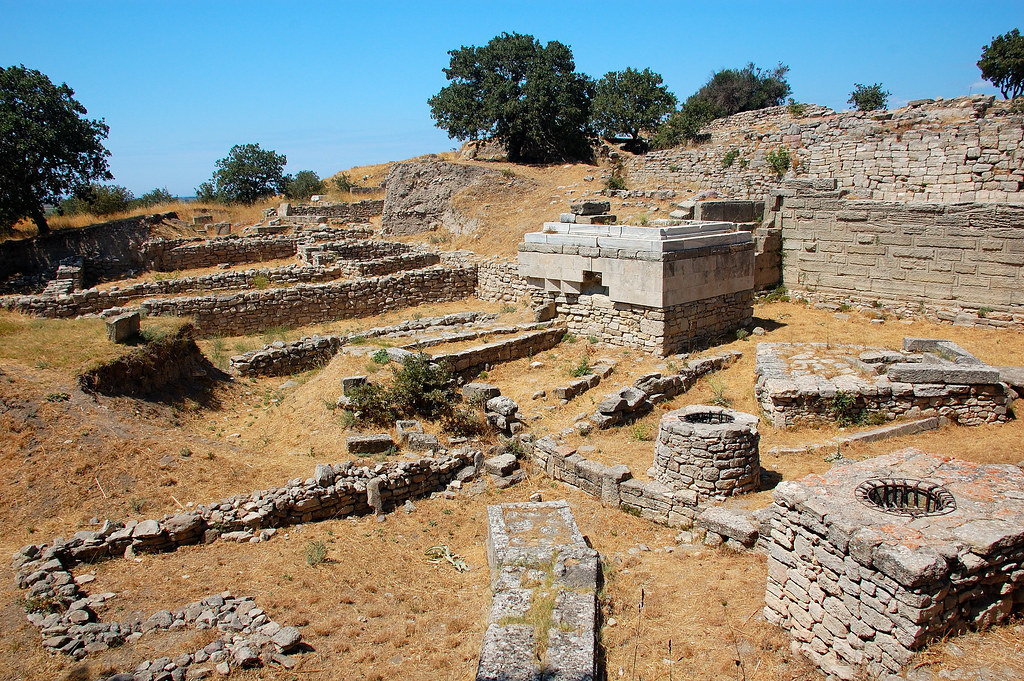
Yes, Troy was real. Archaeological excavations have uncovered multiple layers of cities built on the same site. What’s less clear is how much of Homer’s Iliad reflects actual events versus myth. The truth likely sits somewhere in between.
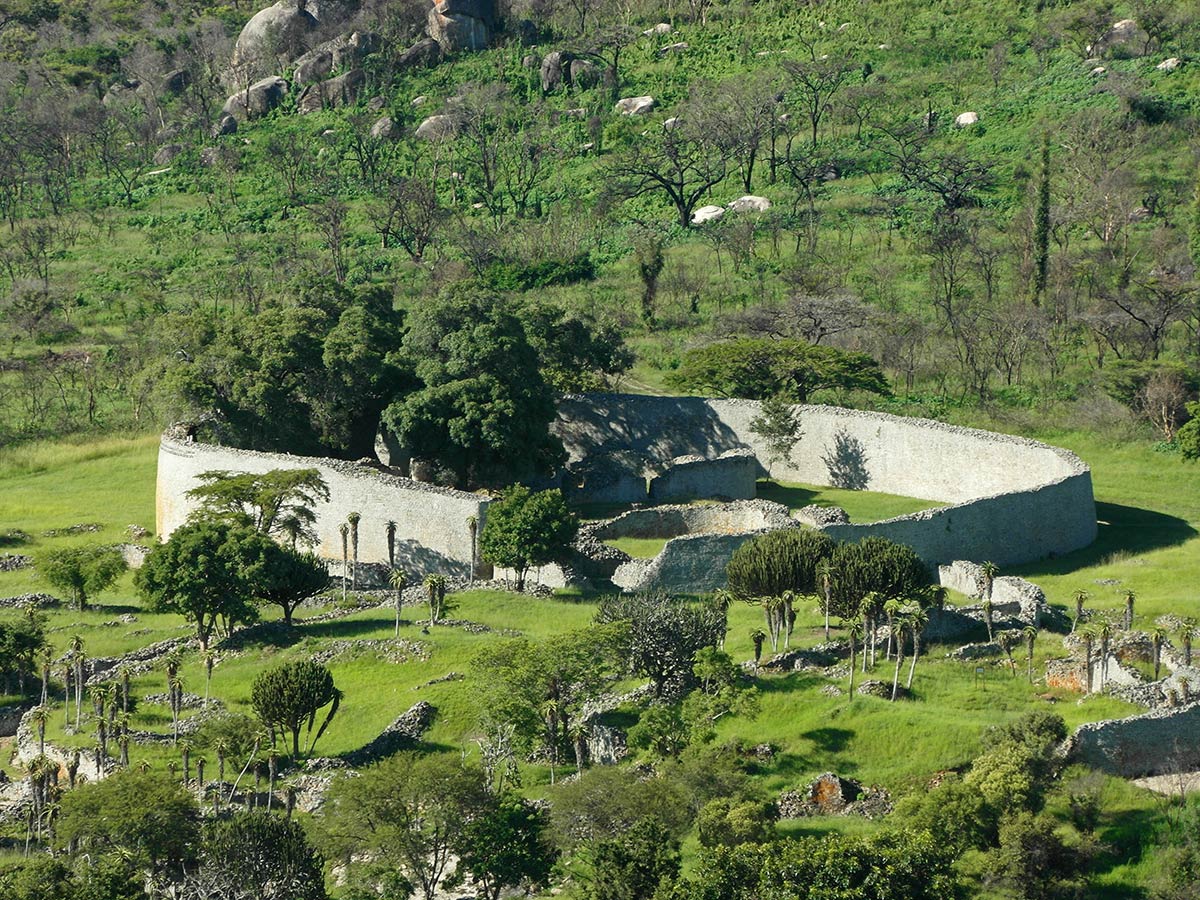
Great Zimbabwe
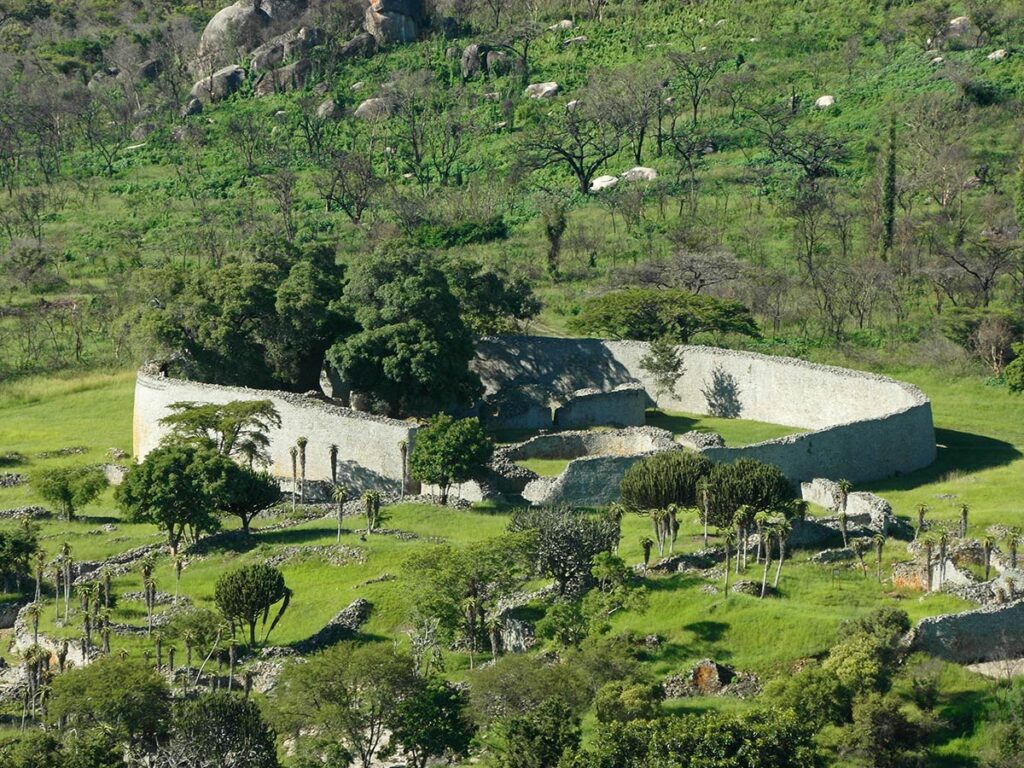
Once the center of a powerful African kingdom, Great Zimbabwe was a major trade hub. Its massive stone structures still stand, but its decline in the 15th century remains debated, with environmental and economic shifts likely playing a role.
Cahokia (USA)
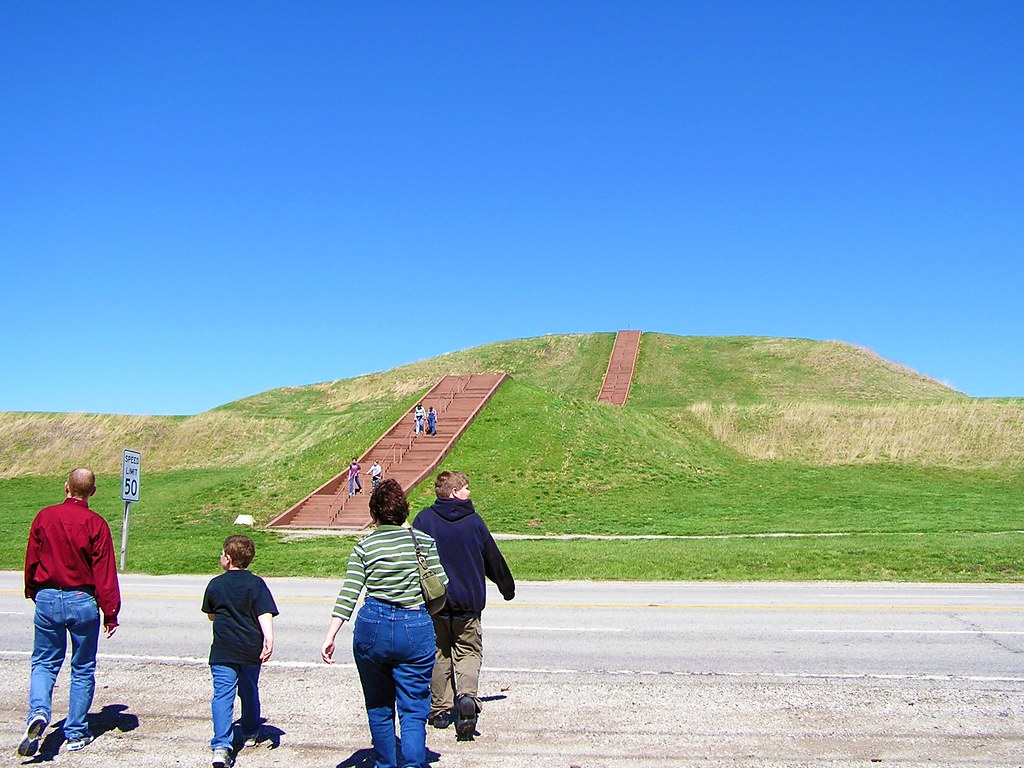
Near present-day St. Louis, Cahokia was the largest pre-Columbian city north of Mexico and rivaled major European cities in size. Then it was abandoned. Theories range from climate change to resource strain—but no single explanation has been confirmed.
Mystery Is the Point
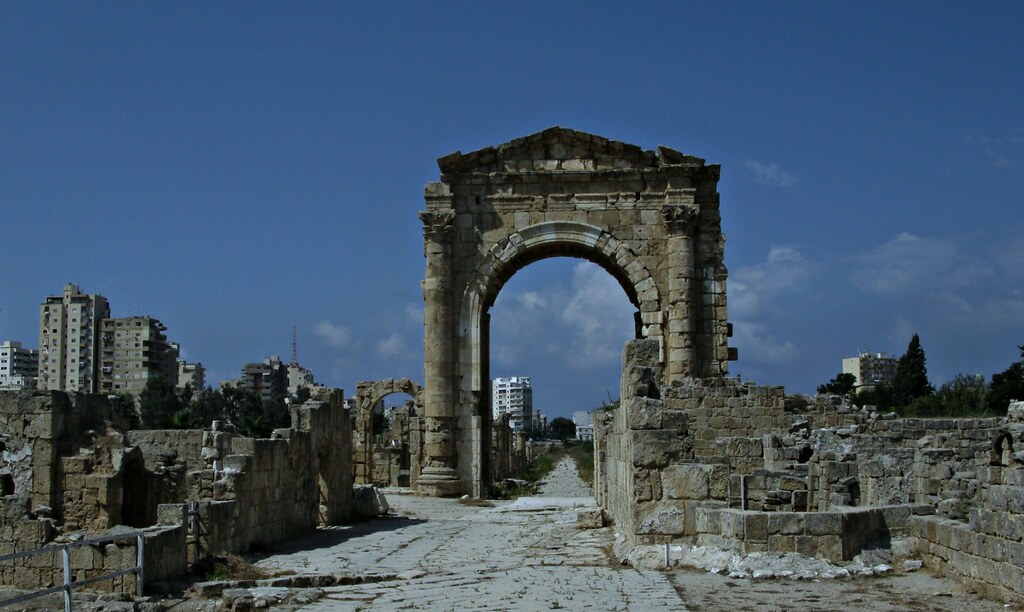
Not all of these cities are “lost” in the literal sense, but each holds unanswered questions. And that’s what keeps them fascinating. Because history isn’t just about what we know—it’s about what we’re still trying to figure out.
Read More:
- Nostalgic ’90s Foods That Deserve a Comeback
- 20 Surprising Truths About Medieval Life and Warfare
- The Most Chilling Urban Legend in Every State