
In a capitalist society, your wallet is basically your ballot, and Millennials have been voting loudly. Entire industries haven’t collapsed overnight, but they’ve definitely felt the shift as younger consumers spend differently than previous generations.
Here are 15 industries Millennials have cooled on (or at least side-eyed into irrelevance).
Diamond Engagement Rings
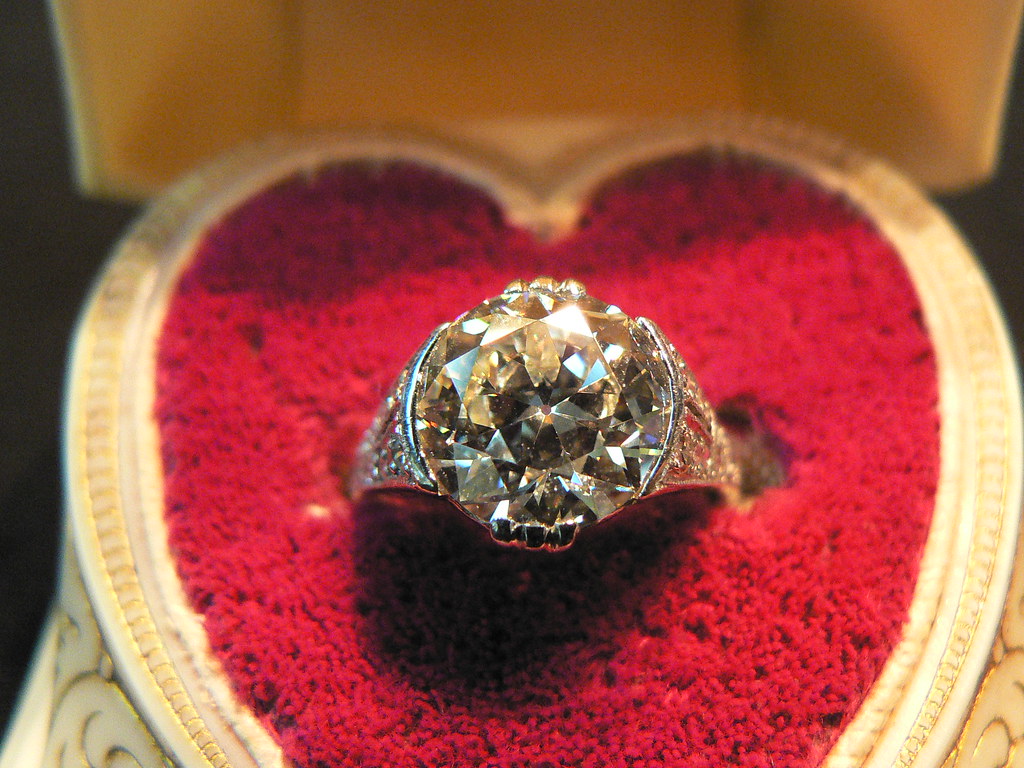
Turns out, “three months’ salary” was more marketing than mandate. Millennials are opting for lab-grown diamonds, alternative stones, or skipping traditional rings altogether—thanks to cost concerns and ethical sourcing questions.
Fast Fashion
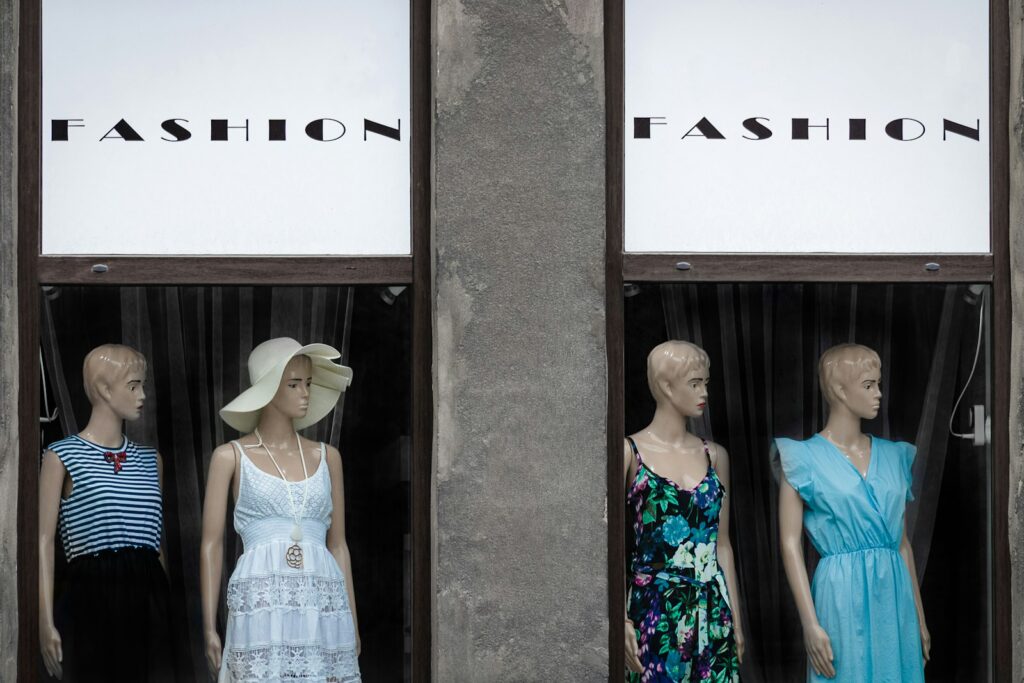
Millennials helped fuel fast fashion and then immediately started calling it out. Concerns over waste, quality, and labor practices have pushed many toward secondhand and sustainable brands, or toward buying fewer things (a radical concept, apparently).
Cable TV Packages
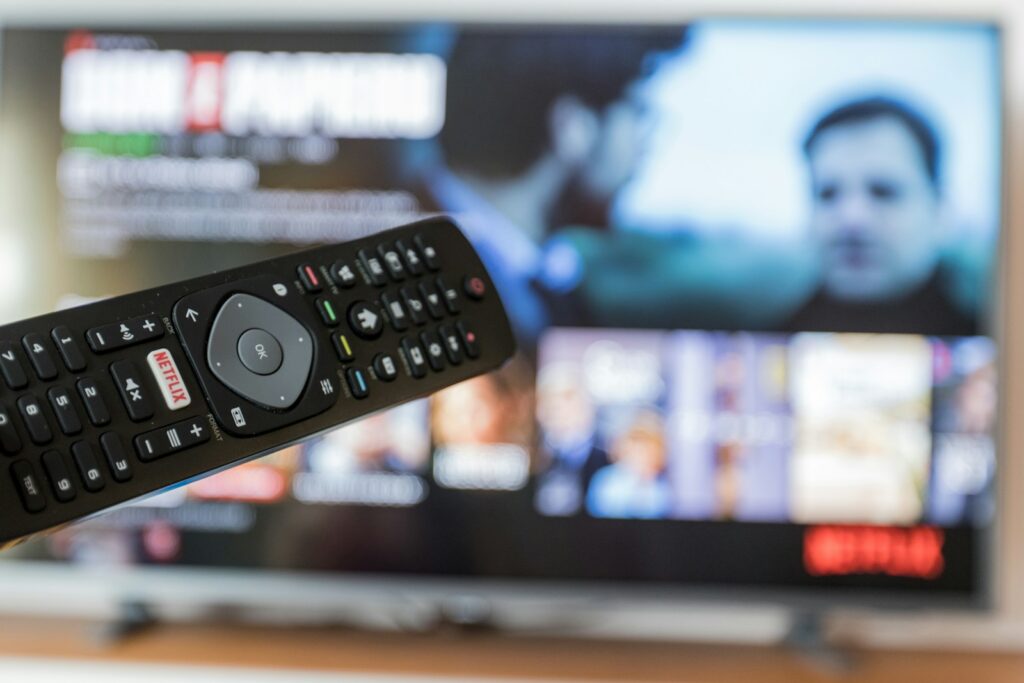
Pay $150 for 800 channels you don’t watch? Hard pass. Streaming didn’t just disrupt cable—it obliterated the idea that anyone should tolerate contracts, hidden fees, and channel bundles from 2003.
Printed Books
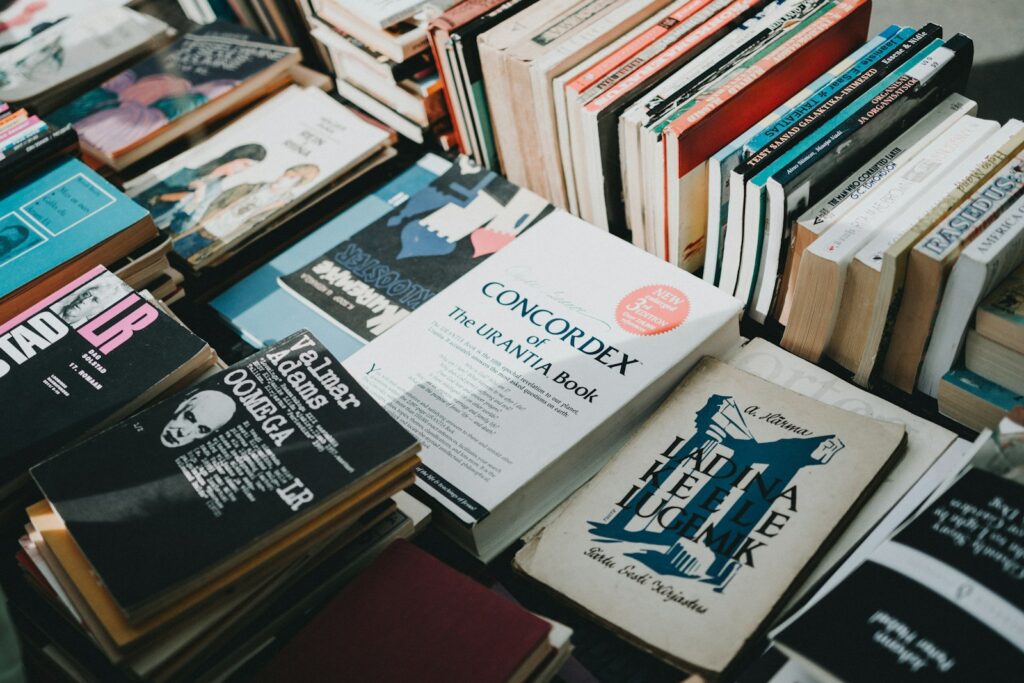
Let’s not go too far here—books aren’t dead. But Millennials have absolutely embraced e-books and audiobooks for convenience. Physical books are now more of a vibe than a necessity.
Brand-Name Cleaning Products
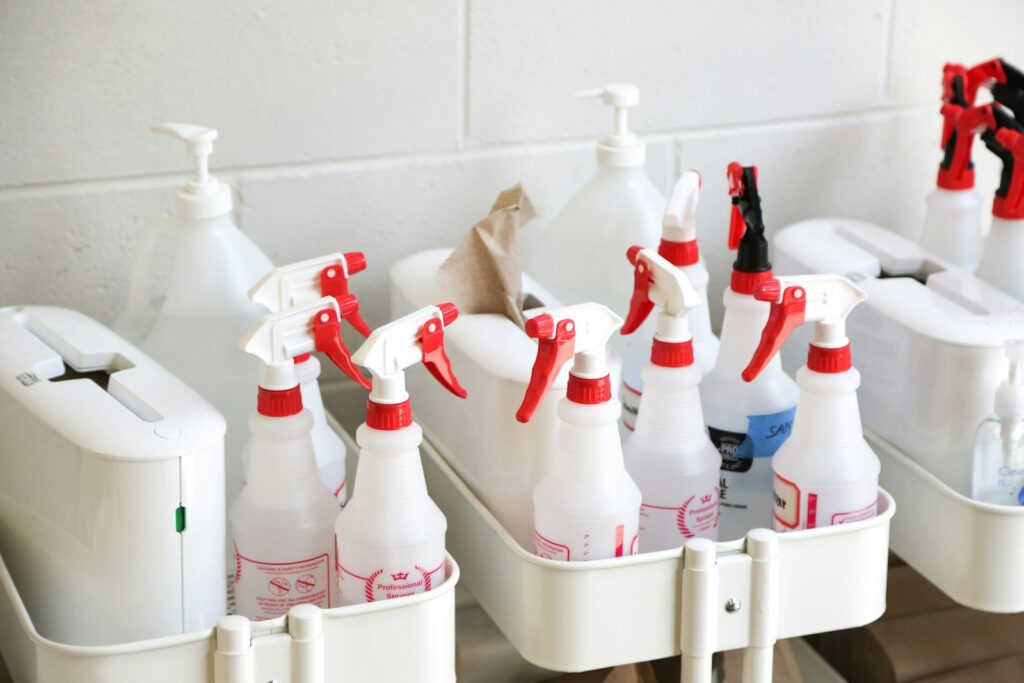
Millennials read labels. Like… all of them. That’s led to a rise in generic brands, eco-friendly products, and DIY solutions. Bonus: fewer mystery chemicals with names that sound like boss fights.
Traditional Gyms
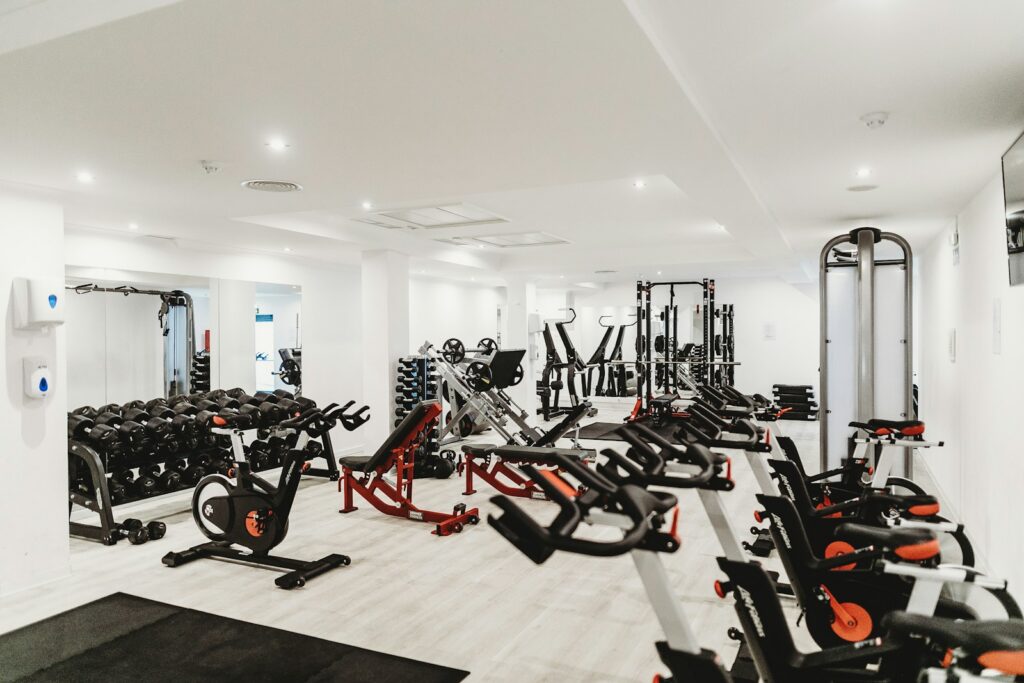
It’s not that Millennials don’t work out—it’s that they refuse to be locked into a 12-month contract for a treadmill they hate. Boutique fitness, apps, Pelotons, and at-home workouts have taken over.
Disposable Diapers
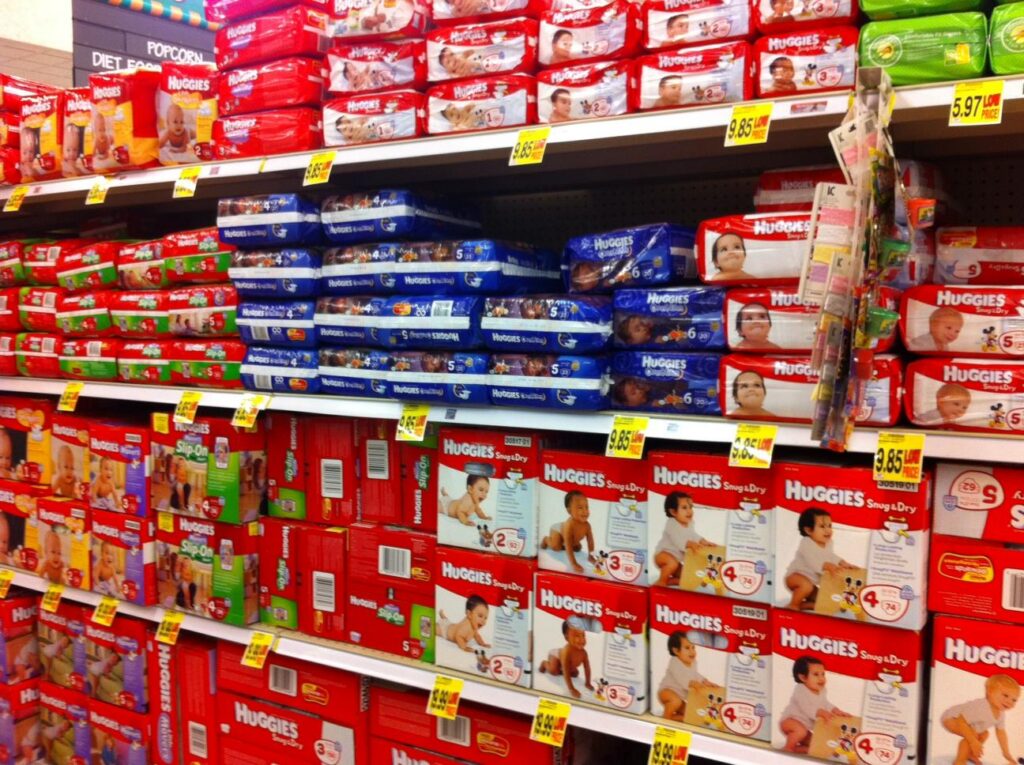
Cloth diapers and eco-friendly alternatives are making a comeback. Not universal—but enough to make the disposable diaper industry notice.
Disposable Razors
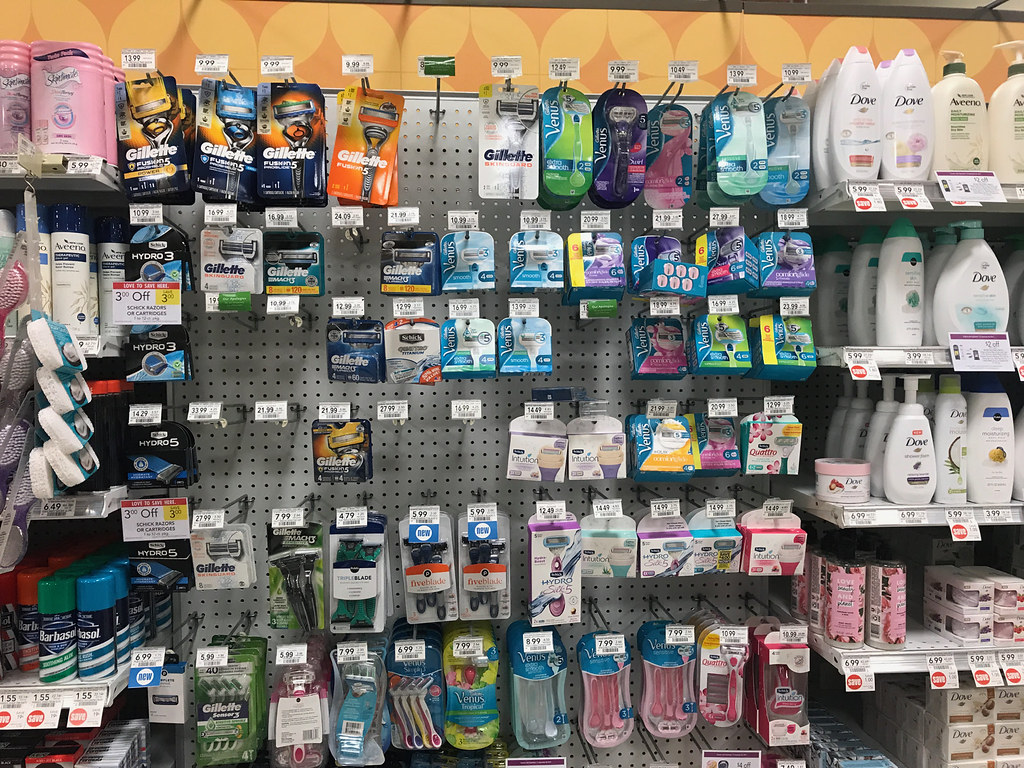
Subscription razors, safety razors, and—plot twist—not shaving at all have cut into the disposable razor market. Sustainability meets “this is getting expensive.”
Bottled Water
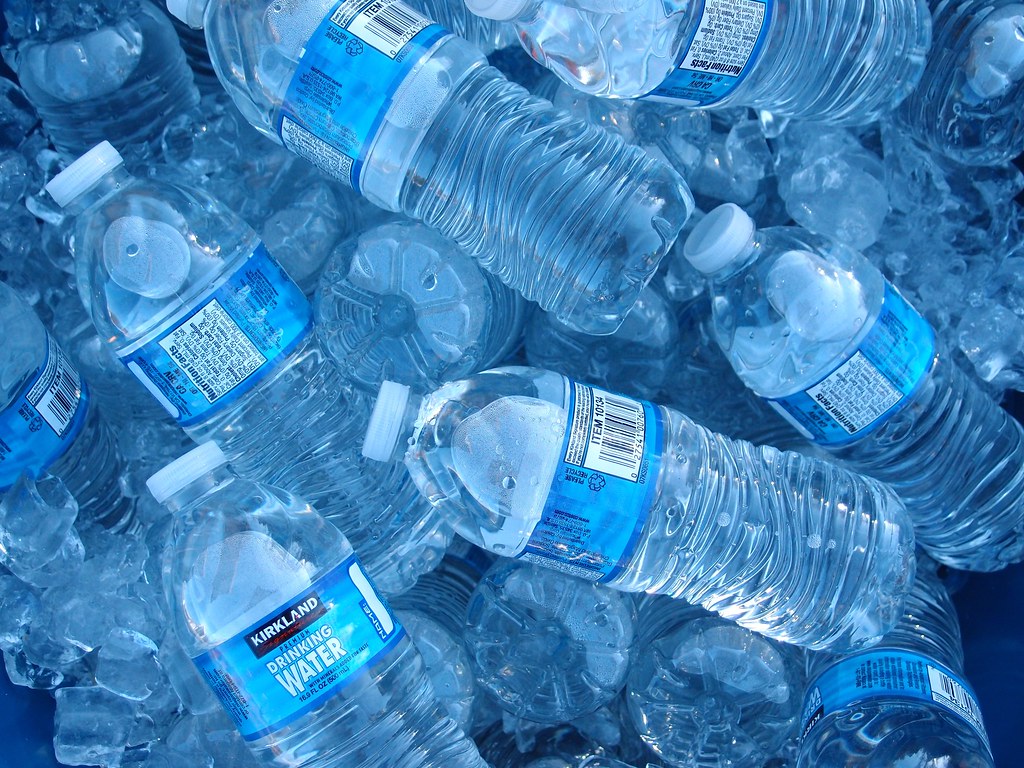
Paying for water in a plastic bottle? Millennials said no (mostly). Reusable bottles, home filtration systems, and a general distrust of paying $3 for… water… have shifted habits.
Single-Use Plastics
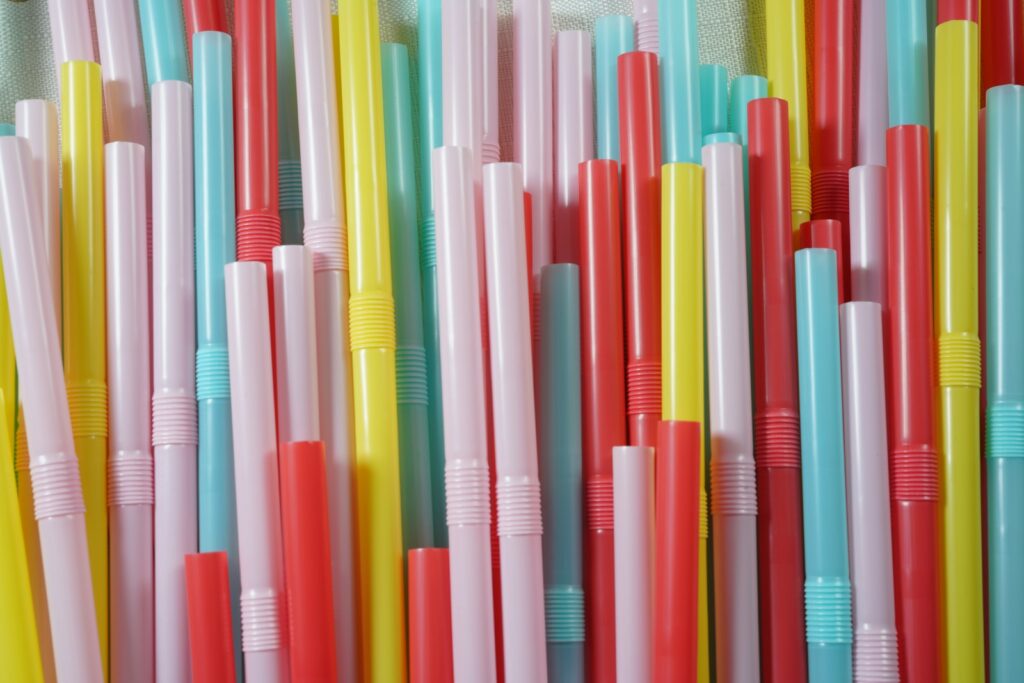
From straws to shopping bags, Millennials have been a driving force behind reducing single-use plastics. Entire policies and corporate strategies have changed because of it.
Manual Toothbrushes
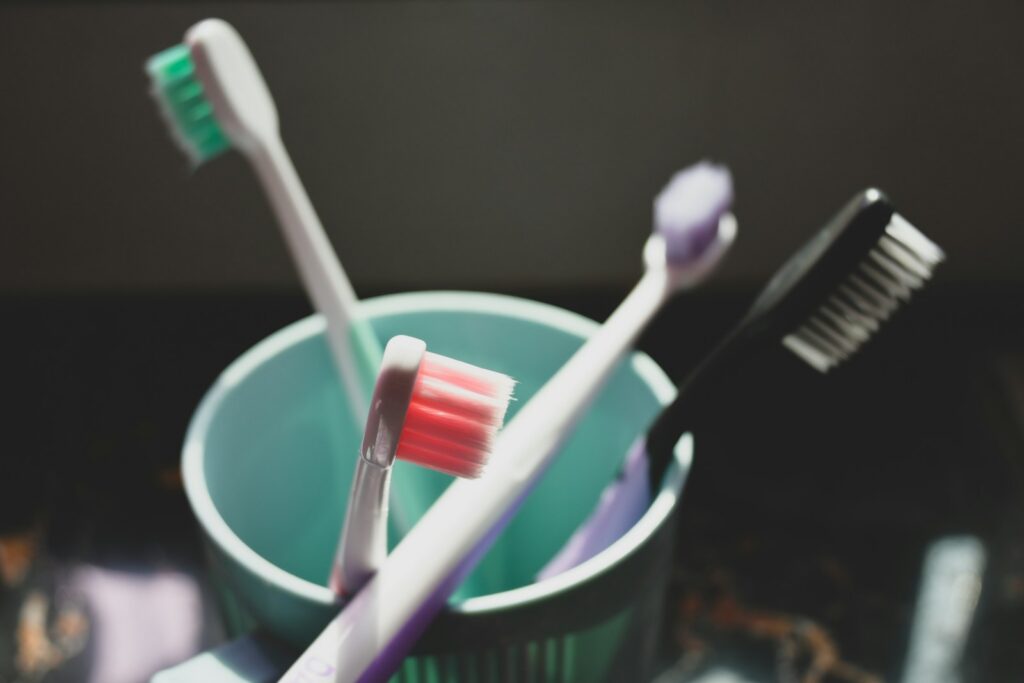
Electric toothbrushes are on the rise, and dentists tend to prefer them for effectiveness. Manual toothbrushes aren’t gone, but they’re definitely losing ground.
Disposable Coffee Cups
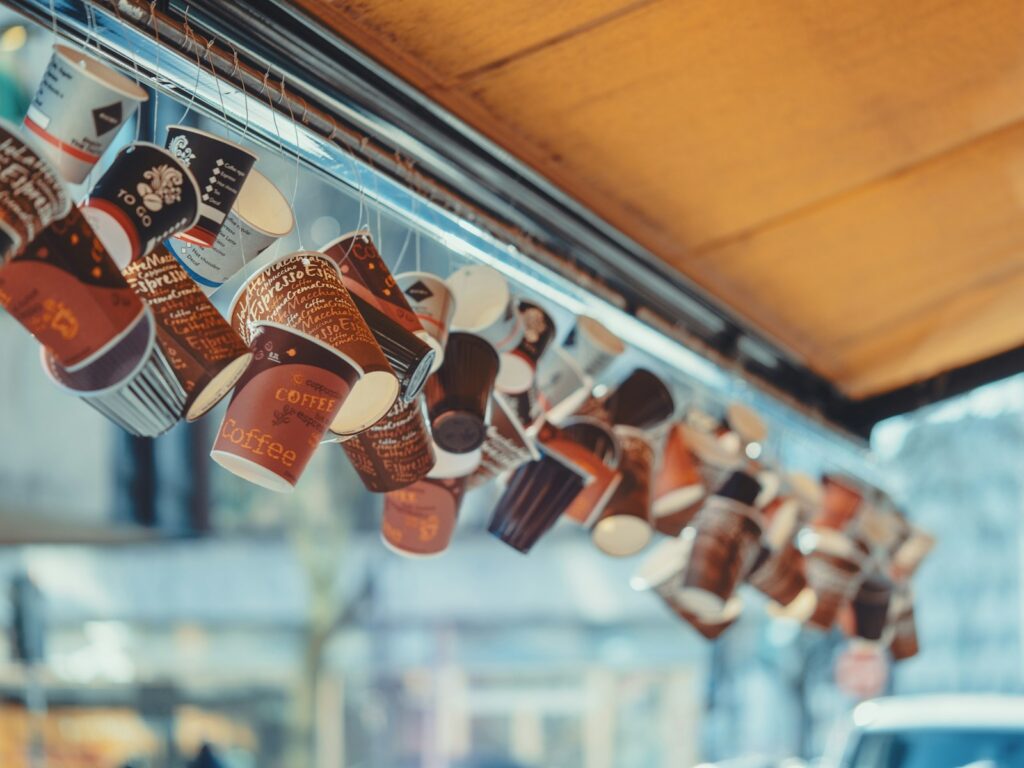
Millennials still love coffee. They just don’t love the waste. Reusable cups, sustainability discounts, and mild barista judgment have helped push this shift.
Non-Organic Produce
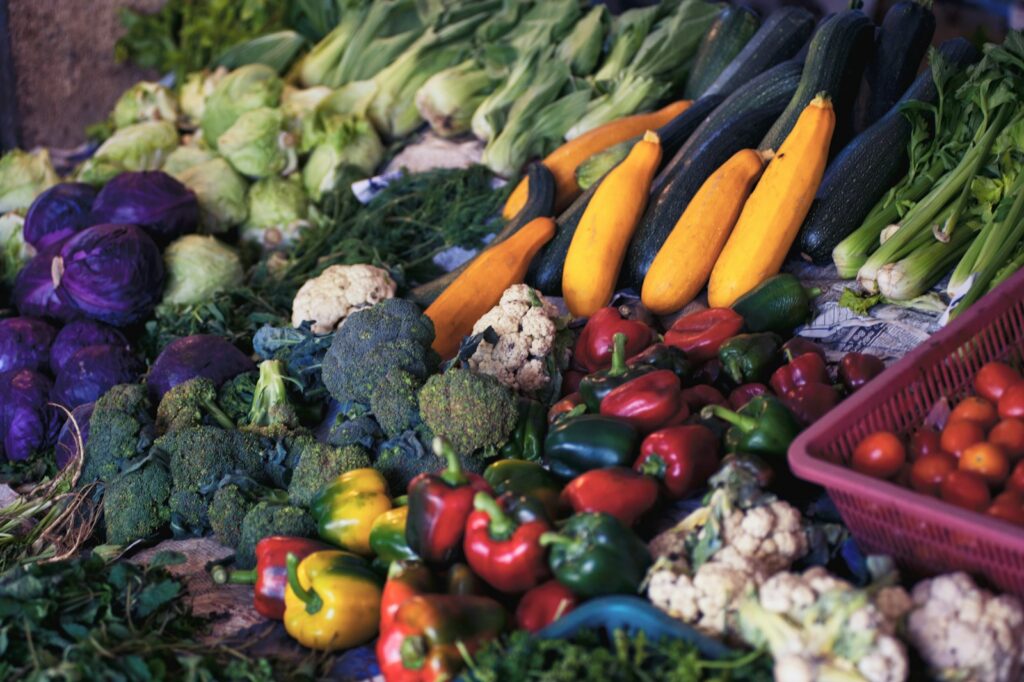
This one’s more nuanced. Millennials prefer organic and local when possible, but price still matters. So while demand for organic food has grown, it hasn’t fully replaced conventional options.
Traditional Taxis
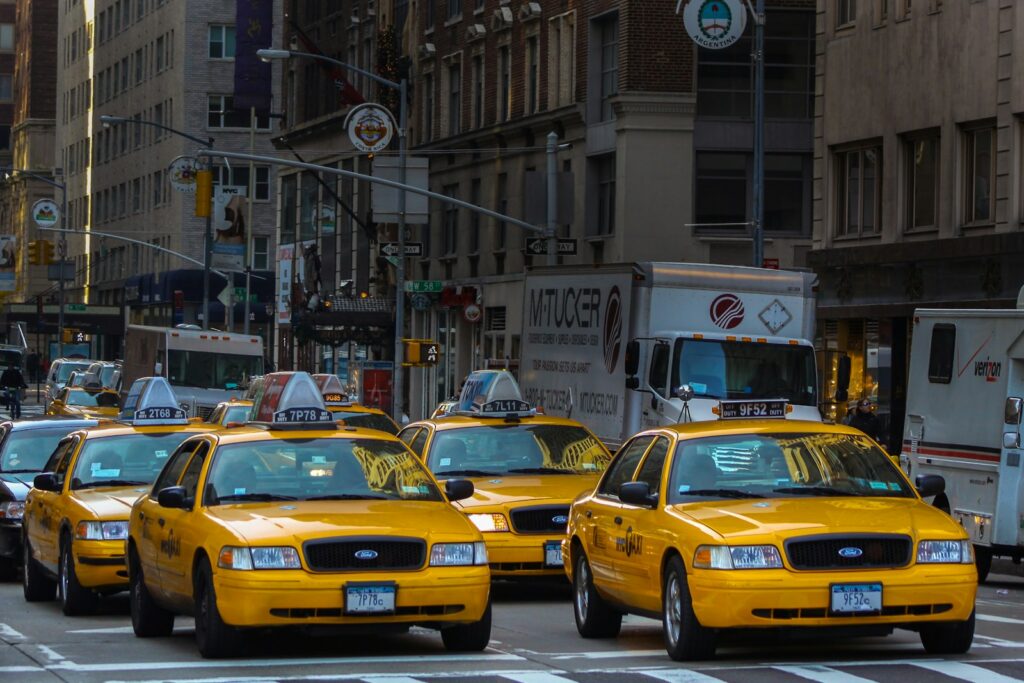
Ride-sharing apps didn’t just compete with taxis—they rewrote the entire experience. Upfront pricing, app-based convenience, and not having to awkwardly explain directions? Game over.
Traditional Banking
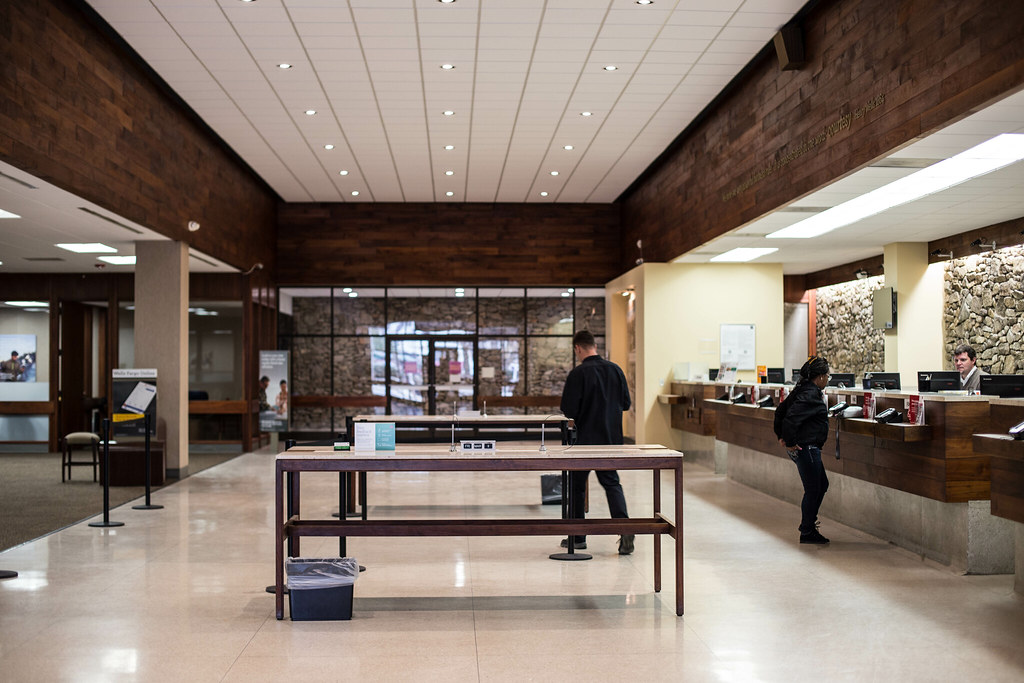
Millennials didn’t abandon banks, but they did demand better ones. Online banks, fintech apps, and digital-first services have exploded, largely because younger consumers expect transparency, low fees, and mobile access. Also… 2008 didn’t exactly build trust.
So… Did Millennials “Kill” These Industries?

Not exactly. But they did force them to evolve. The common thread here isn’t rebellion—it’s priorities: convenience, transparency, sustainability, and value.
Turns out, if you ignore those long enough, people stop buying your stuff. Weird how that works.
Read More:
- US Consumers Have Serious Recession Concerns
- 10 Habits That Make You Look Richer Than You Are (Without Going Broke)
- 10 Financial Habits That Separate Millionaires From Everyone Else