
For many Gen X viewers, 1980s cartoons were not just background noise. They were part of the weekly routine. Saturday mornings felt like an event, and even weekday reruns had their own magic.
These 15 shows stuck for different reasons, but they all left a mark.
15. Spider-Man (1981–1982)
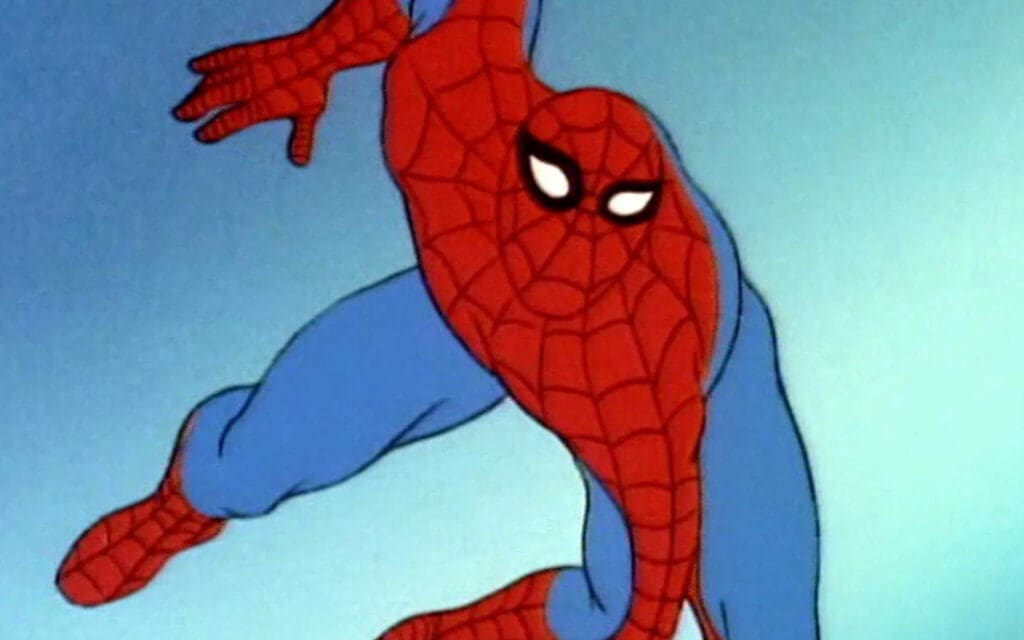
Spider-Man had already been on TV before this version arrived, but the 1981 series gave him a fresh Saturday-morning reset. It followed Peter Parker, a college student and Daily Bugle photographer, as he fought familiar villains in a format built for younger viewers.
14. The Smurfs (1981–1989)
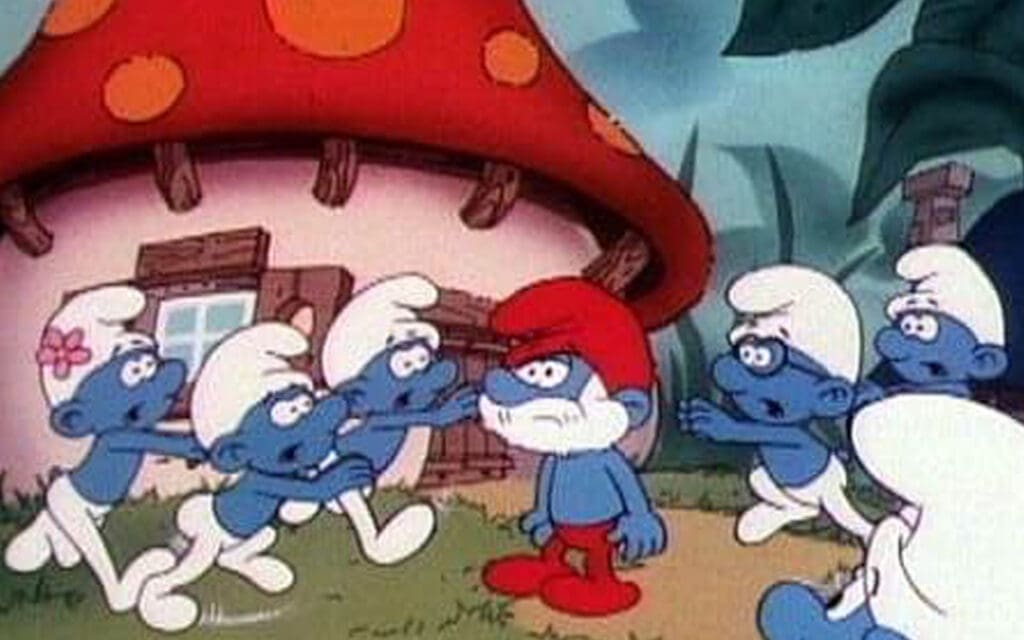
The Smurfs turned a Belgian comic property into one of the decade’s biggest cartoon hits. Its formula was simple, but that was part of the appeal: bright animation, easy storylines, and a huge cast of tiny blue characters who somehow all felt distinct. Gargamel did a lot of the heavy lifting, too.
13. Garfield and Friends (1988–1994)
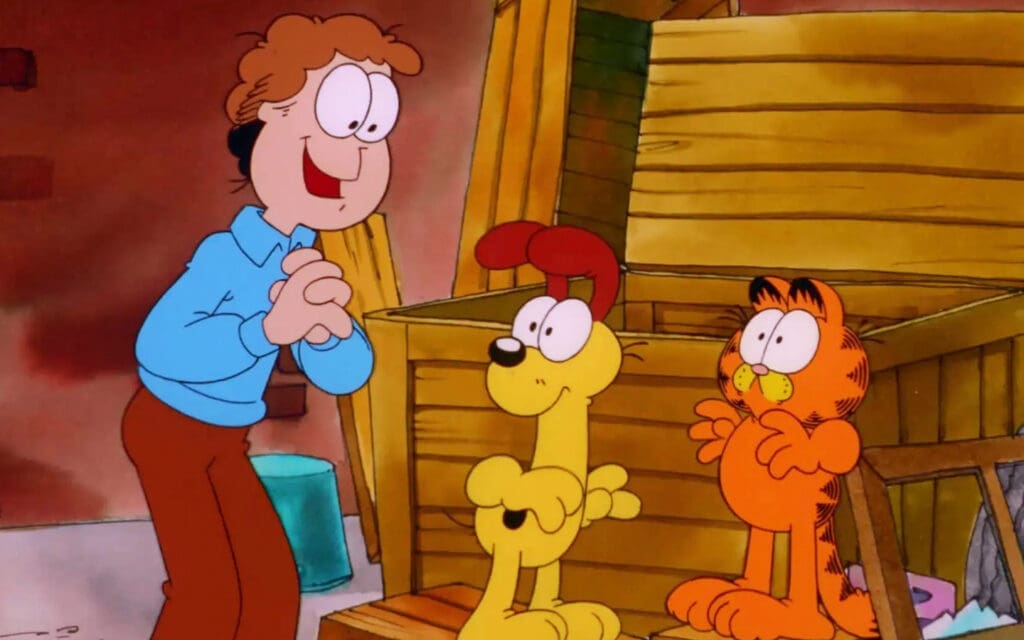
Garfield and Friends took Jim Davis’s comic strip and expanded it into a fast, funny animated series. Garfield, Jon, and Odie handled the lazy-cat sarcasm, while the U.S. Acres segments gave the show extra variety. That was a smart move. So was giving Garfield most of the best lines.
12. Jem and the Holograms (1985–1988)

Jem and the Holograms mixed pop music, secret identities, and just enough science fiction to make the whole thing feel peak 1980s. Jerrica Benton’s transformation into Jem, powered by the holographic computer Synergy, gave the show its signature style. It was subtle in exactly zero ways.
11. He-Man and the Masters of the Universe (1983–1985)
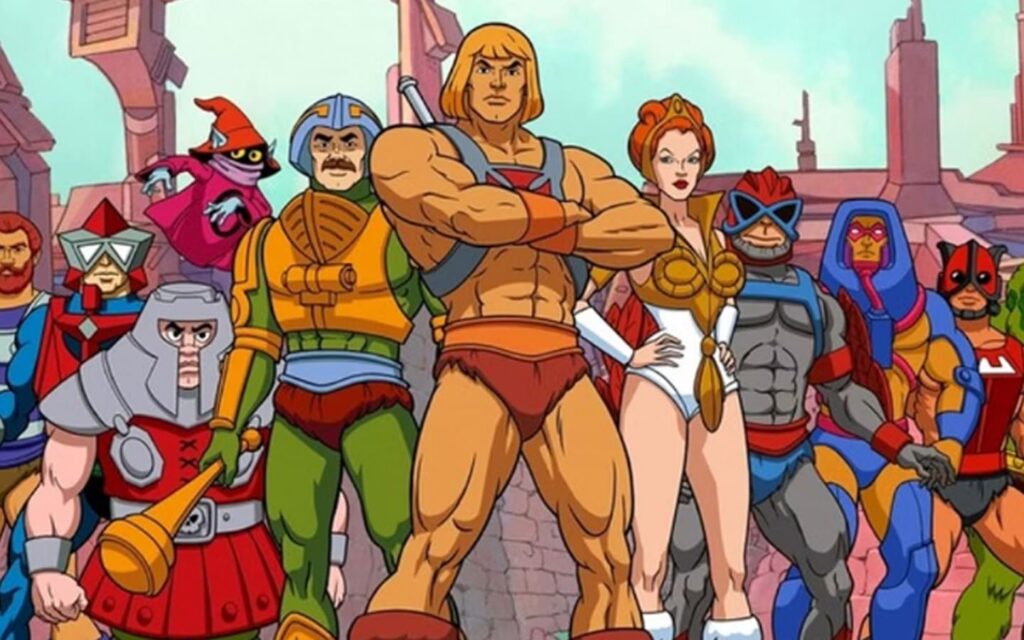
He-Man and the Masters of the Universe helped turn Mattel’s toy line into a full cartoon phenomenon. Prince Adam’s transformation into He-Man and his constant battles with Skeletor gave kids a fantasy world that felt huge, even when the animation sometimes seemed to conserve energy.
10. Voltron: Defender of the Universe (1984–1985)
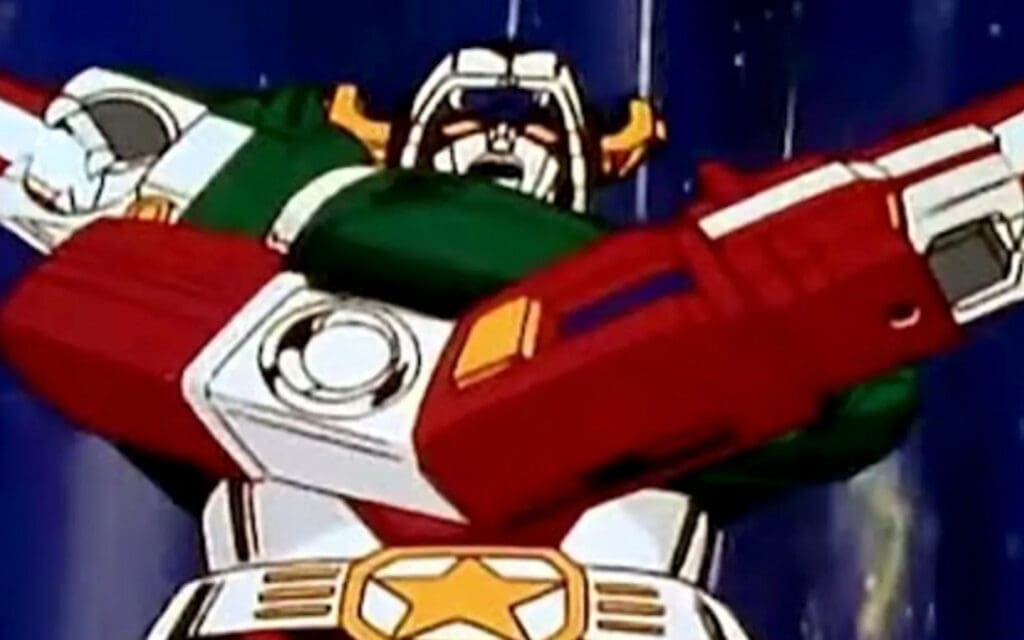
Voltron took Japanese source material and turned it into one of the decade’s most memorable action cartoons. Five pilots controlled five robotic lions that combined into one giant robot, which remains an excellent sales pitch. Sometimes a concept just knows what it is.
9. ThunderCats (1985–1989)
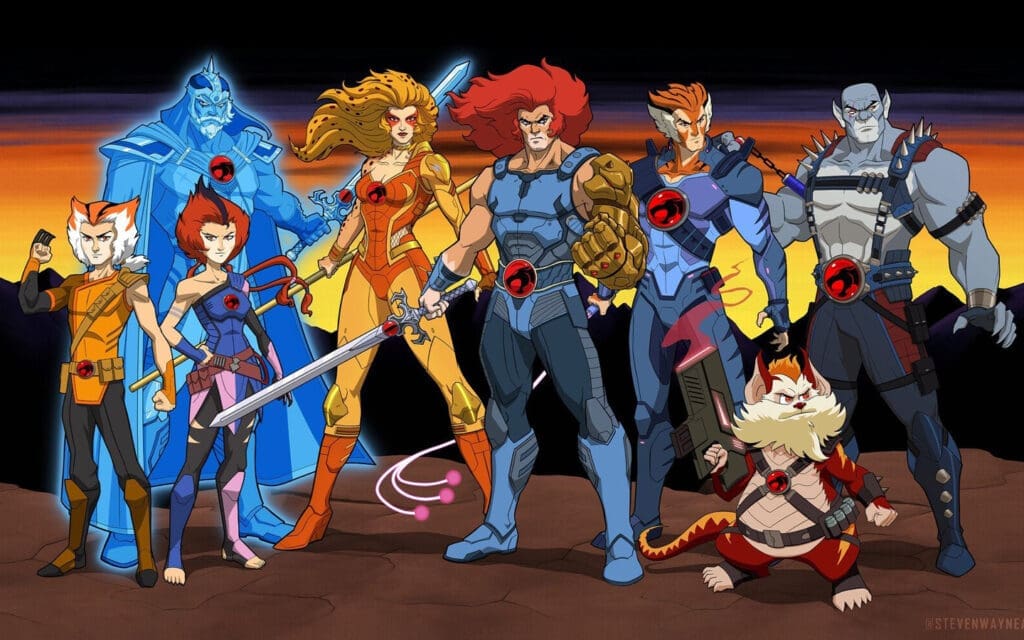
ThunderCats gave kids a fantasy-action world full of swords, monsters, mutants, and cat-like heroes fleeing a dying planet. Lion-O, Mumm-Ra, and the Sword of Omens gave the series a level of drama it never tried to downplay. Casual was never the goal.
8. The Bugs Bunny & Tweety Show (1986–2000)
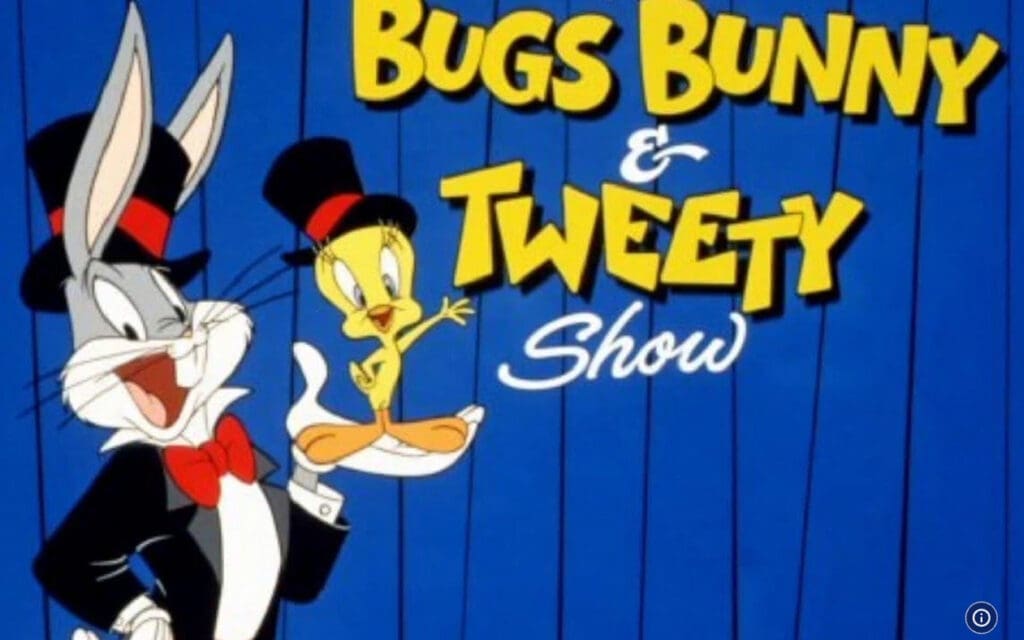
This series repackaged classic Looney Tunes and Merrie Melodies shorts for a new generation of viewers. Bugs, Tweety, Daffy, Sylvester, and the rest still worked because the comedy was fast, visual, and nearly impossible to wear out.
7. Teenage Mutant Ninja Turtles (1987–1996)
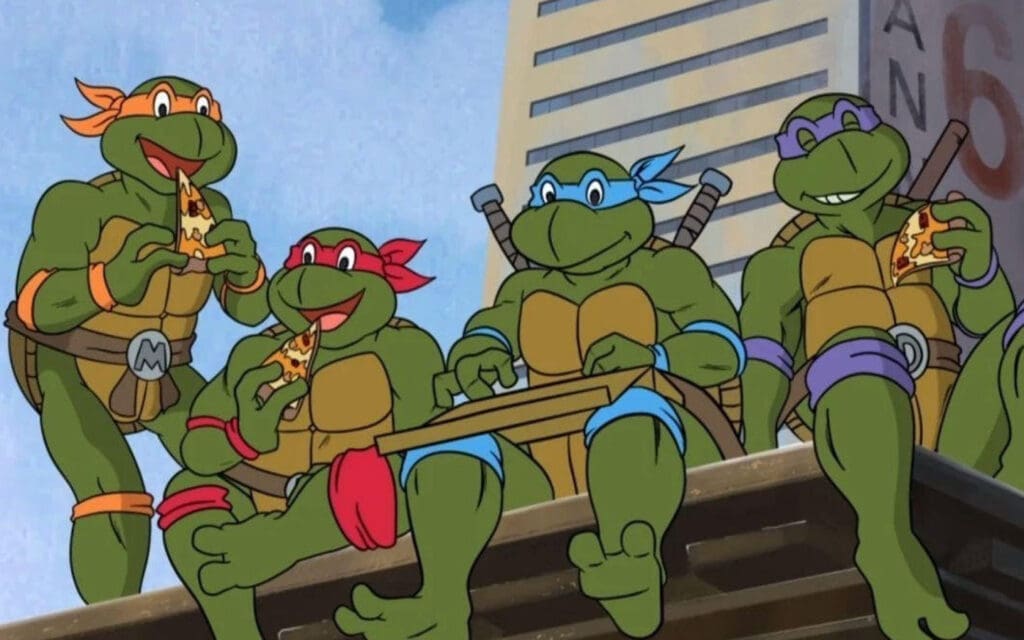
Teenage Mutant Ninja Turtles started as a comic, but the cartoon turned Leonardo, Michelangelo, Donatello, and Raphael into household names. The sewer setting, pizza jokes, toy-friendly designs, and recurring villains like Shredder and Krang made the formula almost unfairly effective. It was weird, and kids loved it.
6. Transformers (1984–1987)
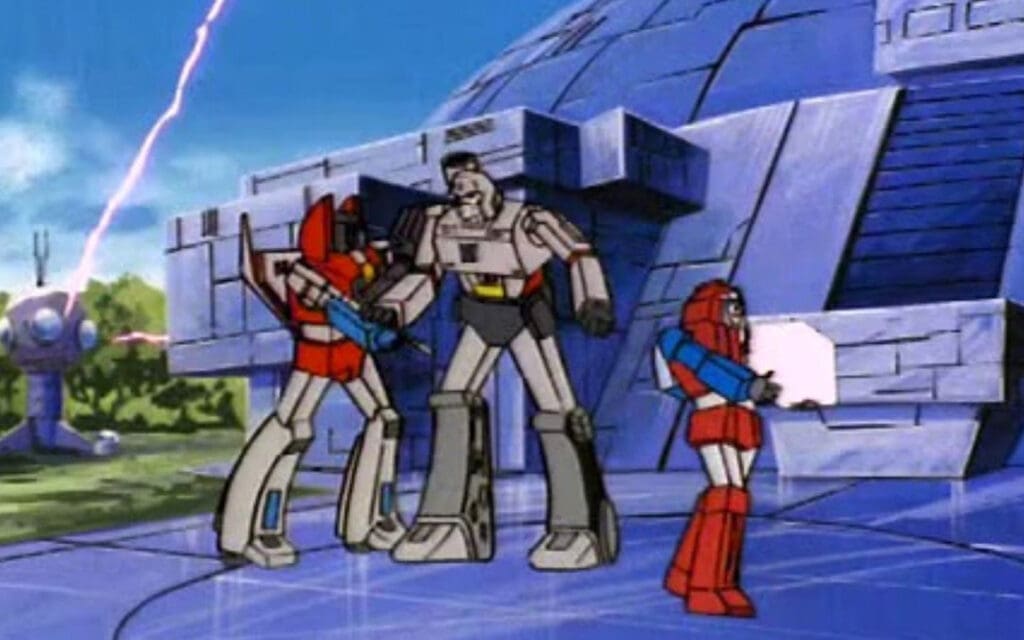
Transformers sold kids on an alien robot war by making the robots turn into vehicles and giving them instantly memorable personalities. Optimus Prime and Megatron anchored the conflict, but the bigger appeal was the sense that any car, truck, or jet might secretly be part of something larger.
5. The Wind in the Willows (1984–1990)
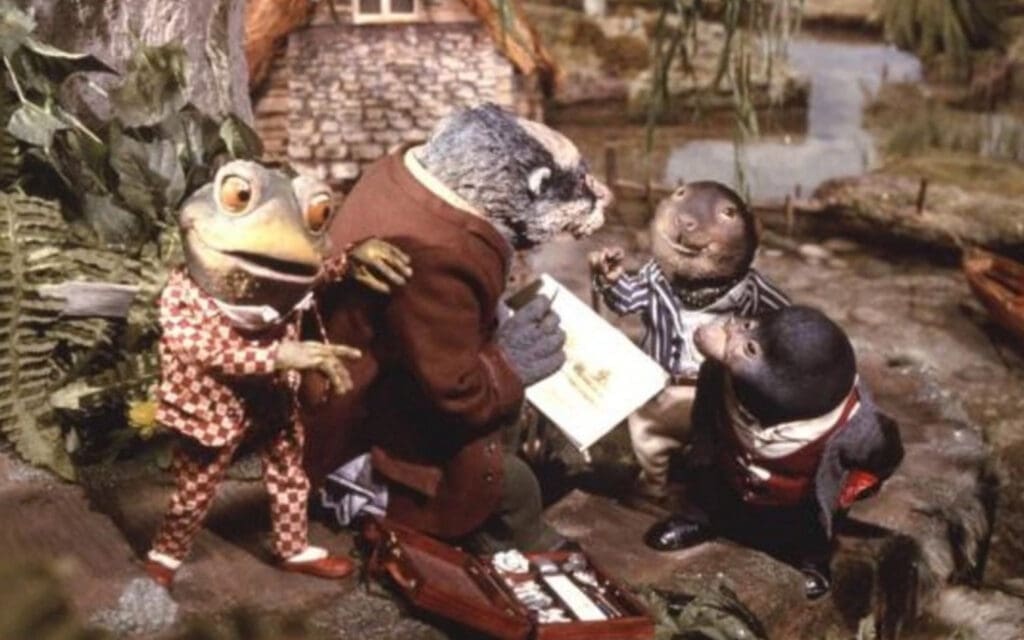
This stop-motion adaptation stood apart from louder action cartoons by leaning into a gentler, more old-fashioned rhythm. Toad, Rat, Mole, and Badger moved through a very British world full of manners, charm, and mild chaos. Sometimes calm wins, too. It had a different rhythm that set it apart.
4. DuckTales (1987–1990)
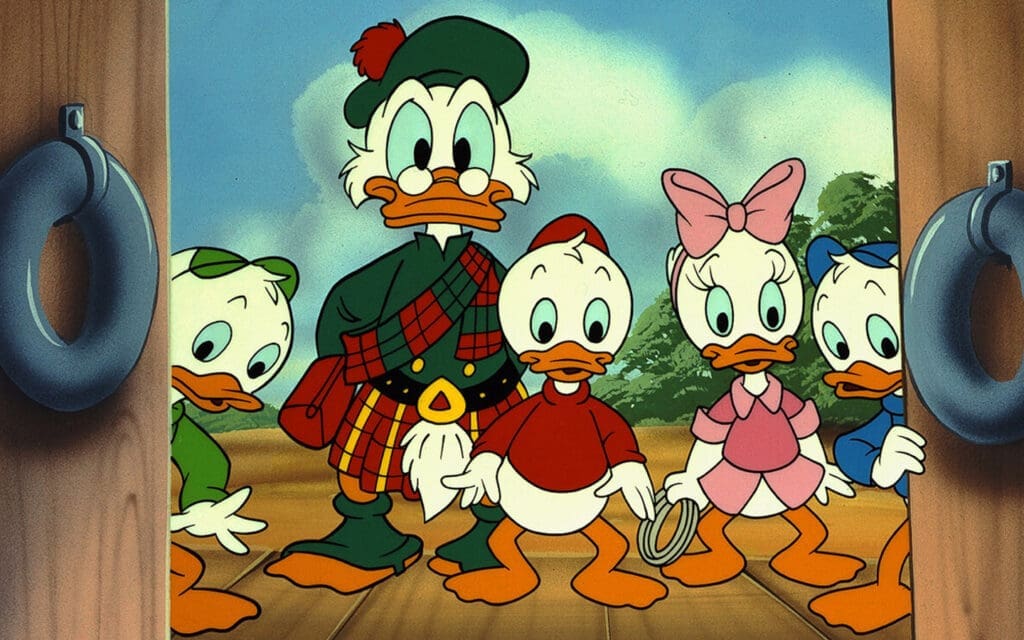
DuckTales followed Scrooge McDuck and his family through treasure hunts that made globe-trotting look like a perfectly normal hobby. The series mixed adventure, comedy, and just enough danger to keep things moving without losing its family-friendly tone. Also, the theme song still arrives fully prepared.
3. The Looney Tunes / Bugs Bunny Comedy Hour (1985–1986)
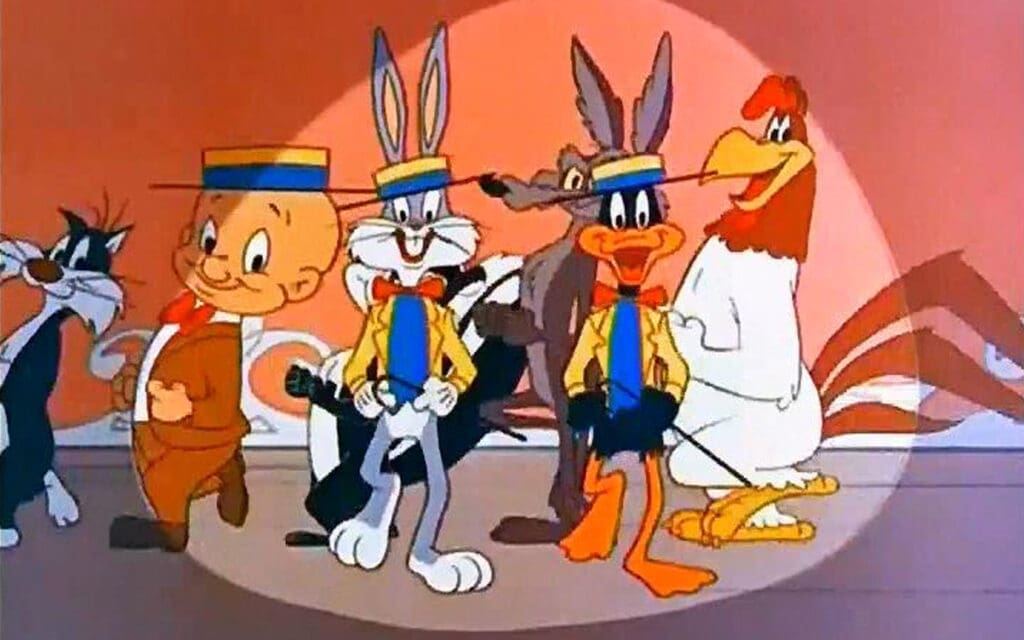
Before The Bugs Bunny & Tweety Show took over, The Looney Tunes / Bugs Bunny Comedy Hour gave classic Warner shorts a longer anthology format. That made it another easy entry point for Gen X viewers who grew up on Bugs, Daffy, Porky, and the rest of the studio’s deep bench.
2. Dragon Ball (1986–1989)
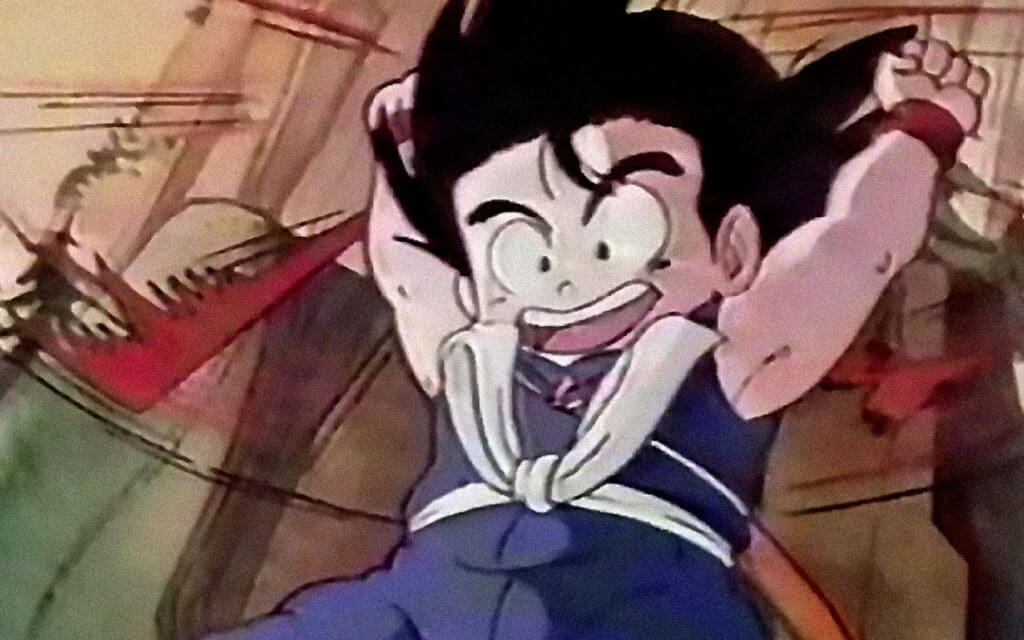
The original Dragon Ball introduced young Goku, Bulma, the Dragon Balls, and the comic-adventure tone that helped launch a massive franchise. It adapted the earlier part of Akira Toriyama’s manga before the later series pushed the story into bigger territory. The power levels came later, but the charm was already there.
1. The Simpsons (1989–present)
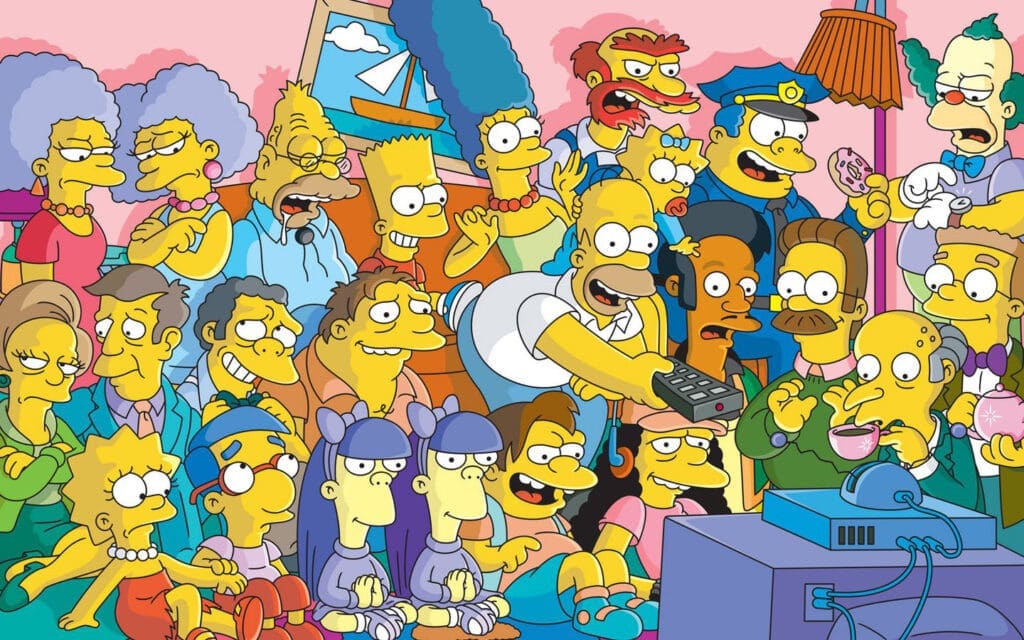
The Simpsons arrived at the very end of the decade, but it quickly became much bigger than a late-’80s cartoon. Its mix of family comedy, satire, and cultural commentary helped it grow into one of the most enduring shows in television history.
These cartoons may have looked wildly different from one another, but together they helped define what Gen X remembered long after the TV was off.
Read More:
- If You Grew Up in the ’70s, These 30 Things Will Hit Home
- 17 Childhood Toys That Would Never Be Allowed Today
- 30 Throwback Moments Only ’80s Kids Will Understand