Europe has been grappling with increasingly severe heatwaves, a trend experts link to ongoing human-caused climate change. With each passing year, the implications of these extreme weather events have become more pronounced, affecting not just the environment but also the socio-economic fabric of the continent.
Scientists warn that unless decisive action is taken, these heatwaves will continue to escalate in frequency and intensity. Here are 10 sobering implications of Europe’s heatwave crisis that highlight the urgent need for climate action.
10. Intensification of Heatwaves
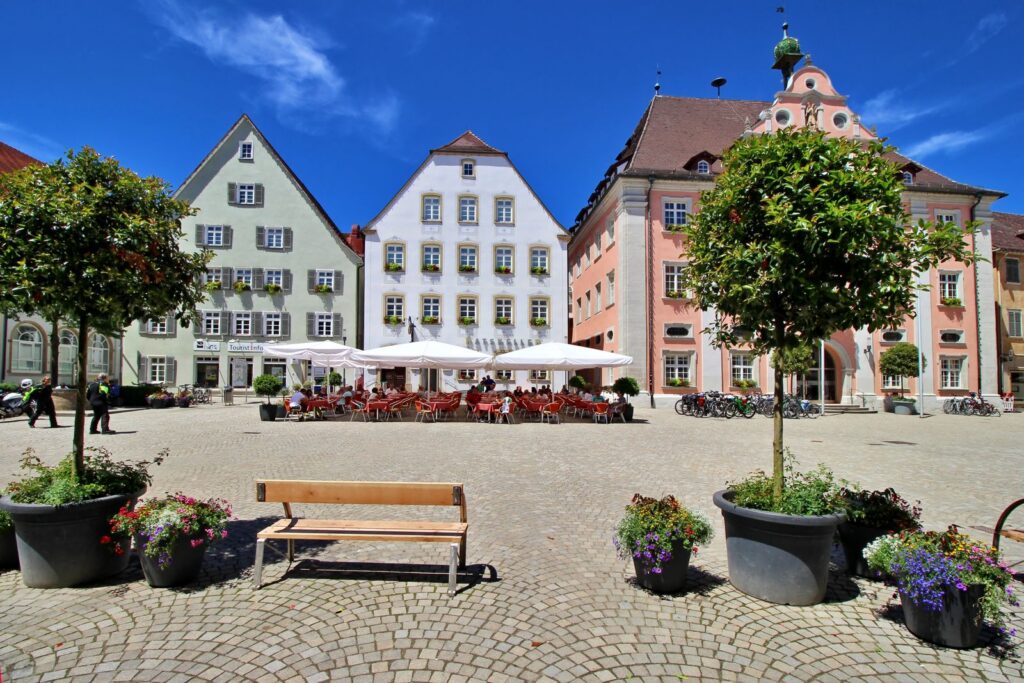
Heatwaves in Europe are becoming more intense and frequent.
As the planet warms, these extreme events are expected to increase, driven by feedback loops in the atmosphere. This intensification poses significant challenges to public health and infrastructure.
9. Prolonged Drought Conditions
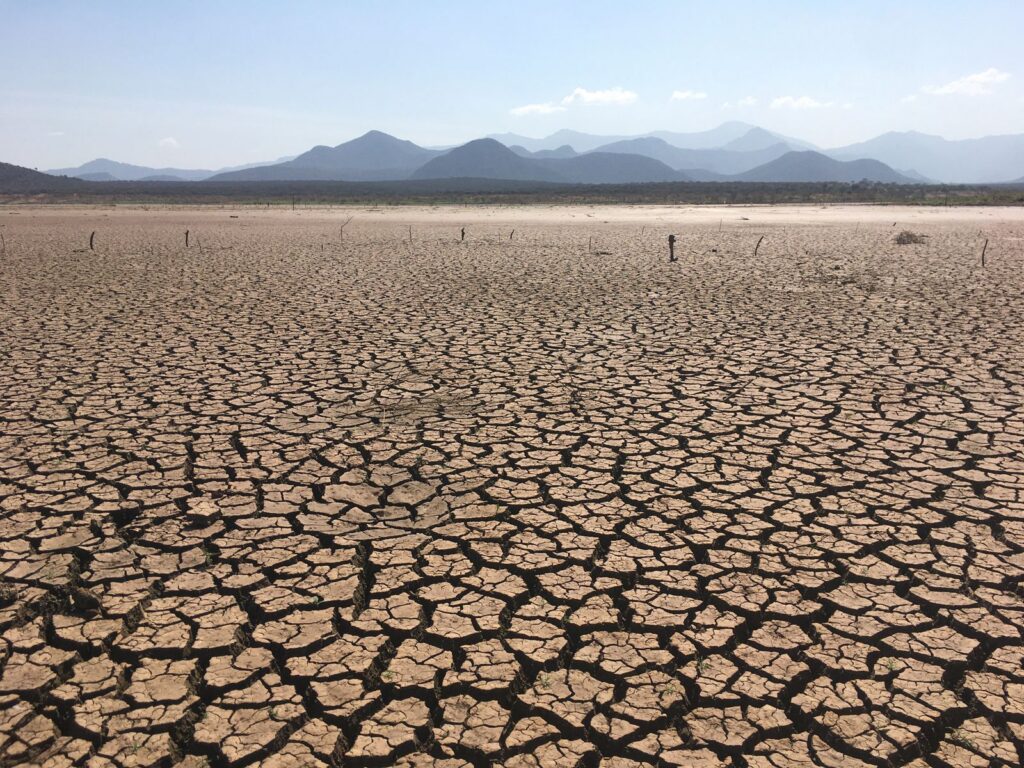
The heatwaves are contributing to prolonged droughts across the continent.
These droughts not only threaten water supplies but also exacerbate agricultural challenges, leading to reduced crop yields and increased food prices.
8. Increased Atmospheric Blocking Patterns

Europe is experiencing more frequent atmospheric blocking patterns.
These patterns act like atmospheric traffic jams, prolonging heatwaves and other weather events, which can have devastating effects on communities and ecosystems.
7. Economic Strain from Climate Adaptation

The cost of adapting to a harsher climate is rising.
While the upfront cost of decarbonizing may seem high, the long-term economic burden of repairing damage from climate impacts is far greater, stressing national budgets.
6. Threat to Public Health

Heatwaves pose a significant risk to public health.
Increased temperatures can lead to heat-related illnesses and deaths, particularly affecting vulnerable populations such as the elderly and those with pre-existing health conditions.
5. Disruption of Ecosystems
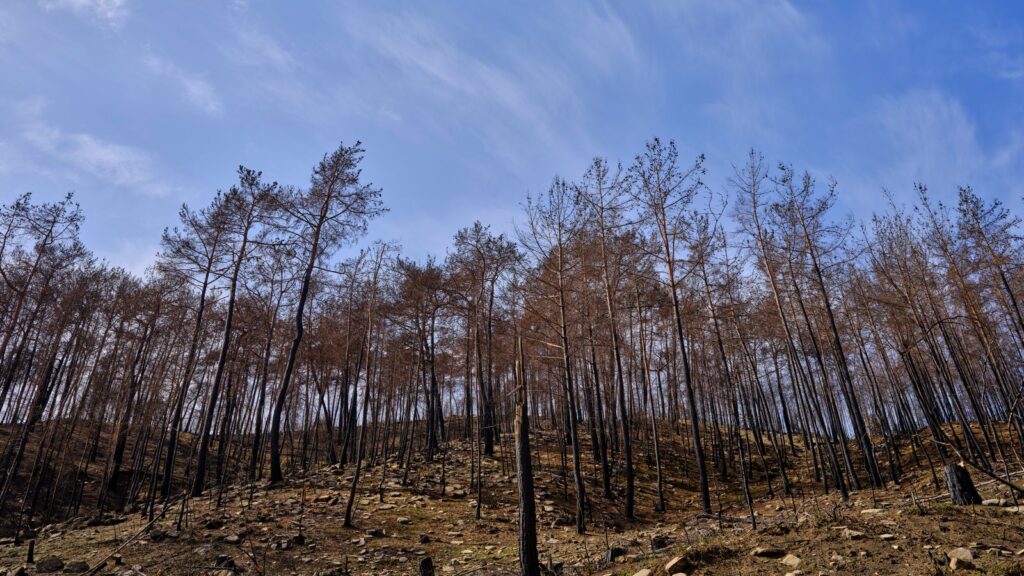
Heatwaves are disrupting natural ecosystems across Europe.
These disruptions can lead to loss of biodiversity, as species struggle to adapt to rapidly changing conditions, threatening the balance of natural habitats.
4. Pressure on Water Resources
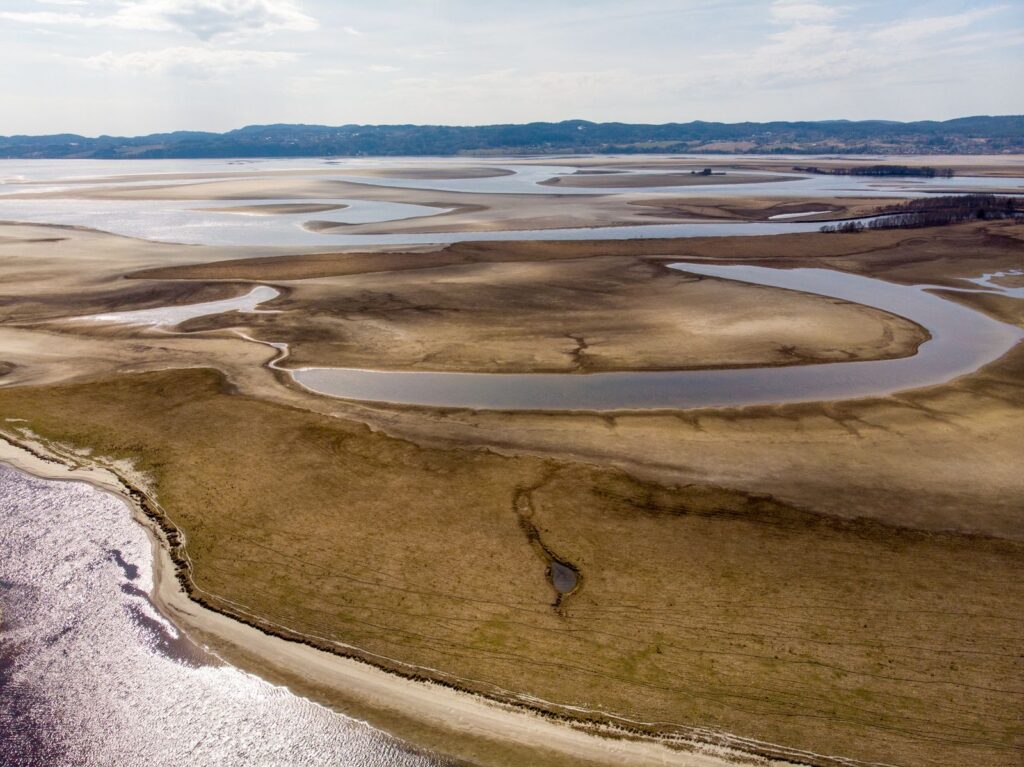
Water resources are under increasing pressure due to heatwaves.
With rising temperatures, water scarcity can become more pronounced in affected regions, disrupting agriculture, industry, and daily life for millions of Europeans.
3. Impact on Energy Demand
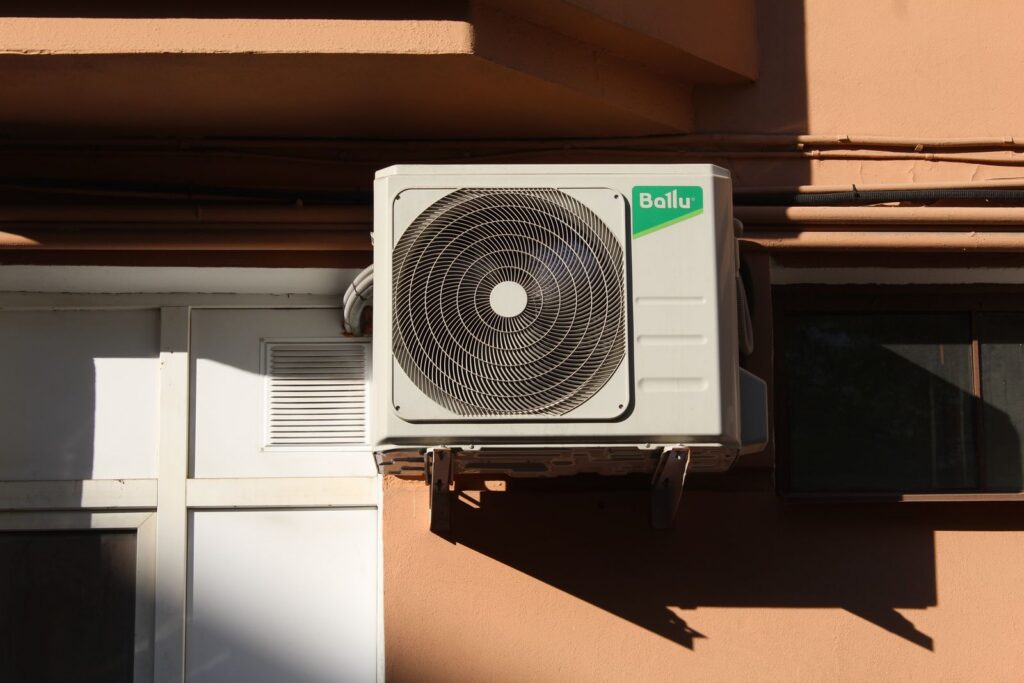
Heatwaves lead to a surge in energy demand.
The need for cooling increases electricity consumption, putting a strain on energy grids and potentially leading to blackouts during peak demand periods.
2. Long-term Climate Goals at Risk
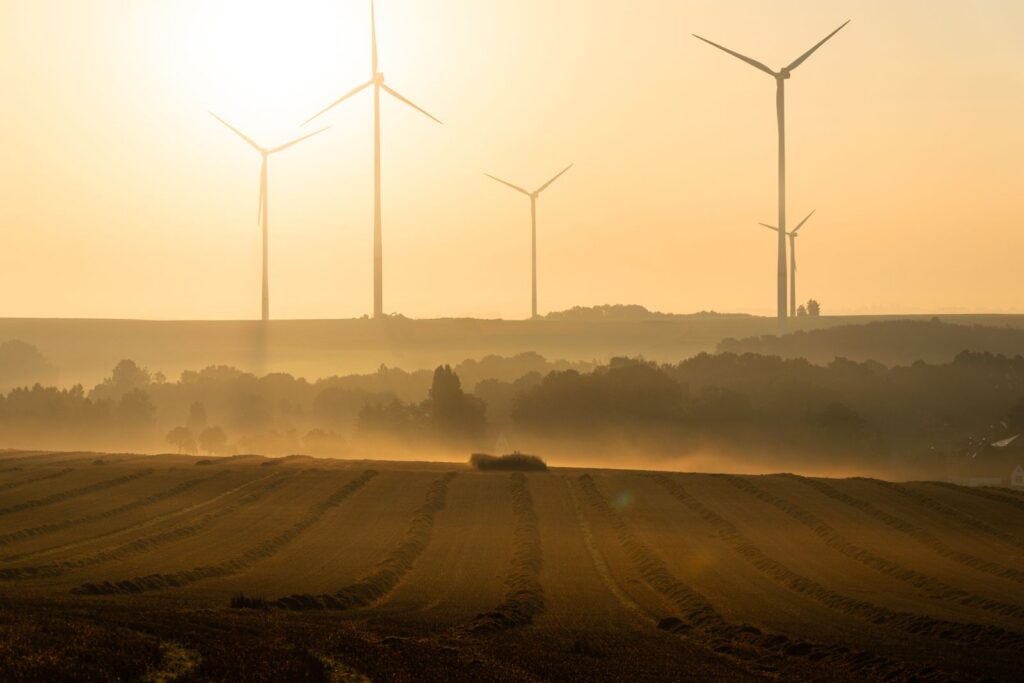
The heatwaves challenge Europe’s climate commitments.
Even with ambitious targets like reaching net zero by 2050, continued emissions during the transition period could make it harder to limit global warming.
1. Urgent Call for Climate Action
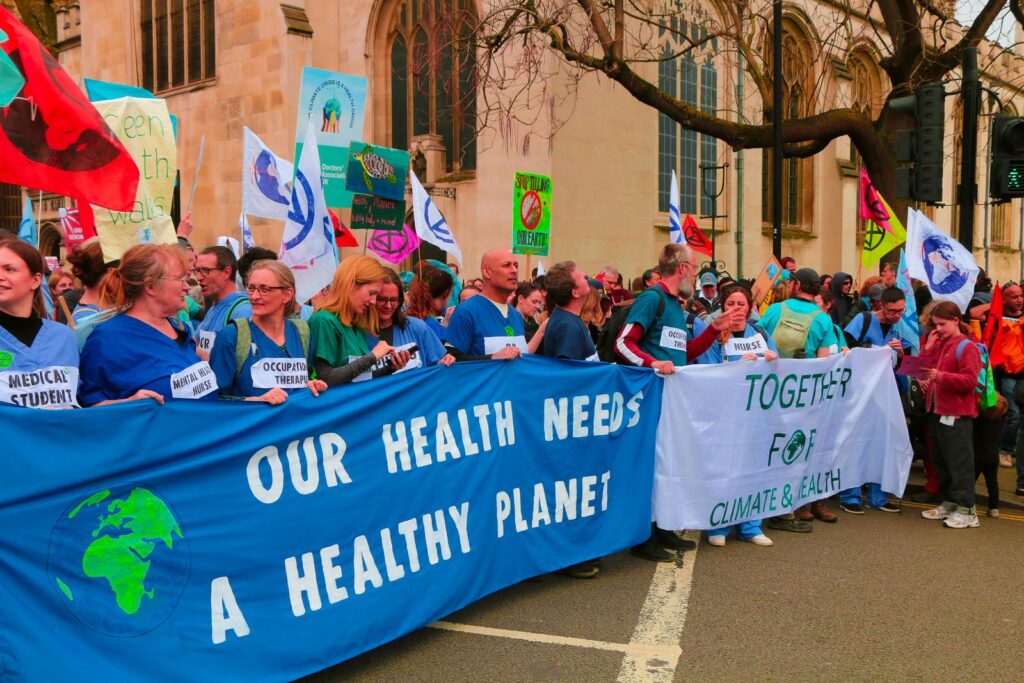
The heatwaves are a stark reminder of the need for immediate climate action.
Experts emphasize that without rapid emissions cuts, the risk of a more dangerous climate future continues to rise. The time to act is now, to safeguard the future of Europe and the planet.
Read More:
- 10 Reasons to Talk to Your Kids About Climate Change
- 10 Reasons Americans Are Having Fewer Babies
- 10 Positive Life Impacts of Choosing to be Child Free