

Managing personal finances effectively is crucial for building wealth and achieving financial stability. Various apps can assist in this endeavour, but it’s essential to choose wisely, as some may lead to unintended consequences.
Here are ten personal finance apps that have the potential to make users richer or poorer depending on their usage:
1. YNAB (You Need A Budget)

YNAB encourages proactive budgeting by assigning every dollar a specific purpose, promoting mindful spending and saving habits.
2. Mint
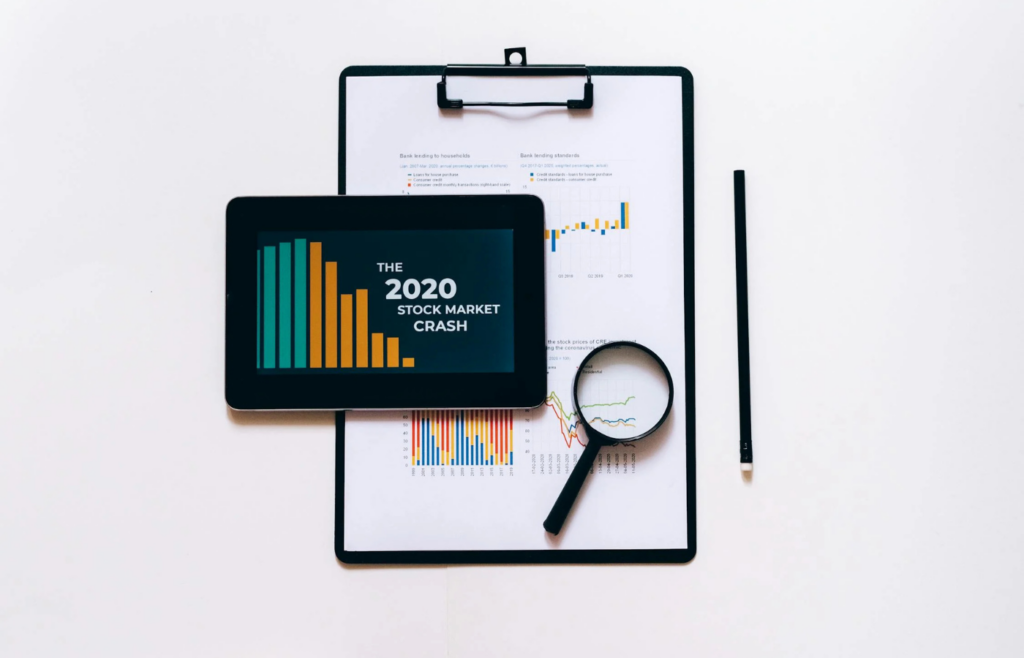
Mint offers a comprehensive view of your financial situation by consolidating accounts, tracking spending, and providing personalized budgeting tips.
3. PocketGuard

PocketGuard simplifies budgeting by showing how much disposable income you have after accounting for bills and necessities, helping prevent overspending.
4. Acorns

Acorns automates investing by rounding up your purchases to the nearest dollar and investing the spare change, facilitating effortless portfolio growth.
5. Plum

Plum uses AI to analyze your spending habits and automatically sets aside affordable amounts into savings, making the saving process seamless.
6. Snoop

Snoop connects to your bank accounts and credit cards, highlighting potential savings opportunities and providing spending insights.
7. Emma

Emma helps manage multiple bank accounts by tracking spending, setting budgets, and identifying wasteful subscriptions.
8. Monzo
Monzo offers real-time spending notifications, budgeting features, and savings pots to help users manage their finances effectively.
9. HyperJar

HyperJar allows users to allocate funds into digital jars for specific spending categories or savings goals, promoting disciplined budgeting.
10. Venmo

While Venmo offers convenient peer-to-peer payments, users should exercise caution. Overreliance can lead to overspending, and security concerns have been noted.
Cautionary Note: While these apps offer tools to enhance financial management, overreliance on them can lead to passive engagement with one’s finances. It’s essential to remain actively involved in budgeting and financial planning to ensure these tools serve as aids rather than crutches.
By thoughtfully integrating these apps into your financial routine and maintaining active oversight, you can harness their features to build wealth and achieve greater financial stability.
Read More:
- Top 10 Resume Tips That Will Get You Noticed
- Top 10 High-Paying Jobs You Can Get Without a Degree
- 15 Ways to Deal With a Bad Boss (Without Losing Your Job)