
Growing up in the 1970s meant receiving a surprising amount of training for disasters that might never happen. Between school safety films, television shows, parents, teachers, and playground wisdom, kids absorbed an impressive collection of emergency instructions.
Some of those lessons were genuinely useful. Others left an entire generation expecting adulthood to involve far more quicksand, rattlesnakes, and wilderness survival than it actually did. Here are 10 emergencies ’70s kids were weirdly prepared to face.
10. Catching on Fire
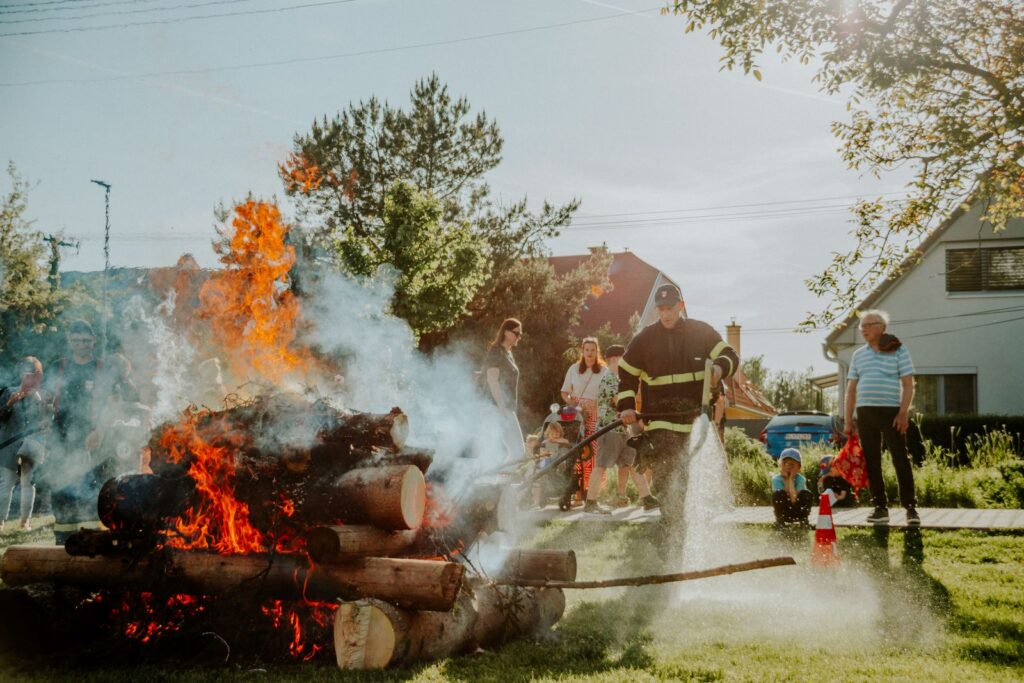
Few emergency instructions were repeated more often than “stop, drop, and roll.”
Kids practiced it at school and saw it in safety campaigns until the three steps became almost impossible to forget. Many reached adulthood without ever catching on fire, but the procedure remains permanently stored in their brains.
9. Getting Lost in the Woods
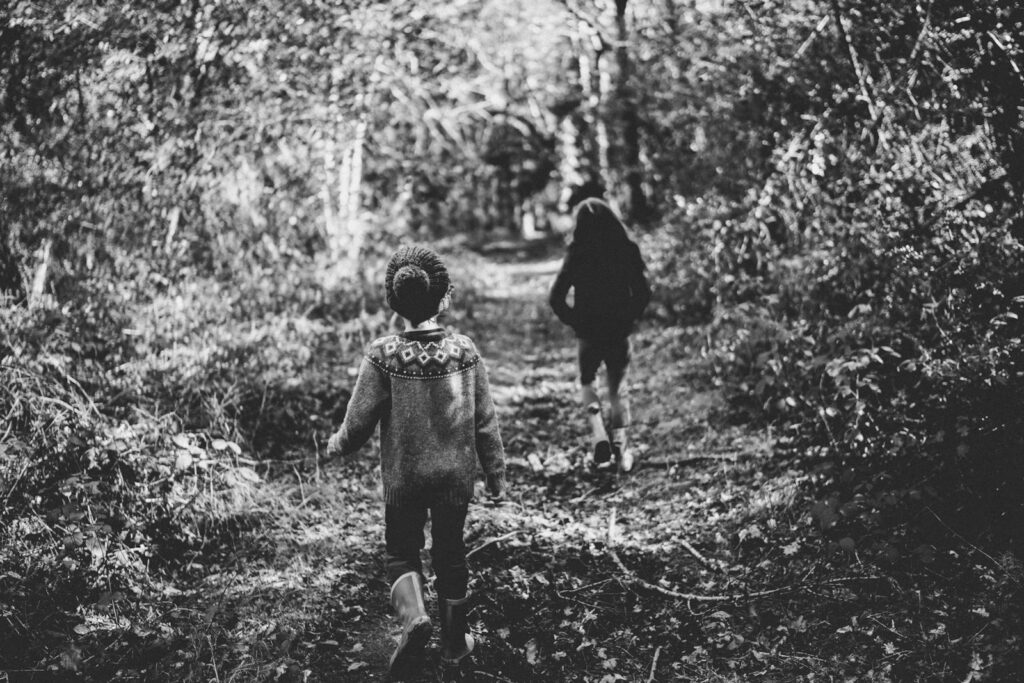
Television made wilderness survival seem like a skill every child would eventually need.
Kids learned to stay put, follow streams, look for shelter, and somehow signal rescuers. Even children who rarely ventured beyond the suburbs could develop surprisingly strong opinions about what to do when stranded in the forest.
8. Falling Through Ice
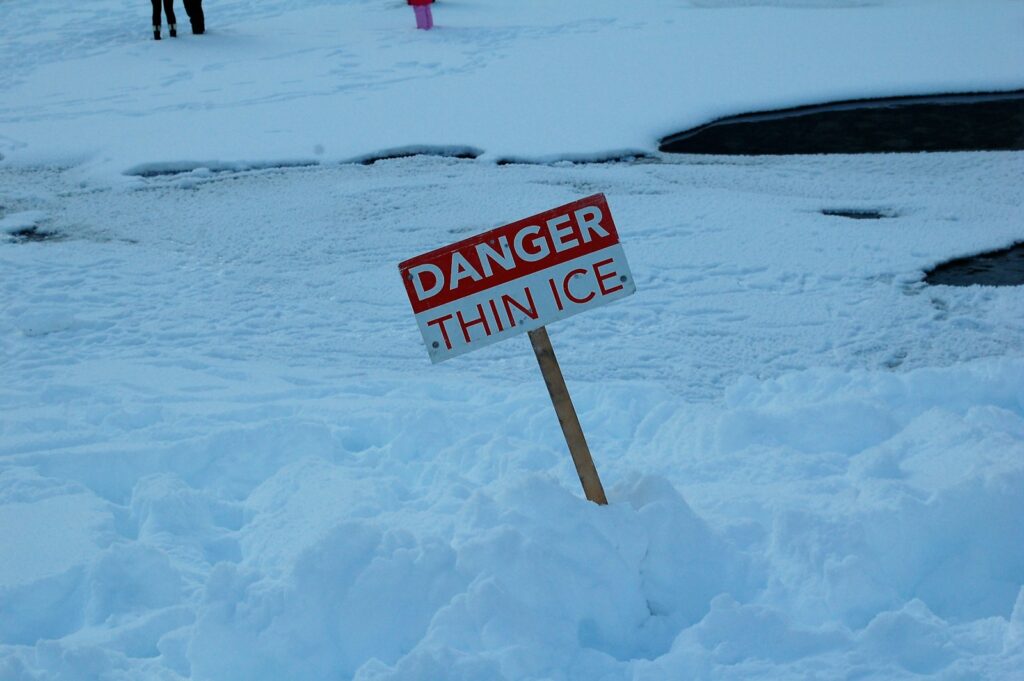
Even kids who had never walked across a frozen lake somehow knew that falling through the ice required a very specific survival plan.
You were supposed to stay calm, get your arms onto the solid ice, and spread out your weight instead of immediately standing up. Then you crawled or rolled away from the hole, usually in the direction you had come from. For many ’70s kids, this knowledge was permanently stored alongside other emergency instructions they would probably never need.
7. Surviving a Tornado
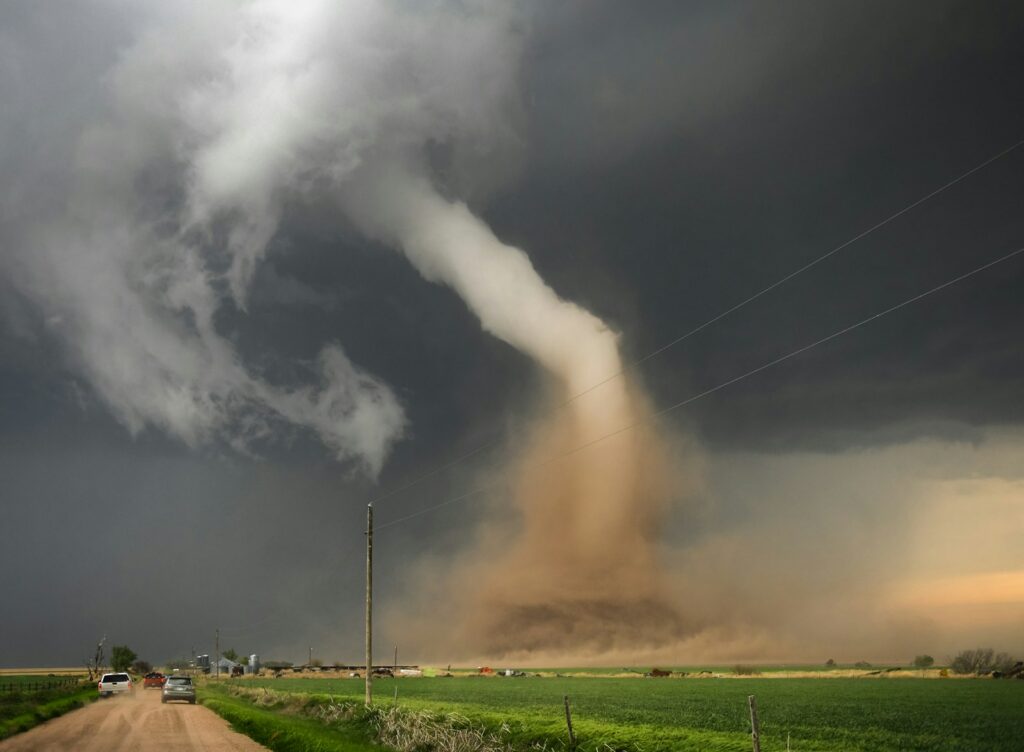
In tornado-prone parts of the country, this preparation was anything but imaginary.
Kids practiced moving into hallways, crouching against walls, and covering their heads. Even children who never saw a tornado could remember the position decades later.
6. Escaping a Sinking Car
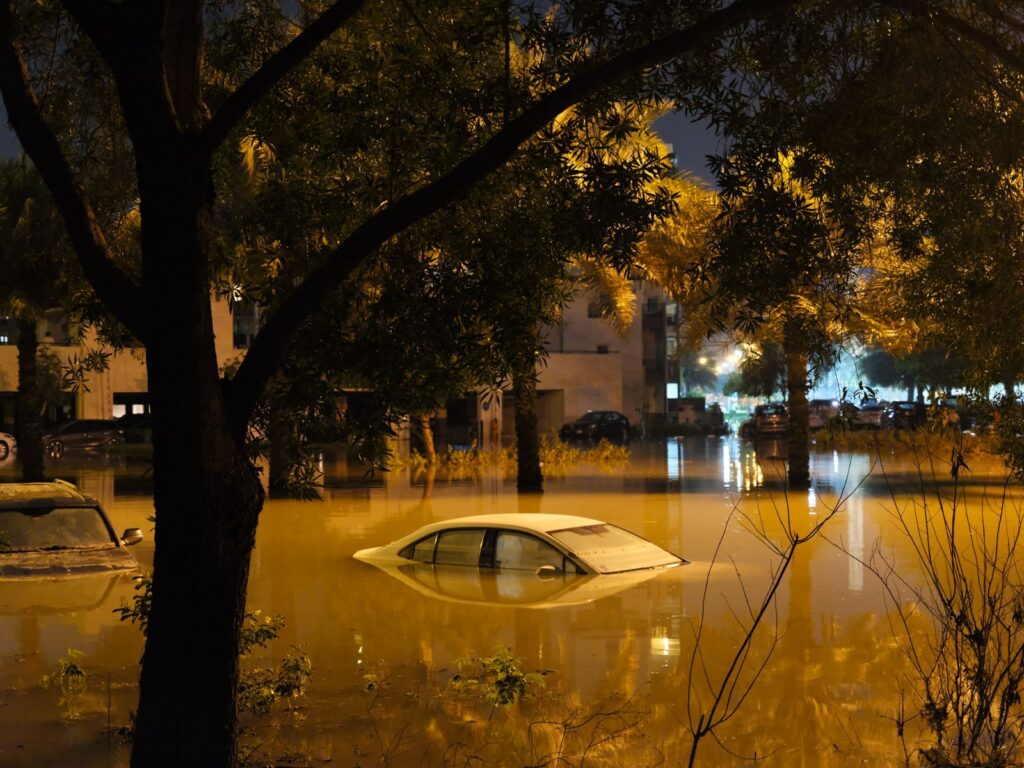
Somehow, many kids grew up believing they might one day need to escape a vehicle underwater.
Advice varied wildly, but the scenario appeared often enough in television and safety discussions to feel like essential adult knowledge. Plenty of children who couldn’t drive yet had already considered how they would survive driving into a lake.
5. A Nuclear Attack
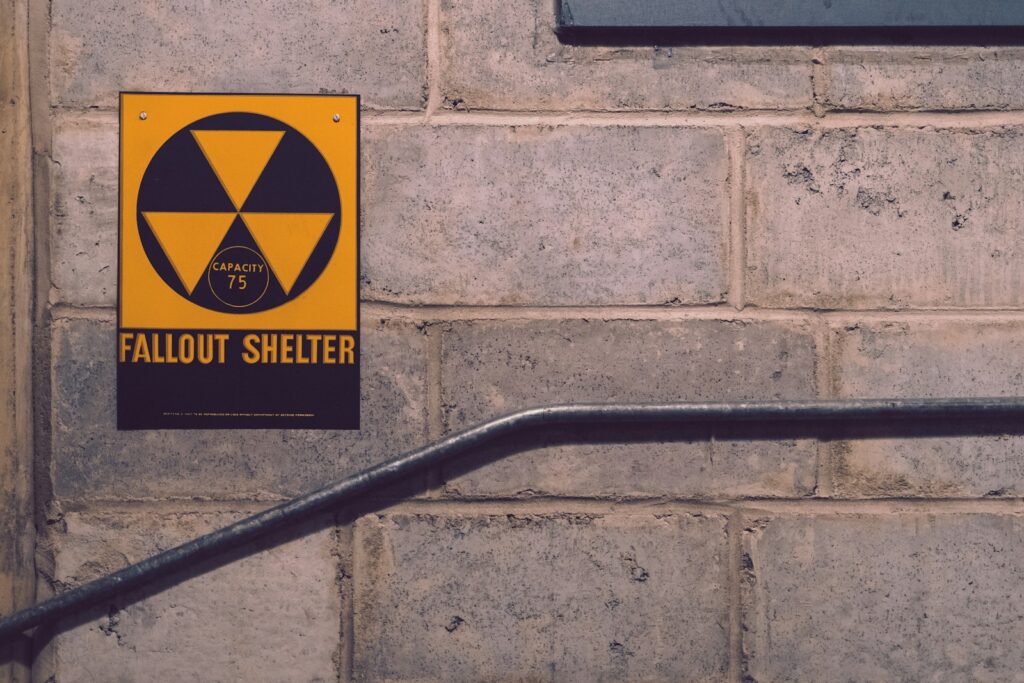
Cold War anxiety was part of the background noise of childhood.
Depending on the school and community, kids encountered civil defense messaging, discussions of fallout shelters, or lingering versions of duck-and-cover drills. The instructions could offer a sense of preparedness even when the threat itself was almost impossible to comprehend.
4. Being Lost at Sea

Adventure stories taught kids a surprising amount about imaginary shipwrecks.
You rationed water, looked for land, avoided drinking seawater, and tried to signal passing planes. The fact that most children had never been on a boat for more than an afternoon did not make the information feel less important.
3. Getting Bitten by a Poisonous Snake

A snakebite seemed to require immediate dramatic action.
Movies and television popularized ideas like cutting the wound or trying to suck out the venom, methods that modern medical guidance does not recommend. Kids nevertheless absorbed these scenes as if they were practical first-aid training.
2. Getting Caught in Quicksand
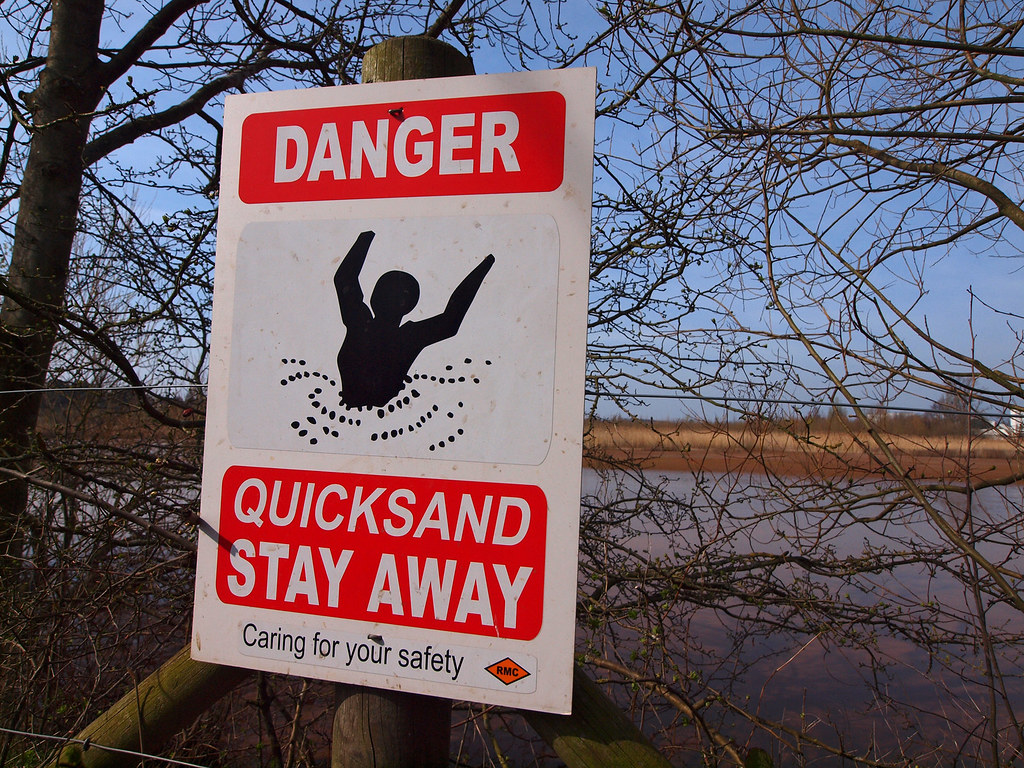
Quicksand was not merely dangerous. It was apparently everywhere.
The important thing was not to struggle, though children disagreed about what came next. Movies and television provided so many quicksand scenes that learning to escape it felt as important as learning to cross the street.
1. Being Offered Candy by a Stranger in a Van

The threatening stranger became one of the defining safety lessons of childhood.
Kids were warned about suspicious adults offering candy, asking for help finding a lost pet, or driving slowly alongside them. While teaching children to recognize unsafe situations was important, the specific image of the mysterious stranger in a van became so powerful that many ’70s kids expected to encounter one eventually.
Read More:
- 20 Things Gen X Kids Had That Are Worth a Fortune Now
- Remember These? 15 Gen X Trends That Didn’t Survive the Future
- 15 Cartoons From the 80s Gen X Still Has Memorized