
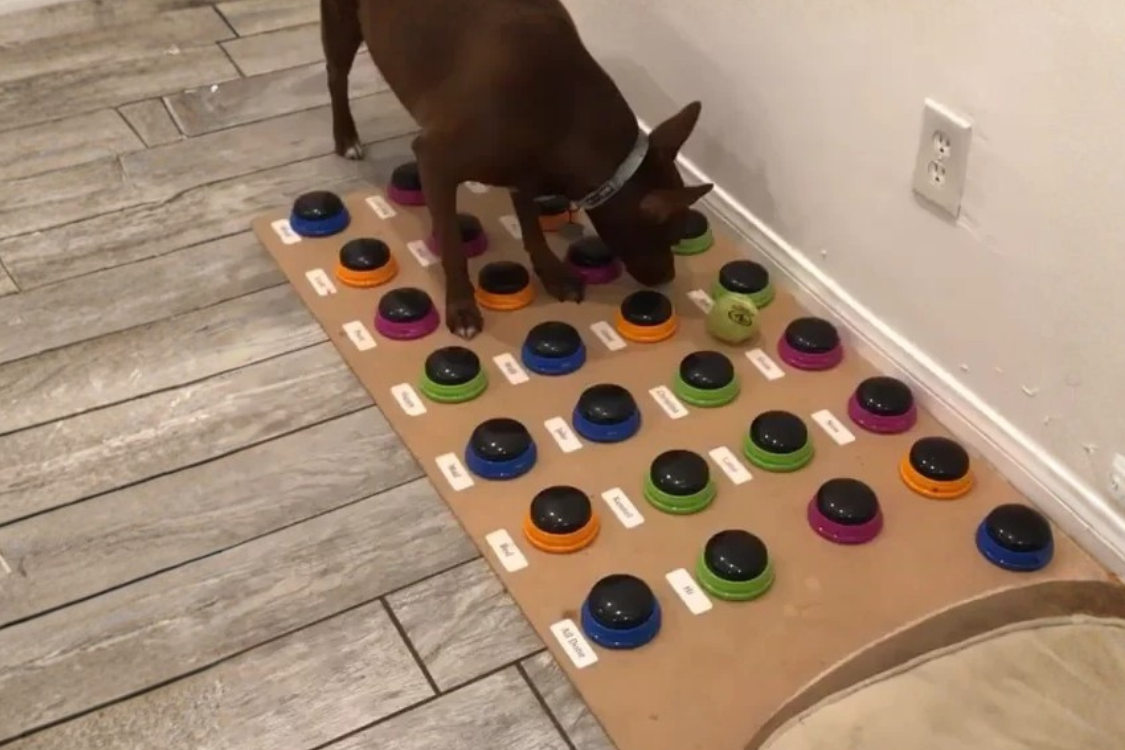
The viral trend of talking buttons for dogs has captured the imagination of pet owners everywhere. These buttons, which play recorded words when pressed, promise a new way for dogs to communicate with their humans. But do they really work, or is it all just social media hype?
Veterinarian Amanda Rigterink sheds light on this phenomenon, explaining both the potential and the limitations of these tools. Here are 9 surprising insights about talking buttons for dogs.
9. The Concept Behind Talking Buttons
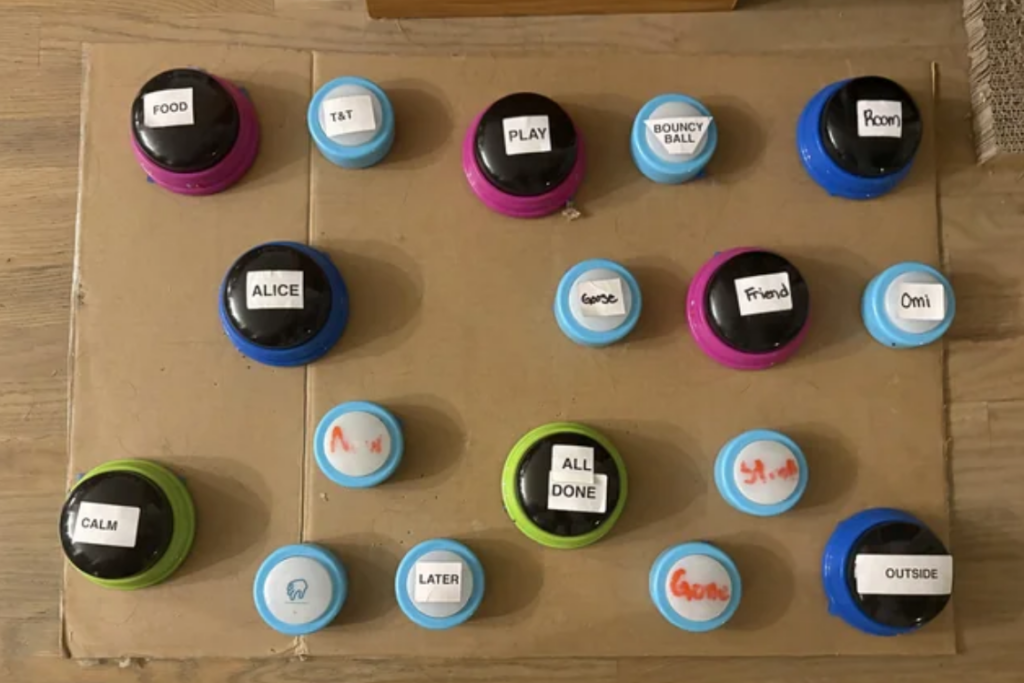
Talking buttons aim to bridge the communication gap between dogs and humans. By associating a button press with a specific action, dogs can learn to express their needs.
The buttons do not teach dogs to understand human language per se, but rather to link a sound with an outcome, like pressing “outside” to go out.
8. Viral Stars and Their Influence
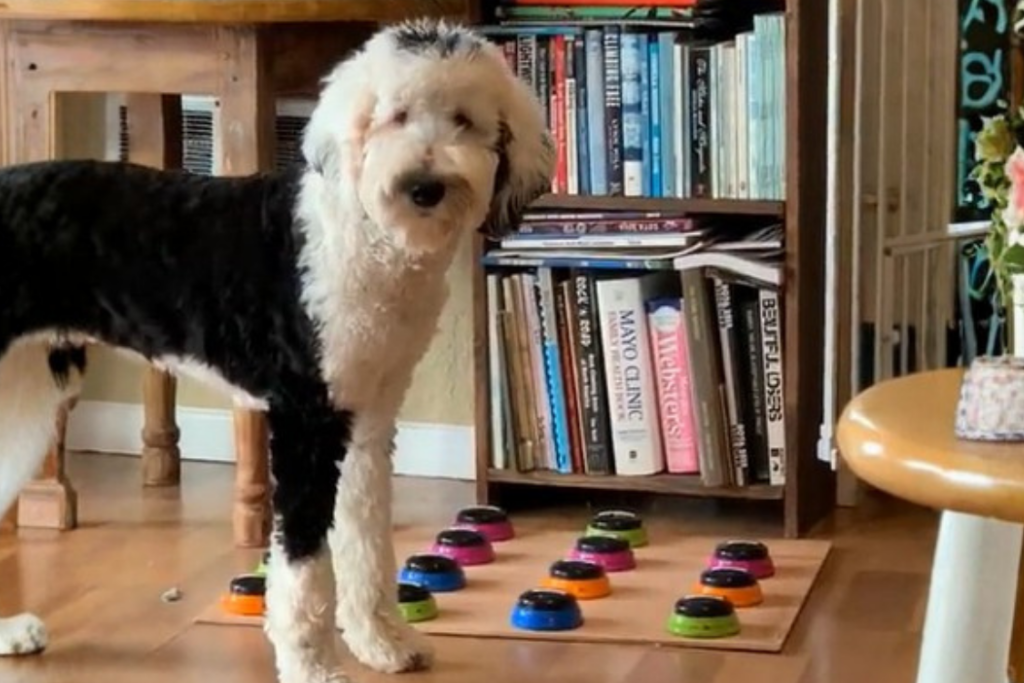
Instagram dogs like Bunny the Sheepadoodle have popularized talking buttons, showcasing what seems like impressive communication skills.
However, these videos can be misleading, often heavily edited, and may not reflect typical experiences with the buttons.
7. The Reality of Dog Communication

Dogs often respond to subtle cues from their owners, rather than truly “talking” through button presses.
Many pet parents may unintentionally guide their dogs to press certain buttons, interpreting random actions as meaningful communication.
6. Evidence of Understanding
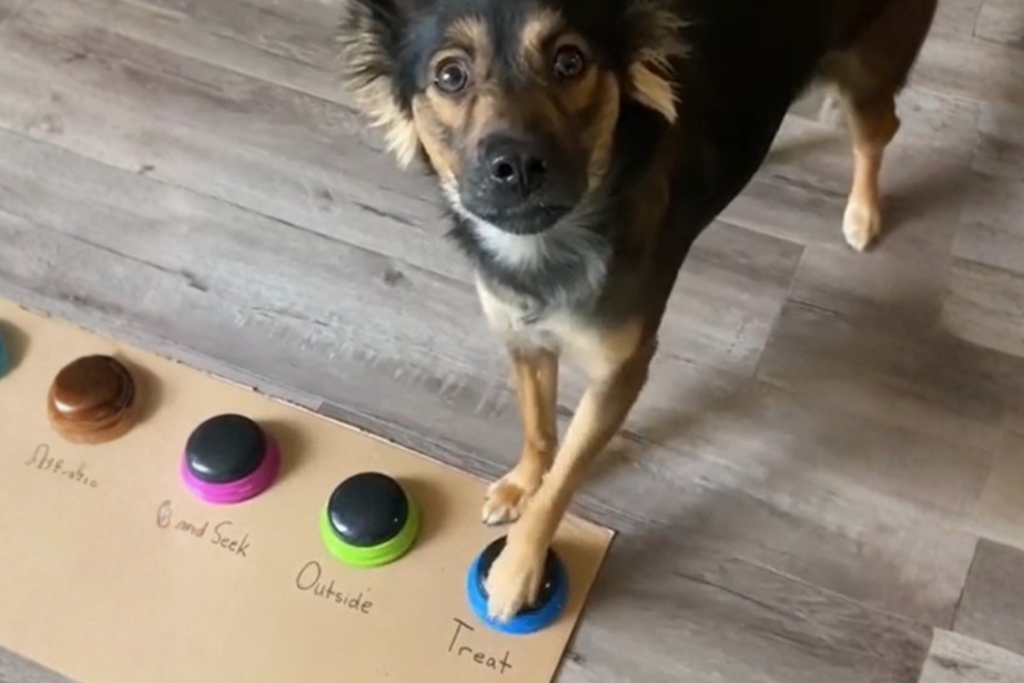
Some studies suggest that dogs can show context-appropriate responses to the words they press, responding appropriately more often than by chance
Research has shown that dogs are not merely imitating humans, but may have a basic understanding of specific words like “play” and “treats.”
5. The Bonding Benefits

Using talking buttons can enhance the bond between dogs and their owners, providing a fun and enriching activity.
This exercise is more about mental enrichment and spending quality time together than expecting dogs to form sentences.
4. Potential Frustrations

Some dogs and owners might find the process frustrating if progress is slow or non-existent.
It’s important to approach the use of talking buttons with patience and realistic expectations to avoid disappointment.
3. Keeping It Simple
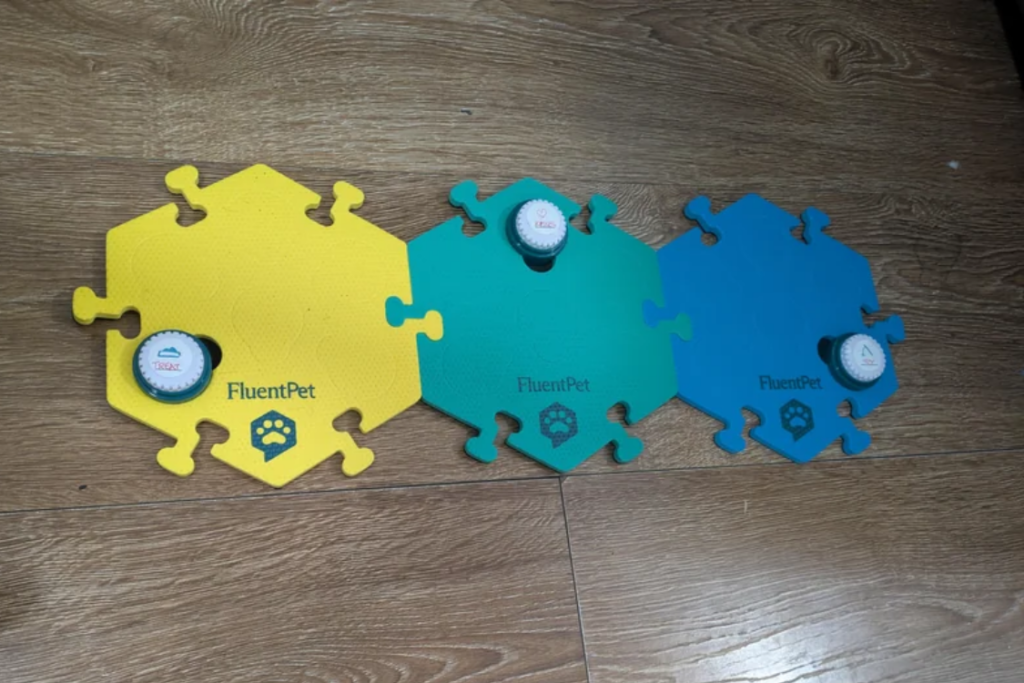
Experts recommend starting with just a few buttons for words your dog already knows, such as “treat” or “outside.”
Pairing the button press with immediate rewards can help reinforce the learning process for your pet.
2. The Ongoing Debate

The effectiveness of talking buttons remains a controversial topic, with ongoing research into what dogs can truly understand.
While some evidence supports their use, the full extent of dogs’ comprehension is still being explored.
1. Trying It for Yourself
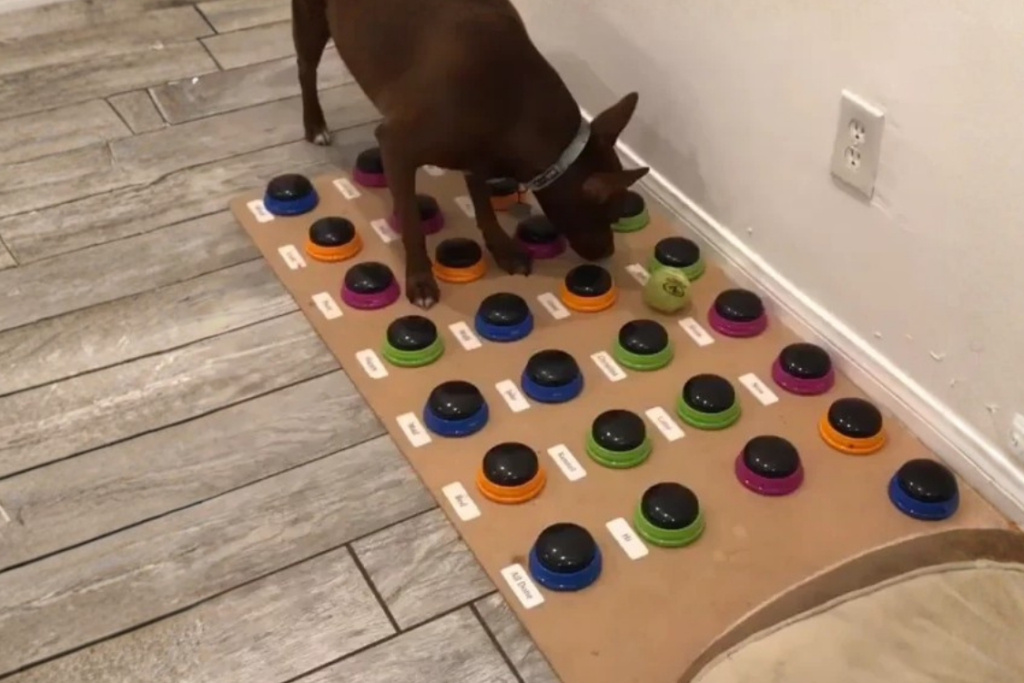
Despite mixed reviews, talking buttons can be a fun experiment for you and your dog to try together.
It may not work for every dog, but it can be a unique way to engage with your pet and explore new methods of communication.
Read More:
- 10 Ways Your Dog Says “I Love You” Without Words
- 10 Signs Your Dog Might Be Unhappy (And What to Watch For)
- 10 Realities of Fostering a Dog (Before You Commit)