The Victorian era was marked by enormous industrial growth, expanding global trade, and a growing middle class eager to display its success. For wealthy families, luxury wasn’t just about comfort. It was also a way to signal taste, refinement, and social standing.
Some Victorian status symbols are still considered luxurious today, while others have become everyday conveniences. Here are 10 things that represented the height of luxury in the 19th century.
10. A Conservatory Filled With Exotic Plants
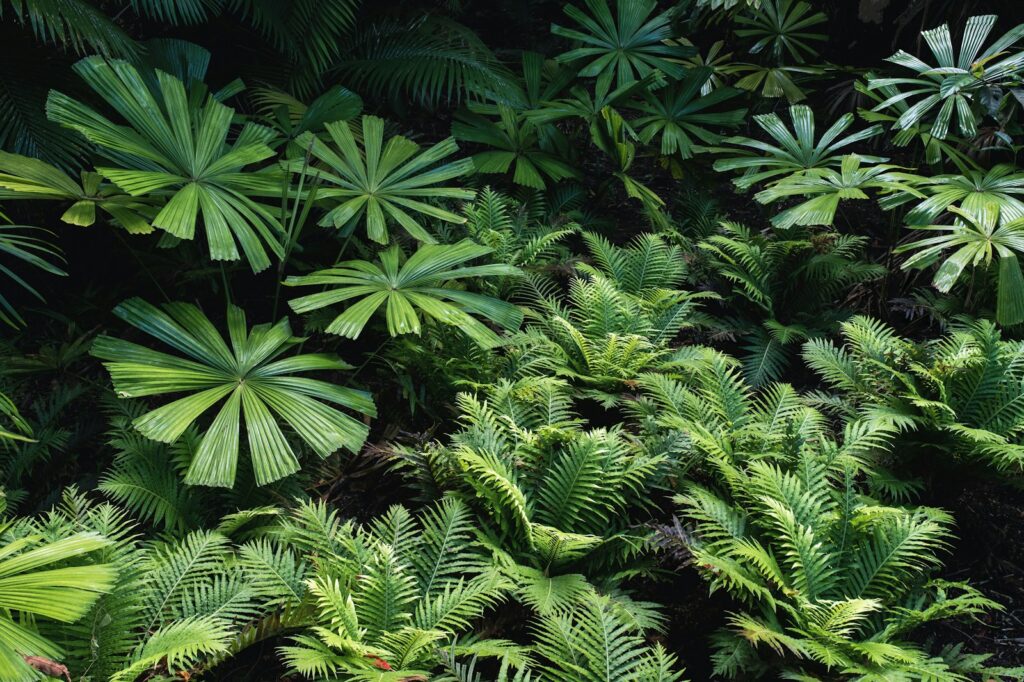
A glass conservatory overflowing with palms, orchids, ferns, and other exotic plants was a dream for many affluent Victorian homeowners.
Maintaining tropical plants in Britain’s climate required expensive construction, heating, and constant care, making conservatories a visible symbol of wealth.
9. A Private Library
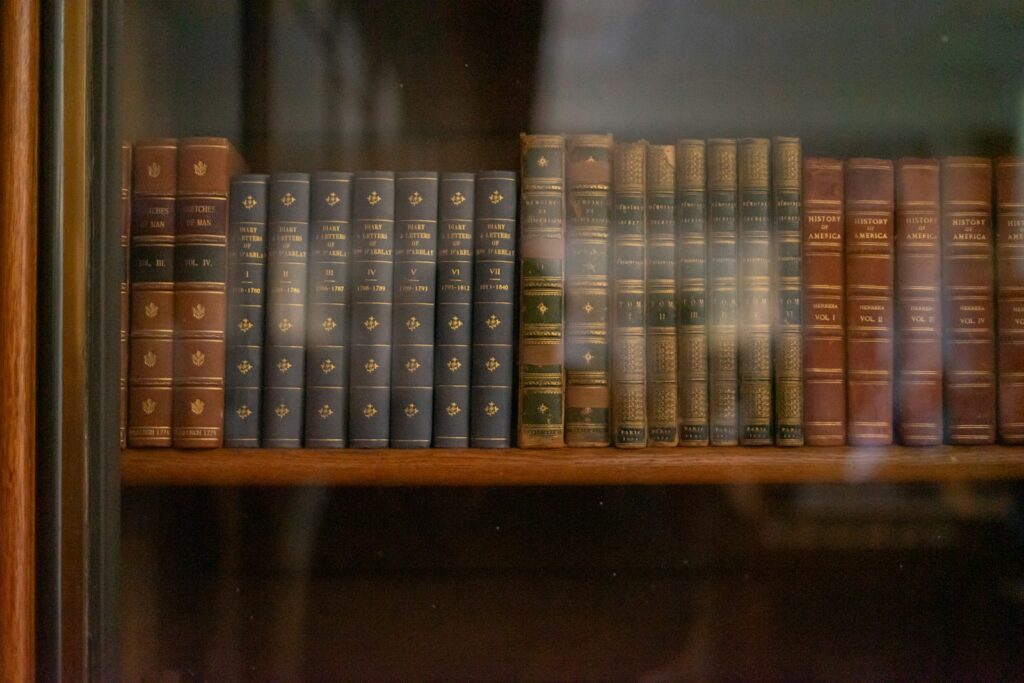
Books were valuable possessions, and a room lined with beautifully bound volumes made a powerful statement.
A private library reflected education, culture, and financial success, even if every book wasn’t read from cover to cover.
8. Imported Tea and Fine China
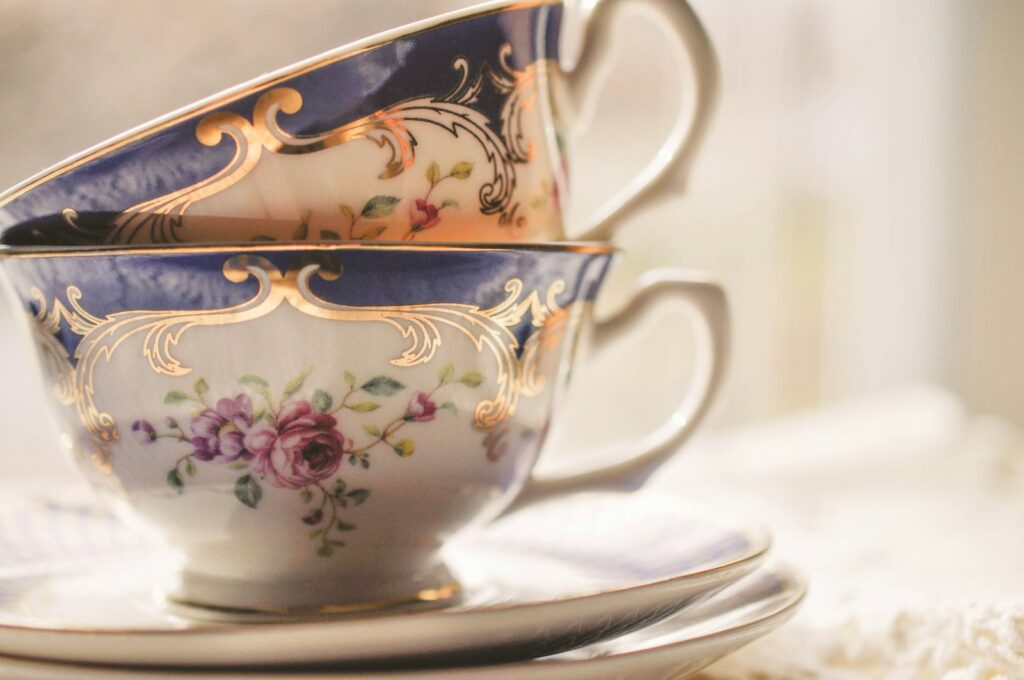
Afternoon tea became an important social ritual during the Victorian era.
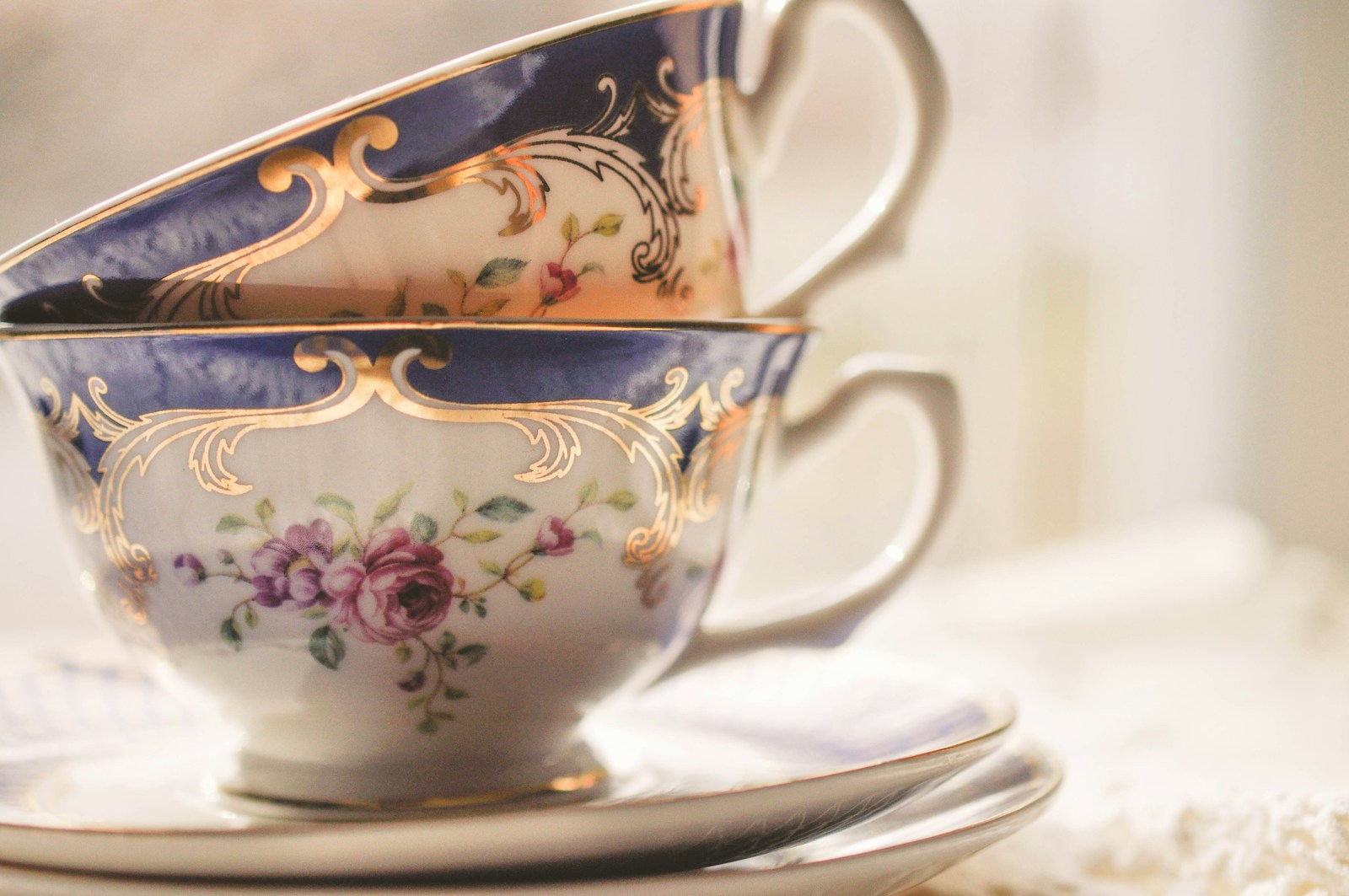
Serving imported tea in elegant porcelain, often accompanied by silver serving pieces, demonstrated both hospitality and refinement. A well-appointed tea service was something many families aspired to own.
7. Indoor Plumbing
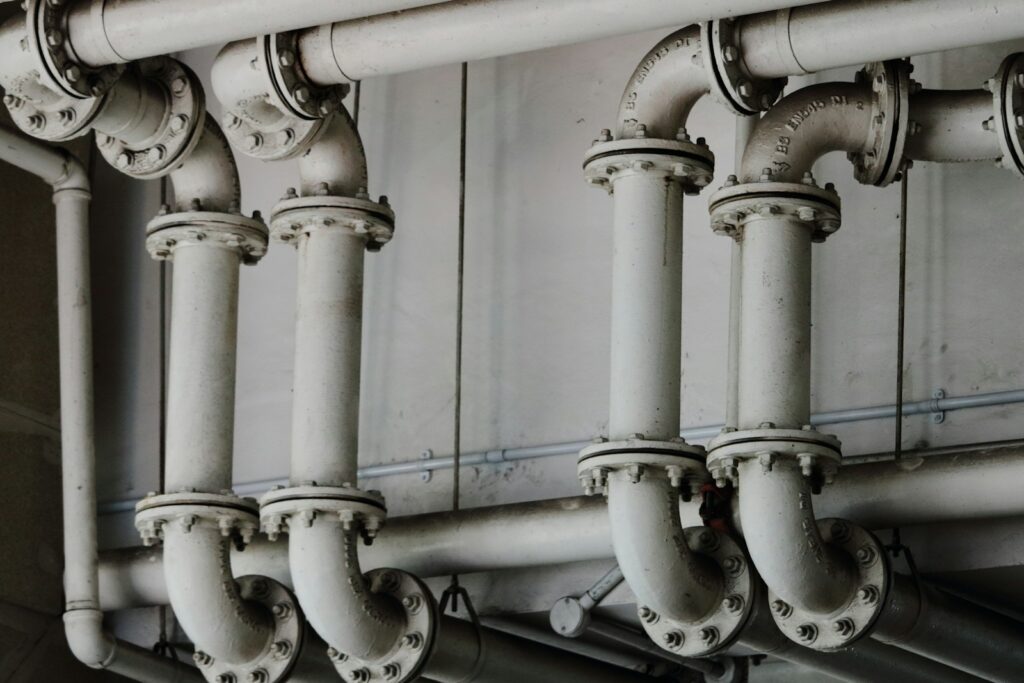
Today it’s easy to take indoor plumbing for granted.
During much of the Victorian period, however, having running water, indoor toilets, and modern bathrooms was a luxury that many households could only dream of. These innovations represented the cutting edge of comfort and convenience.
6. Servants
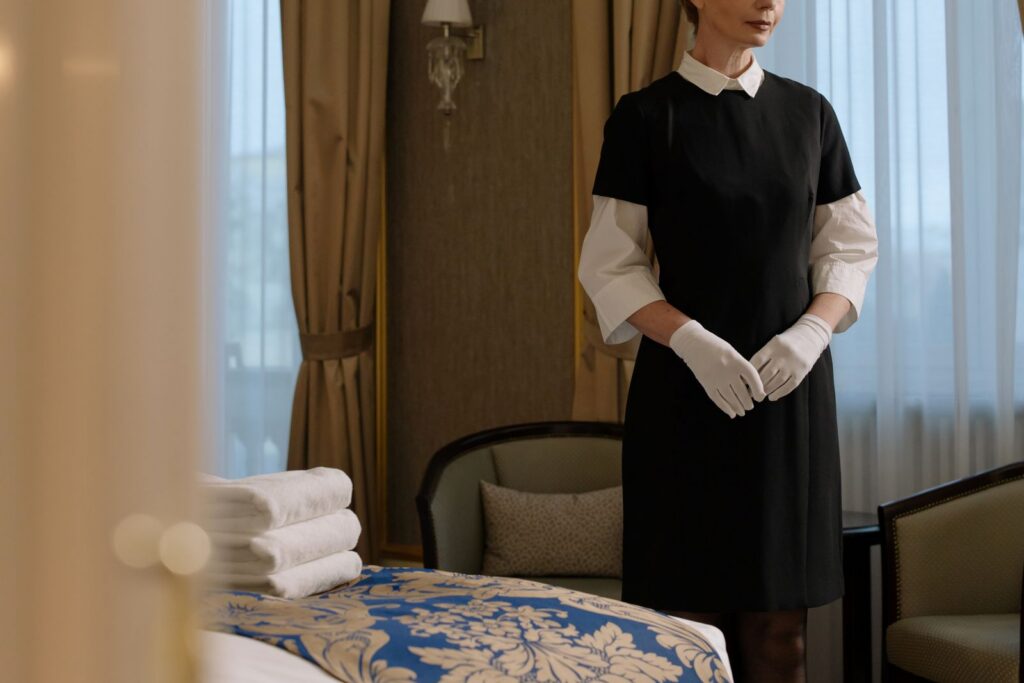
Even families that were comfortable financially often aspired to employ at least one domestic servant.
Larger households might include cooks, housemaids, butlers, gardeners, nursemaids, or coachmen. The number of servants a family employed was often seen as a measure of social status.
5. Silk and Velvet Clothing
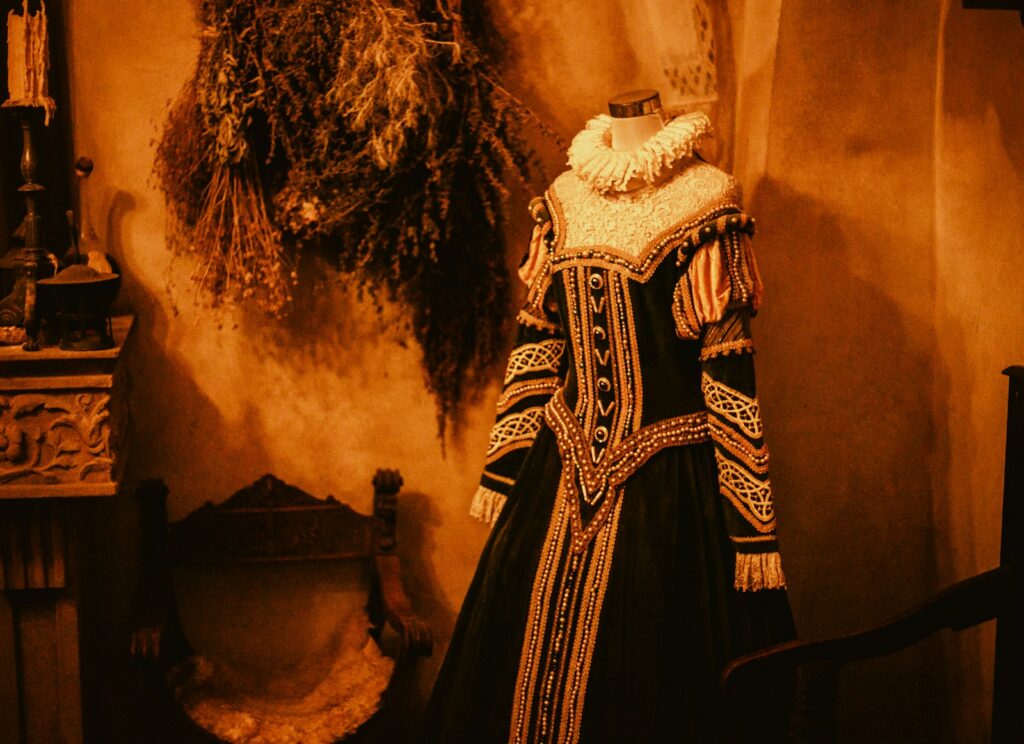
Fine fabrics weren’t reserved only for special occasions.
Wealthy Victorians displayed their prosperity through garments made from silk, velvet, lace, and other expensive materials. Fashion was one of the most visible ways to communicate social standing.
4. Imported Tropical Fruit
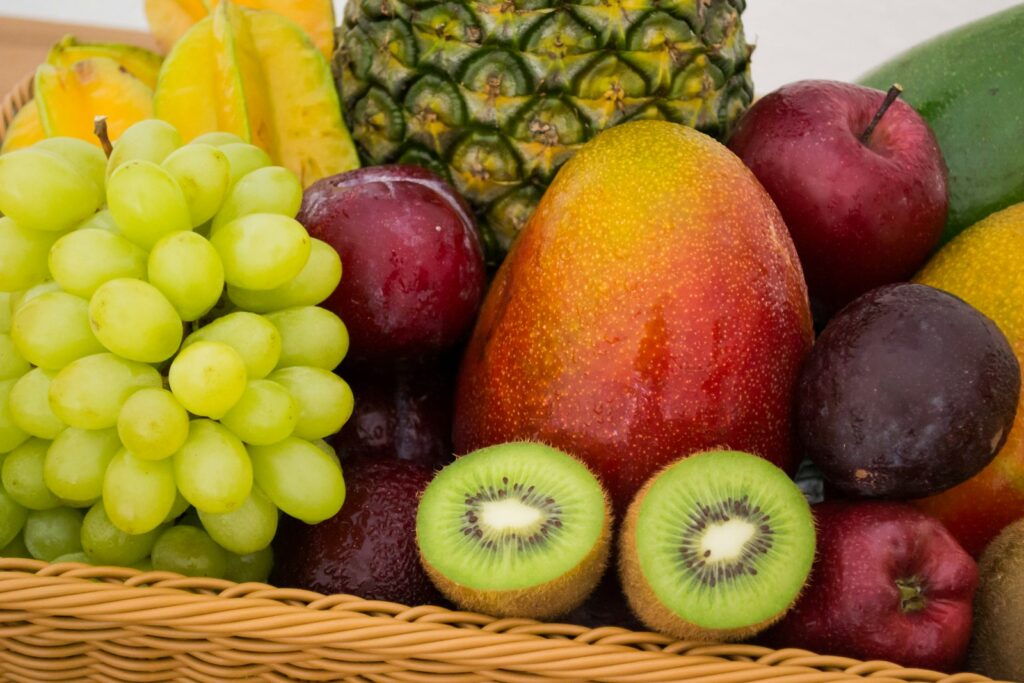
Fresh oranges, pineapples, bananas, and grapes were far more difficult to obtain than they are today.
Serving exotic fruit at dinner parties demonstrated both wealth and access to global trade networks. A pineapple was such a prized luxury that people sometimes rented one simply as a table centerpiece before eventually eating it.
3. Grand Pianos
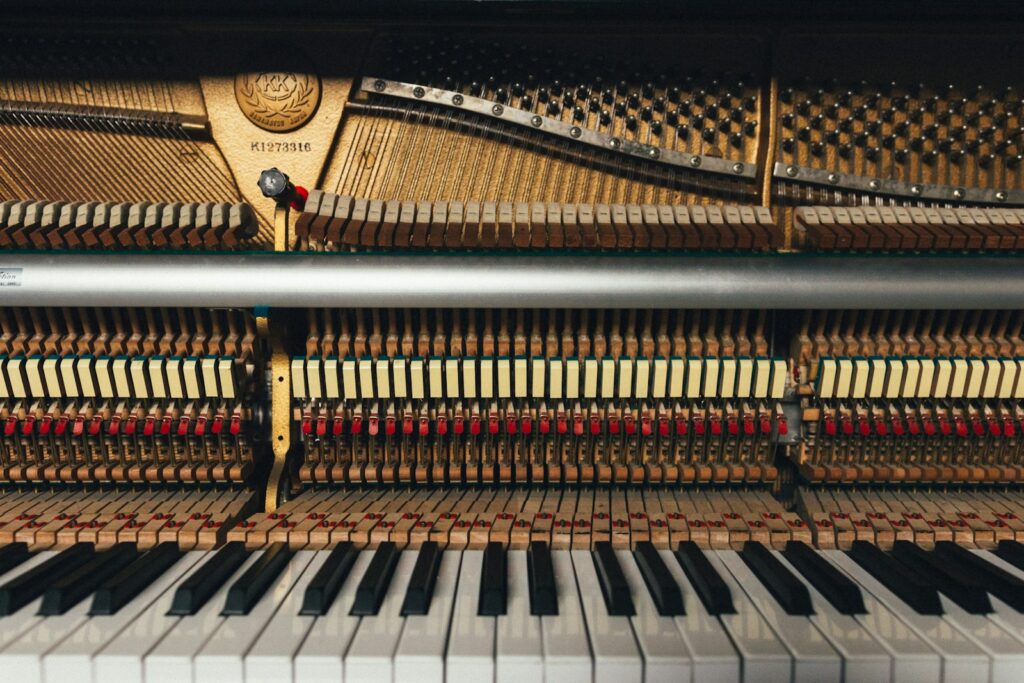
A piano occupied a place of honor in many prosperous Victorian homes.
Owning one suggested that the family valued music, education, and culture. It also implied there was enough leisure time for children, particularly daughters, to receive music lessons.
2. Gas Lighting and Later Electric Lighting
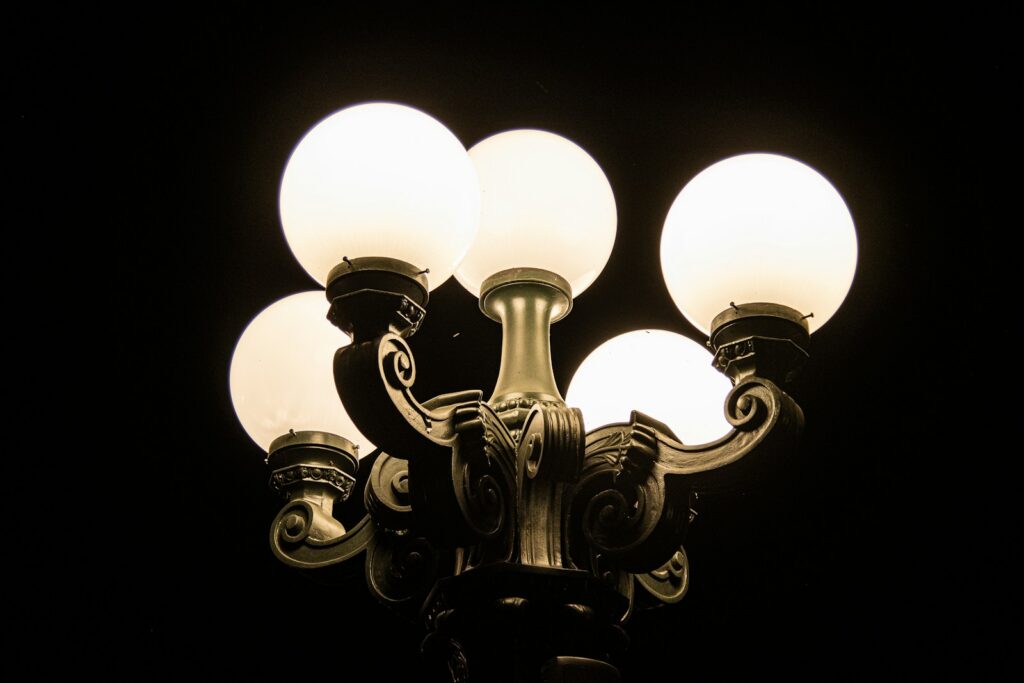
Brightly lit homes represented modern living.
Gas lighting transformed Victorian evenings by making homes brighter and more comfortable, while electric lighting later became an even greater status symbol as only the wealthiest households could afford early installations.
1. Time to Enjoy Leisure
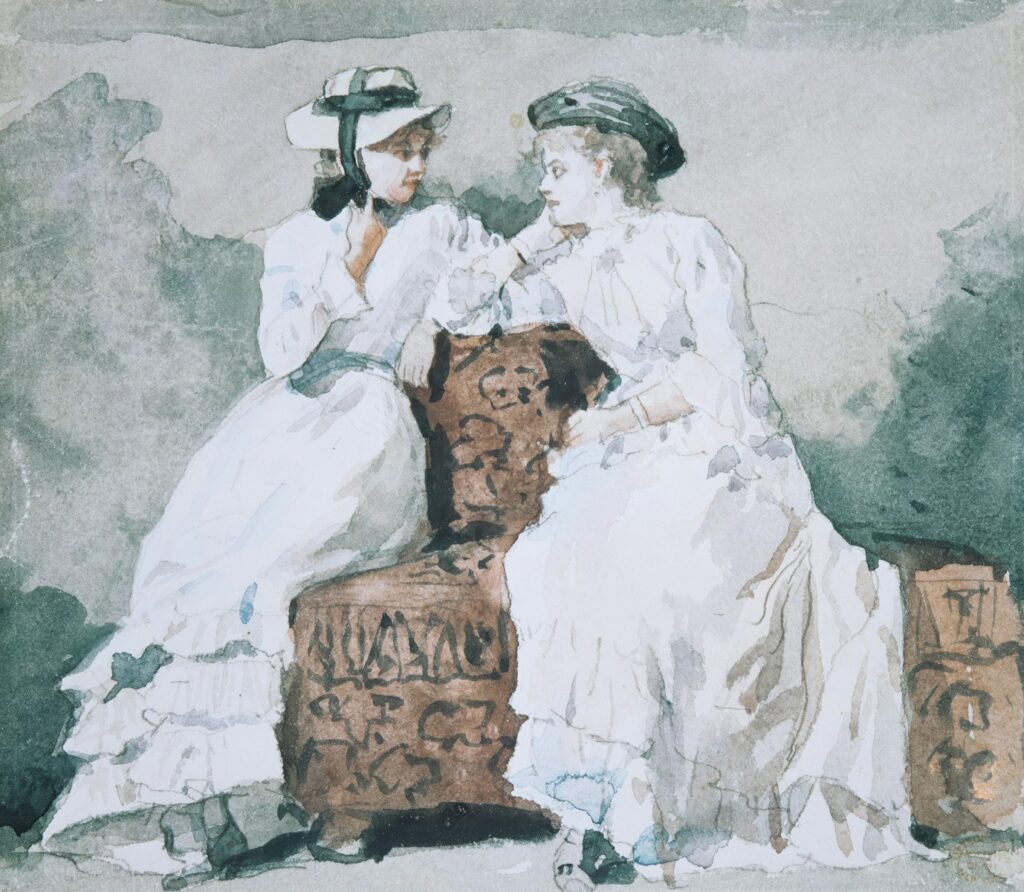
Perhaps the greatest Victorian luxury wasn’t an object at all.
Having enough financial security to travel, entertain guests, pursue hobbies, read for pleasure, or spend afternoons enjoying tea in the garden signaled that work was no longer the center of everyday life. In many ways, leisure itself became the ultimate display of prosperity.
Read More:
- 15 Historical Etiquette Rules That Sound Absurd Today
- 10 House Guest Etiquette Rules Everyone Should Follow
- The Strange Reason Men Used to Wear Hats Everywhere