
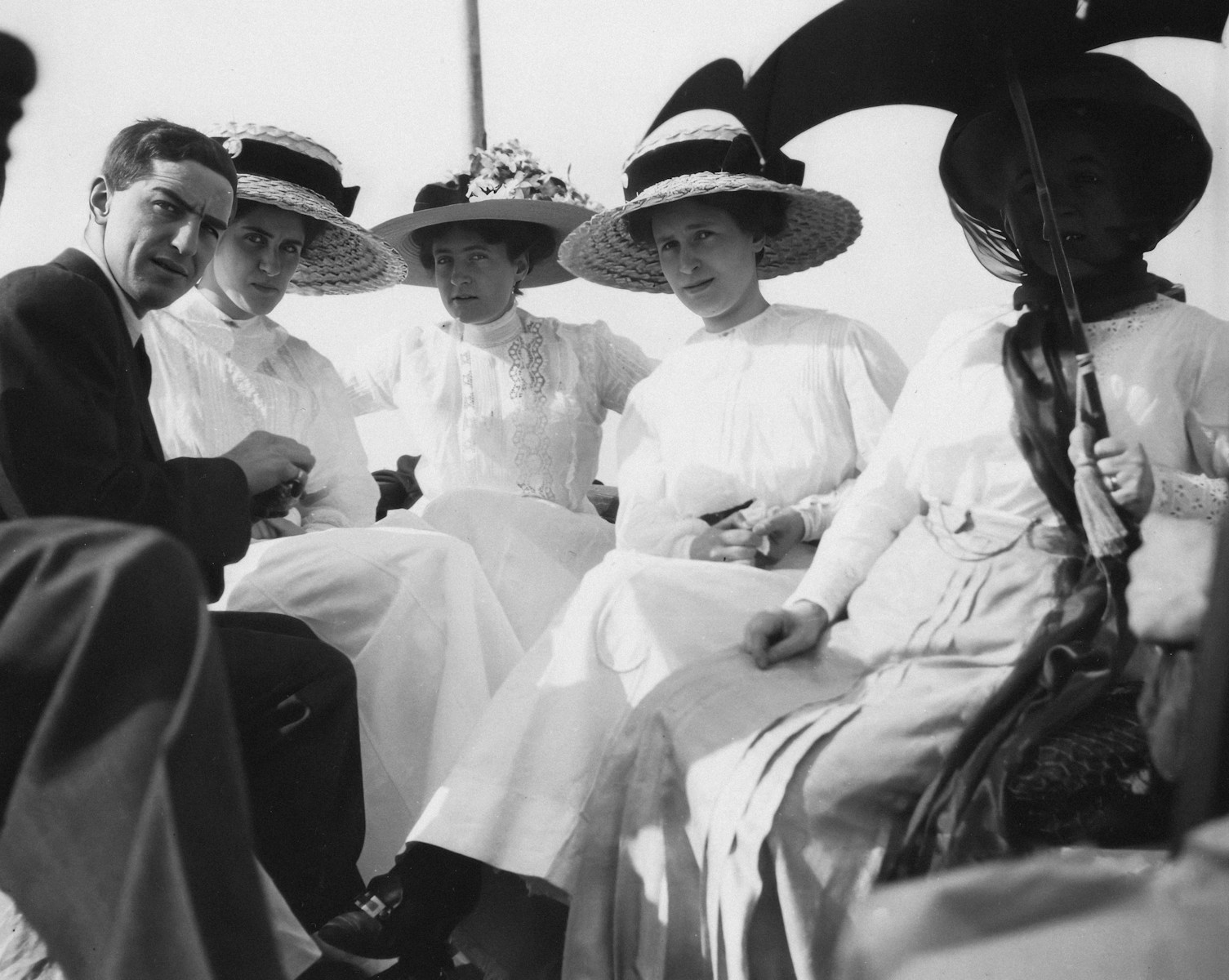
Good manners have always mattered, but the definition of “good manners” has changed dramatically over time. Throughout history, social rules governed everything from how loudly you laughed to how many times you were allowed to bow. Breaking these customs could damage your reputation, ruin marriage prospects, or even get you excluded from polite society.
Looking back, many of these etiquette rules seem less like manners and more like elaborate social obstacles.
Here are 15 historical etiquette rules that sound downright absurd today.
15. Never Eat the Last Bite of Food
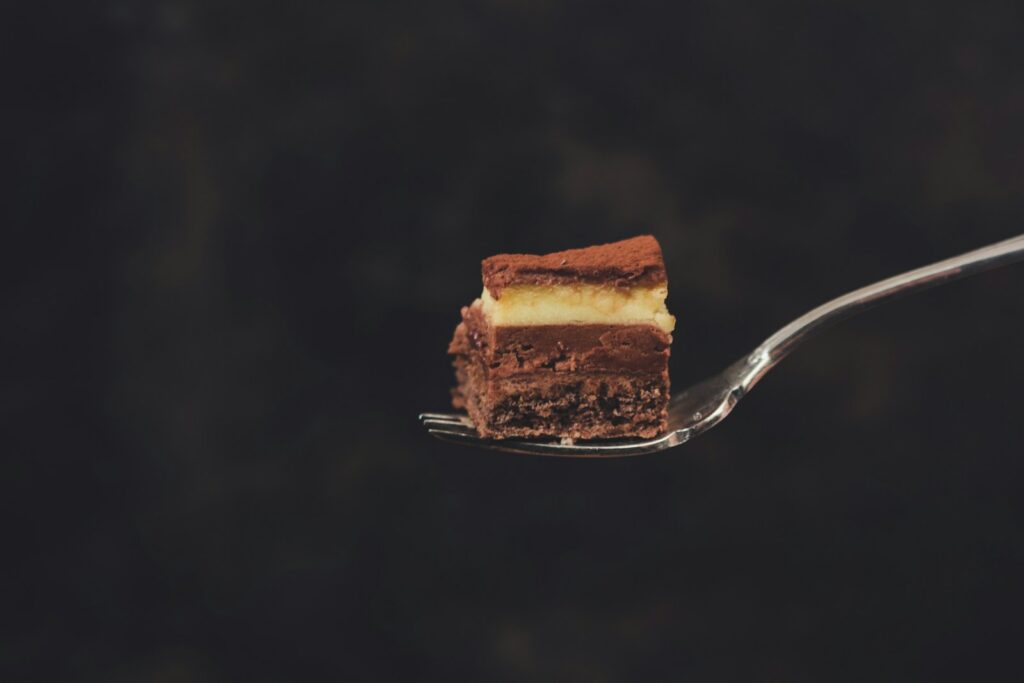
In many Victorian households, taking the final piece from a serving dish was considered selfish and uncivilized.
Guests were expected to leave the last bite untouched, even if everyone wanted it. As a result, countless slices of cake, biscuits, and sandwiches sat abandoned while diners politely pretended they weren’t interested.
14. Women Were Not Supposed to Laugh Too Loudly
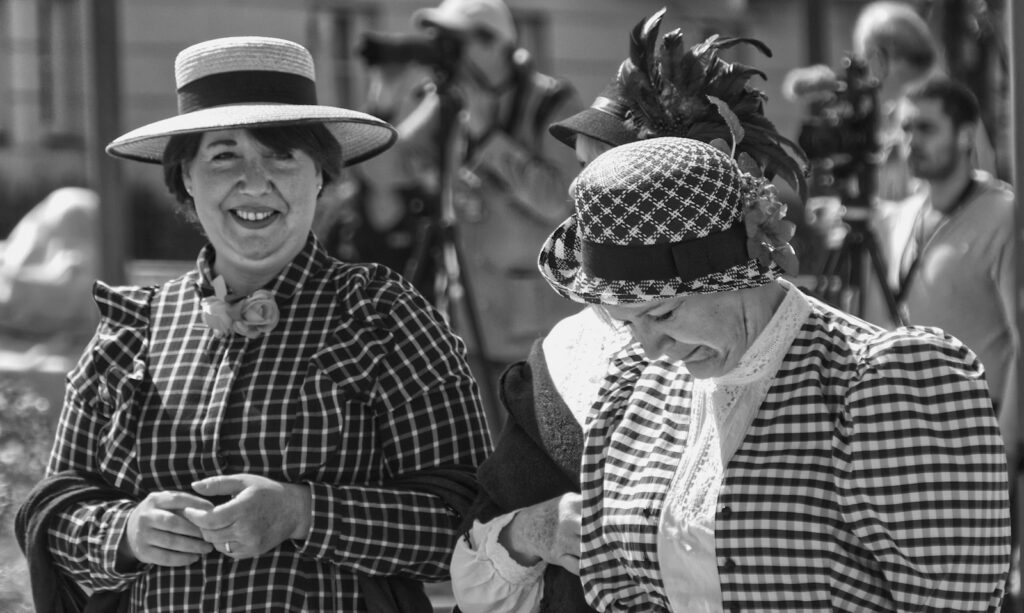
During the 18th and 19th centuries, etiquette manuals frequently warned women against loud laughter.
A gentle smile or quiet chuckle was considered refined. Bursts of laughter, however, were often described as unladylike, vulgar, or evidence of poor breeding.
Apparently, having too much fun was a social risk.
13. Men Had to Walk Closest to the Street
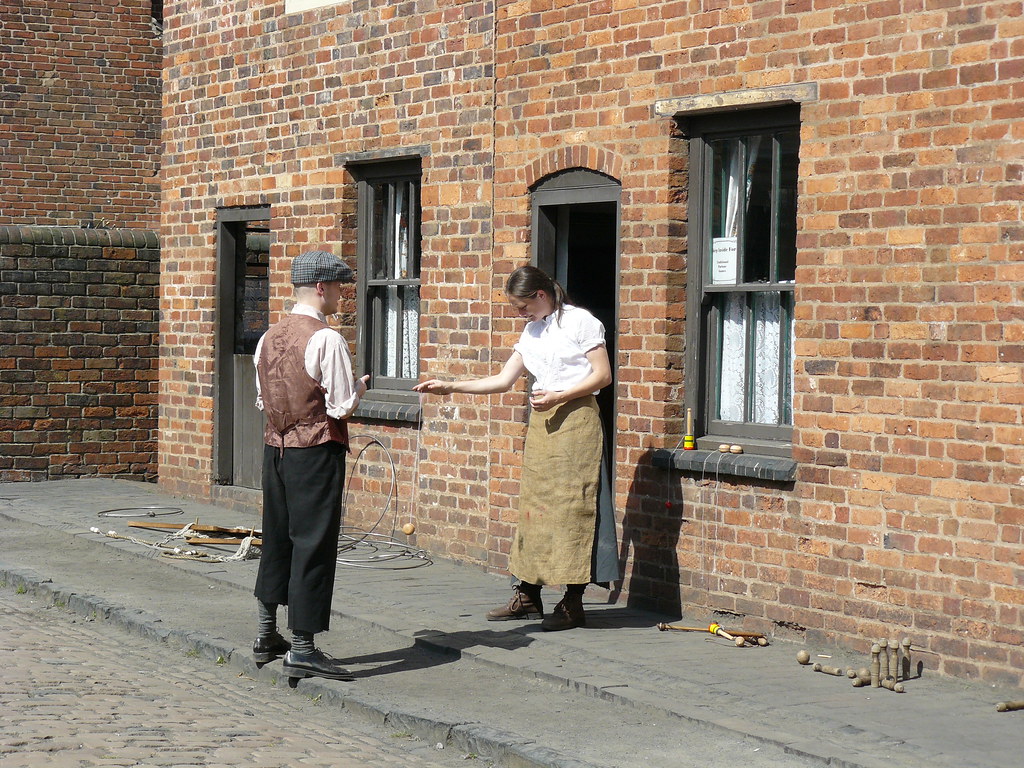
This rule originated centuries ago when city streets were far dirtier than they are today.
The gentleman was expected to walk on the street side of the sidewalk to shield women from mud, horse manure, and wastewater that might be splashed from passing carts.
Unlike many old etiquette rules, this one still survives in some places.
12. Gloves Were Required Almost Everywhere
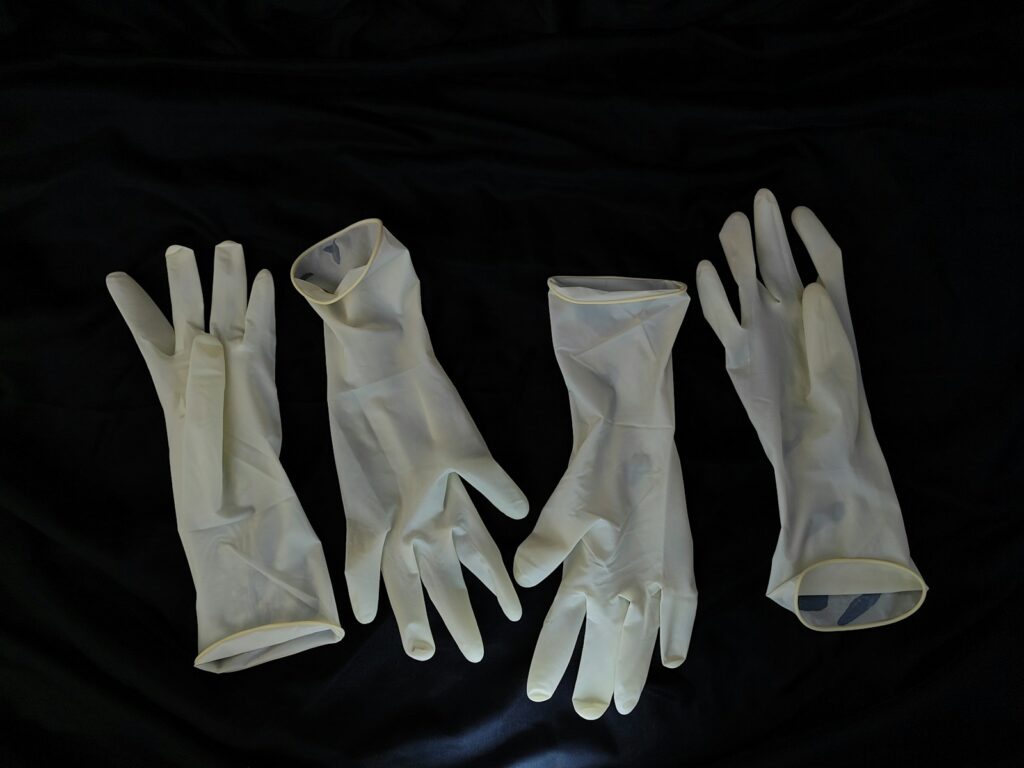
In the Victorian era, appearing in public without gloves could be considered improper.
Women often owned separate gloves for morning visits, afternoon calls, dinners, dances, church services, and mourning periods.
Being seen bare-handed at the wrong event was viewed as a significant social mistake.
11. Calling Cards Had Complex Rules
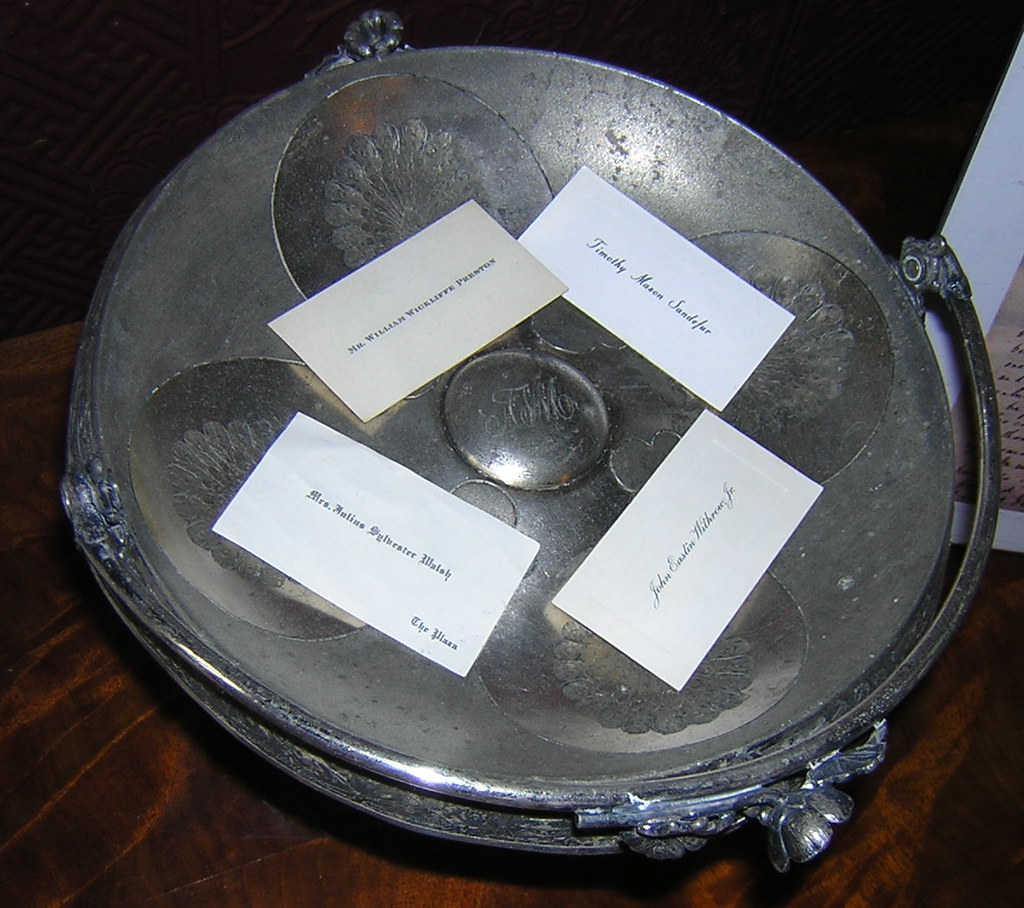
Before telephones became common, social visits often began with a calling card.
Visitors left small printed cards at a person’s home, but there were countless rules governing how they were delivered. Folding a corner in a particular way could indicate a personal visit. Multiple cards might signal different intentions.
The system was essentially the 19th-century version of decoding text messages.
10. Never Mention Money in Conversation
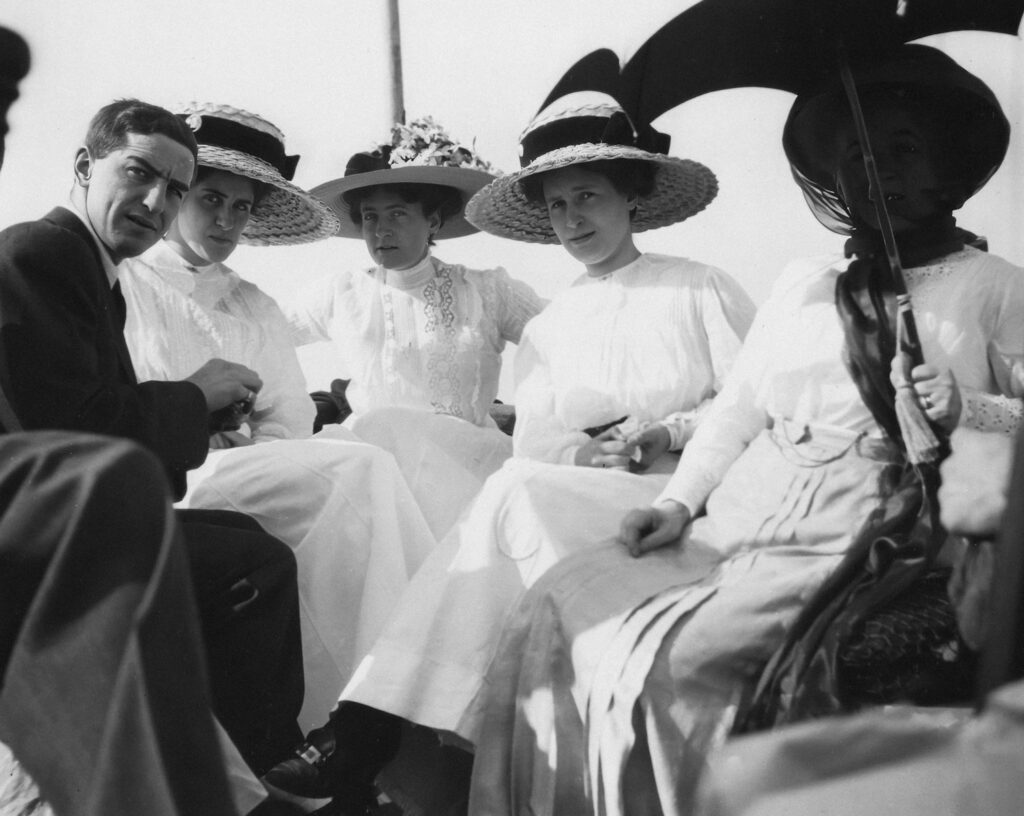
Victorian etiquette considered discussions of income, wealth, debt, or business earnings deeply inappropriate.
Even close friends might have no idea how much money each other actually had. Open financial conversations were often seen as crude and socially embarrassing.
In many ways, this rule remains surprisingly familiar.
9. Young Ladies Could Not Be Alone With Men
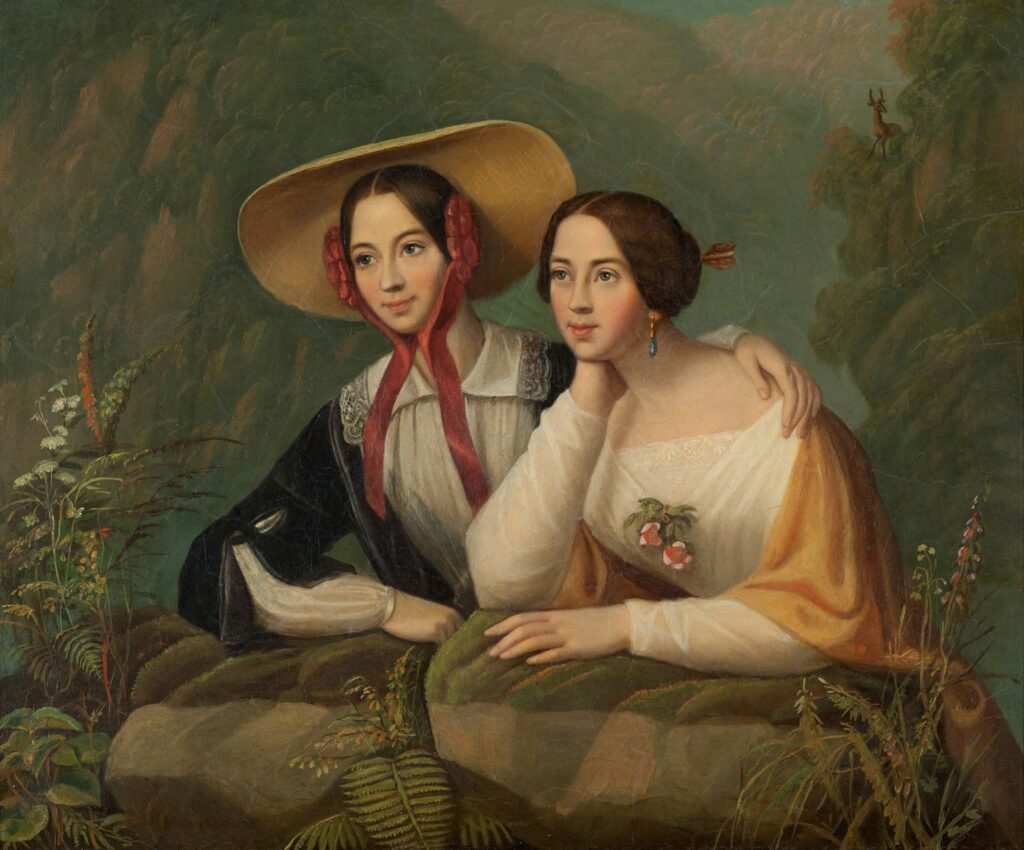
For much of the 19th century, unmarried women were expected to have a chaperone present during social interactions.
A private walk, carriage ride, or conversation with a man could spark gossip and damage a woman’s reputation.
Courtship often involved a surprising number of witnesses.
8. You Had to Change Clothes Constantly
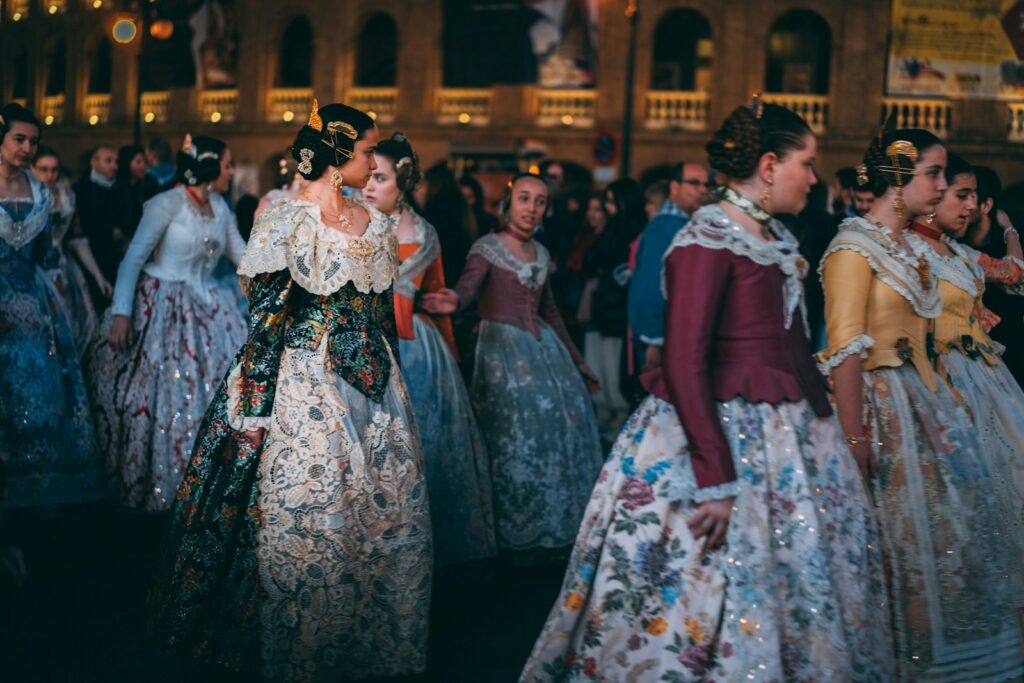
Well-to-do Victorians followed highly specific wardrobe schedules.
There were separate outfits for breakfast, walking, afternoon visits, dinner, evening events, and mourning periods. Wearing the wrong attire at the wrong time could result in social criticism.
Modern wardrobes suddenly seem very efficient.
7. Avoid Direct Eye Contact While Dining
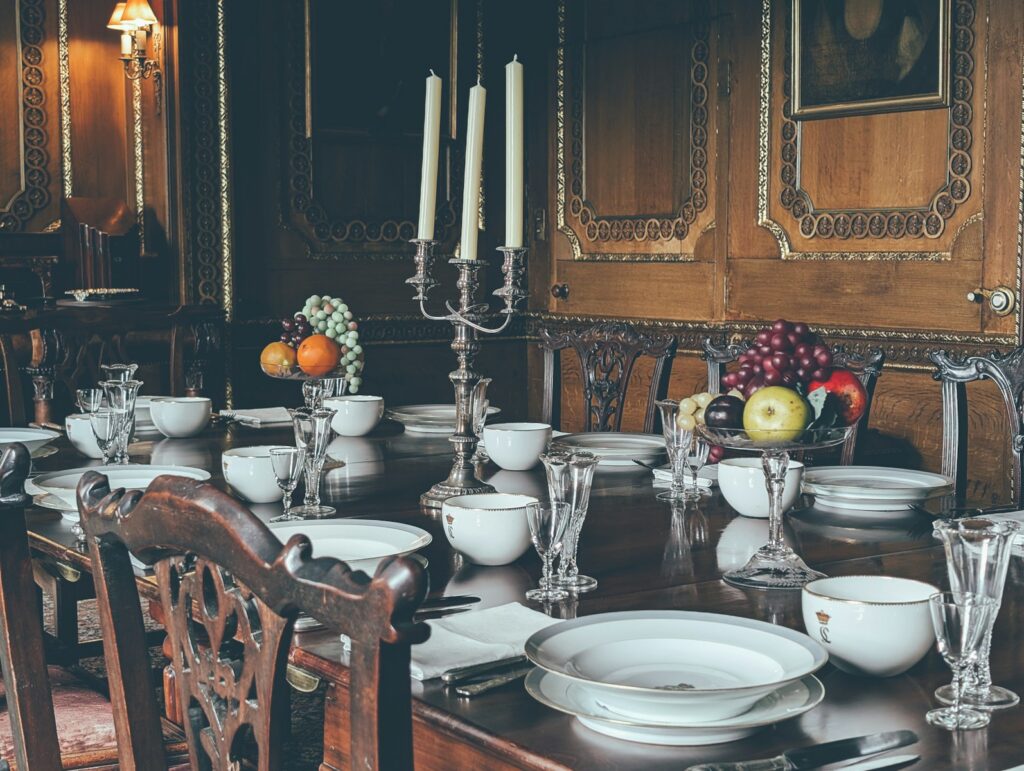
Certain etiquette guides advised against staring directly at other guests during meals.
Prolonged eye contact at the dinner table was considered awkward or aggressive. Diners were expected to focus on conversation while maintaining carefully measured glances.
It required a surprising amount of concentration just to eat dinner politely.
6. Never Arrive Exactly on Time
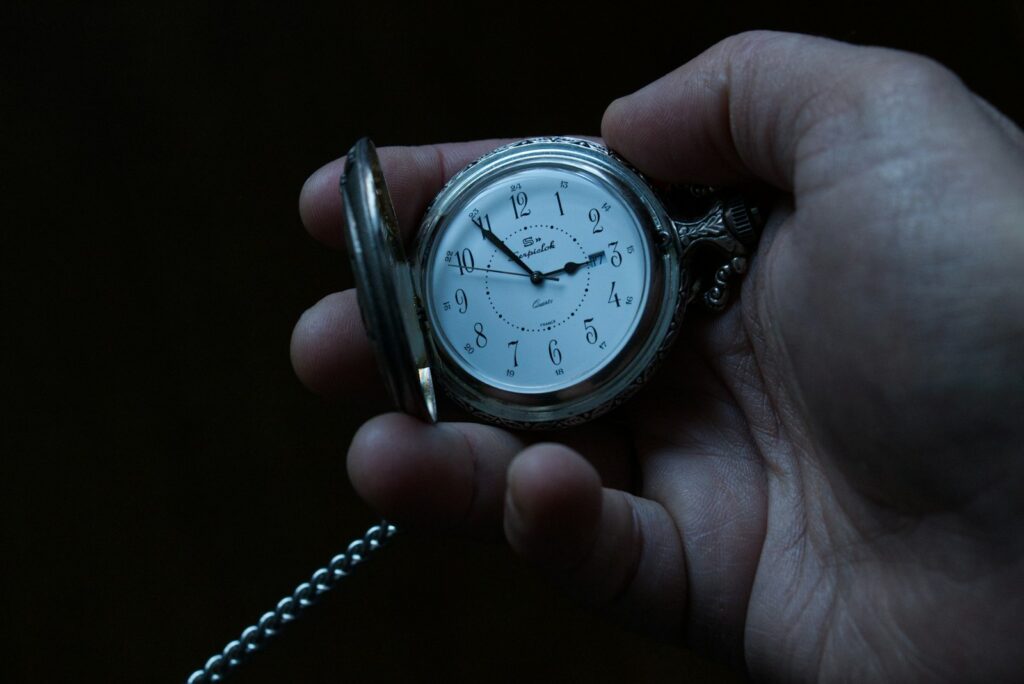
In some social circles, arriving precisely on time was considered overly eager.
Guests were often expected to arrive several minutes late to dinners and gatherings. Showing up too early could inconvenience the host, while arriving exactly on time sometimes appeared overly formal.
The “fashionably late” concept has deep historical roots.
5. Bread Had to Be Broken, Not Cut
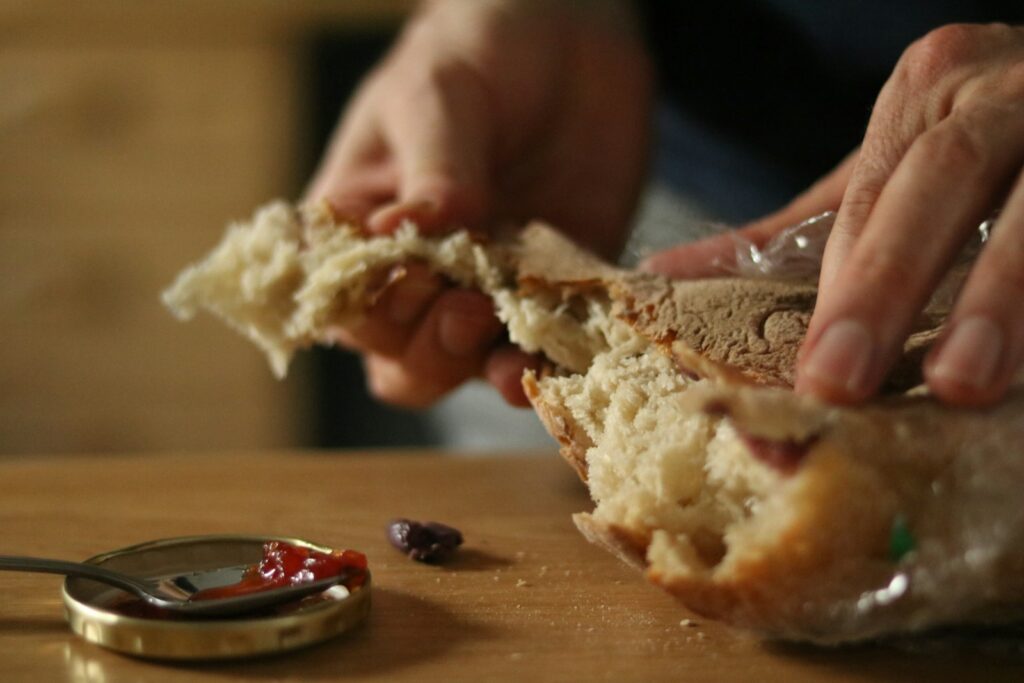
Formal dining rules once dictated that bread should never be bitten directly or sliced with a knife.
Instead, diners were expected to tear off small pieces by hand and eat them one at a time.
A simple dinner roll suddenly came with a surprisingly detailed instruction manual.
4. Brides Could Not Wear White Until the 1800s
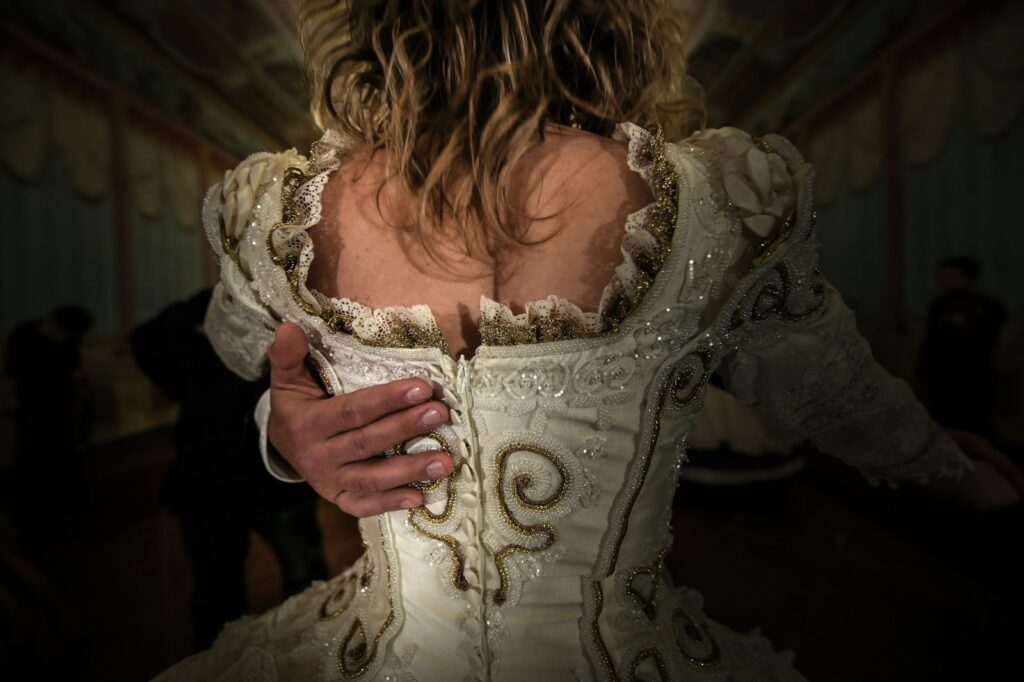
Today, white wedding dresses seem traditional, but for most of history they were unusual.
The trend became popular after Queen Victoria wore a white wedding gown in 1840. Before that, brides typically wore their best dress, regardless of color.
An entire wedding tradition began with what was essentially a royal fashion statement.
3. Sneezing Required an Elaborate Response

Historical etiquette often included specific protocols for sneezing.
A sneeze might require verbal acknowledgments, handkerchief etiquette, and carefully prescribed responses from everyone nearby.
Even minor bodily functions came with social expectations.
2. Women Were Discouraged From Reading Certain Books

Some etiquette manuals warned women against reading novels considered overly emotional or intellectually challenging.
Critics feared that excessive reading could encourage unrealistic expectations, independent thinking, or inappropriate behavior.
History repeatedly demonstrates that trying to stop people from reading rarely works.
1. Mourning Had Its Own Multi-Year Dress Code
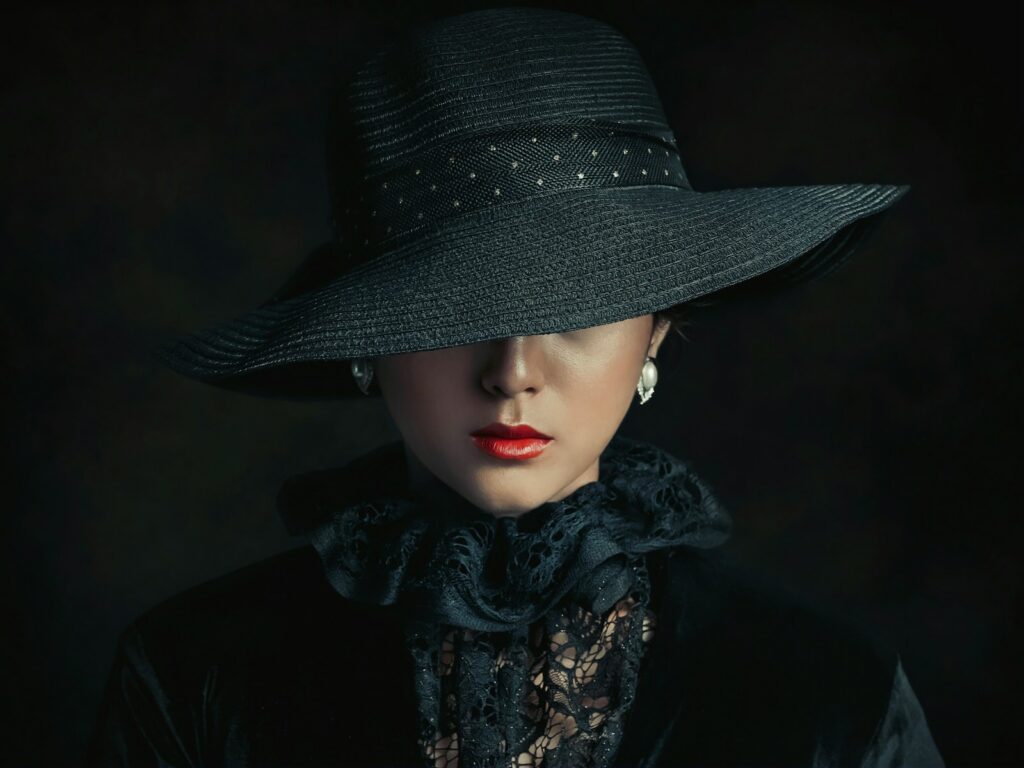
Victorian mourning customs may have been the most complicated etiquette rules ever created.
Widows could be expected to wear black for up to two years, followed by carefully regulated periods of gray, lavender, or other subdued colors. Jewelry, social activities, and even fabrics were governed by mourning etiquette.
Grief came with an entire rulebook.
Why Etiquette Rules Were So Complicated
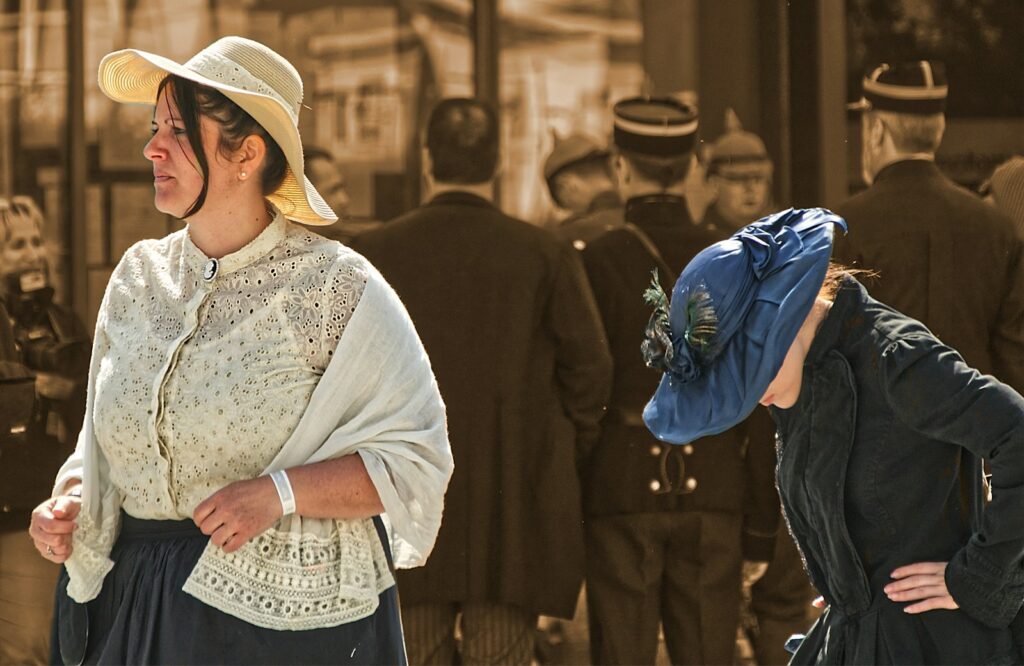
Many of these customs developed as ways to signal class, education, and social status. Following the rules showed that you understood the expectations of polite society and belonged within it.
The more complex the rules became, the easier it was to distinguish insiders from outsiders.
The Etiquette Rules of Today
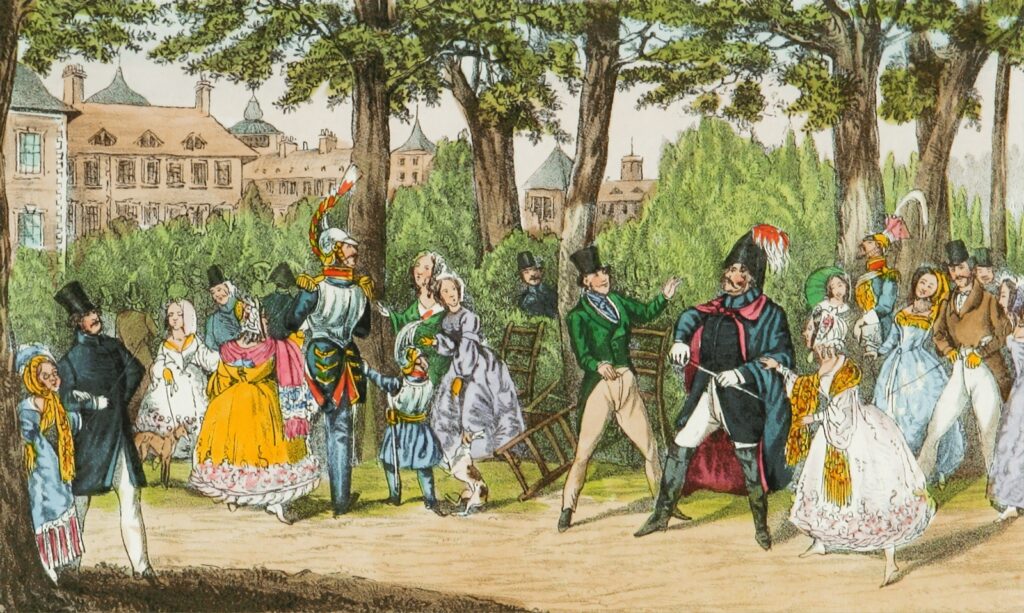
While many historical customs now seem absurd, future generations may feel the same way about some of our own social norms.
They may wonder why we obsessed over email etiquette, debated texting response times, worried about social media behavior, or argued over workplace dress codes.
Every era has its unwritten rules. Some just age more gracefully than others.
Read More:
- 10 Habits That Make You Look Richer Than You Are (Without Going Broke)
- 20 Store Tricks That Quietly Get You to Spend More
- 10 Wild Ways Lottery Winners Spent Their Millions