Most shoppers like to think their spending decisions are rational. Retailers know better. Store layouts, pricing tricks, and checkout prompts are designed to make extra spending feel natural, even when it wasn’t part of the plan.
None of this happens by accident. These 20 tactics show how stores quietly push shoppers to spend more without making the pressure feel obvious.
20. Decoy Pricing
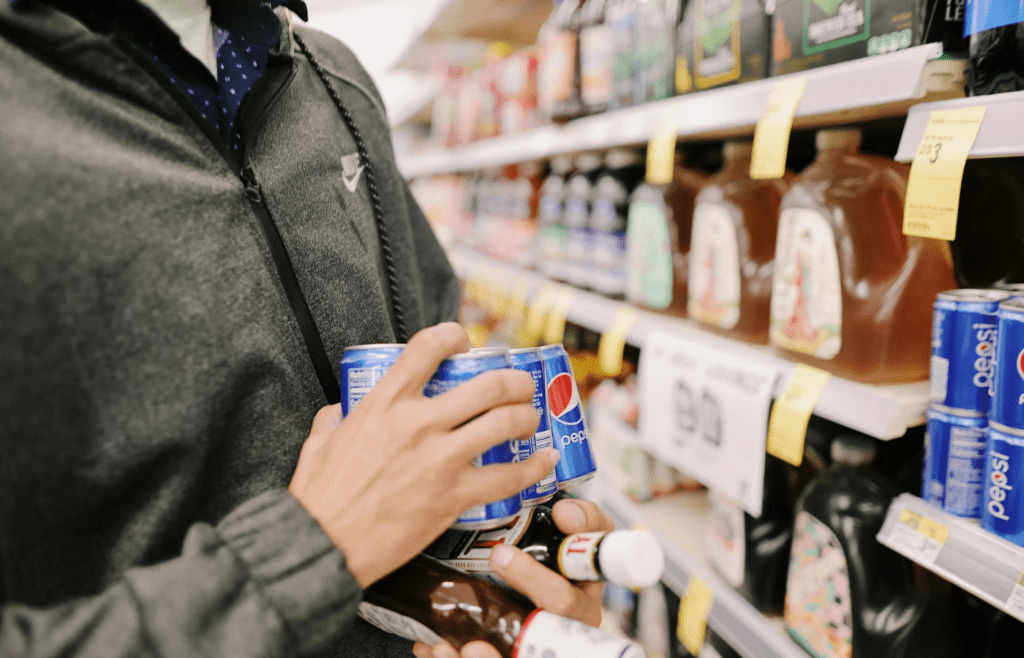
A pricier item can make the middle option look like the smart choice, even when the “deal” is not especially good. The goal is not to sell the most expensive version every time, but to make the next one down feel reasonable.
19. Eye-Level Product Placement
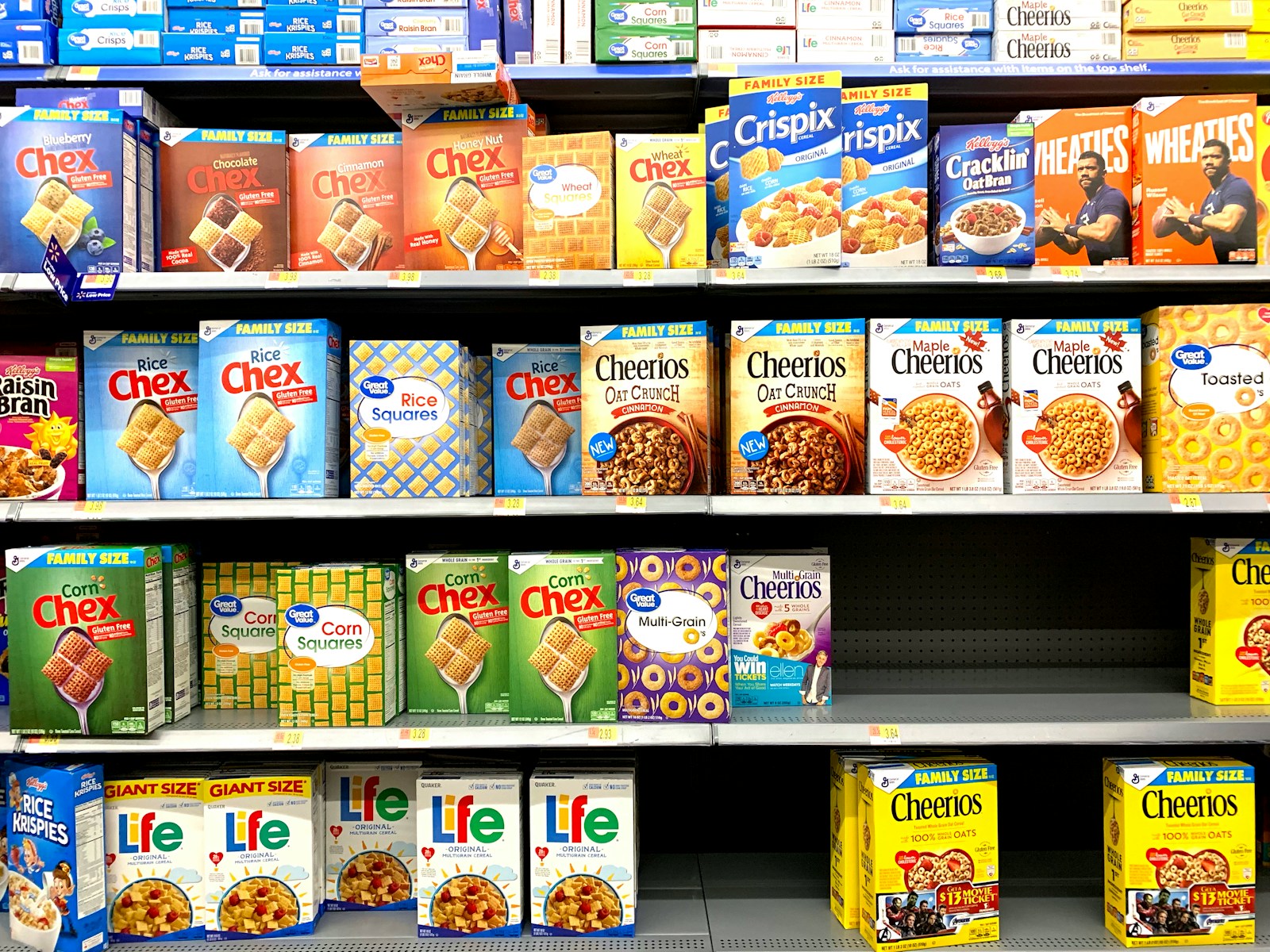
The products placed at eye level are there for a reason. Stores reserve that space for higher-margin brands, while cheaper options sit at the bottom or the top of the shelf. Shoppers notice what is easiest to see first.
18. “Buy One, Get One 50% Off”
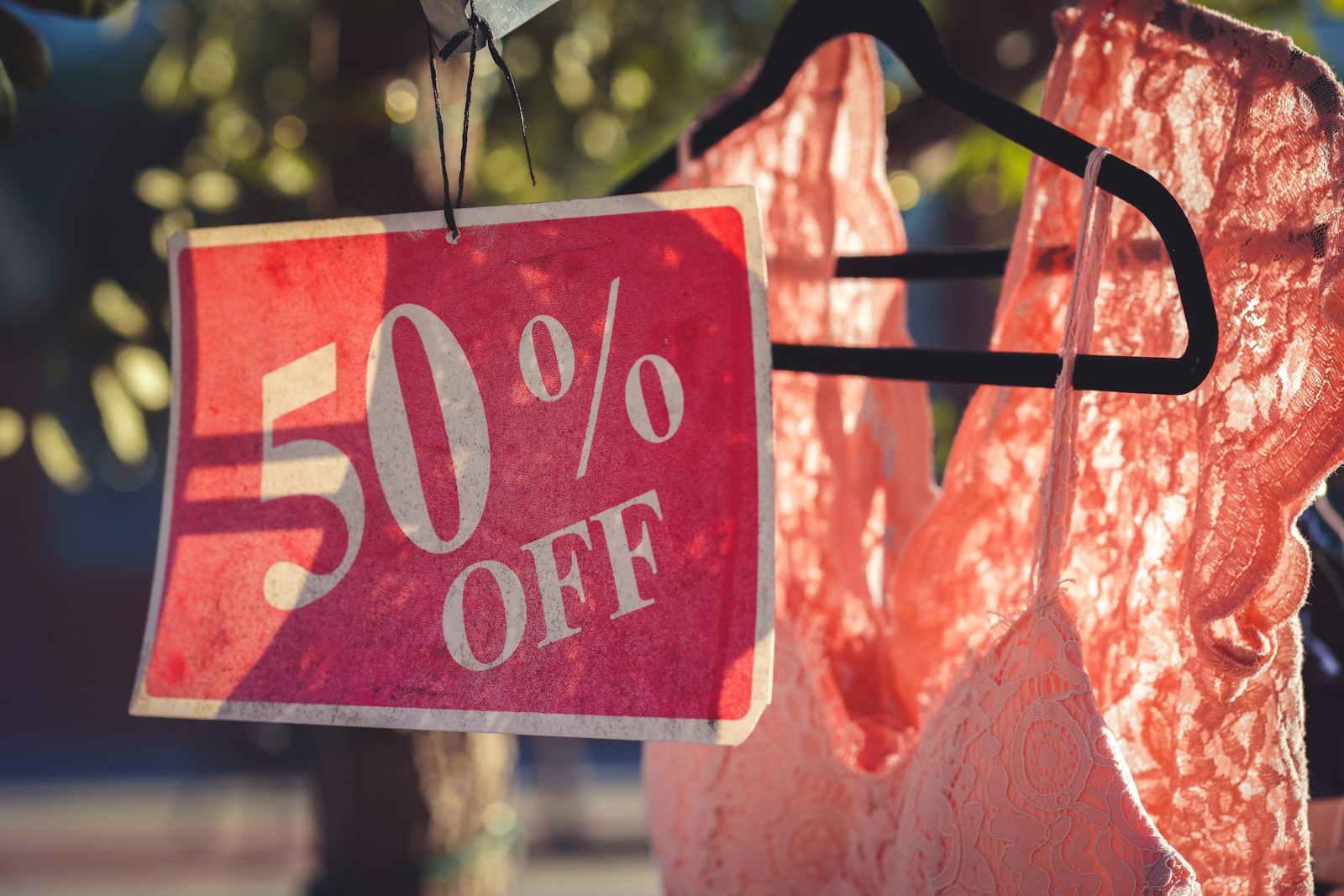
This promotion feels generous, but the savings only matter if you planned to buy two items anyway. In most cases, the offer just persuades people to buy more than they need. A discount on an unnecessary second purchase is still extra spending.
17. Store Layout Maze
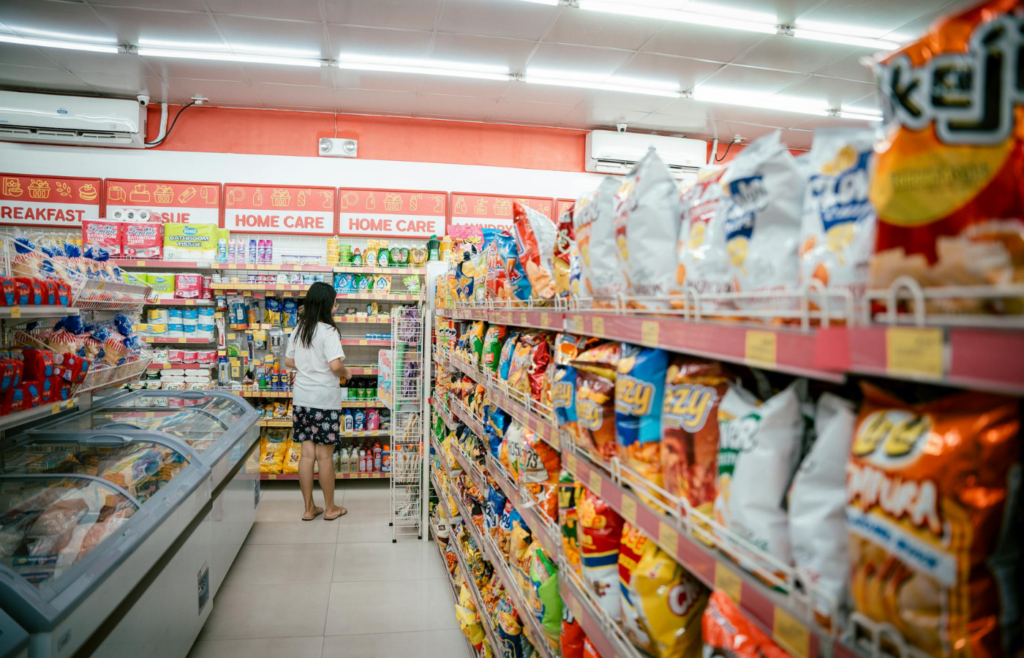
Some stores are designed to guide shoppers through as many departments as possible before they reach the exit. IKEA is a famous example, but plenty of retailers use the same idea. More exposure means more chances for unplanned purchases.
16. Shopping Cart Size
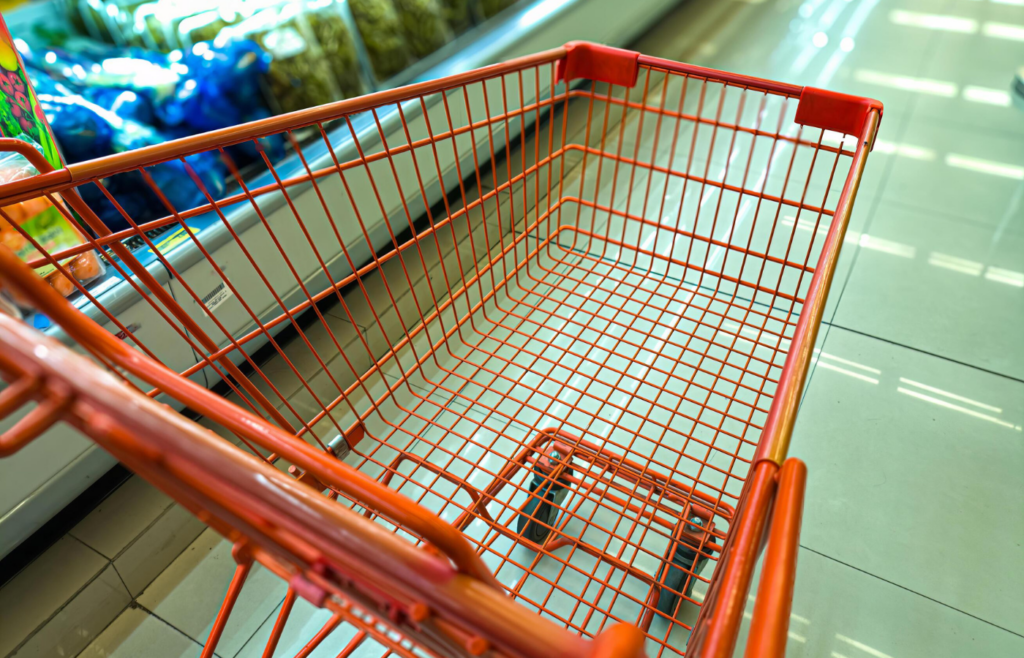
Large carts can make a few items look like almost nothing. That visual gap encourages shoppers to keep adding more because the cart still appears “empty.” The basket is doing a little psychology while pretending to be helpful.
15. Limited-Time Offers
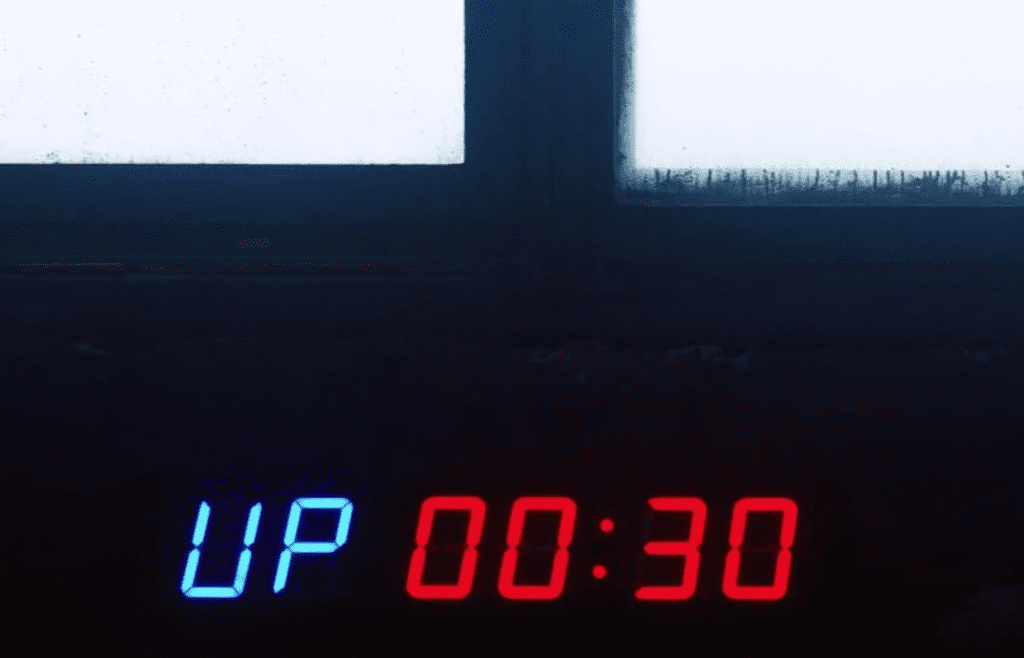
Urgency is one of retail’s favorite tools. Flash sales, countdown timers, and “last chance” signs are meant to speed up the decision before logic has much time to catch up.
14. Loyalty Cards That Reward Spending
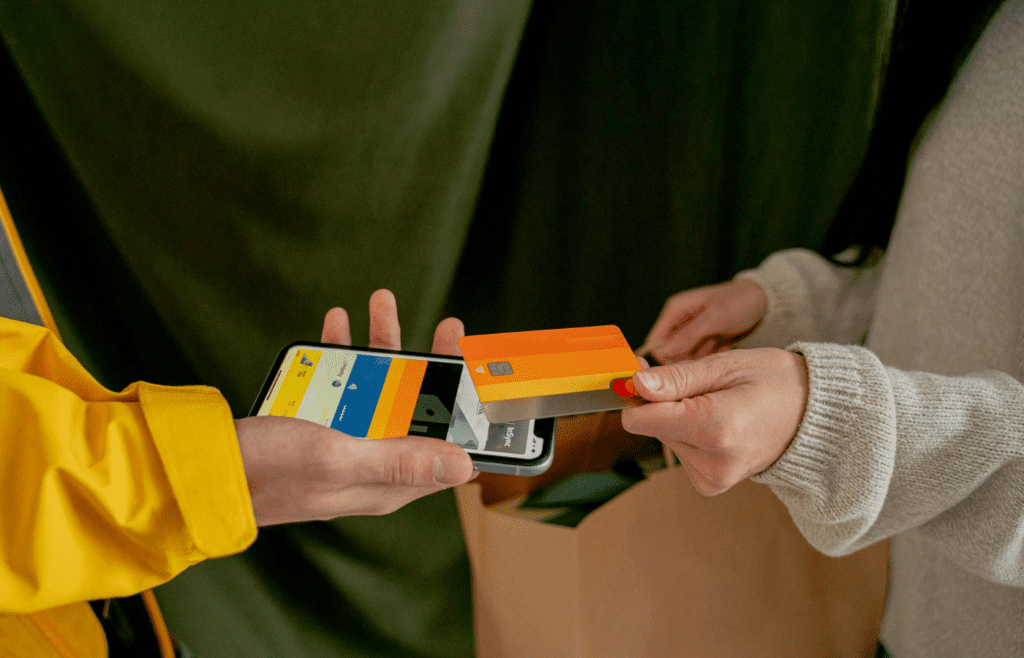
Loyalty programs can save money, but they also give shoppers a reason to keep returning and spending. Points, discounts, and rewards feel like progress, even when the bigger pattern is simply buying more to unlock them.
13. Loss Leaders
Stores advertise a few very cheap products to get people through the door. Once shoppers arrive, they pick up full-priced items along the way, and the bargain suddenly has company in the cart.
12. Free Samples
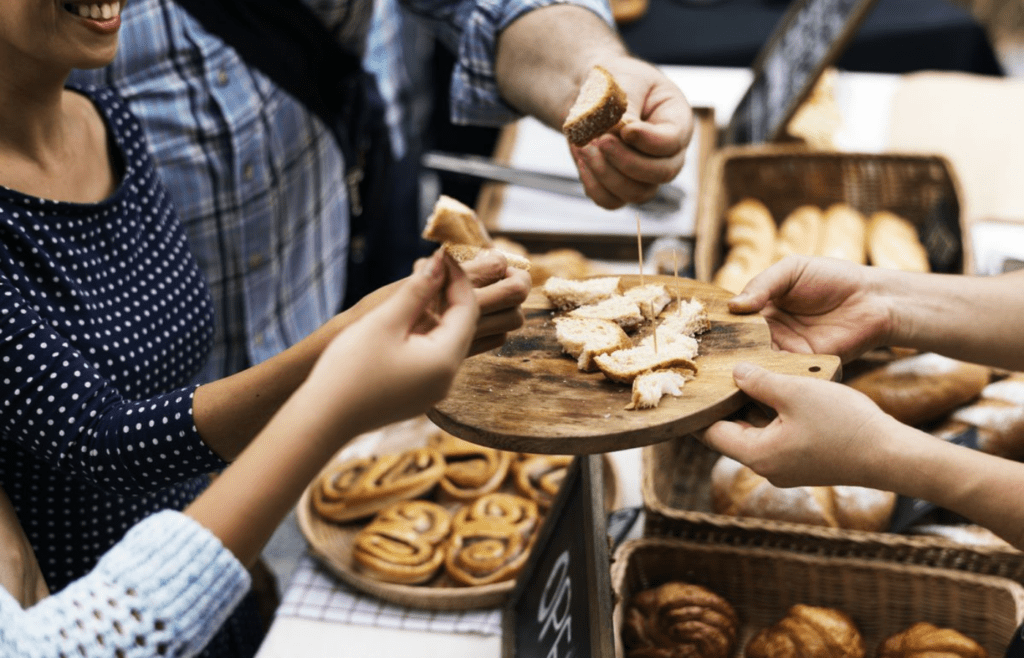
A sample creates a quick connection with a product. Once someone tastes it, the item stops feeling abstract and starts feeling familiar, which makes buying more likely.
11. Background Music and Scent
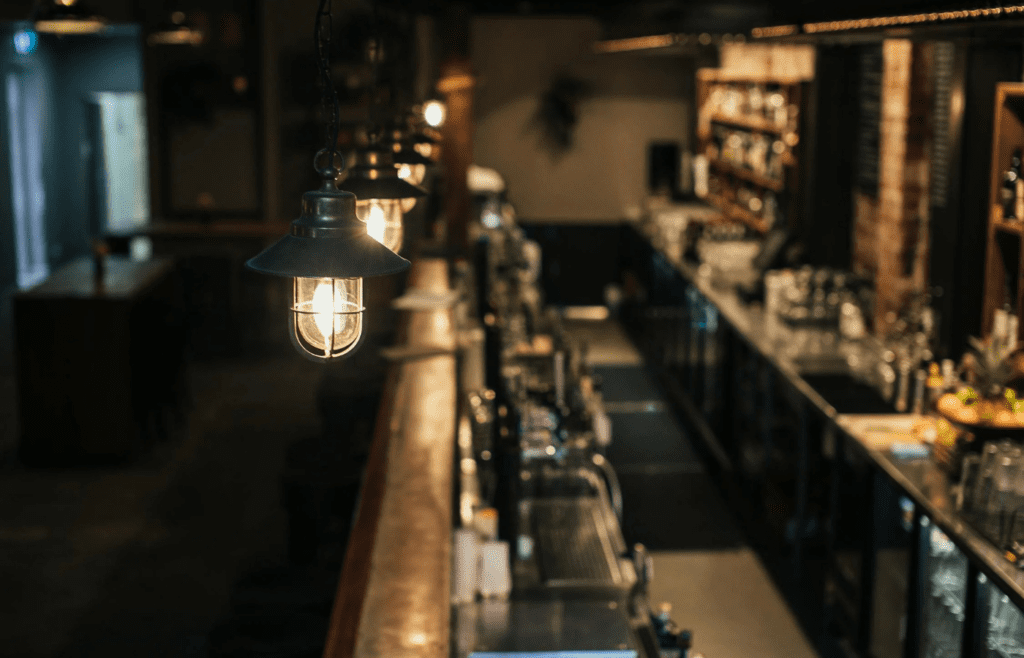
Retailers use sound and scent to shape mood and pace. Softer music, warm lighting, and pleasant smells can make shoppers slow down, linger longer, and browse with less resistance.
10. “99” Pricing
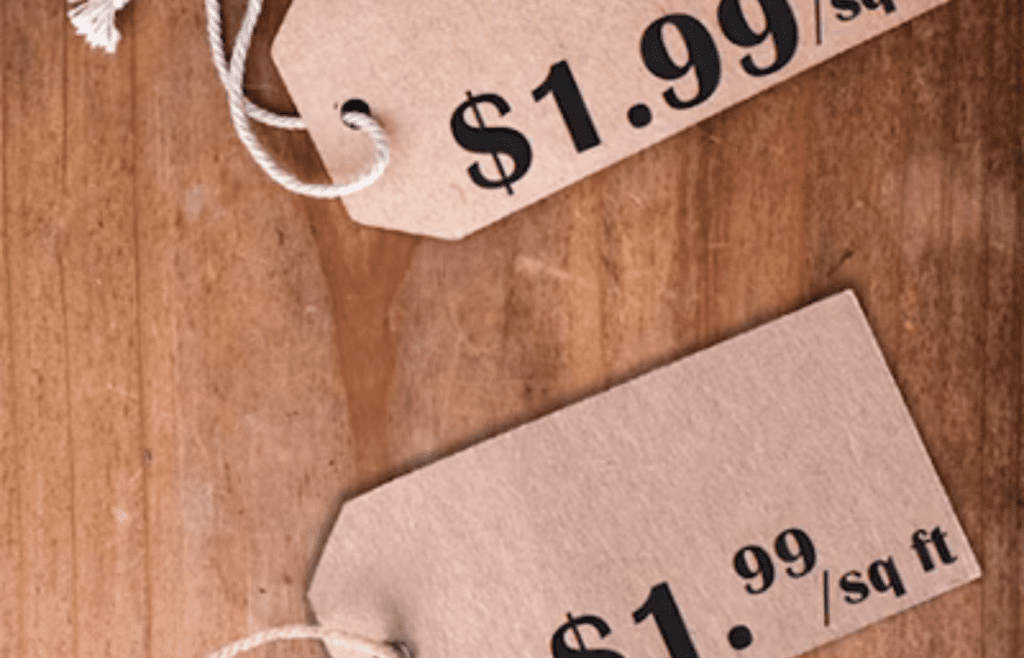
A price like $9.99 still feels lower than $10 to many shoppers, even though the difference is tiny. The left-hand digit does more work than people like to admit.
9. Impulse Buys at the Checkout
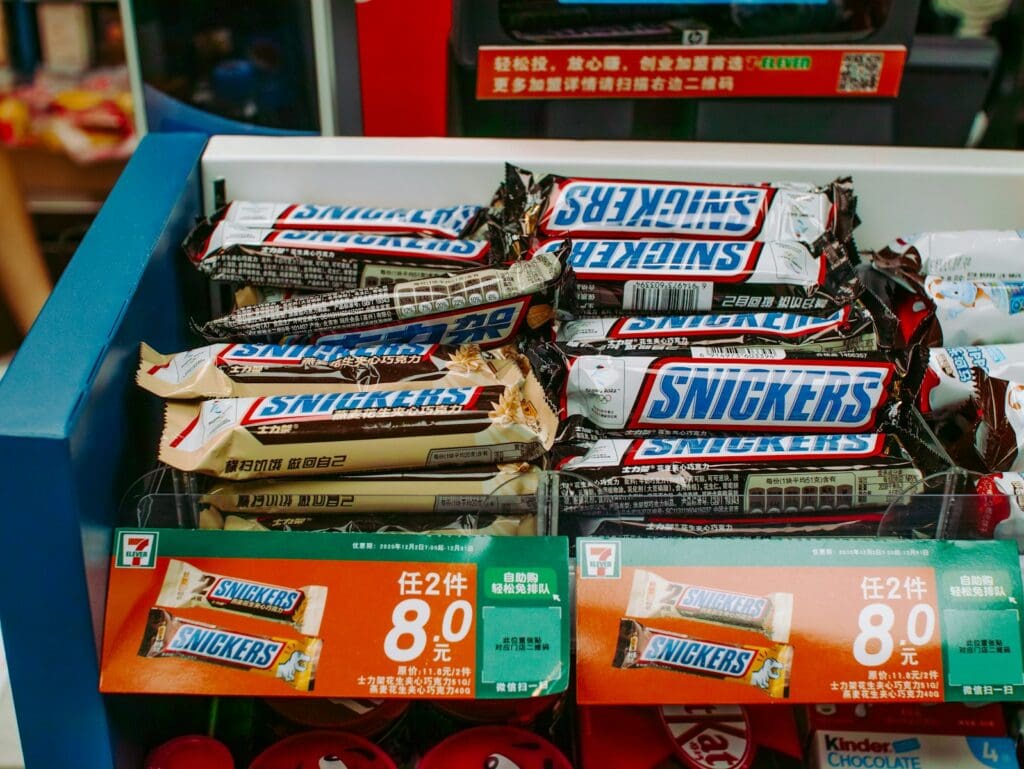
Candy, lip balm, chargers, and small snacks do not land near the register by accident. Those displays target tired decision-making at the very end of the trip, when adding one more item feels harmless.
8. Suggestive Product Pairing
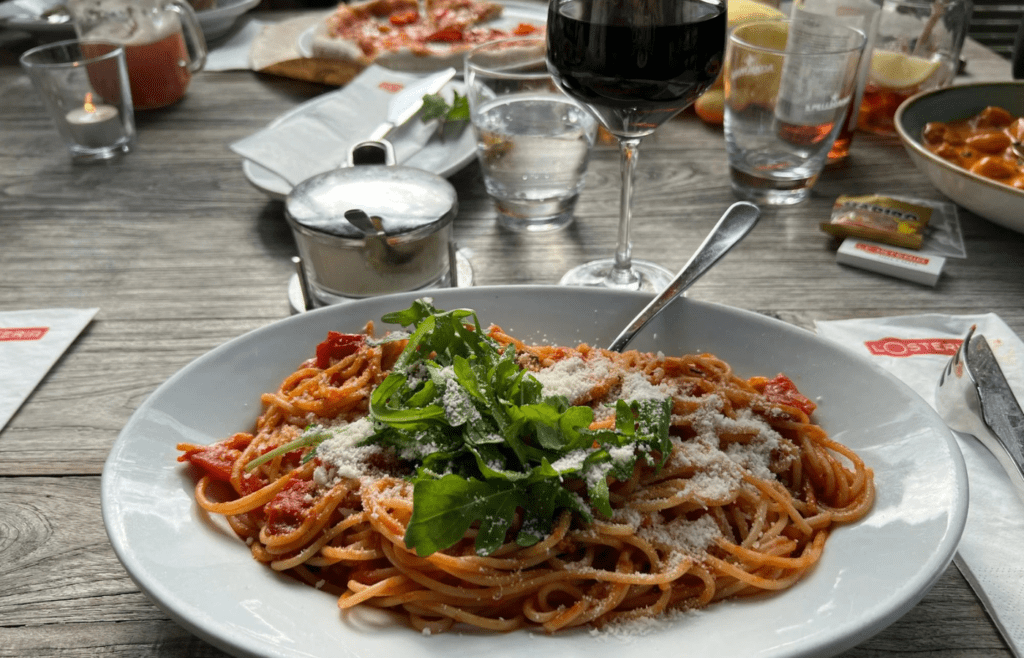
Pasta next to sauce, chips next to dip, and burgers next to buns all serve the same purpose. Stores place related items together to trigger the thought that one purchase should naturally lead to another.
7. “As Low As” Pricing
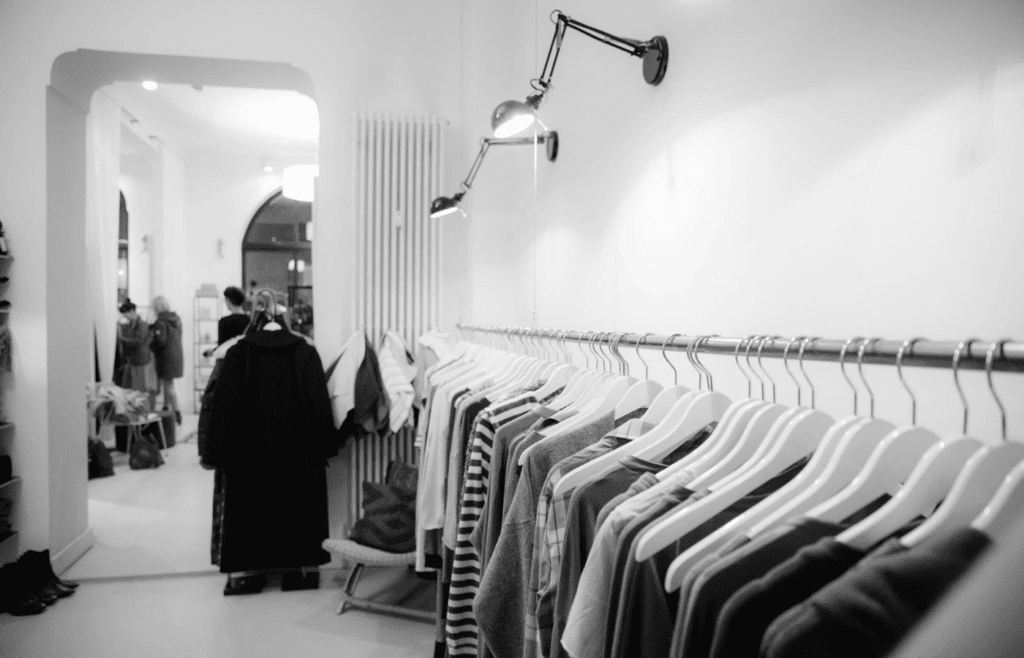
Signs promising prices “from $9.99” pull shoppers in with the cheapest possible version of the offer. Once people start browsing, they find out most of the inventory costs more.
6. Upselling at Checkout
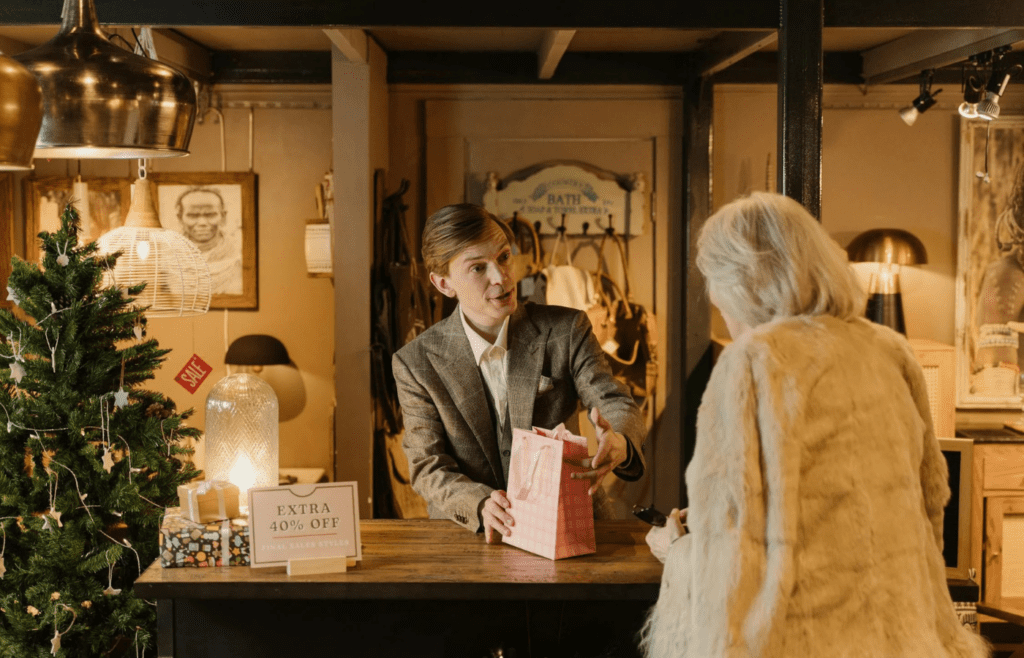
Fast-food counters and cashiers have mastered this move. A larger size, an add-on, or a bundle for “just a little more” can quickly boost the total because the decision feels small in the moment.
5. Premium Product Placement on End Caps
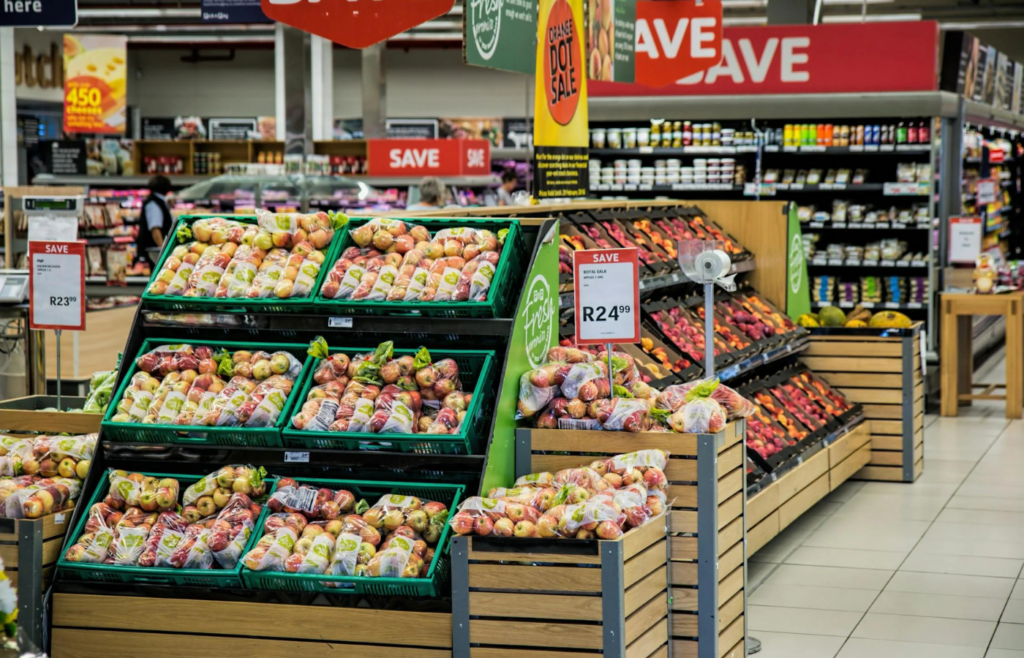
End caps attract attention because they sit at the end of aisles and catch the eye fast. Shoppers sometimes assume those displays feature deals, but many hold full-priced items with strong profit margins.
4. Cross-Merchandising
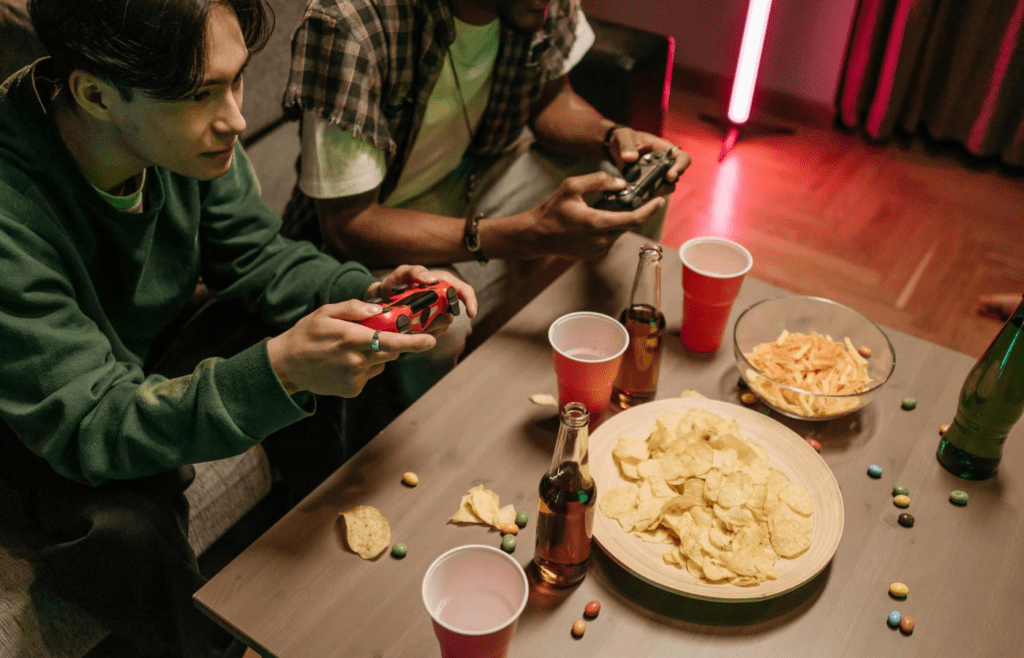
Bundling related items into a single display makes the entire setup feel more convenient. Convenience sells. Once shoppers see chips, salsa, and soda together, buying all three becomes more natural.
3. Overstimulating Clearance Areas
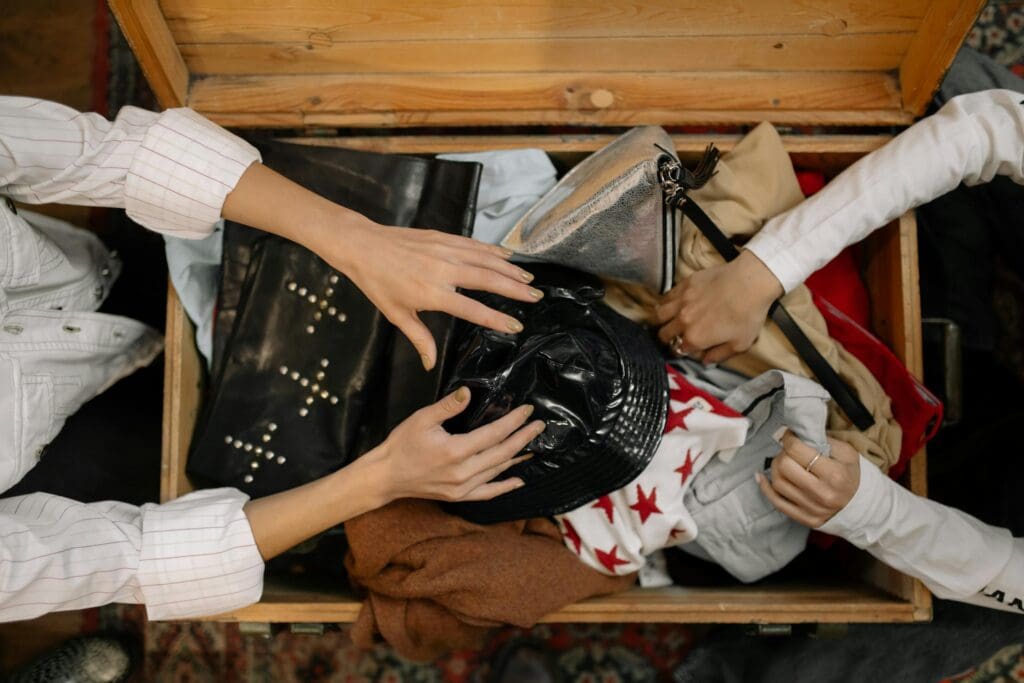
Clearance sections are messy on purpose or, at minimum, left visually chaotic enough to suggest hidden treasure. The hunt becomes part of the appeal, and people start buying for the thrill of finding a “deal” rather than for actual need.
2. Monthly Subscription Pushes
Memberships and recurring delivery perks sound efficient, but stores know plenty of people will underuse the benefits or forget to cancel. Small recurring charges do not feel dramatic at first. Over time, they add up nicely for the retailer.
1. “Free Shipping Over $50”
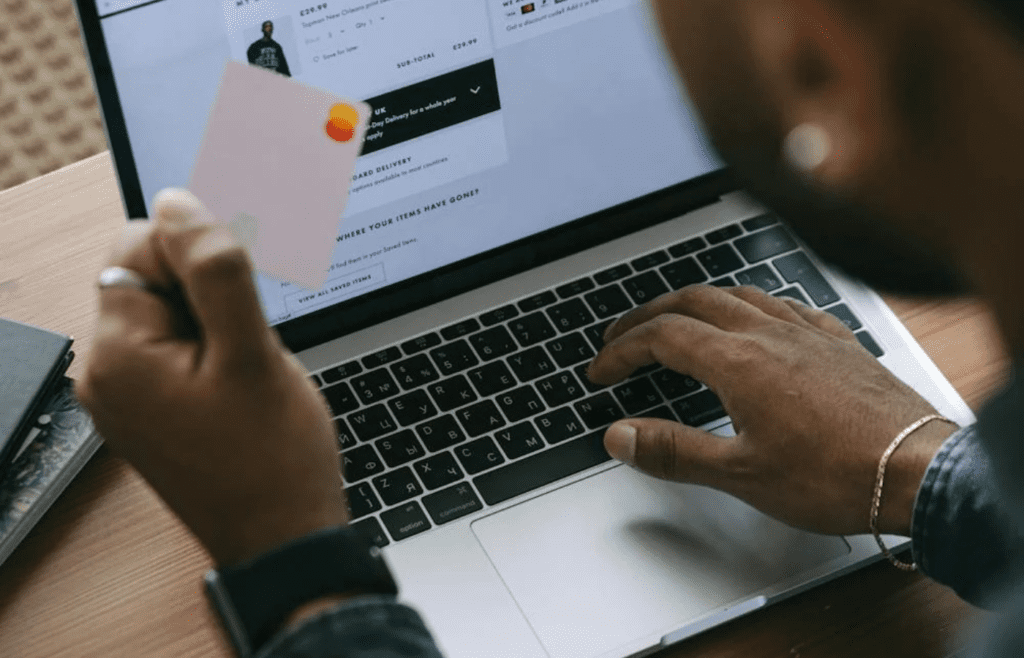
This is one of the simplest and most effective tricks around. A shopper who planned to spend $38 may add another $12 just to avoid a $5 shipping fee, which means the store has already won the math.
Stores are built to increase spending, not protect your budget. Paying attention to these tactics will not stop every impulse purchase, but it does make the game easier to spot before your receipt gets longer.
Read More:
- Which Grocery Stores Have the Best Rewards Programs?
- These Items Aren’t Always a Bargain at Sam’s Club
- 10 Sneaky Ways Lifestyle Creep Is Draining Your Wallet