
Period tracking apps have become essential tools for many, offering insights into menstrual cycles and reproductive health. However, these seemingly benign apps might be sharing more than just your cycle dates. Recent investigations reveal that some period trackers are sending sensitive data to third parties, raising significant privacy concerns.
While these apps promise convenience and personalized insights, they also pose risks by potentially exposing intimate details to data firms. Here are 9 ways your period tracker might be compromising your privacy.
9. Sharing Sensitive Health Data

Some period trackers send users’ reproductive health details to data firms without explicit consent.
This includes information such as birth control methods and pregnancy status, which can be shared with third-party analytics companies.
8. Lack of Transparency in Privacy Policies

Many apps have vague or incomplete privacy policies that do not clearly state how user data will be used.
This lack of transparency makes it difficult for users to understand the extent of data sharing and potential risks involved.
7. Third-Party Trackers
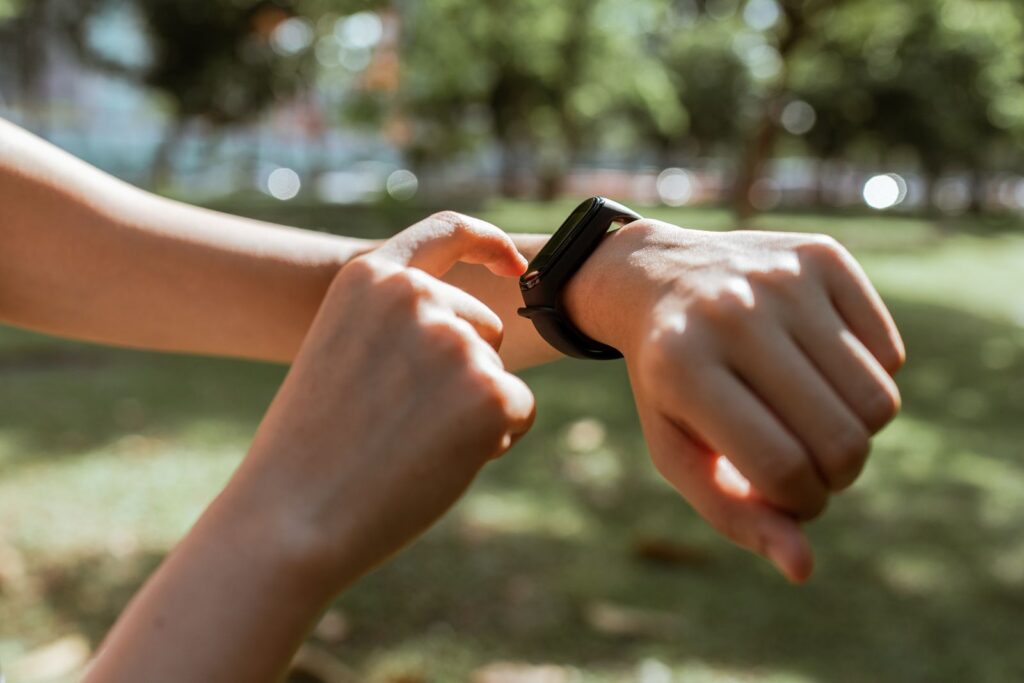
From the moment you open some apps, third-party trackers are activated, collecting data even before any symptoms are logged.
This data is often sent alongside persistent user IDs, making it challenging to maintain anonymity.
6. Data Routing to Unseen Destinations
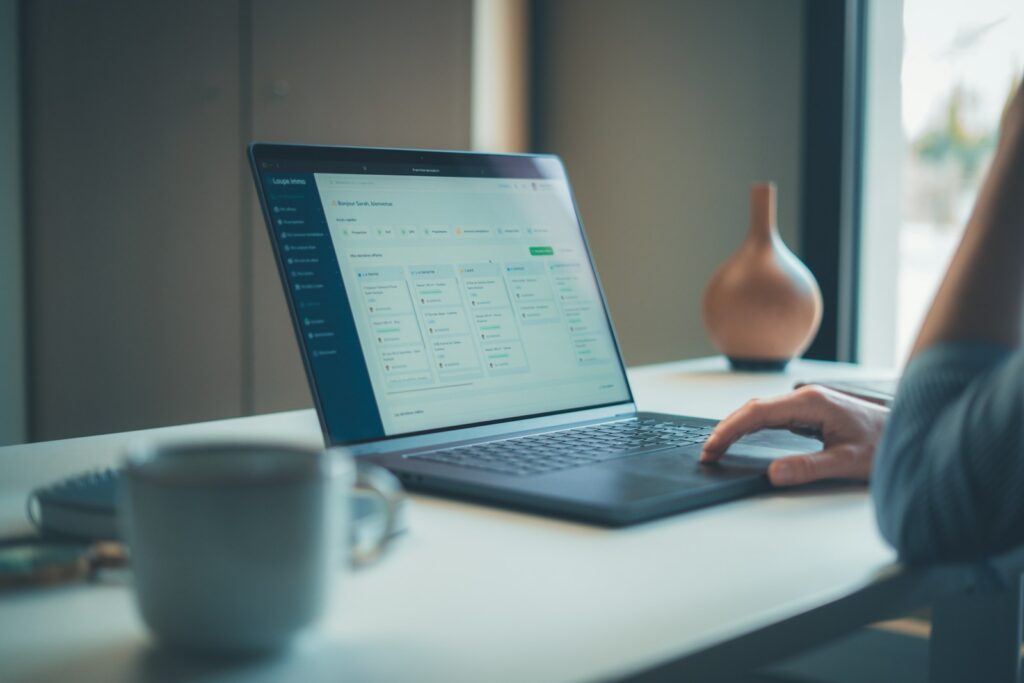
Some apps route user data to destinations that are not disclosed in their privacy policies.
This lack of visibility means users have no control over where their data ends up or how it is used.
5. In-App Advertising Identifiers
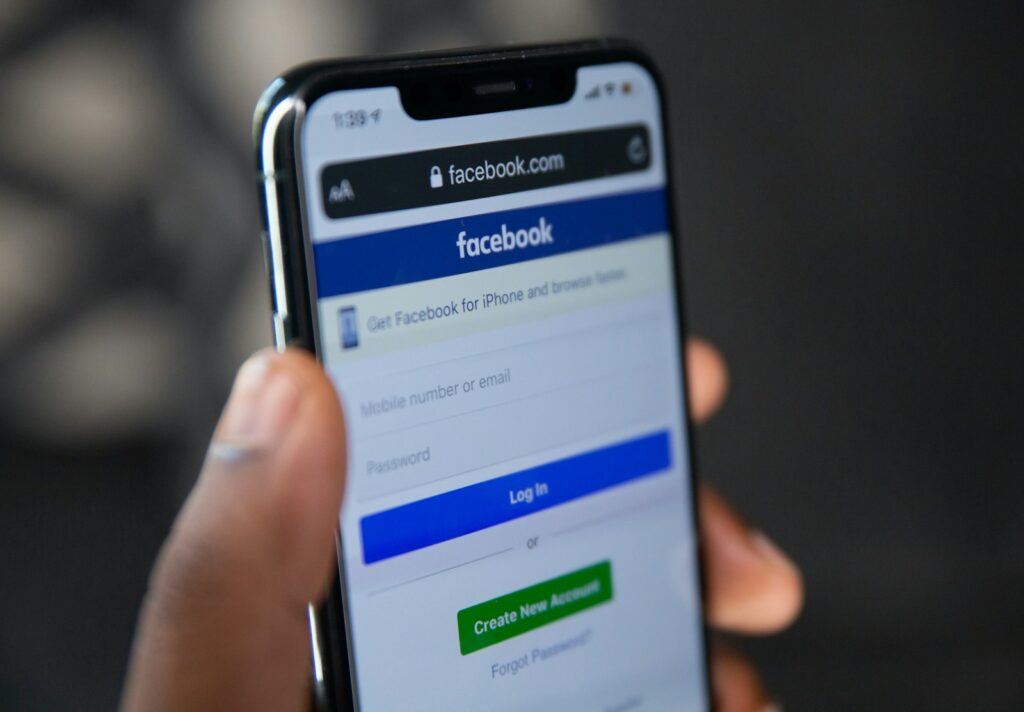
Some period trackers use ad identifiers to link in-app behavior to existing profiles on platforms like Facebook.
This practice allows advertisers to target users based on their most intimate health data.
4. No Option to Disable Data Sharing

Many apps do not offer users the ability to opt-out of data sharing with third parties.
This lack of control can make users feel powerless over their own data.
3. Legal Demands for User Data

While some companies claim they have not received legal demands for user data, the potential for such requests remains.
This uncertainty adds another layer of risk for users concerned about privacy.
2. Exposure to Web Trackers
Some trackers include in-app browsers that load web trackers, potentially exposing users to additional data collection.
Even with security measures, this can lead to unwanted tracking and data exposure.
1. Lack of User Control
Ultimately, many period trackers do not provide sufficient tools for users to manage their data privacy effectively.
Without options to control data sharing, users are left vulnerable to privacy breaches.
Read More:
- Cycle Syncing Your Workouts: How to Train With Your Hormones
- 9 Ways Aging Ovaries Affect Your Health Beyond Fertility
- 10 Surprising Revelations About Early Menopause Symptoms