
Cycle syncing workouts are helping more people train in harmony with their bodies. By adjusting exercise routines to align with the hormonal shifts that occur throughout the menstrual cycle, many find they experience better energy levels, improved recovery, and a more sustainable relationship with fitness.
While research on cycle syncing is still evolving and individual experiences vary widely, paying attention to how your body feels during different phases of your cycle can provide valuable insights. Rather than forcing yourself through the same workouts every week, cycle syncing encourages flexibility and self-awareness. The goal isn’t to exercise less, but to train smarter by recognizing that your energy, strength, and recovery needs may naturally change throughout the month.
10. What Is Cycle Syncing?

Cycle syncing is the practice of matching your workouts, nutrition, and recovery strategies to the four phases of your menstrual cycle.
Hormones such as estrogen and progesterone fluctuate throughout the month, influencing everything from mood and motivation to strength, endurance, and sleep quality. By understanding these patterns, you can create a fitness routine that works with your body rather than against it.
9. Menstrual Phase: Prioritize Rest and Recovery

The menstrual phase begins on the first day of bleeding and typically lasts three to seven days.
During this time, estrogen and progesterone are at their lowest levels. Some people feel perfectly capable of maintaining their usual workouts, while others experience fatigue, cramps, headaches, or lower energy levels.
Gentle movement often feels best during this phase. Walking, stretching, restorative yoga, mobility work, and easy cycling can help improve circulation and reduce discomfort without placing excessive demands on the body.
8. Honor Your Energy Levels Without Guilt
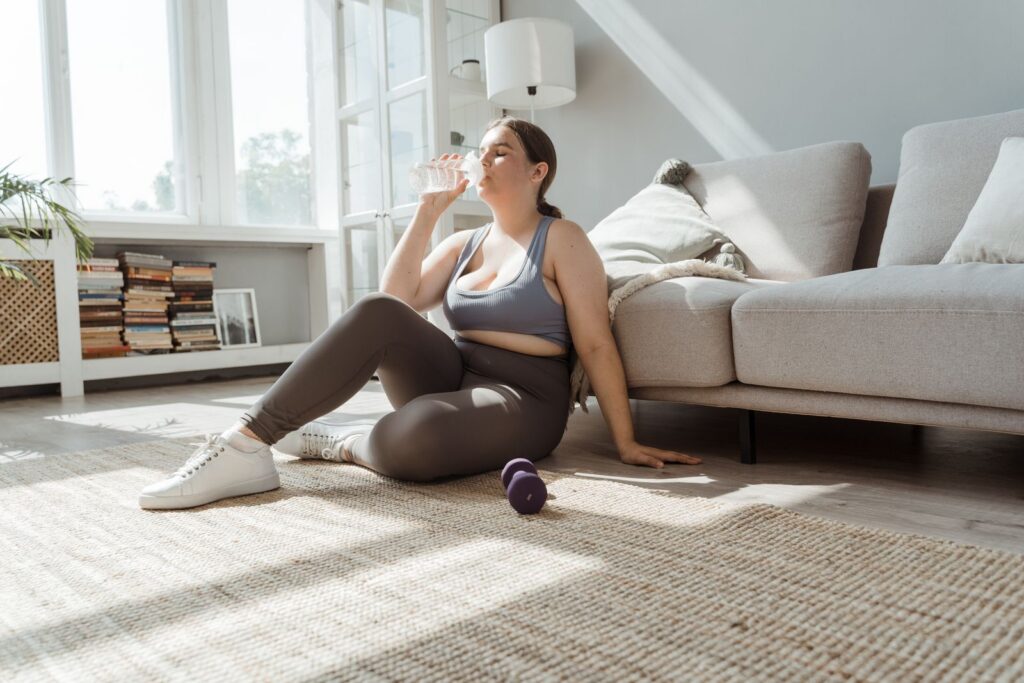
One of the biggest benefits of cycle syncing is learning to let go of the idea that every workout must be intense.
If you’re feeling exhausted during your period, taking a rest day isn’t a sign of weakness. Recovery is a critical part of fitness progress. Giving yourself permission to slow down when your body asks for it can help prevent burnout and support long-term consistency.
7. Follicular Phase: Time to Build Momentum
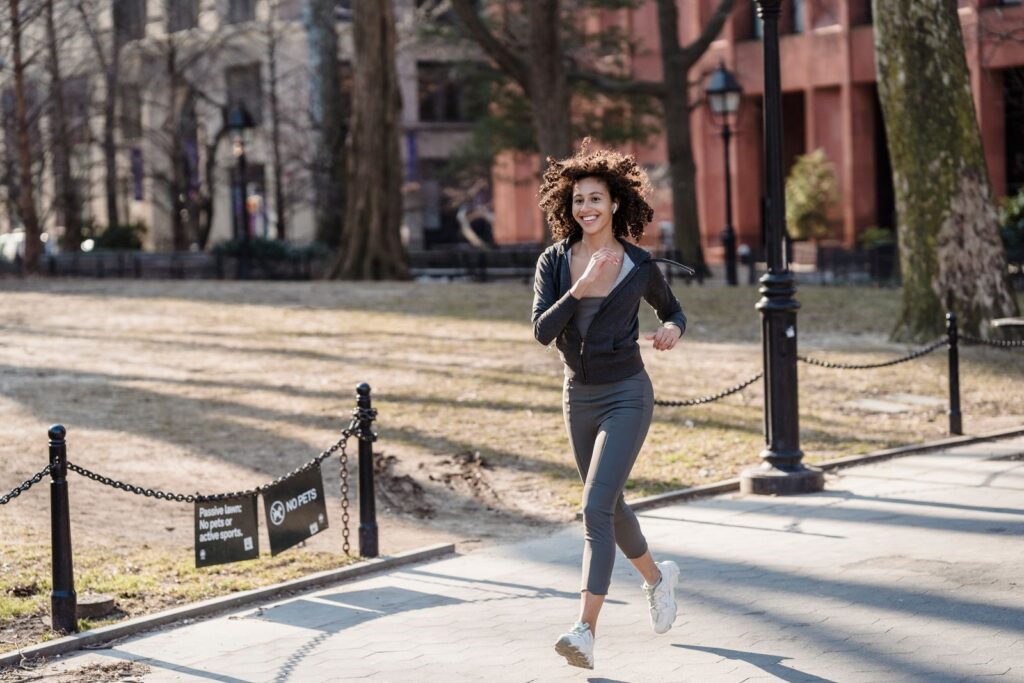
After menstruation ends, the follicular phase begins.
As estrogen levels rise, many people notice increased energy, motivation, focus, and optimism. Workouts often feel easier during this phase, and recovery may improve as well.
This can be an ideal time to gradually increase training volume, try new fitness classes, or challenge yourself with more demanding workouts.
6. Focus on Strength and Endurance
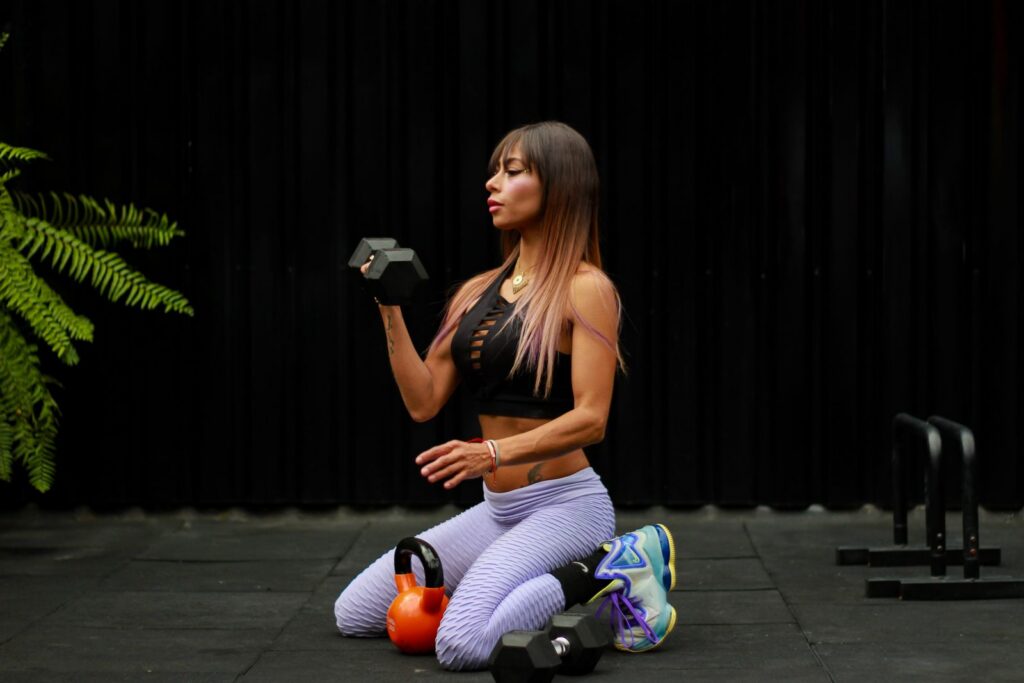
The follicular phase is often considered one of the best times for building fitness.
Many people feel stronger and more resilient during this stage. Progressive strength training, longer cardio sessions, interval workouts, and skill-based training can all fit well here.
If you’ve been working toward a new lifting goal or endurance milestone, this may be the phase where your body feels most ready to tackle it.
5. Ovulation Often Brings Peak Performance
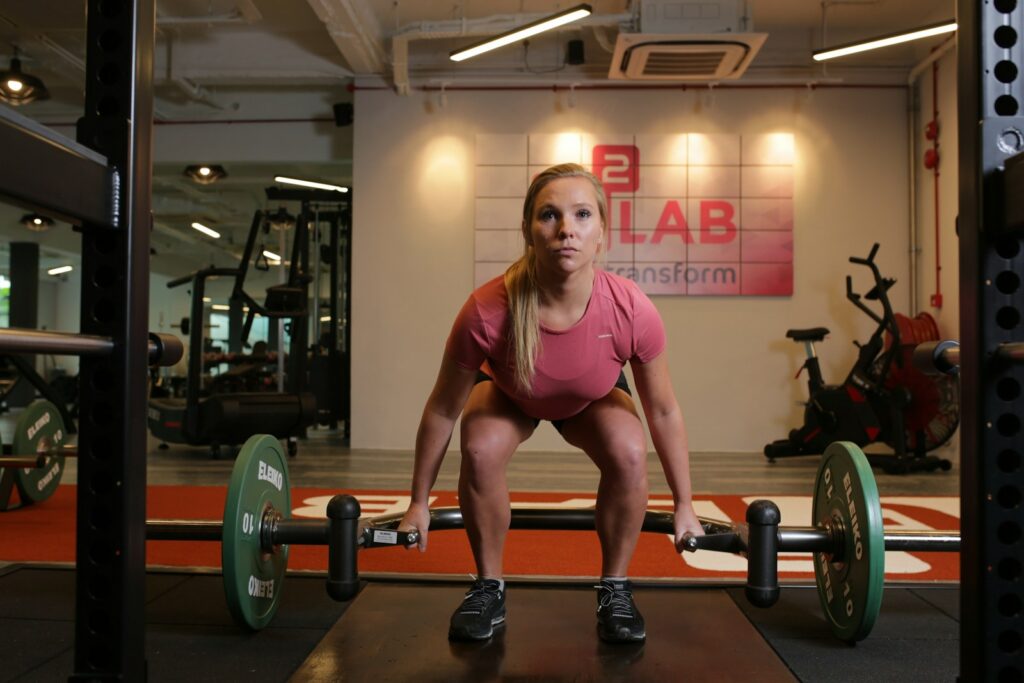
Around the midpoint of the cycle, ovulation occurs.
Estrogen reaches its peak, and testosterone experiences a temporary increase. For many people, this translates into feeling stronger, faster, and more confident.
High-intensity workouts, sprint sessions, heavy lifting, competitive sports, and personal best attempts often feel particularly rewarding during this window.
4. Don’t Skip Your Warm-Up During Ovulation
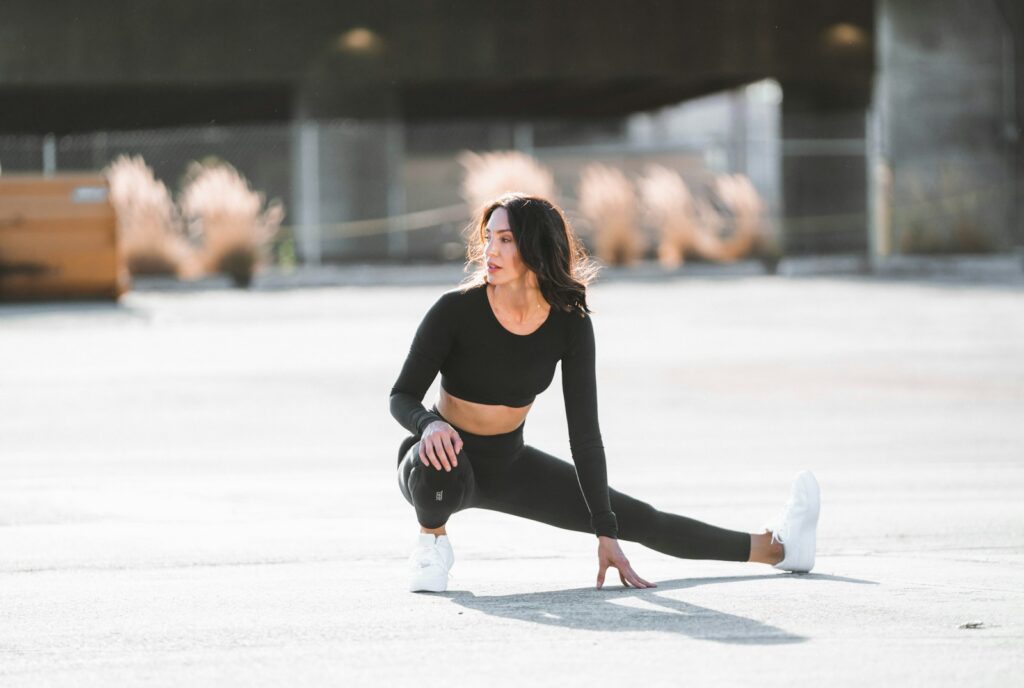
Feeling powerful can sometimes make it tempting to jump straight into challenging workouts.
However, some research suggests that hormonal changes around ovulation may slightly increase joint laxity. While the risk is relatively small, taking extra time to warm up properly and focus on form can help reduce the likelihood of injury.
Dynamic stretching, activation exercises, and gradual progression become especially important during this phase.
3. Luteal Phase: Shift Into Sustainable Movement
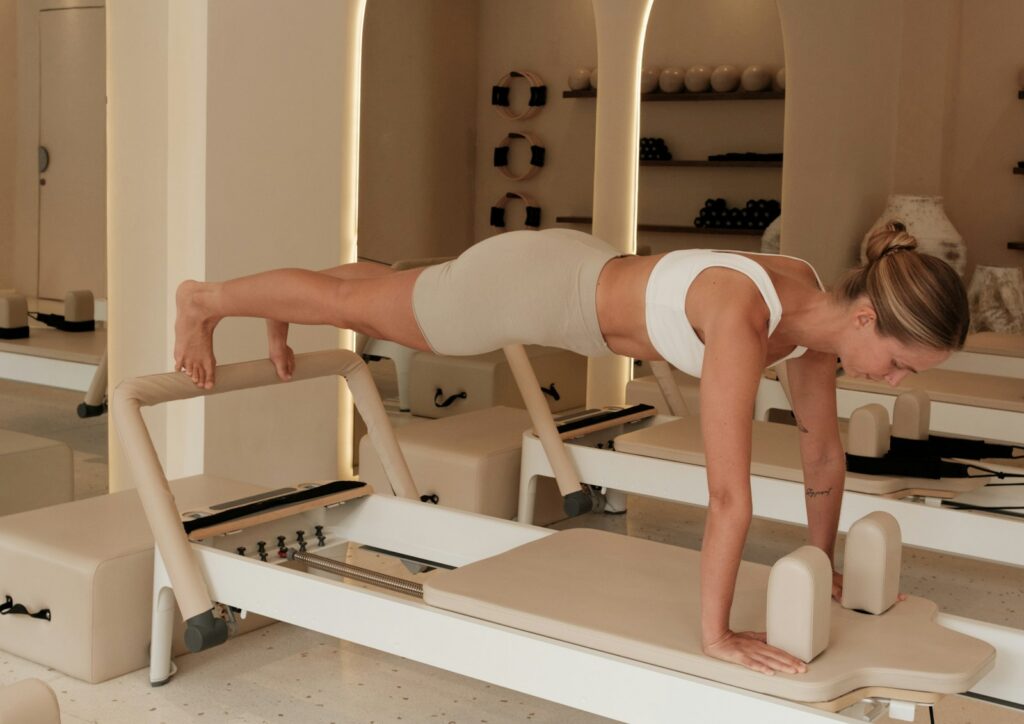
After ovulation, the luteal phase begins as progesterone levels rise.
Some people continue feeling energetic during the early luteal phase, while others notice that workouts require more effort. Body temperature naturally increases during this stage, which can make intense exercise feel more challenging.
Steady-state cardio, Pilates, barre, moderate strength training, hiking, and lower-impact workouts often feel more sustainable than all-out intensity.
2. Prioritize Sleep, Recovery, and Stress Management

The late luteal phase is when PMS symptoms often appear.
Fatigue, mood changes, cravings, bloating, and reduced motivation are all common experiences. During this time, recovery deserves just as much attention as exercise.
Prioritizing quality sleep, staying hydrated, eating balanced meals, and incorporating stress-management practices can help support both physical performance and emotional well-being.
1. Use Your Cycle as a Guide, Not a Rulebook

The most important principle of cycle syncing is flexibility.
No two people experience their cycles exactly the same way. Some feel strongest during ovulation, while others notice little difference throughout the month. Some maintain intense training during menstruation, while others need more recovery time.
Tracking your cycle for a few months can help you identify your own patterns. From there, you can make small adjustments based on how you actually feel rather than following rigid schedules.
At its best, cycle syncing isn’t about restricting workouts. It’s about developing a deeper understanding of your body, building consistency, and approaching fitness with greater self-awareness and self-compassion.
Read More:
- Can Adaptogens Really Help with Burnout? 10 Things to Know
- 10 Authentic Mediterranean Foods Your Doctor Would Approve Of
- 20 Beginner-Friendly Meditation Tips That Actually Work