
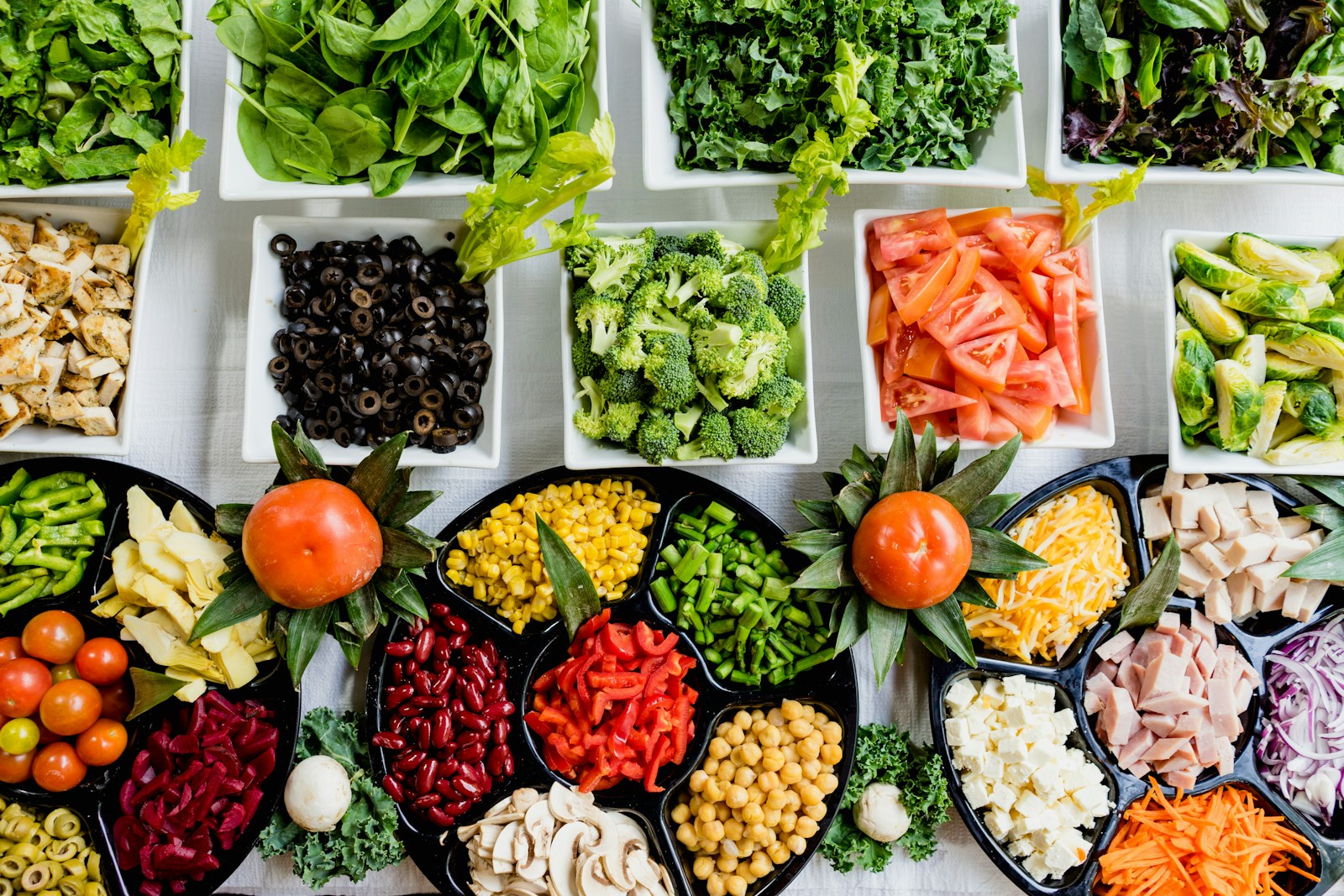
As the world grapples with climate change and health crises, the idea of transforming our global food systems has gained momentum. A shift towards healthier diets, more efficient farming, and reduced food waste could revolutionize agriculture by mid-century. Recent studies suggest that these changes could significantly reduce farm emissions and alter the landscape of food production.
Researchers have modeled scenarios where these dietary and agricultural shifts lead to a reduction in farmland use and a dramatic decrease in livestock production. The potential benefits extend beyond the environment, promising significant health and economic impacts. Here are nine ways these transformations could unfold by 2050:
9. Decrease in Global Farmland Use
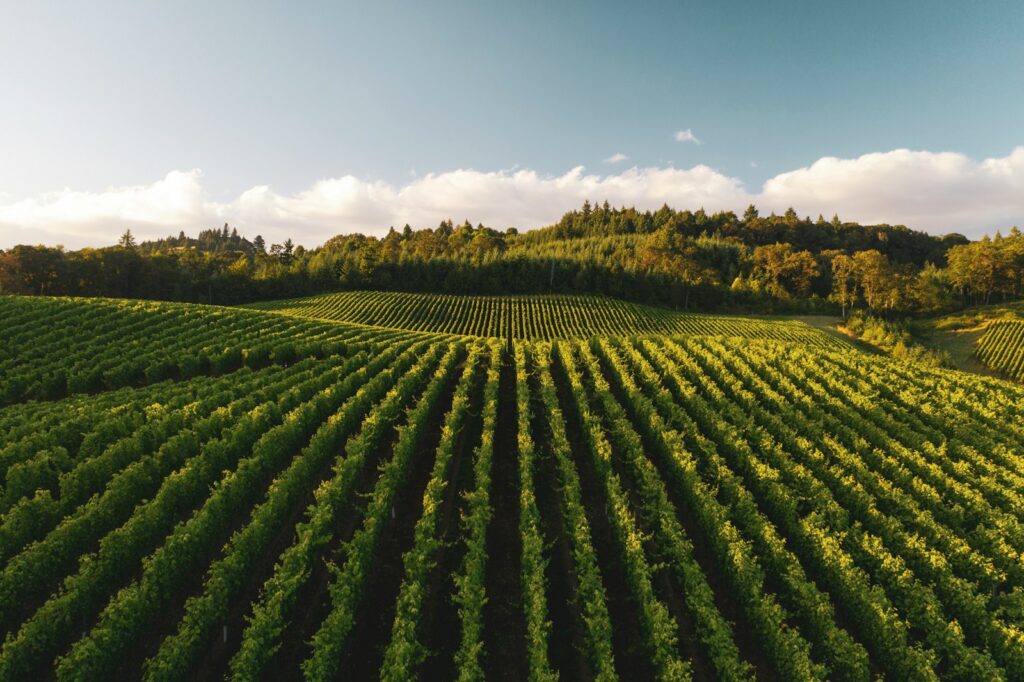
Implementing healthier diets worldwide could lead to a decrease in the amount of land needed for agriculture.
By 2050, global farmland use could drop by 6% compared to current trends, freeing up land for other uses and reducing the pressure on natural ecosystems.
8. Decline in Livestock Production
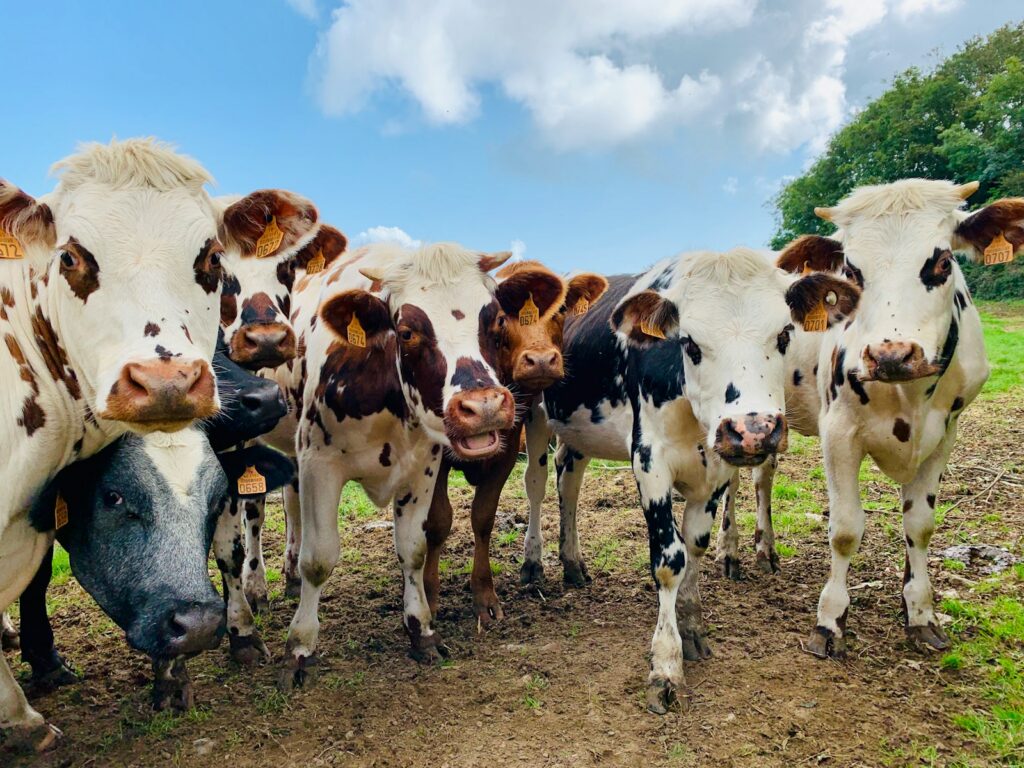
The production of ruminant animals like cattle, sheep, and goats is expected to see a significant decline.
By 2050, the global value of this sector could fall by 70%, resulting in 400 million fewer animals, which would substantially reduce methane emissions.
7. Rise in Plant-Based Food Production
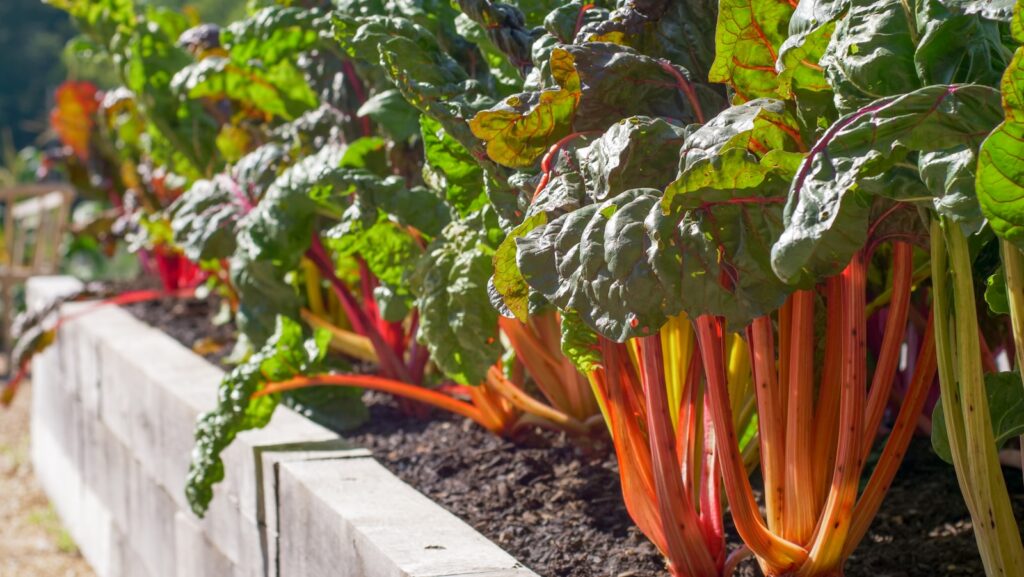
As the demand for plant-based foods increases, so will their production.
The value of vegetables, fruits, nuts, and legumes could rise by 57%, promoting a more sustainable and efficient use of resources.
6. Reduction in Net-CO2 Emissions
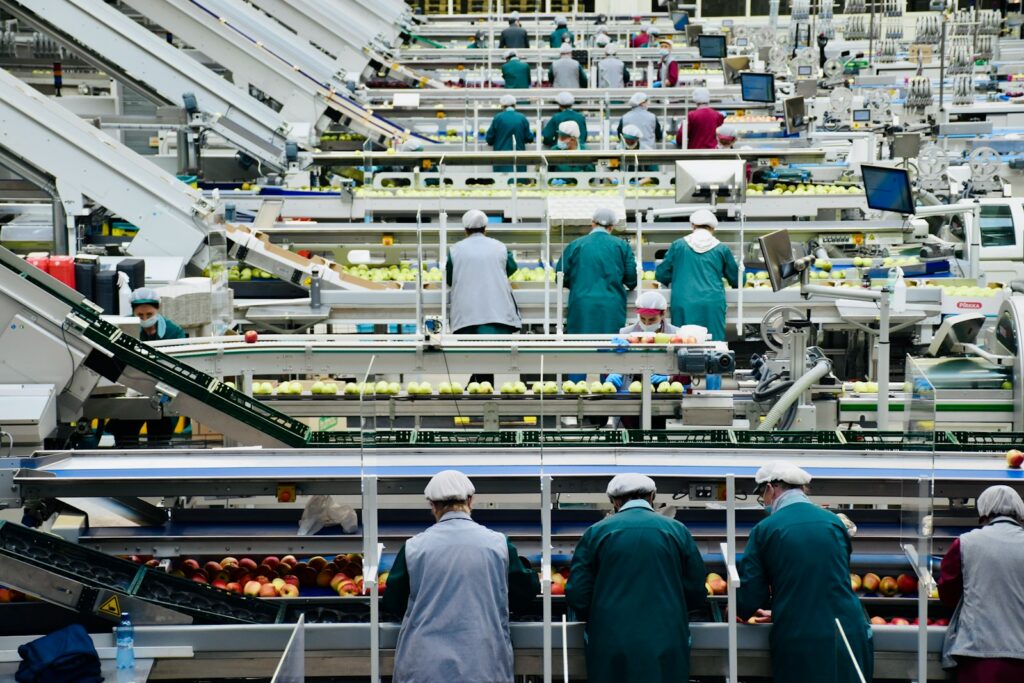
Transforming food systems could drastically cut agriculture-related CO2 emissions.
By 2050, these emissions could be reduced by 85%, as less land is cleared and more carbon is absorbed by natural ecosystems.
5. Economic Shifts in Agriculture
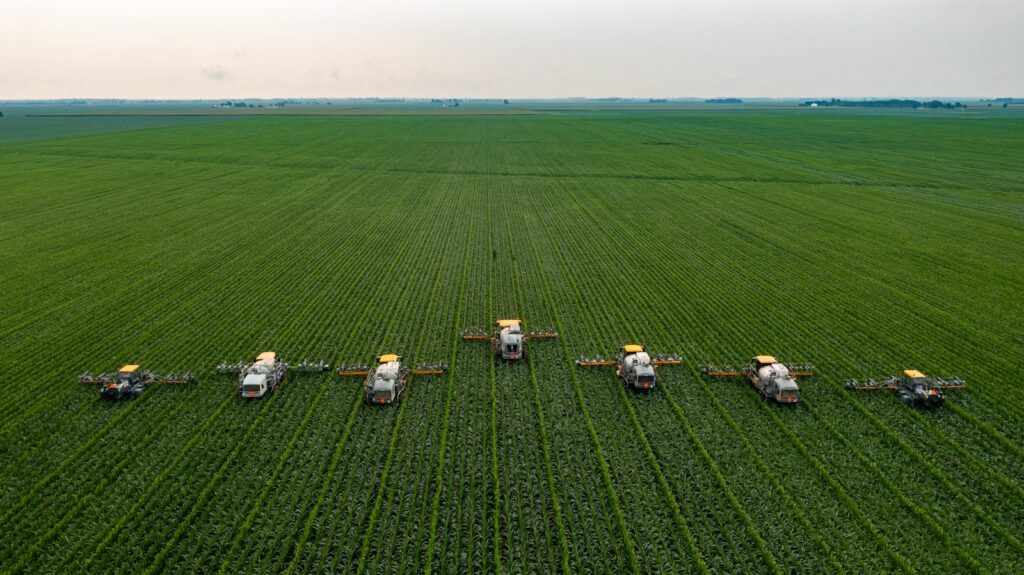
The transition to healthier diets would lead to significant economic changes in the agricultural sector.
While some industries shrink, others, particularly those focused on crop production, are poised to expand, reshaping the global agricultural economy.
4. Regional Impacts on Agriculture
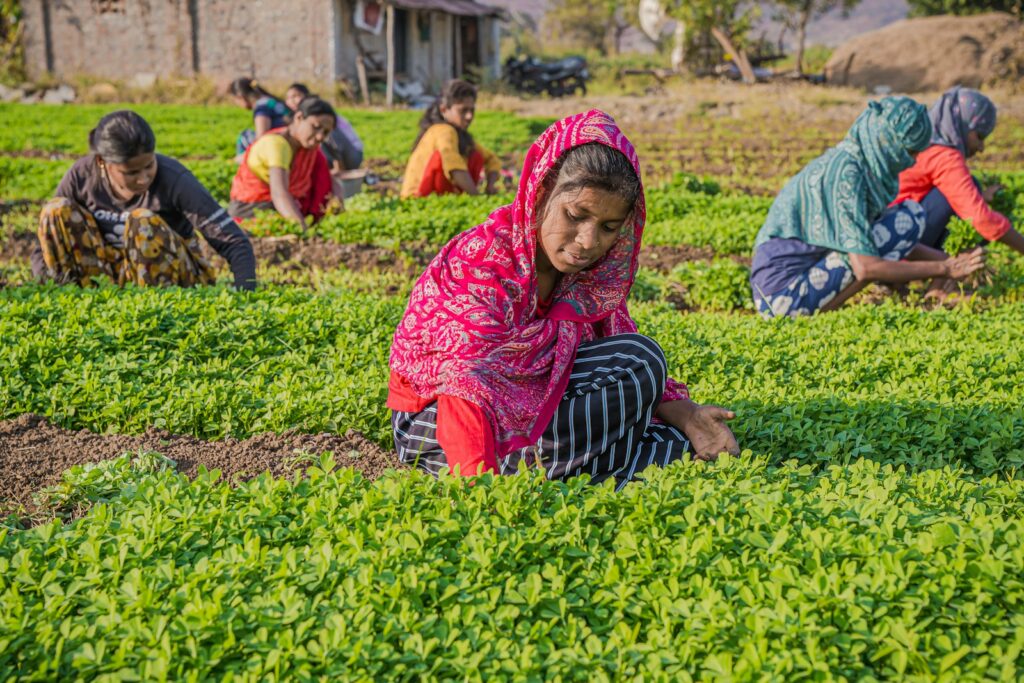
The effects of these changes will vary significantly across different regions.
Countries like India might see an increase in agricultural production value, whereas regions like Europe could experience a decline, reflecting diverse farming systems and dietary habits.
3. Health Benefits from Diet Changes
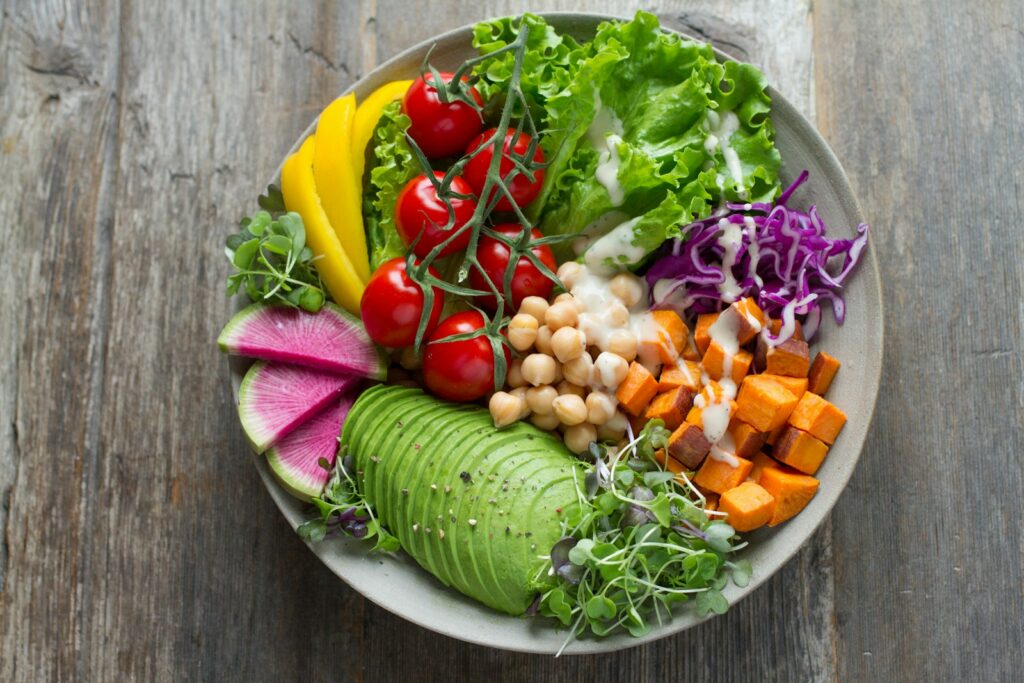
Adopting healthier diets globally could have profound health benefits.
Such a shift could prevent up to 15 million premature deaths annually, highlighting the critical link between diet and health.
2. Challenges in Changing Diets

Transitioning to healthier diets is not without its challenges.
Financial, cultural, and practical barriers could impede this shift, as healthy foods may not be equally accessible or affordable globally.
1. The Role of Policy and Innovation
Government policies and innovations will play a crucial role in facilitating these changes.
Addressing the vested interests and overcoming resistance from powerful groups will be essential to ensure a smooth transition to sustainable food systems.
Read More:
- 10 Tips to Start Growing Your Own Food
- 10 Hard Truths About Growing Your Own Food
- 12 Foods You Should Always Buy Organic (Based on the Dirty Dozen)