
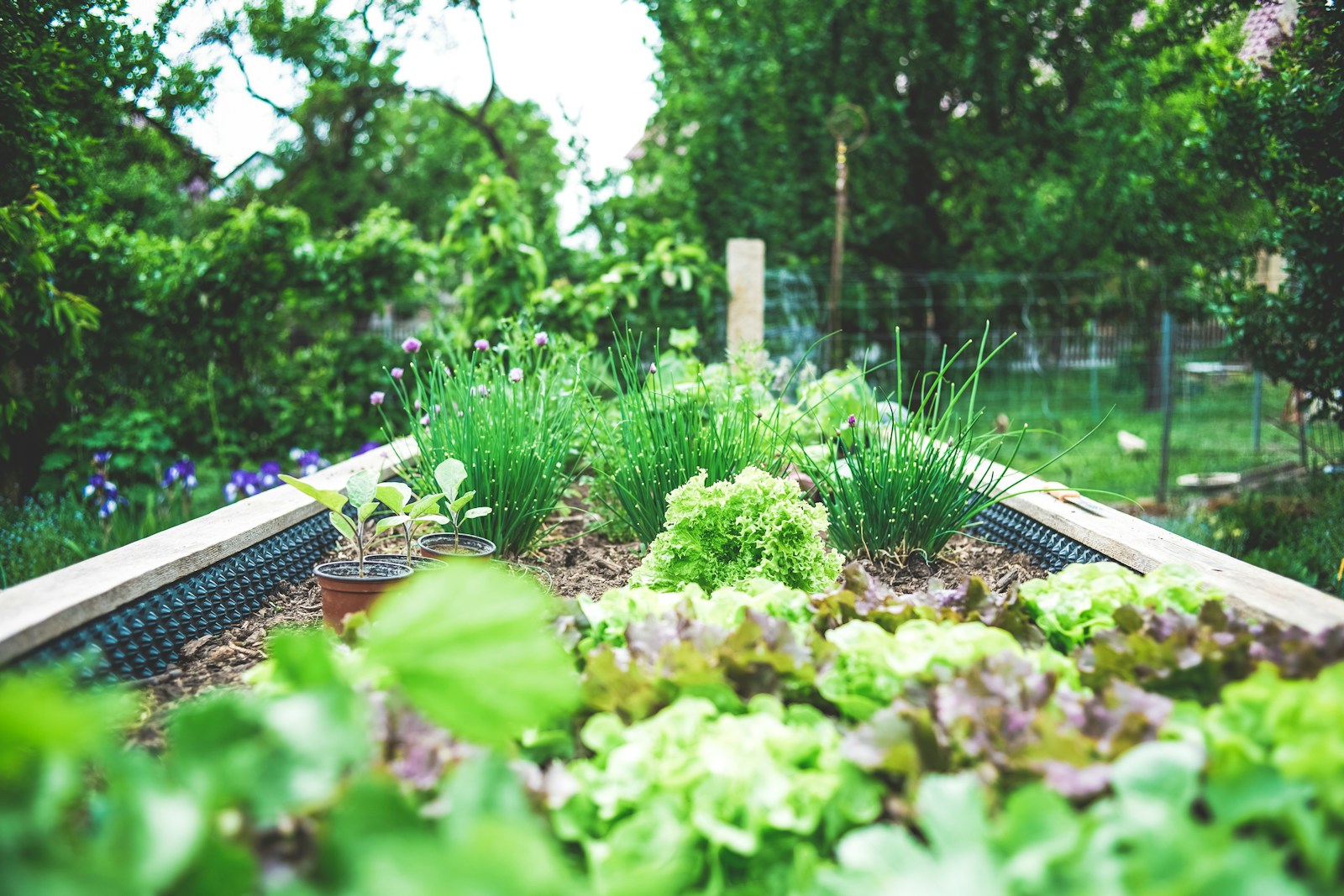
Growing your own food can be rewarding, delicious, and surprisingly practical. Whether you’re looking to save money, eat healthier, or simply enjoy a new hobby, starting a food garden is easier than many people think.
The key is to begin small, focus on the basics, and build your skills over time. Here are 10 tips to help you start growing your own food successfully.
10. Start Smaller Than You Think
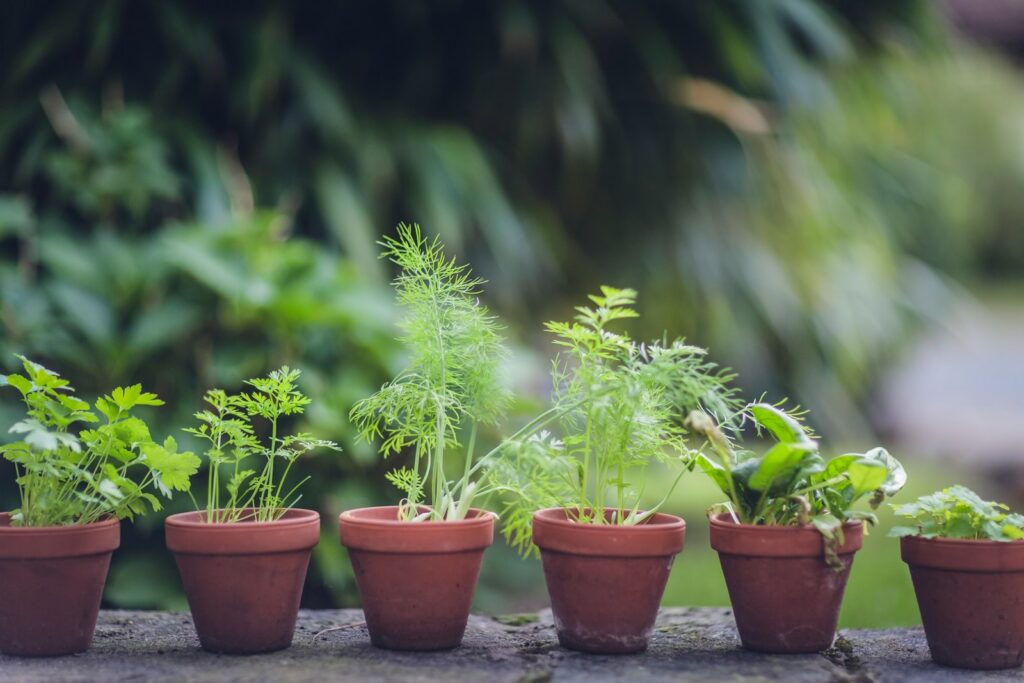
One of the biggest mistakes beginners make is planting too much.
A few containers, a small raised bed, or a modest garden plot is often more than enough for your first season. It’s easier to expand later than to rescue an overwhelming garden that got out of control.
9. Grow What You Actually Eat
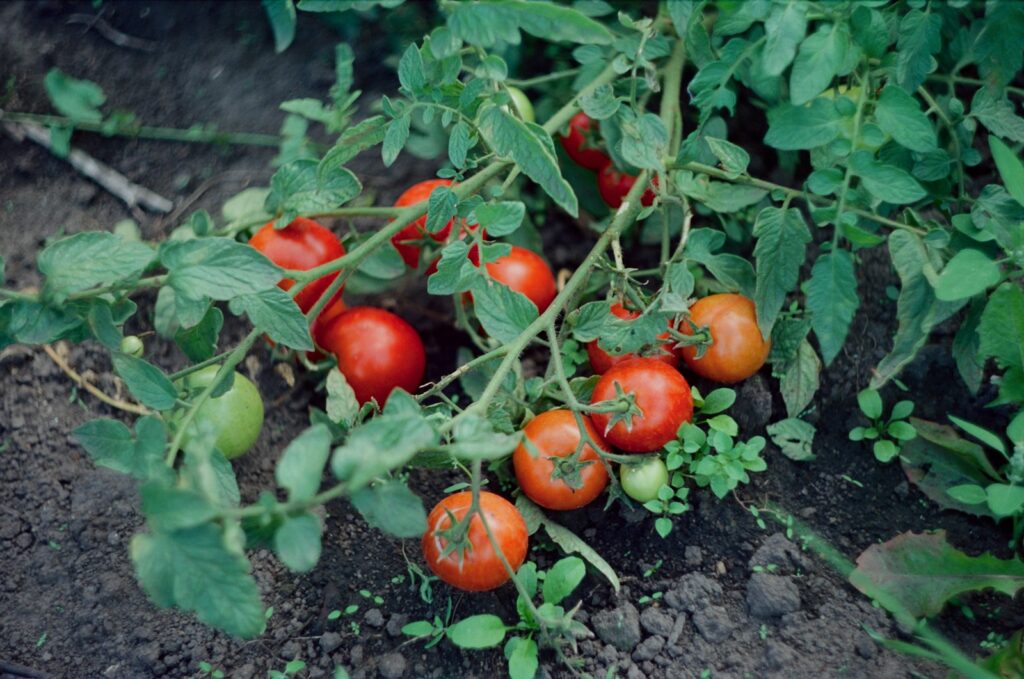
Don’t plant vegetables just because they’re popular.
If nobody in your household eats kale, don’t dedicate half your garden to it. Focus on foods you buy regularly and enjoy eating, such as tomatoes, lettuce, peppers, herbs, cucumbers, or green beans.
8. Learn Your Growing Zone
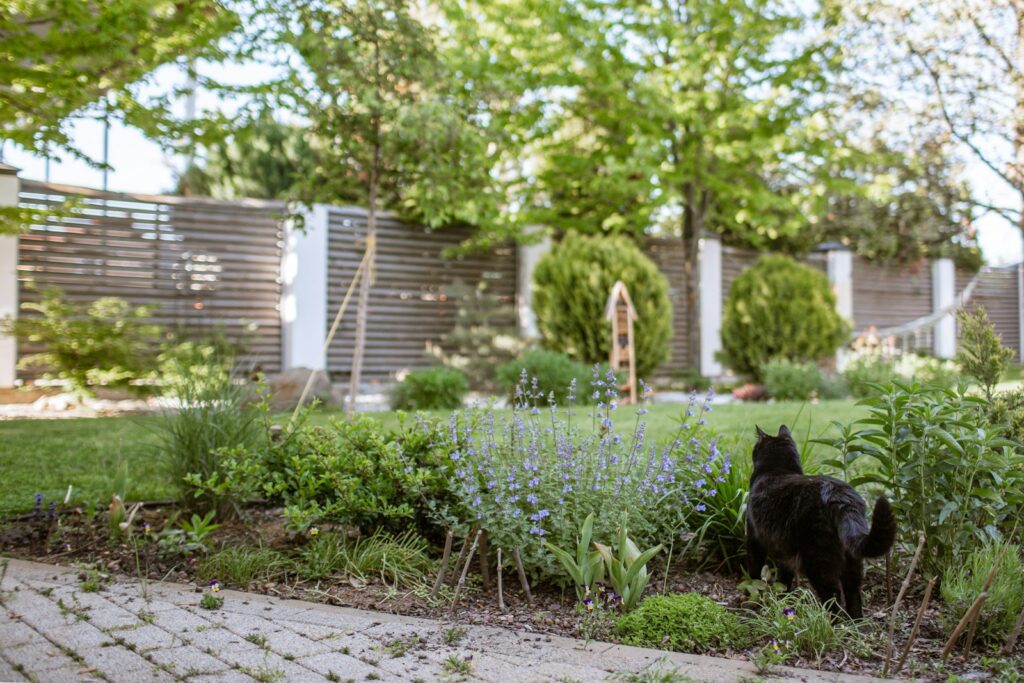
Different plants thrive in different climates.
Before buying seeds or seedlings, find your USDA Plant Hardiness Zone and research what grows well in your area. Planting at the right time dramatically increases your chances of success.
7. Pick a Sunny Location
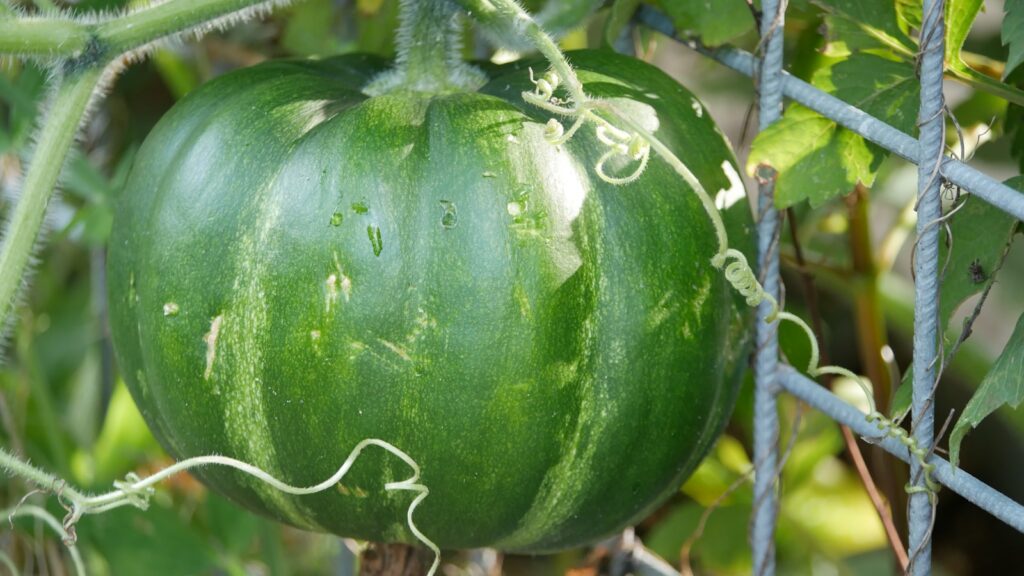
Most vegetables need plenty of sunlight.
Aim for a spot that receives at least six to eight hours of direct sun daily. Tomatoes, peppers, cucumbers, squash, and many other popular crops perform best in full sun.
6. Start With Easy Crops
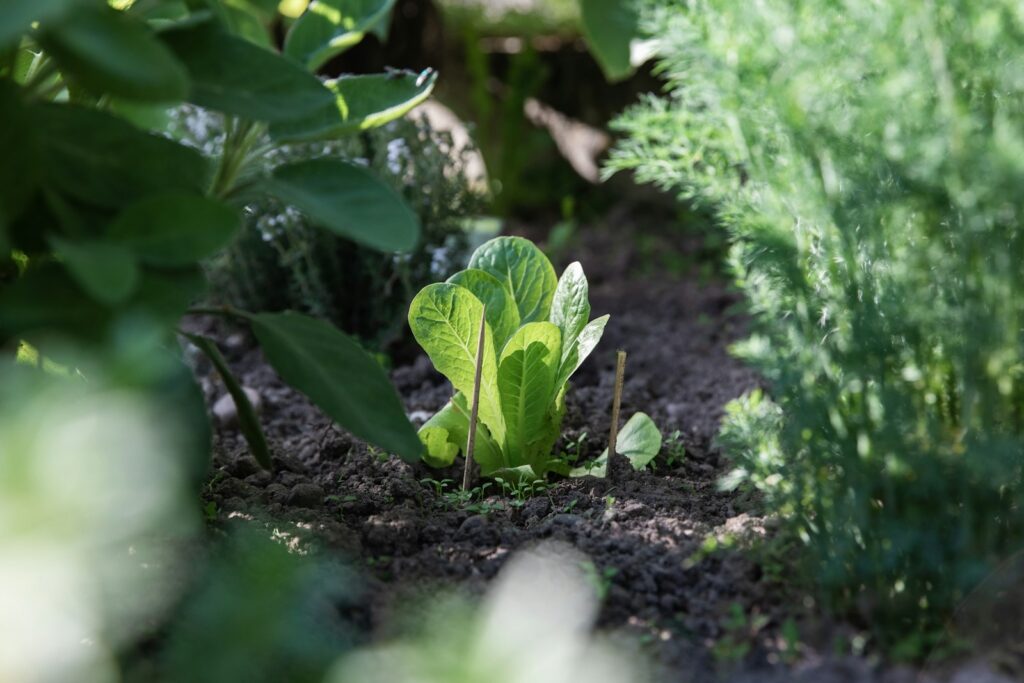
Some plants are much more forgiving than others.
For beginners, consider growing lettuce, radishes, bush beans, herbs, zucchini, cherry tomatoes, or peppers. These crops tend to produce reliable results and help build confidence.
5. Invest in Good Soil
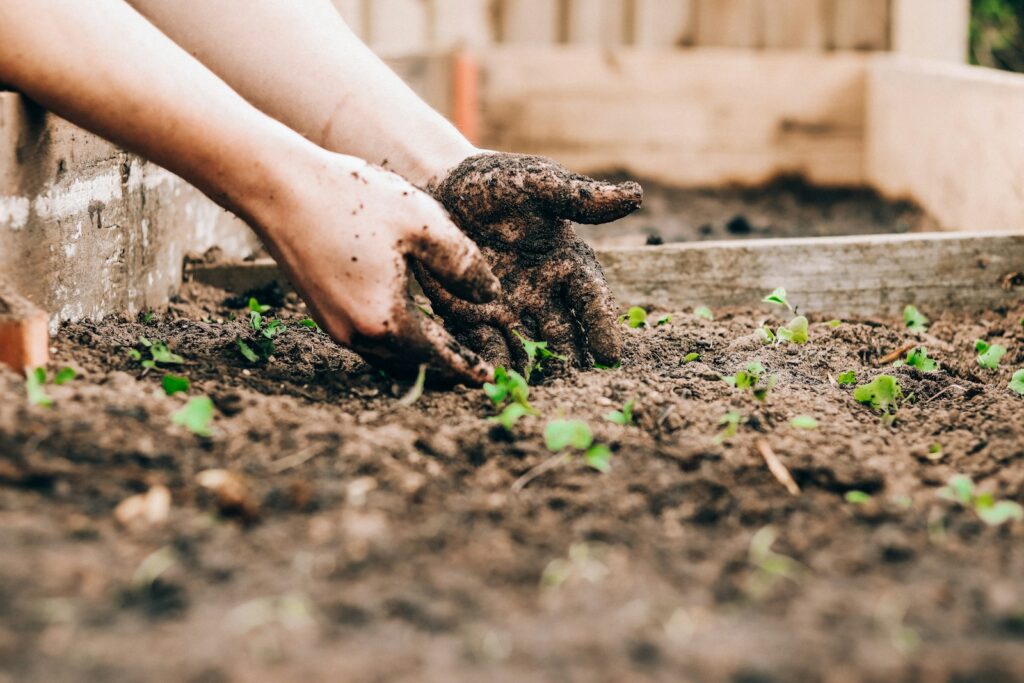
Healthy plants start with healthy soil.
Adding compost and organic matter can dramatically improve plant growth. Many gardening problems can be traced back to poor soil, so this is one area worth investing in from the beginning.
4. Water Consistently
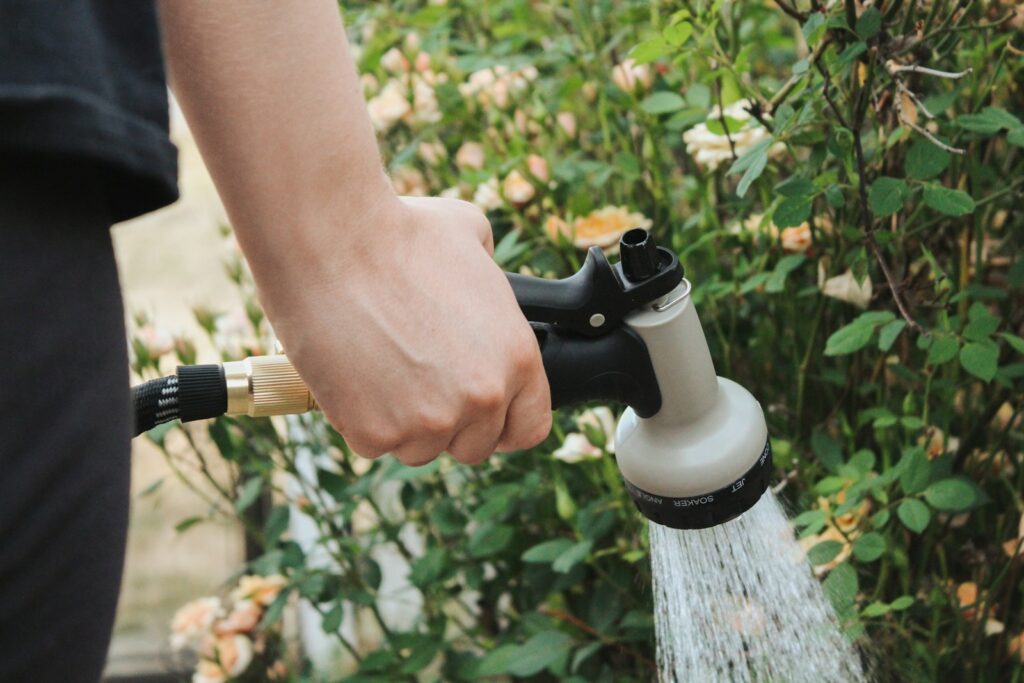
Most garden failures aren’t caused by too little water or too much water—they’re caused by inconsistency.
A regular watering schedule helps plants grow stronger and produce better harvests. Mulch can also help retain moisture and reduce watering needs.
3. Expect Some Failures
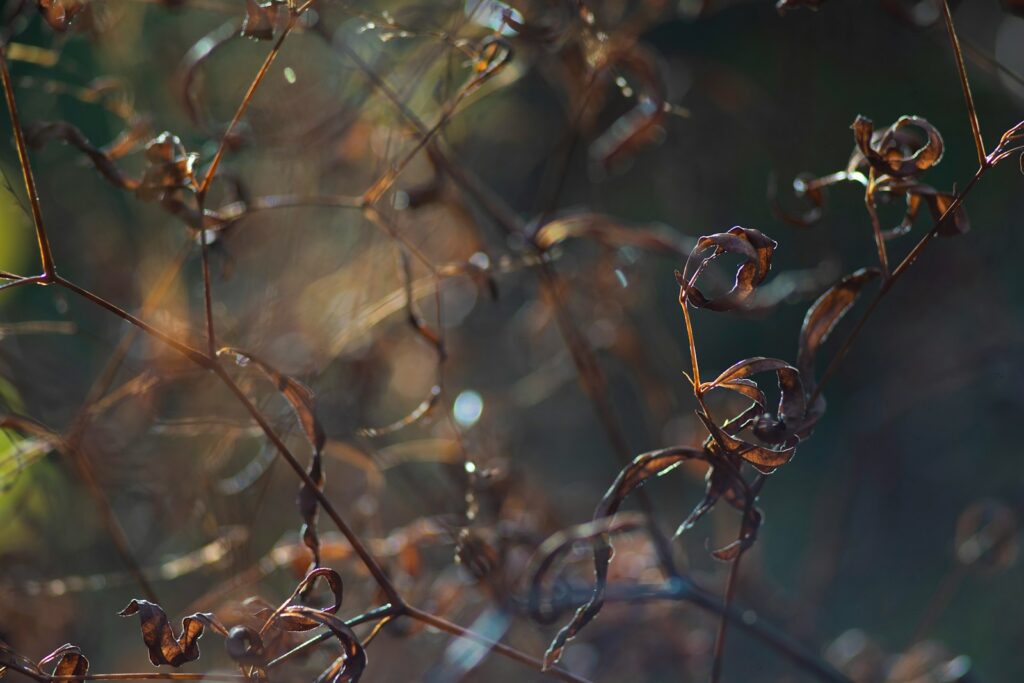
Every gardener loses plants.
Weather, pests, diseases, and simple mistakes are all part of the learning process. Don’t let a failed tomato plant or disappointing harvest convince you that gardening isn’t for you.
2. Keep Pests Under Control Early
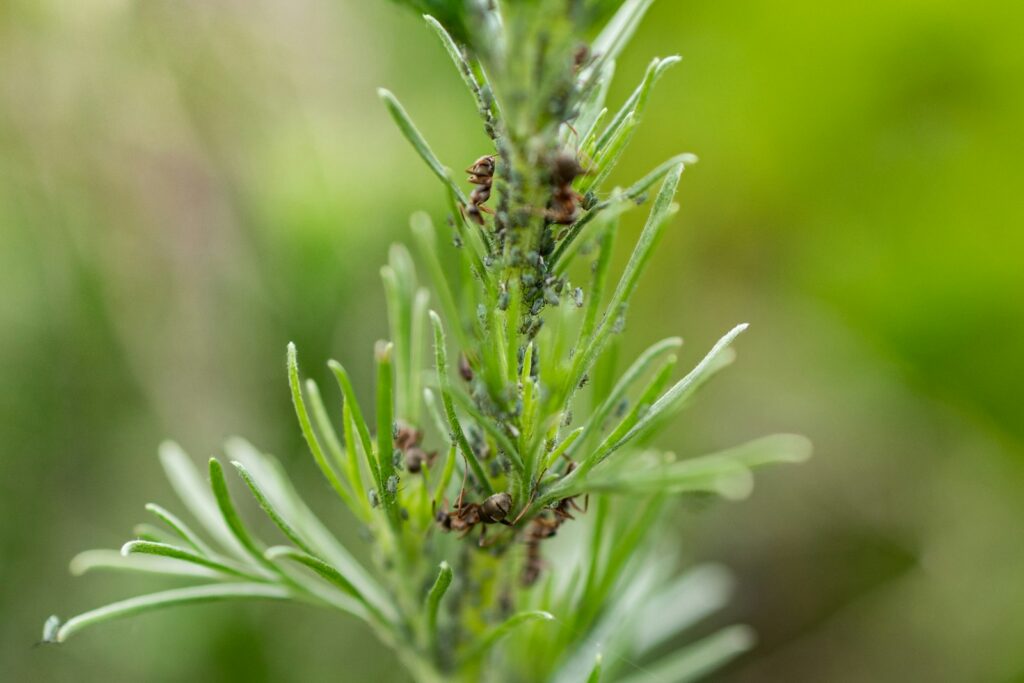
It’s easier to prevent problems than solve them.
Inspect plants regularly for signs of insects, disease, or animal damage. Catching issues early can save an entire crop and prevent frustration later in the season.
1. Focus on Progress, Not Perfection
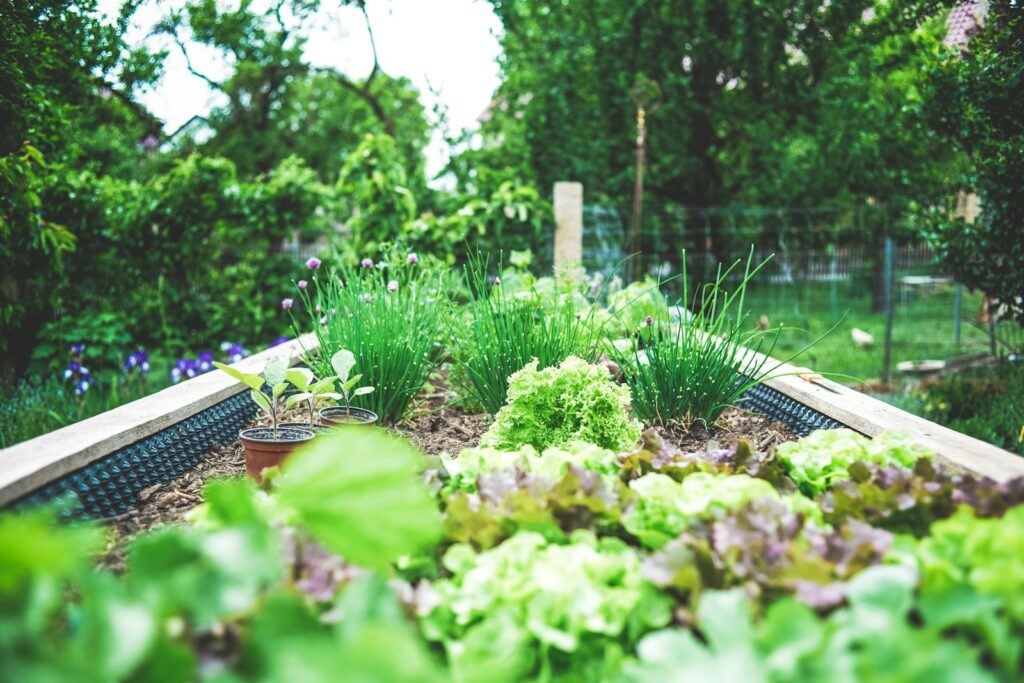
The goal isn’t to create a picture-perfect garden on your first attempt.
The goal is to learn, improve, and harvest something you grew yourself. Every season teaches new lessons, and even experienced gardeners continue learning year after year.
Growing your own food doesn’t require a huge backyard, expensive equipment, or expert-level knowledge. Start small, stay curious, and enjoy the process. Before long, you’ll discover there’s nothing quite like eating something you grew with your own hands.
Read More:
- How Inflation Is Quietly Changing Everyday Life
- 10 Grocery Shopping Tips to Offset Inflation
- The Most Affordable Grocery Chains in the US