
Grocery prices have climbed significantly over the past few years, leaving many shoppers wondering how a simple cart of essentials became so expensive. While you can’t control inflation, you can change how you shop to stretch your food budget further without sacrificing quality or nutrition.
Here are 10 smart grocery shopping strategies that can help offset rising food costs.
10. Shop With a List—and Stick to It

Impulse purchases are one of the fastest ways to blow a grocery budget.
Before heading to the store, plan your meals and create a detailed shopping list. Sticking to the list helps you avoid unnecessary purchases and keeps your spending focused on what you actually need.
9. Compare Unit Prices
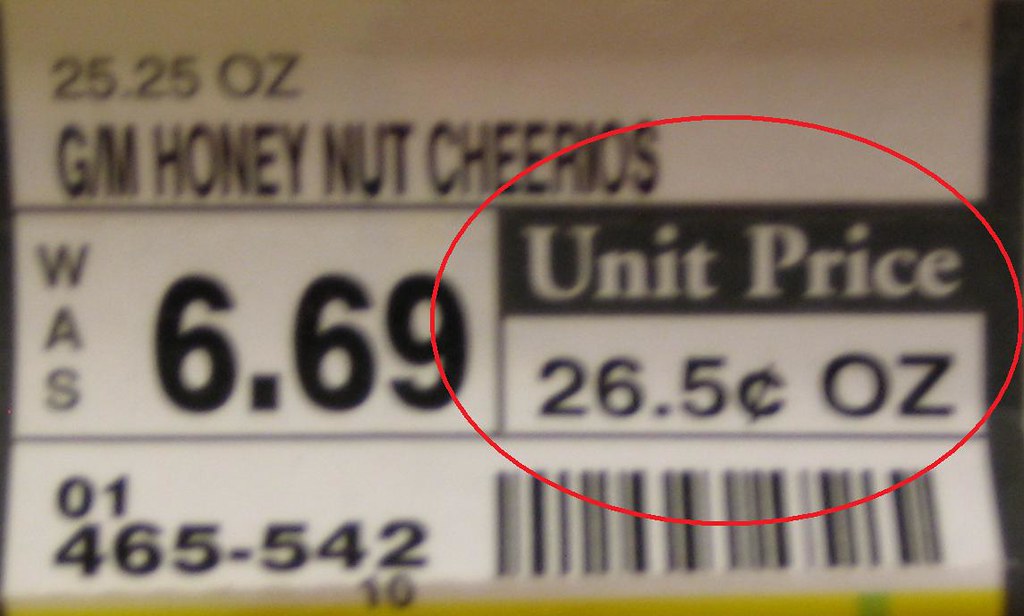
The cheapest-looking package isn’t always the best deal.
Most grocery stores display the unit price on shelf tags, showing the cost per ounce, pound, or item. Comparing unit prices can reveal surprising savings opportunities that aren’t obvious from the sticker price alone.
8. Buy Store Brands

Many store-brand products are made by the same manufacturers that produce national brands.
From canned goods to cereal, frozen vegetables, and pantry staples, store brands often deliver comparable quality at a significantly lower price.
7. Build Meals Around Weekly Sales

Instead of deciding what you want and then buying ingredients, reverse the process.
Review store flyers and digital coupons first, then plan meals around discounted proteins, produce, and pantry items. Let the sales determine the menu.
6. Don’t Shop Hungry

It sounds simple because it is.
Studies consistently show that hungry shoppers buy more food, make more impulse purchases, and spend more money overall. Eat a meal or snack before heading to the grocery store.
5. Use Loyalty Programs and Digital Coupons

Many grocery chains now offer app-based discounts and personalized deals.
A few minutes spent loading digital coupons can sometimes save $10, $20, or more on a single shopping trip. Those savings add up quickly over the course of a year.
4. Buy Seasonal Produce
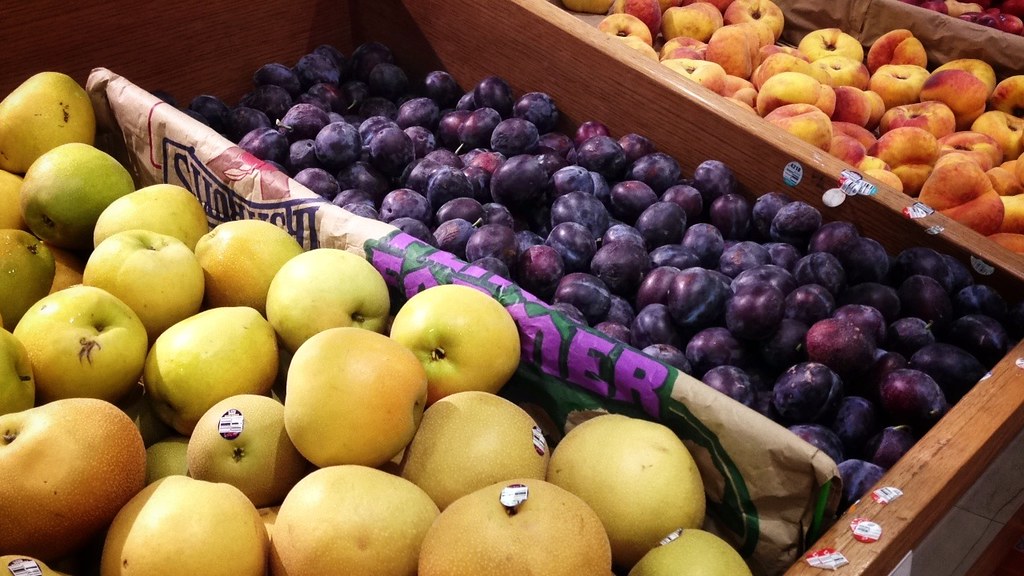
Fruits and vegetables are often cheapest when they’re in season.
Not only does seasonal produce typically cost less, but it often tastes better and is fresher because it hasn’t traveled as far to reach the store.
3. Reduce Food Waste
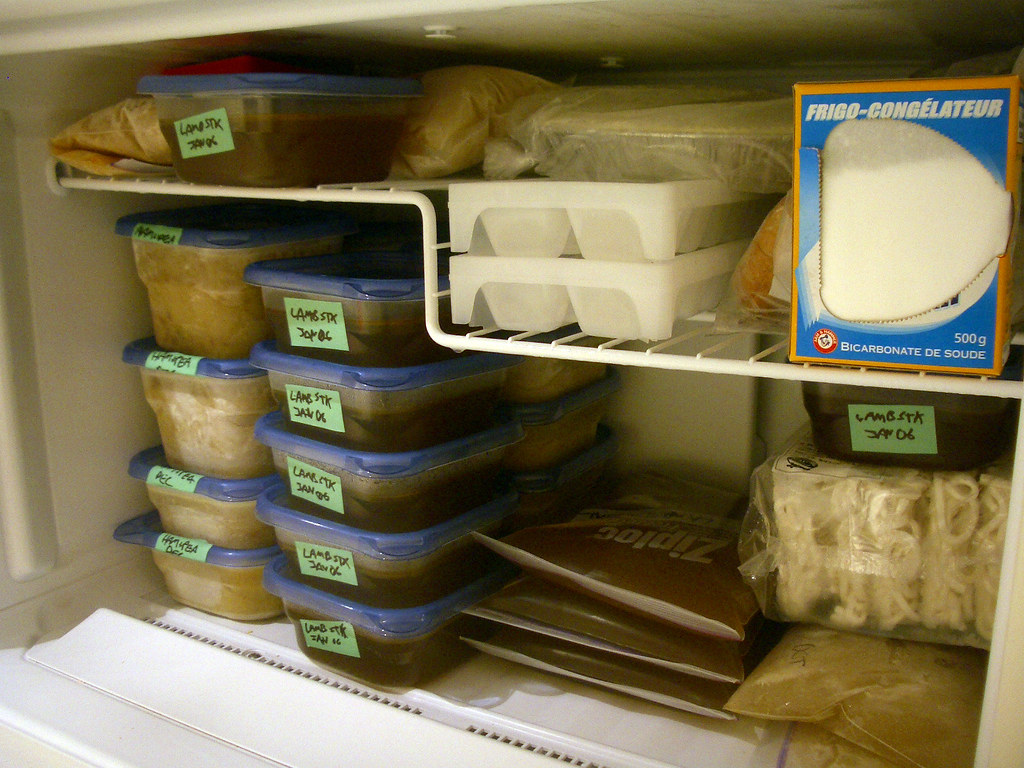
One of the easiest ways to save money is to stop throwing it away.
Plan meals around ingredients you already have, freeze leftovers, and use older produce before it spoils. The average household wastes hundreds of dollars in food each year.
2. Stock Up on Sale Items You Actually Use
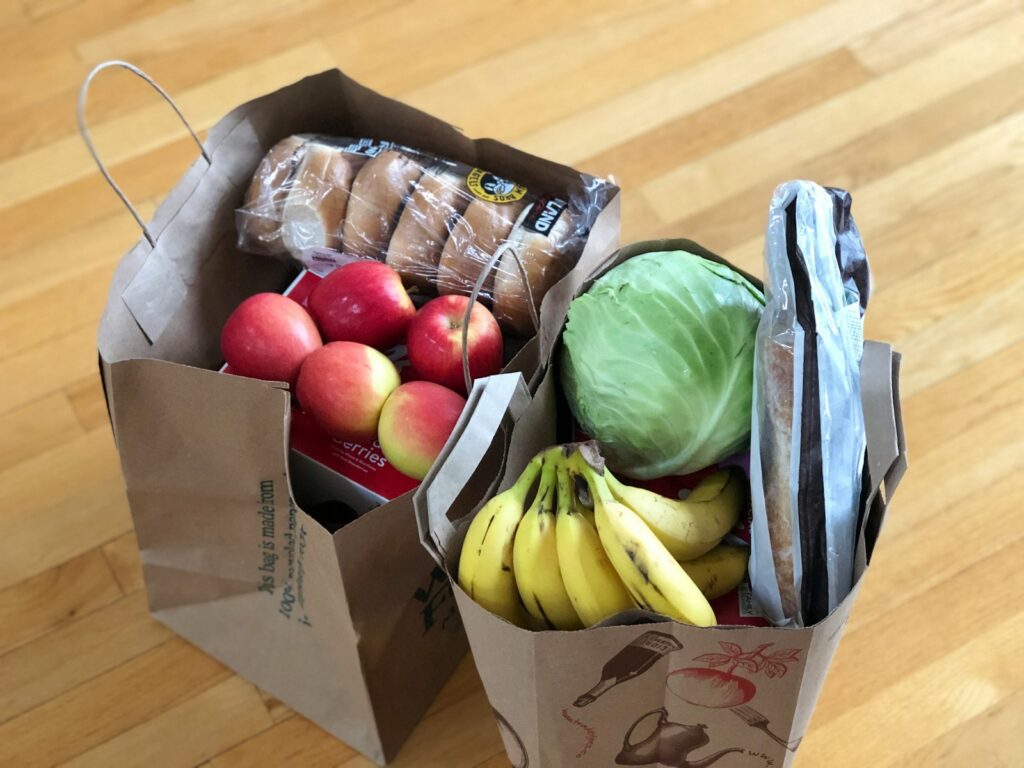
When frequently used items hit deep discounts, consider buying extra.
Nonperishable foods, household goods, and freezer-friendly items can help you avoid paying full price later. Just be careful not to stockpile products you’ll never use.
1. Consider a Mix of Grocery Stores

No single store is cheapest for everything.
Many savvy shoppers combine discount grocers, warehouse clubs, traditional supermarkets, and specialty stores to maximize savings. A little comparison shopping can lead to substantial savings over time.
Inflation may be making grocery shopping more challenging, but smart habits can help soften the blow. Small changes—like meal planning, reducing waste, and shopping strategically—can save hundreds or even thousands of dollars each year without drastically changing what ends up on your dinner table.
Read More:
- The Most Affordable Grocery Chains in the US
- Which Grocery Stores Have the Best Rewards Programs?
- These Are Some of the Most Expensive Grocery Stores in the U.S.