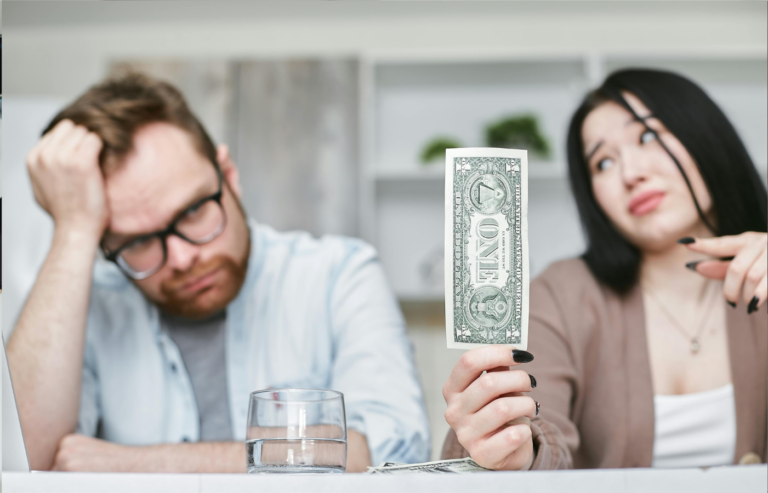
Inflation isn’t just something economists talk about on the news. It shows up in grocery aisles, restaurant menus, monthly bills, and even the products you use every day. While prices have cooled from their recent peaks, many Americans are still feeling the effects of years of higher costs.
Here are 10 ways inflation continues to impact daily life—and some of them are easier to miss than you might think.
10. Shrinkflation Is Everywhere
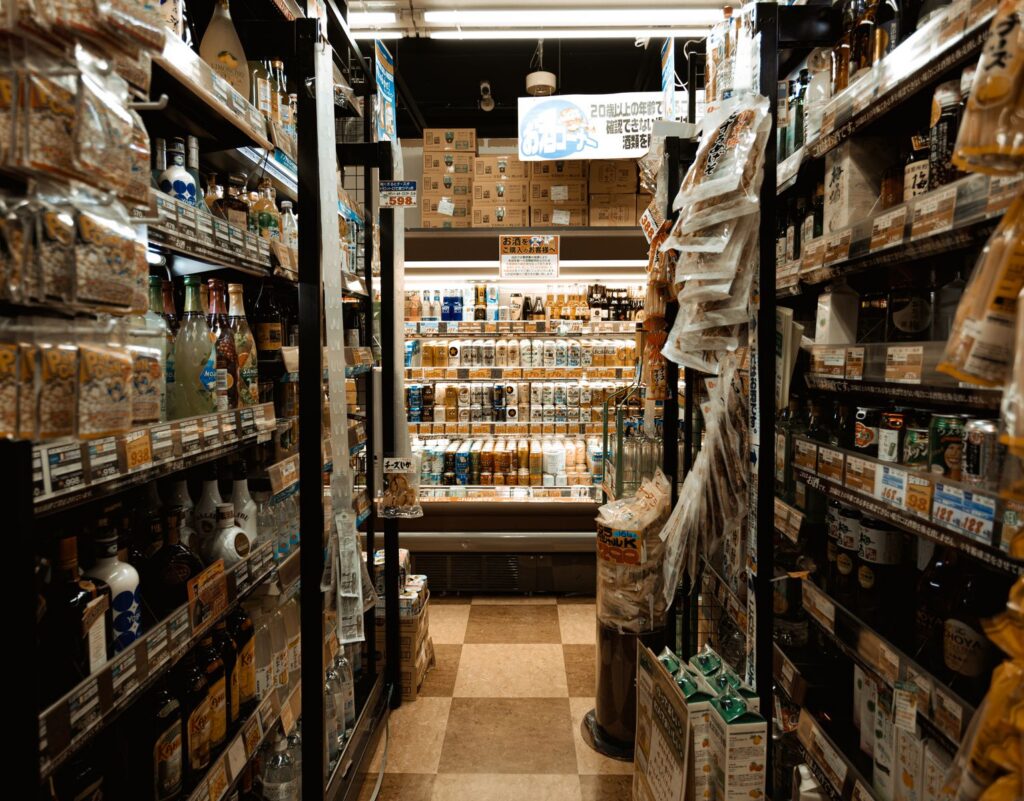
You may have noticed your favorite snacks seem to disappear faster than they used to.
That’s because many manufacturers have reduced package sizes while keeping prices the same. Chips, cereal, ice cream, paper towels, and countless other products have quietly gotten smaller, meaning consumers pay more per ounce without realizing it.
9. Product Quality Is Taking a Hit
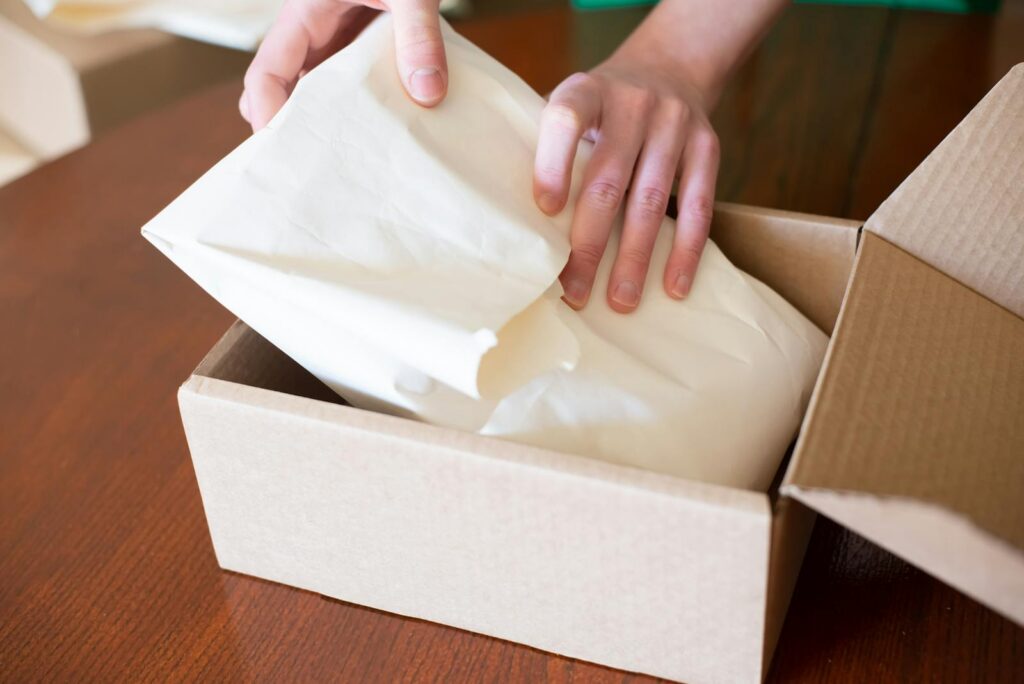
Companies don’t always raise prices directly.
Sometimes they switch to cheaper ingredients, thinner materials, lower-quality packaging, or simplified manufacturing processes to keep costs under control. The product looks similar on the shelf, but it may not perform quite as well as it once did.
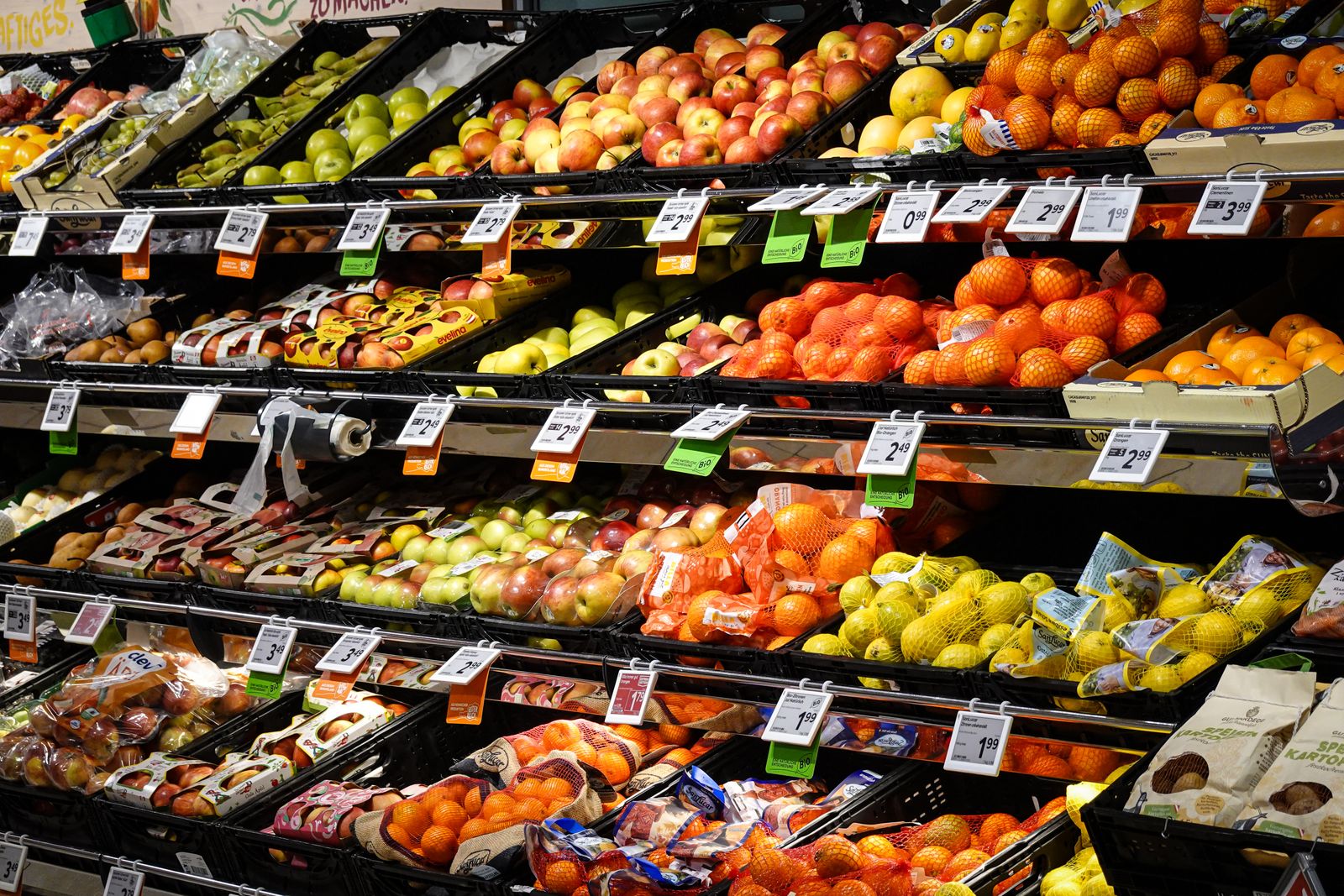
8. Grocery Store Trips Cost More
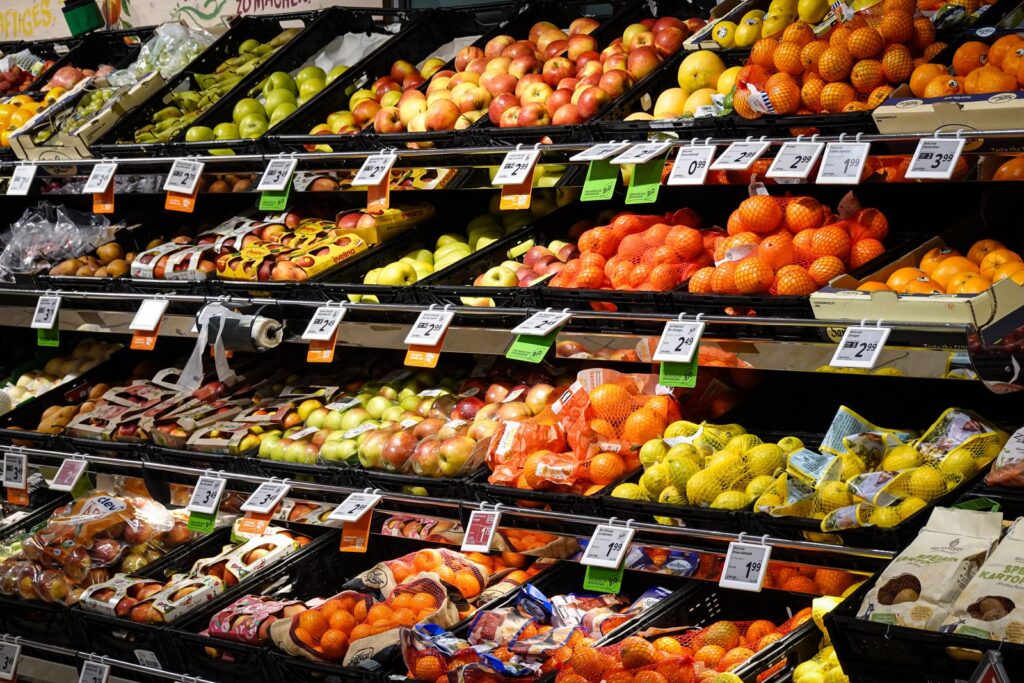
Even as inflation rates have slowed, grocery prices remain significantly higher than they were a few years ago.
Many households have adjusted by buying fewer brand-name products, shopping sales more aggressively, or switching to store brands to keep food budgets manageable.
7. Eating Out Has Become a Luxury
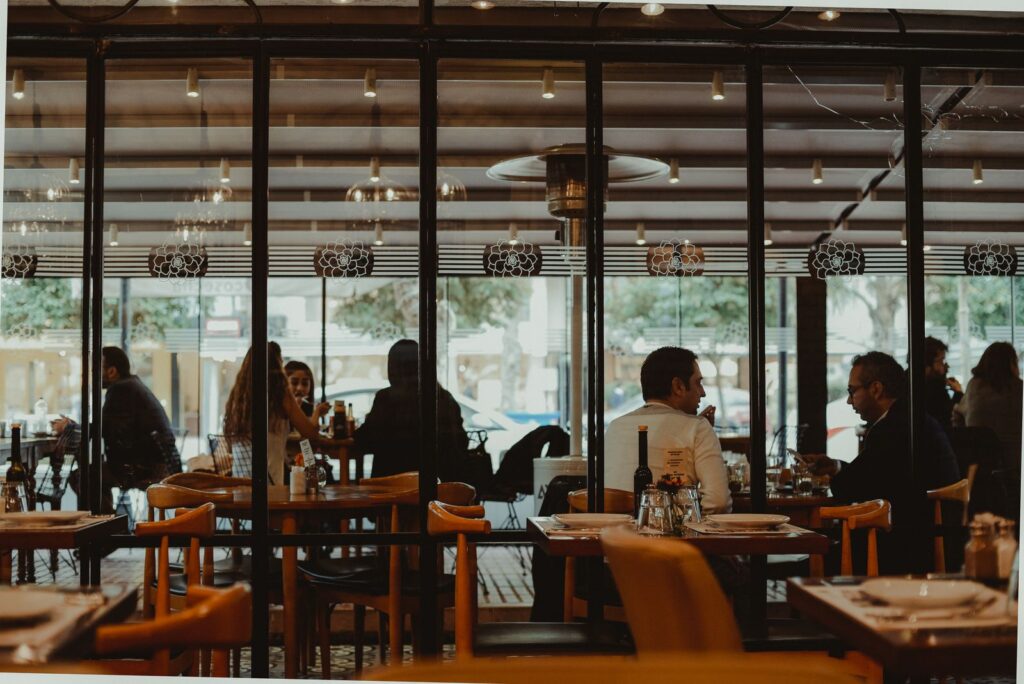
Restaurant prices have climbed due to higher food, labor, and operating costs.
Many Americans are eating out less frequently, ordering fewer extras, or choosing fast-casual options over sit-down restaurants in an effort to save money.
6. Subscription Fatigue Is Growing
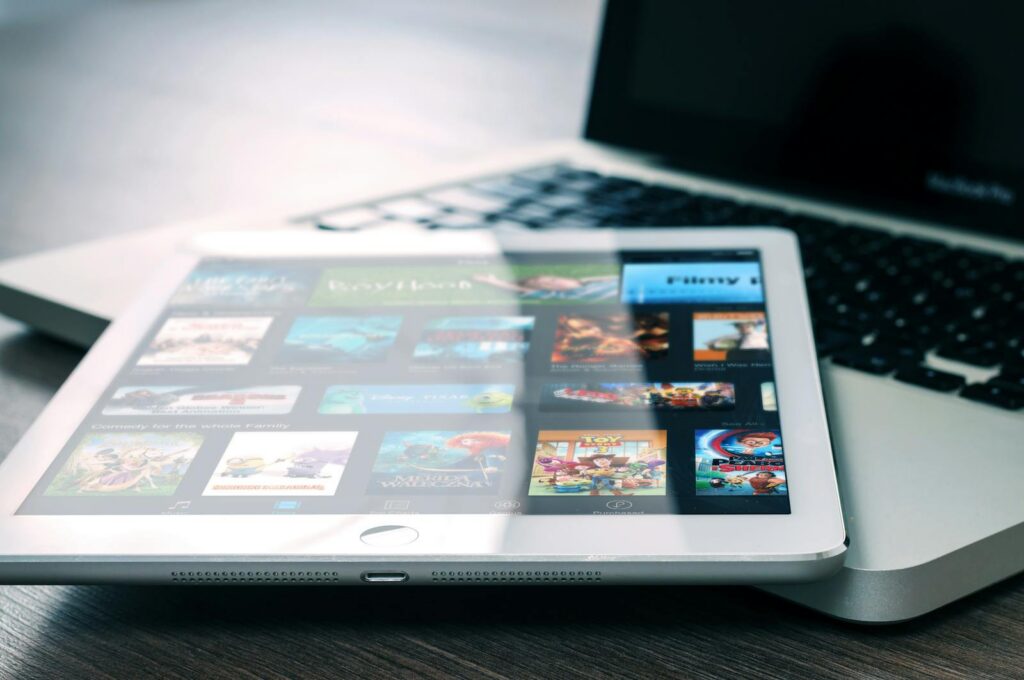
Streaming services, software subscriptions, delivery memberships, and other recurring expenses have steadily increased in price.
As costs rise, many consumers are reassessing which subscriptions they truly use and canceling the rest.
5. Consumers Are Delaying Major Purchases
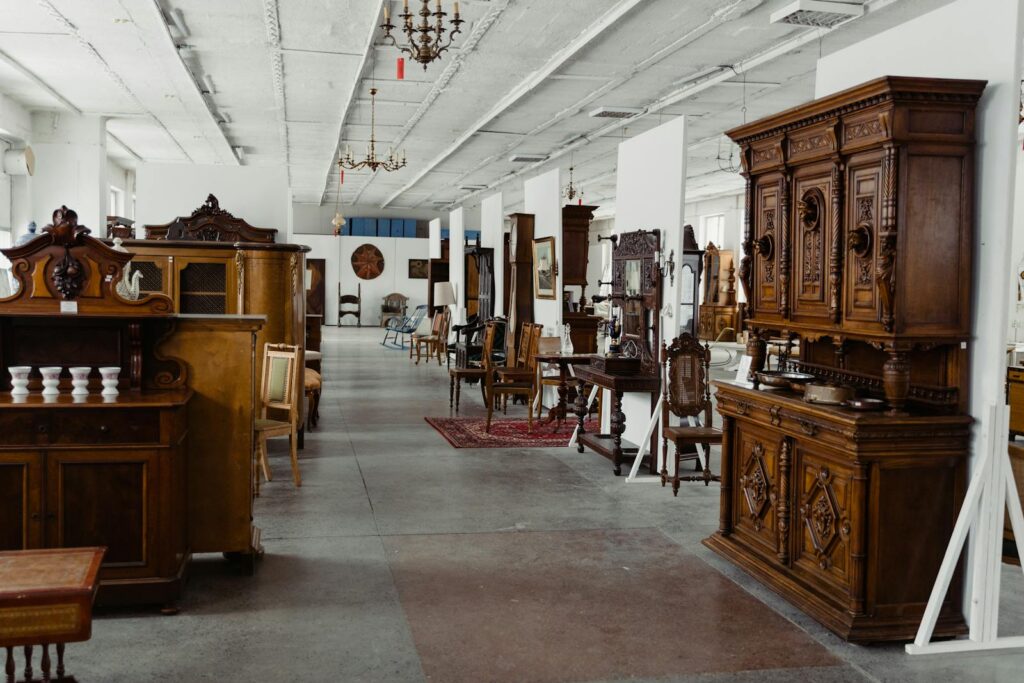
Higher prices and elevated interest rates have made large purchases more expensive.
Many households are putting off buying cars, appliances, furniture, or electronics while waiting for better deals or improved financial conditions.
4. Generic Brands Are Booming

Store brands used to be viewed as a budget alternative.
Today, they’re becoming the first choice for many shoppers looking to offset inflation. Retailers have expanded their private-label offerings as consumers increasingly prioritize value over brand loyalty.
3. Travel Costs More Than Expected
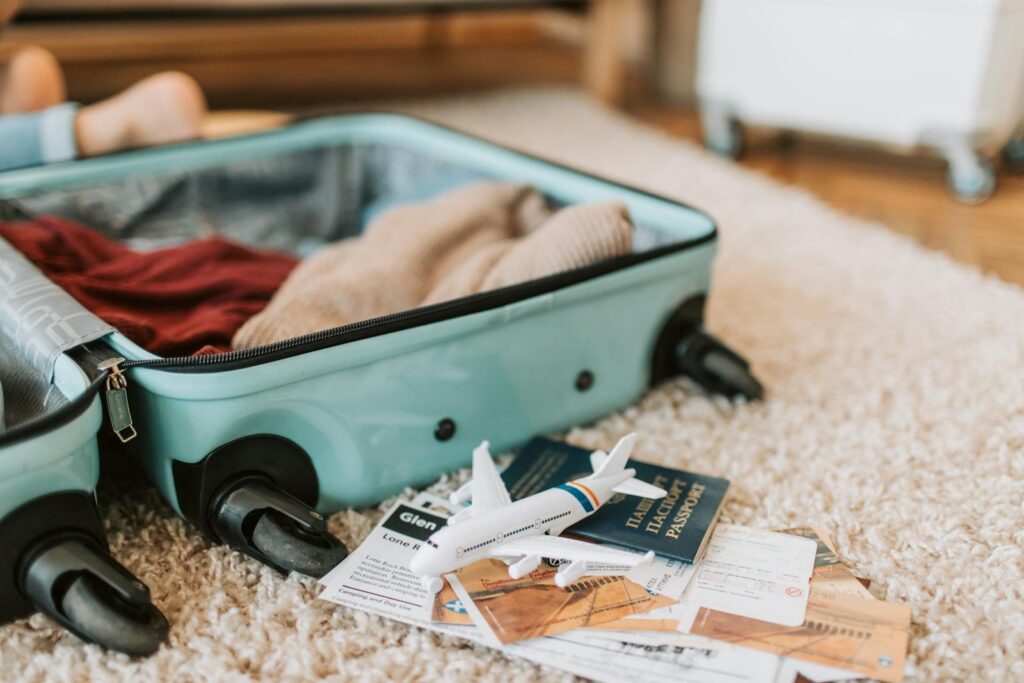
Airfare, hotel rates, rental cars, and vacation expenses have all become more expensive.
Many travelers are shortening trips, booking further in advance, or choosing destinations closer to home to keep travel affordable.
2. Hidden Fees Are Increasing
Businesses facing higher operating costs often look for ways to increase revenue without raising headline prices.
Service fees, processing fees, delivery charges, resort fees, and convenience fees have become increasingly common, making purchases more expensive than advertised.
1. Americans Are Becoming More Price-Conscious
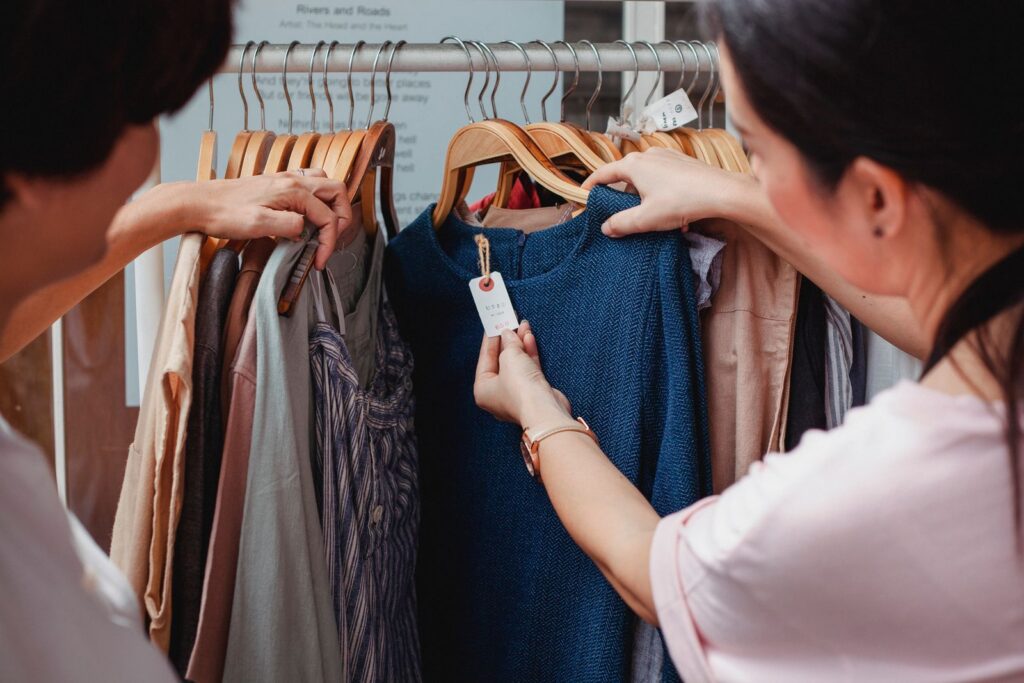
Perhaps the biggest change is behavioral.
More consumers are comparing prices, using coupons, shopping multiple stores, delaying purchases, and questioning whether products are truly worth the cost. Inflation has turned many casual shoppers into savvy bargain hunters.
Inflation affects far more than the number on a price tag. It influences how companies package products, how consumers spend money, and even how families plan their everyday lives. While prices may eventually stabilize, many of the shopping habits Americans have developed during this period are likely here to stay.
Read More:
- These Are Some of the Most Expensive Grocery Stores in the U.S.
- The Most Affordable Grocery Chains in the US
- Which Grocery Stores Have the Best Rewards Programs?