
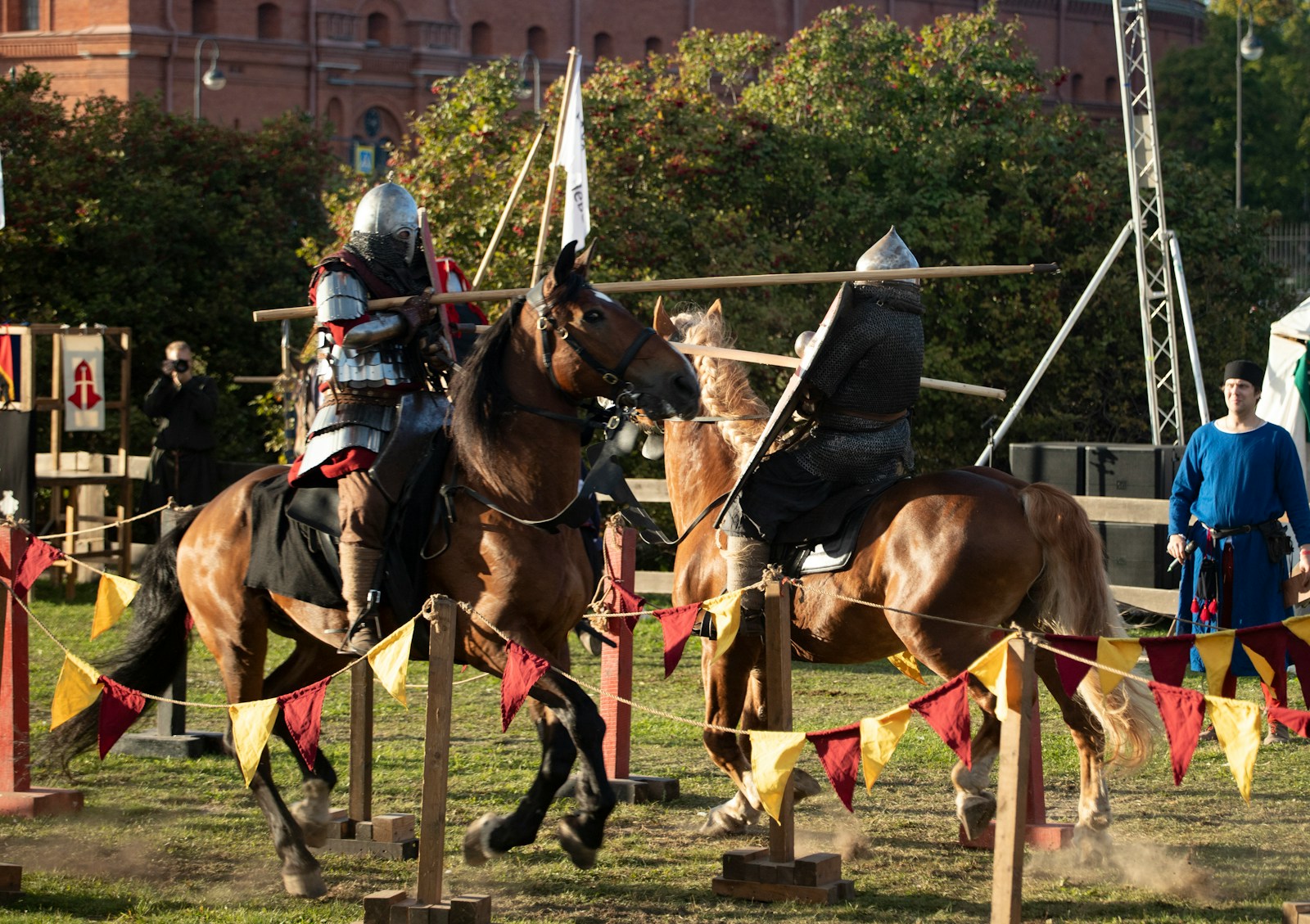
We’ve Been Getting it All Wrong
Medieval Europe (roughly 500–1500 CE) is often misunderstood—thanks in part to movies, myths, and oversimplified history lessons.
Life wasn’t constant chaos, and warfare wasn’t always cinematic. But it was very different from today. Here are some strange, but true facts about everyday life and battle in the Middle Ages.
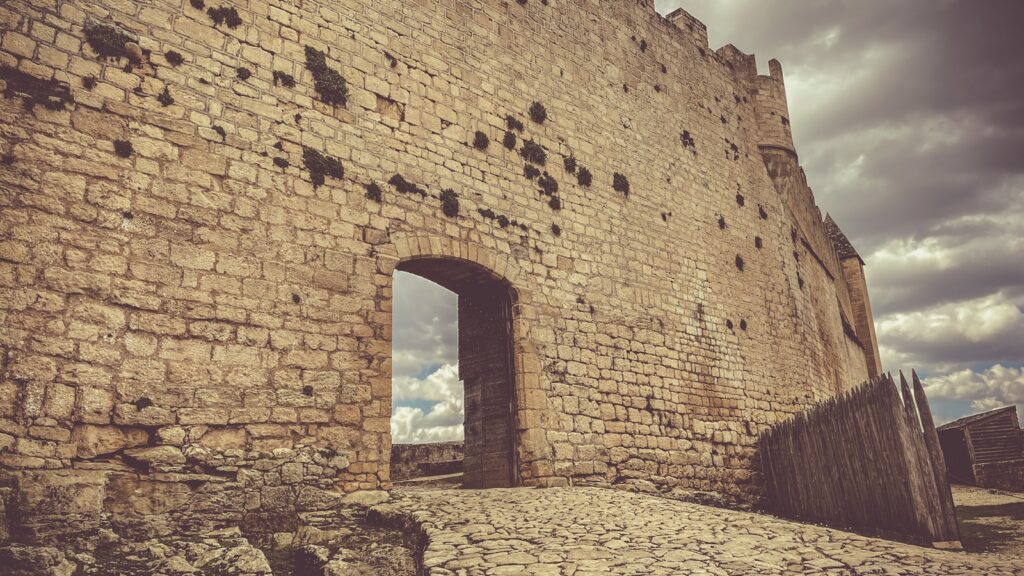
1. “The Dark Ages” Isn’t Quite Accurate
The term “Dark Ages” is outdated and misleading.
It traditionally referred to the early medieval period after the fall of the Western Roman Empire—not the entire Middle Ages—and didn’t mean people were ignorant. In fact, knowledge was preserved and advanced in monasteries, the Islamic world, and parts of Europe.
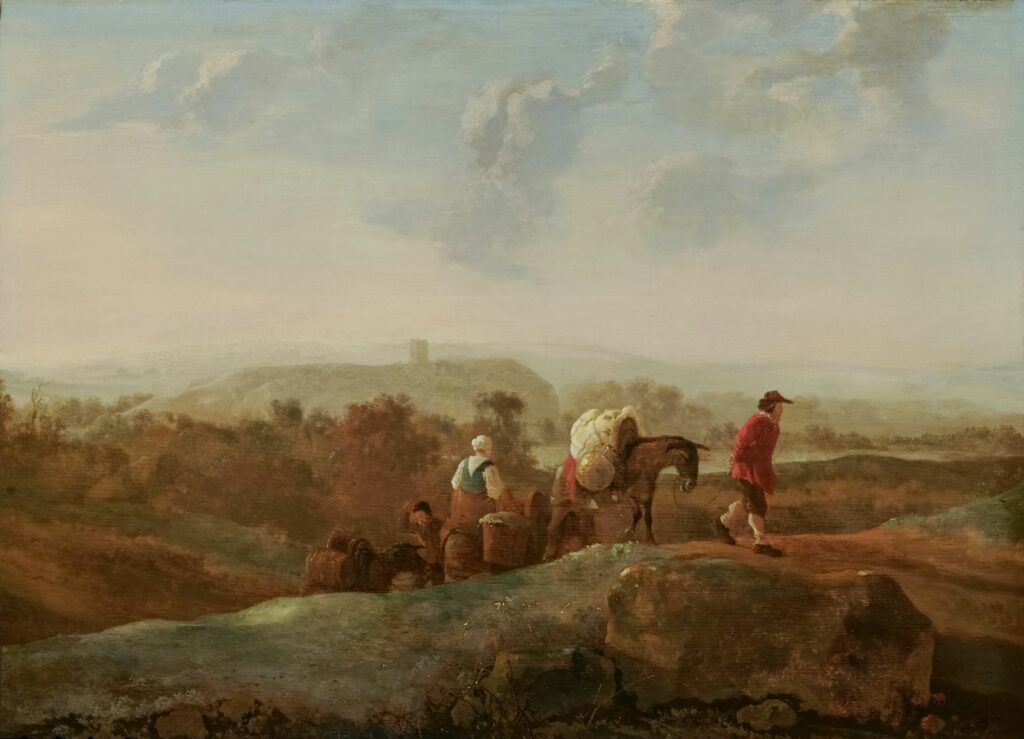
2. Feudalism Wasn’t as Simple as You Think
“Feudalism” wasn’t a single, universal system.
While many peasants (serfs) worked land owned by nobles, the structure varied widely across regions. It was more a network of obligations and land agreements than a rigid hierarchy.
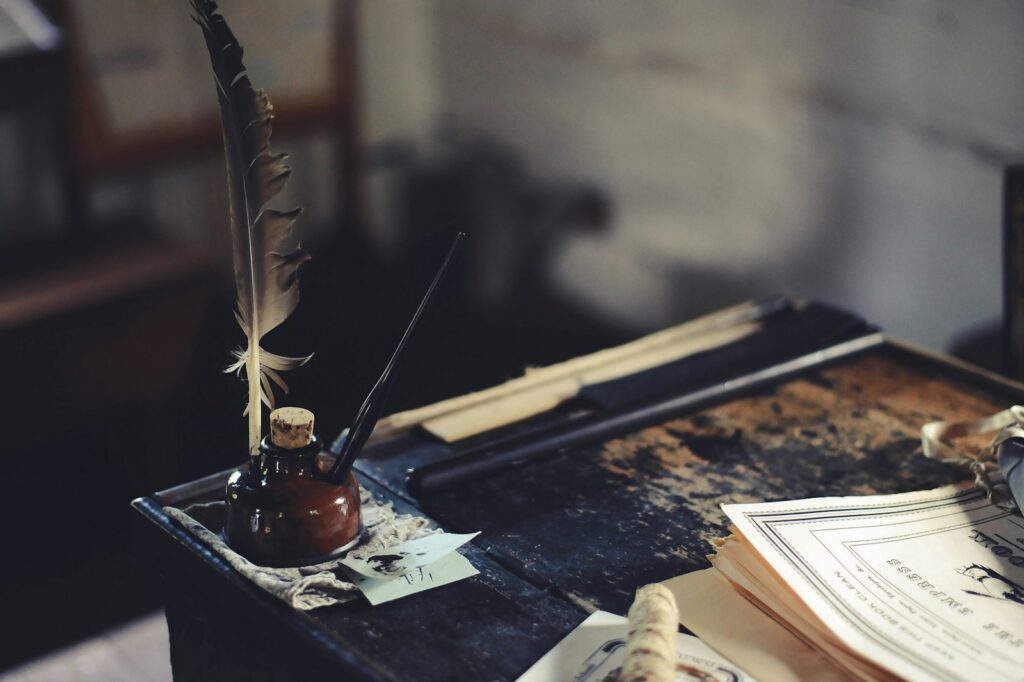
3. Most People Couldn’t Read—But That Was Normal
Literacy rates were low, especially among peasants.
However, this wasn’t unique to the Middle Ages. Most people throughout history couldn’t read. Literacy was concentrated among the clergy, nobles, and certain urban populations.
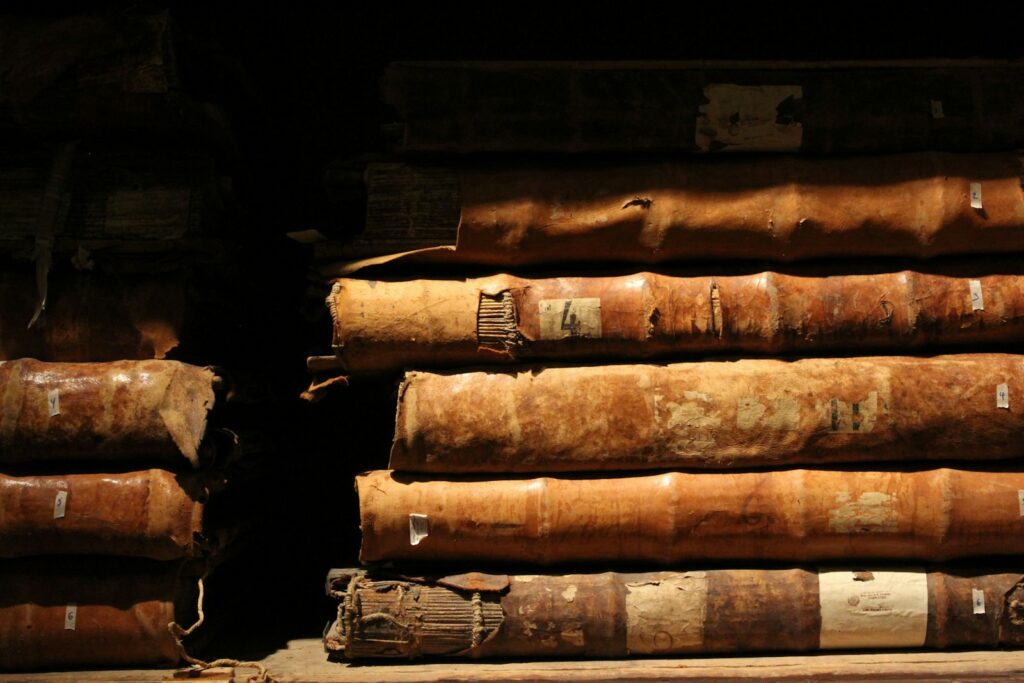
4. Books Were Extremely Valuable
Before the printing press invention, books were copied by hand.
They could take months (or years) to produce, making them rare, expensive, and often beautifully illustrated.

5. People Knew the Earth Was Round
Educated Europeans knew the Earth was spherical, and this knowledge dates back to ancient Greece.
The idea that medieval people believed in a flat Earth is a modern myth.
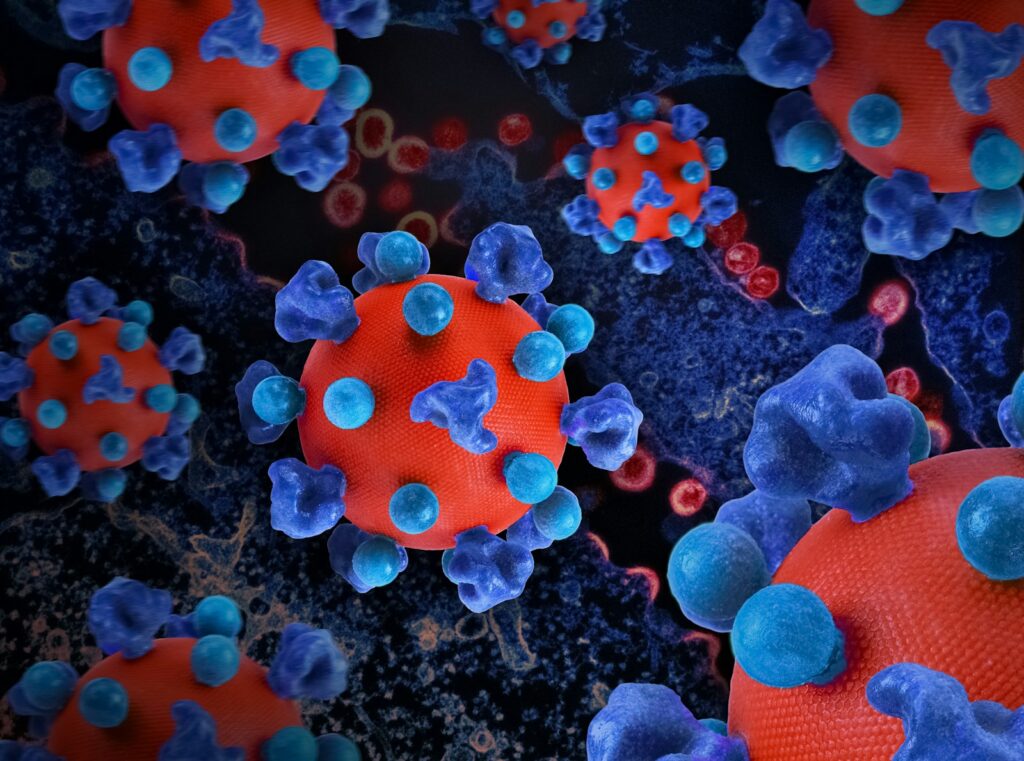
6. Germ Theory Didn’t Exist—But People Noticed Patterns
Medieval people didn’t understand bacteria, but they did associate disease with bad smells, decay, and poor sanitation.
Their explanations (like “miasma” or bad air) were incorrect, but not entirely irrational.
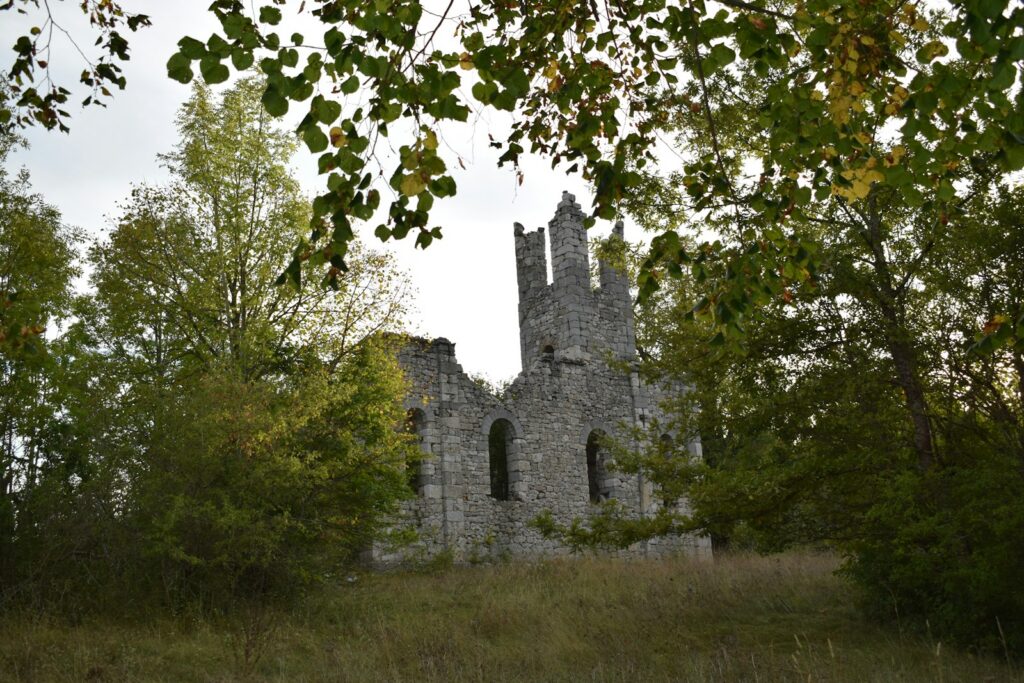
7. The Church Played a Huge Role in Daily Life
Religion shaped nearly every aspect of life—education, law, morality, and even calendars.
Clergy were also among the most educated members of society, acting as key transmitters of knowledge.
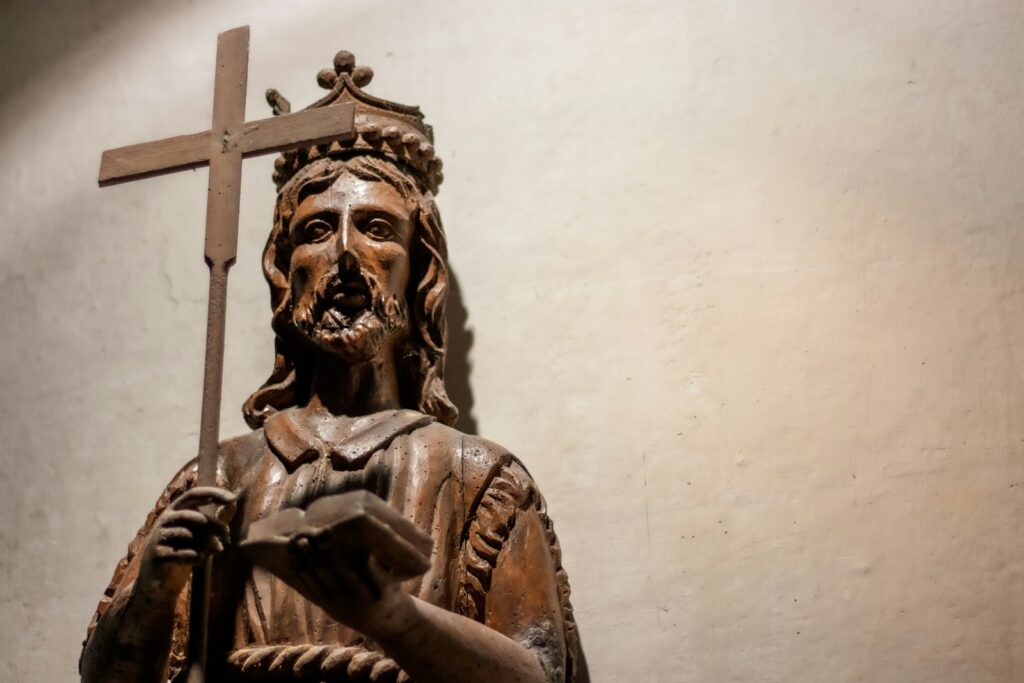
8. Divine Right Helped Justify Power
Many rulers claimed authority from God to legitimize their rule.
While military strength mattered, religious legitimacy helped maintain control over populations.

9. Peasants Worked Hard—but Not Constantly
Contrary to popular belief, peasants didn’t work nonstop year-round.
Agriculture was seasonal, and there were frequent religious holidays and festivals that offered breaks from labor.
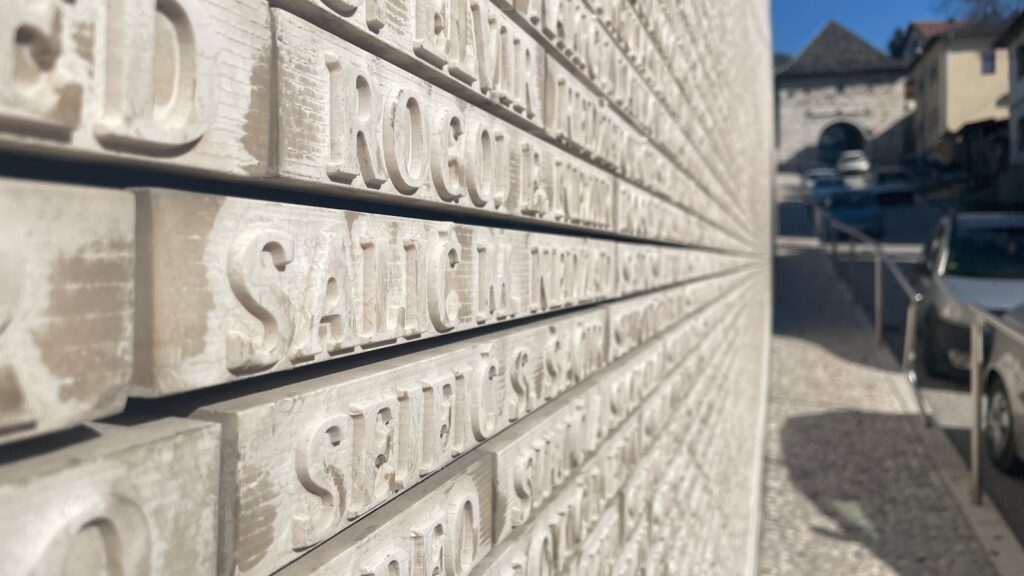
10. Many People Didn’t Have Last Names at First
Surnames became more common later in the medieval period.
When they did appear, they were often based on occupation (Smith), location (Hill), or parentage (Johnson).
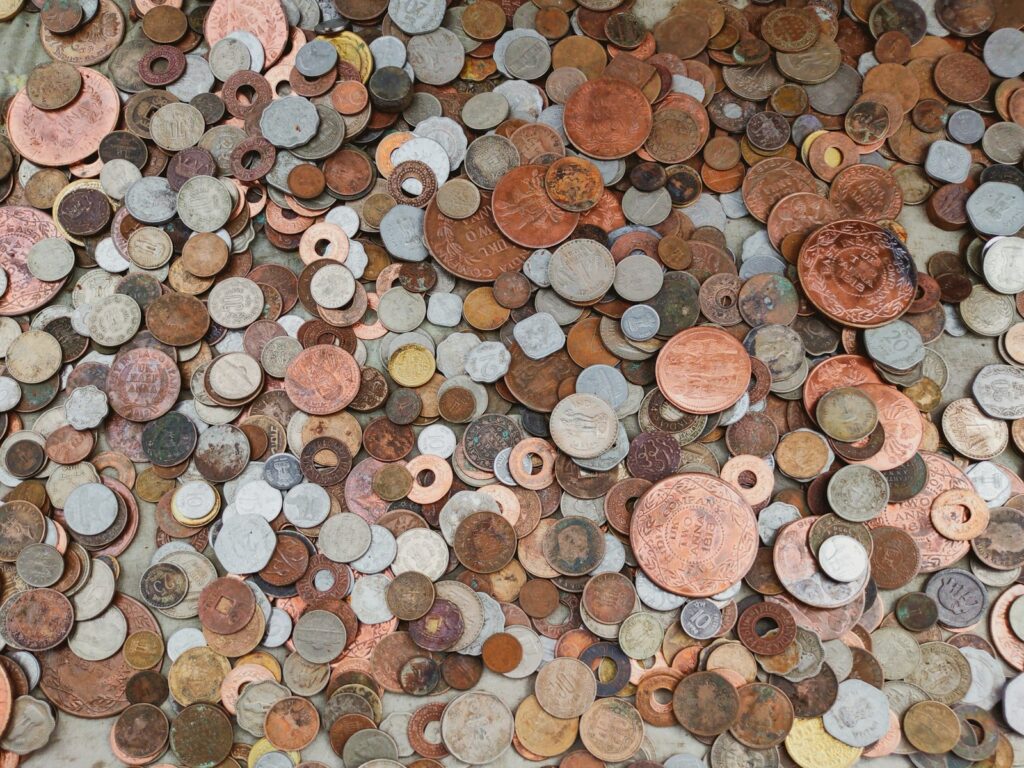
11. Barter Existed—But Money Was Still Used
Medieval economies weren’t purely barter-based.
Coins were widely used, especially in towns and trade. However, rural areas often relied more on local exchange and obligations.

12. Spices Were Expensive—but Not Mythically Rare
Spices like pepper and cinnamon were luxury goods, but not completely inaccessible.
They were traded across long distances and used by wealthier households, not entirely unknown to everyone else.

13. Animals Really Were Put on Trial
Yes, animals were sometimes tried in court.
Historical records show pigs, rats, and even insects being formally accused and “prosecuted” for harming humans or crops. It sounds bizarre today, but it reflected medieval ideas about justice and order.
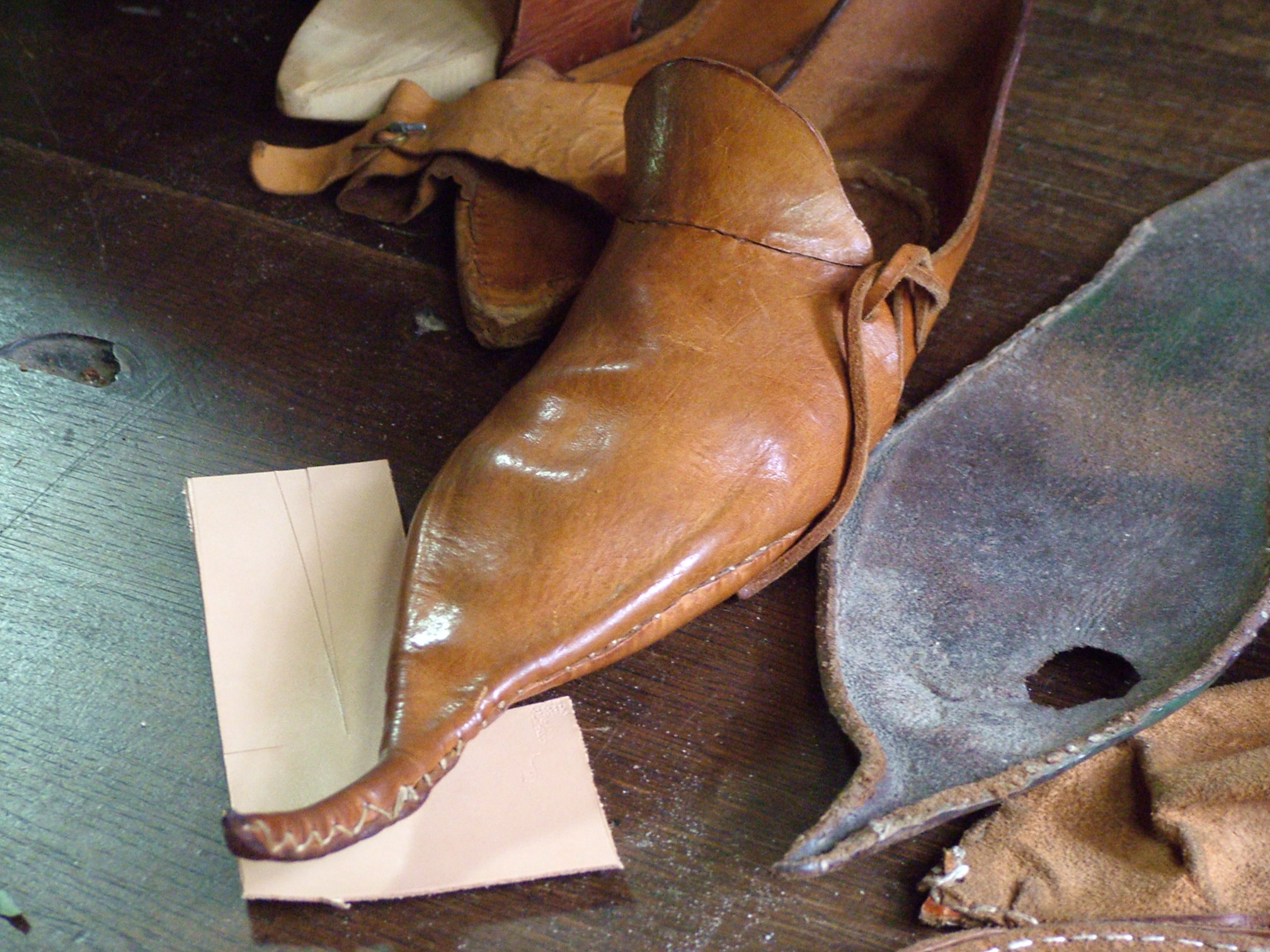
14. Fashion Could Get Extremely Weird
One standout trend? Long, pointed shoes called crakows or poulaines.
Some were so long they had to be tied to the wearer’s leg to walk properly.
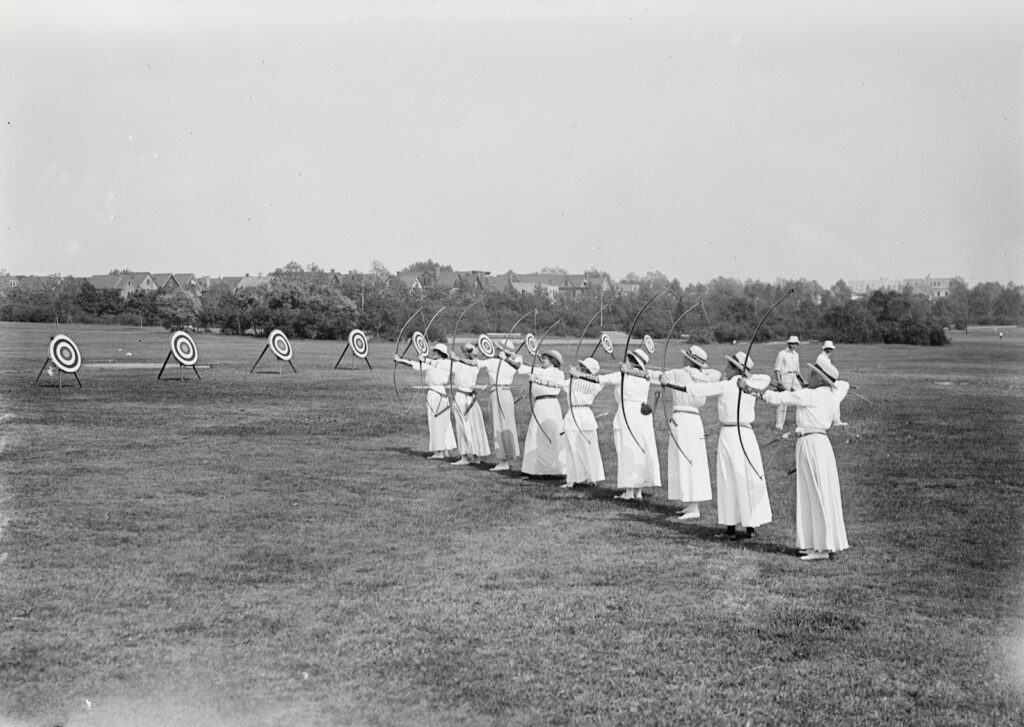
15. Archery Training Was Mandatory in England
Under Edward III of England and later rulers, Englishmen were required to practice archery regularly.
This helped create the skilled longbowmen who played a key role in battles like Battle of Agincourt.
16. Warfare Was Often Slow and Strategic
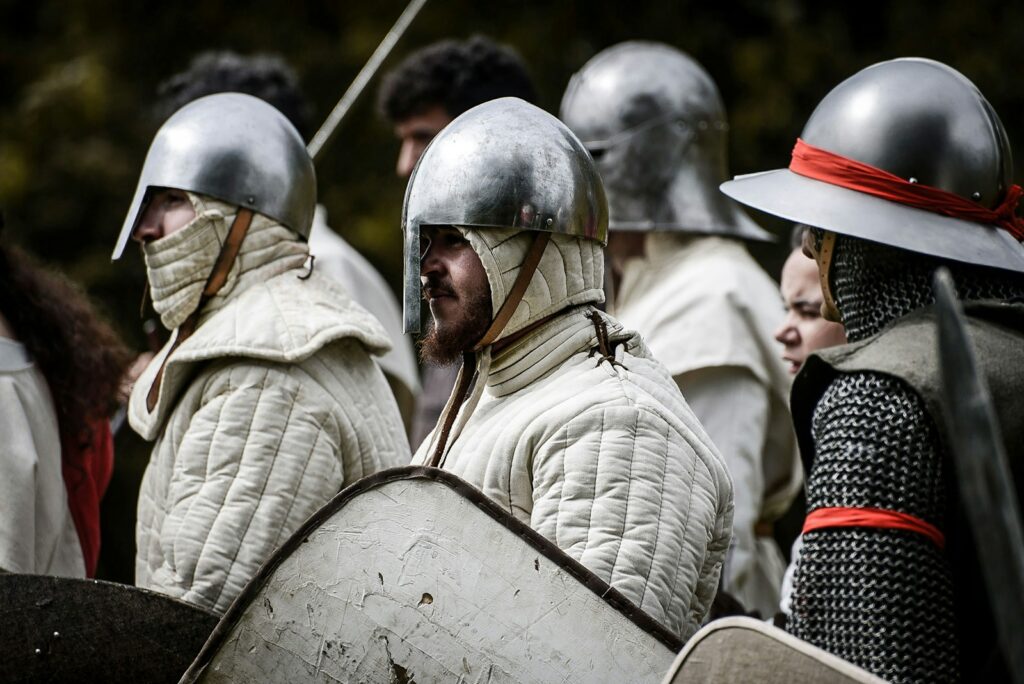
Battles weren’t constant chaos.
Armies often maneuvered carefully, and many engagements were brief or avoided entirely in favor of positioning and supply control.
17. Sieges Were More Common Than Battles
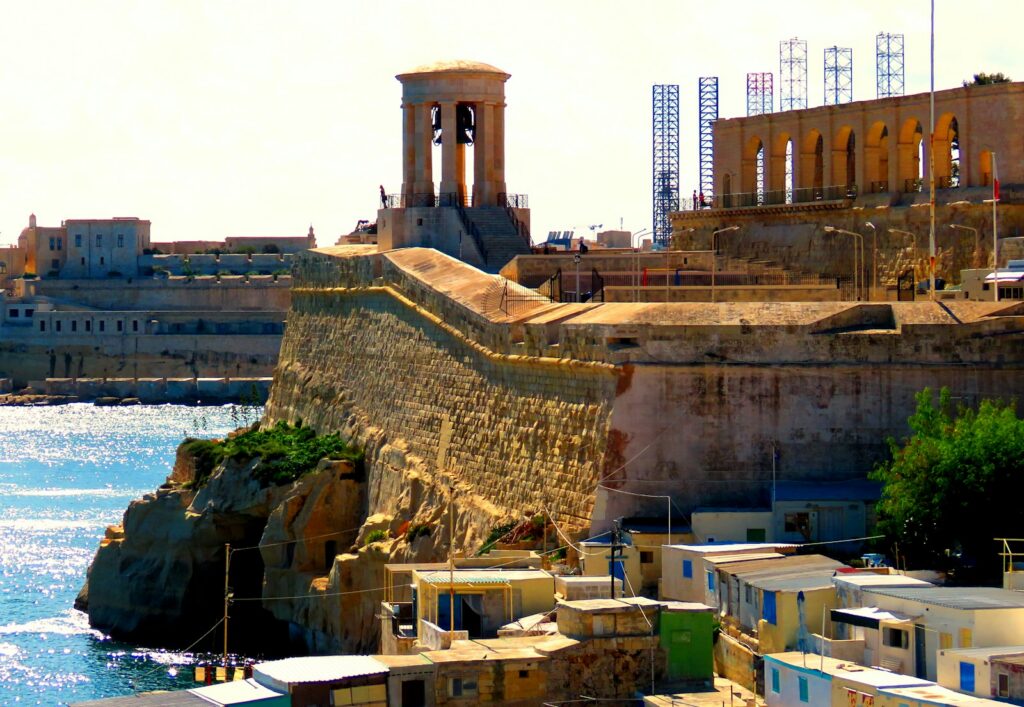
Instead of charging into combat, armies often surrounded castles or cities.
Sieges could last months or even years, aiming to starve defenders into surrender.
18. Swords Weren’t the Main Weapon
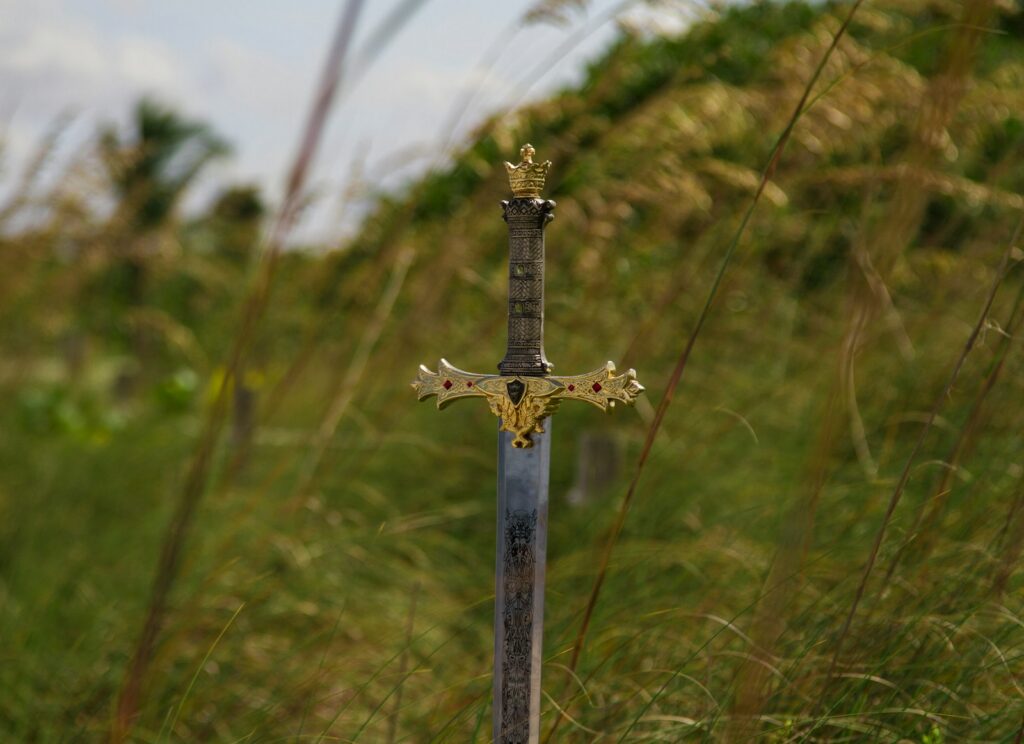
Despite their popularity in movies, swords were typically sidearms.
Most soldiers relied on spears, polearms, bows, or maces, especially when facing armored opponents.
19. Plate Armor Was Surprisingly Effective
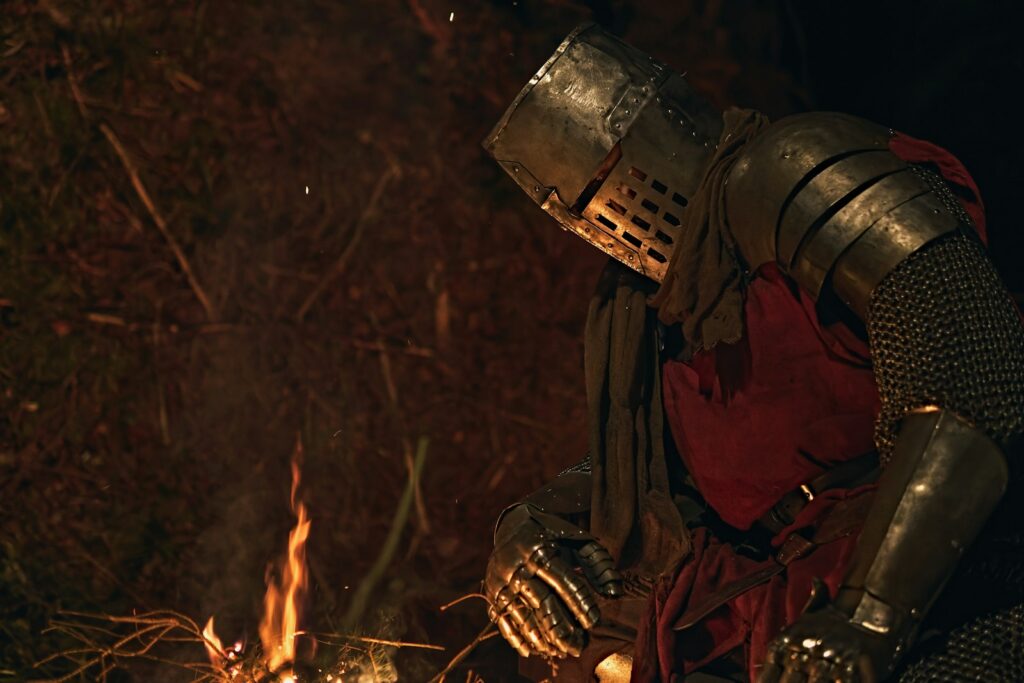
Well-made plate armor could deflect or absorb many blows.
This is why weapons evolved to include maces and war hammers, which could deliver force through armor.
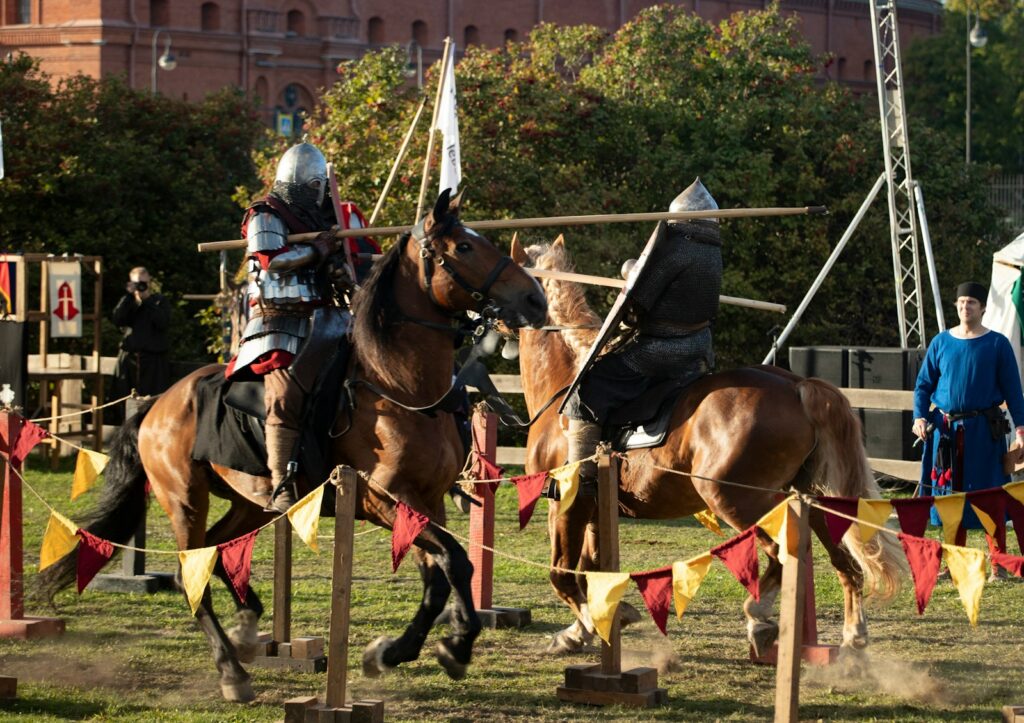
20. Battles Rarely Meant Total Annihilation
Most medieval battles didn’t end with one side being wiped out.
Once a force broke formation or morale collapsed, soldiers often fled or surrendered to be ransomed, especially if they were nobles.
Related:
- The Most Chilling Urban Legend in Every State
- 10 Myths You Probably Learned as a Kid—Debunked
- 15 Famous Cars That Turned Out to Be Major Disappointments