

Real estate gets pitched as a reliable path to wealth, and sometimes it is. But it’s not as simple as buying a property and watching the value magically climb. There are real risks, real costs, and plenty of ways to get it wrong if you go in unprepared.
Before you start browsing listings or running numbers, here are the key things worth understanding upfront.
Location Still Matters (Yes, Really)

It’s a cliché for a reason. Property value is heavily influenced by location—think schools, amenities, job markets, and overall demand. A great property in a weak location is usually a tougher sell than an average property in a strong one.
Know What the Property Is Actually Worth

Don’t rely on the listing price alone. Look at comparable sales (“comps”), local trends, and potential rental income if applicable. The numbers need to make sense on paper before they have any chance of working in real life.
Be Clear on Your Investment Strategy

Are you buying to rent, flip, or hold long-term? Each approach comes with different risks, timelines, and profit expectations. Trying to “figure it out later” is how people end up with the wrong property for their goals.
Run the Cash Flow Numbers Honestly

If it’s a rental, estimate income and expenses realistically—not optimistically. Factor in maintenance, vacancies, property management, taxes, and insurance. If the deal only works in a best-case scenario, it probably doesn’t work.
Don’t Over-Leverage Yourself

Using borrowed money can amplify returns, but it also amplifies risk. Taking on too much debt leaves little room for things like market dips, unexpected repairs, or vacancies. Leverage can help, but too much can hurt.
Pay Attention to Interest Rates

Mortgage rates directly affect your monthly costs and overall return. Higher rates can eat into profits, especially for long-term holds. Even a small difference in rate can have a noticeable impact over time.
Understand the Trade-Off: New vs. Existing Properties

New builds may offer modern features and fewer immediate repairs, but can come with higher prices and delays. Older properties are often more affordable upfront but may require more maintenance. There’s no universal “better” option—just what fits your plan.
Consider Hands-Off Investment Options

If managing tenants, repairs, and late-night calls doesn’t sound appealing, you’re not out of options. Real estate investment trusts (REITs) and real estate-focused funds allow you to invest in the sector without owning property directly.
Your Credit Score Matters More Than You Think
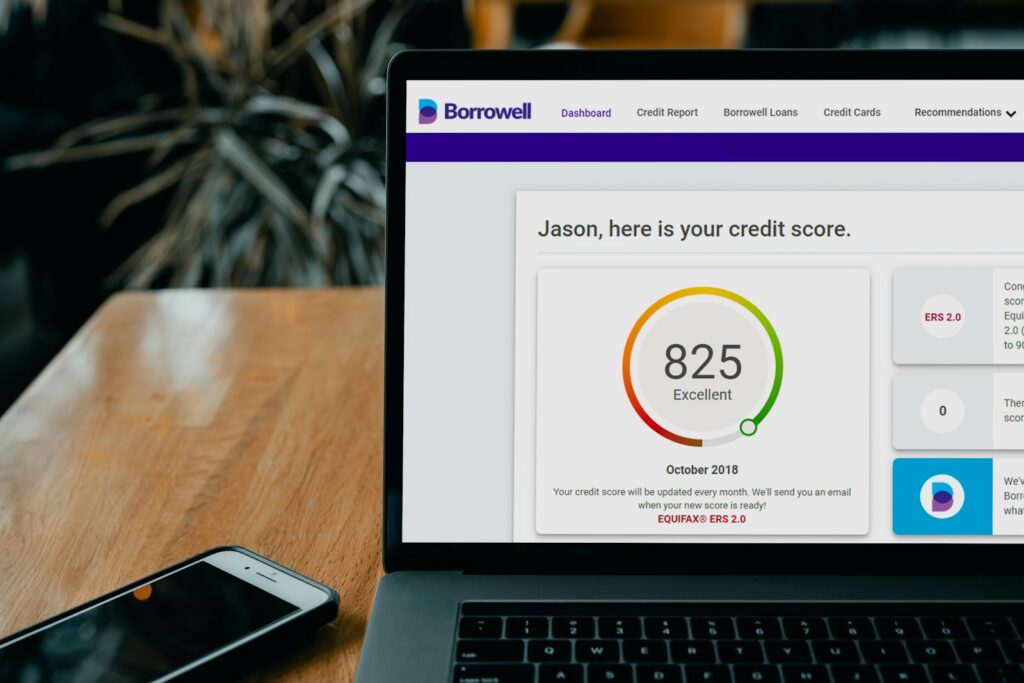
If you’re financing the purchase, your credit score will affect your loan terms and interest rate. Better credit typically means lower borrowing costs, which can make or break a deal’s profitability.
Keep an Eye on the Bigger Market

Real estate markets move in cycles. Prices, inventory, and interest rates all shift over time. You don’t need to time the market perfectly, but ignoring broader trends can lead to overpaying or holding a property longer than planned.
Real estate can be a solid investment, but it rewards preparation more than optimism. The more realistic your expectations (and your math), the better your chances of turning a good idea into an actually good investment.
Related:
- The 10 Best (and Worst) Things to Invest In If You Hate Risk
- I Almost Ruined My Credit Score — Here’s What Saved Me
- 10 Common Investing Fears (And Whether They’re Actually Valid)