
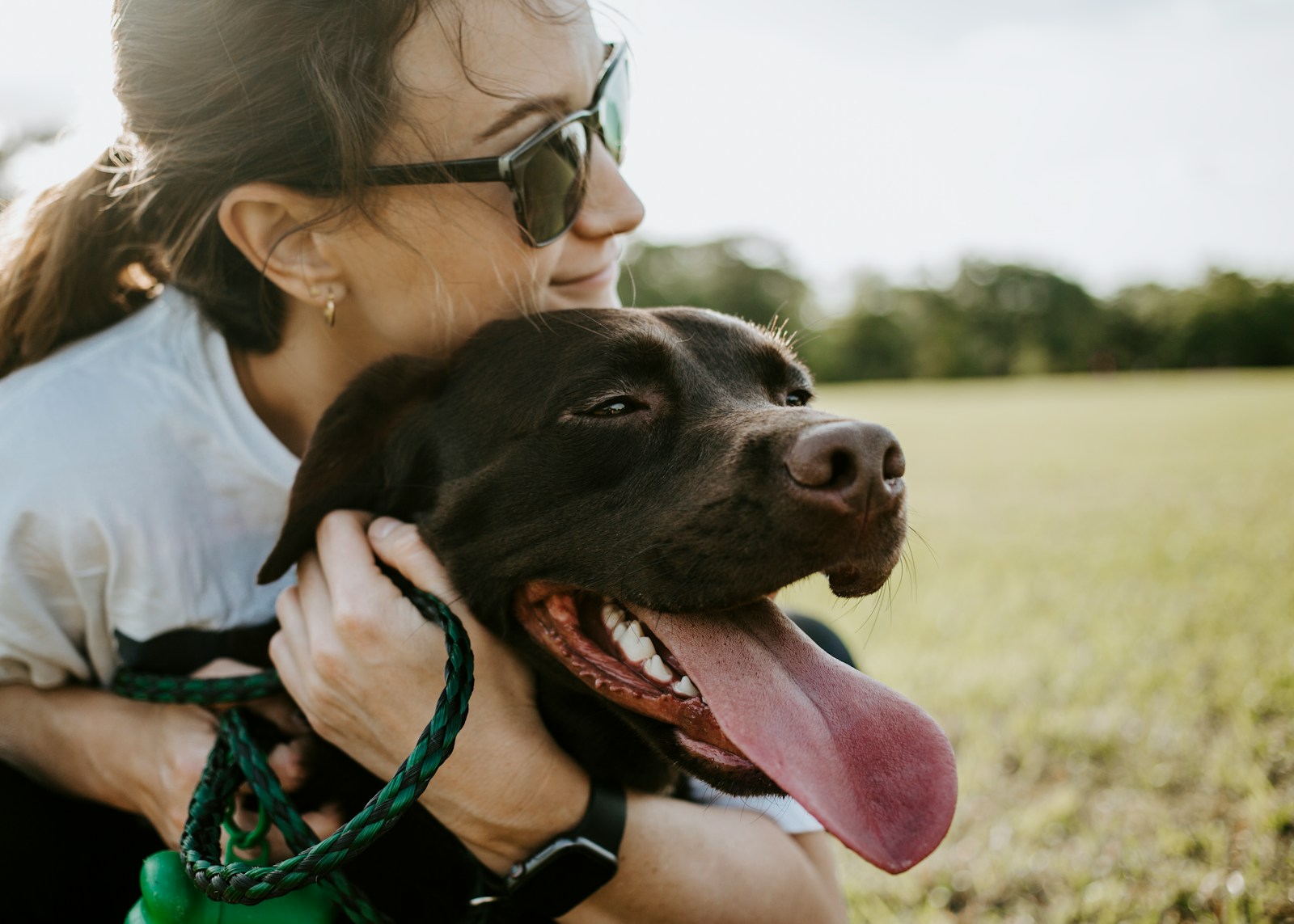
Fostering a dog can be one of the most rewarding ways to help animals in need. You’re giving a dog a safe place to land while they wait for a permanent home and often helping them become more adoptable along the way.
But fostering isn’t just “temporary pet ownership.” It comes with real responsibilities. Here’s what to know before you say yes.
Make Sure You Have the Time
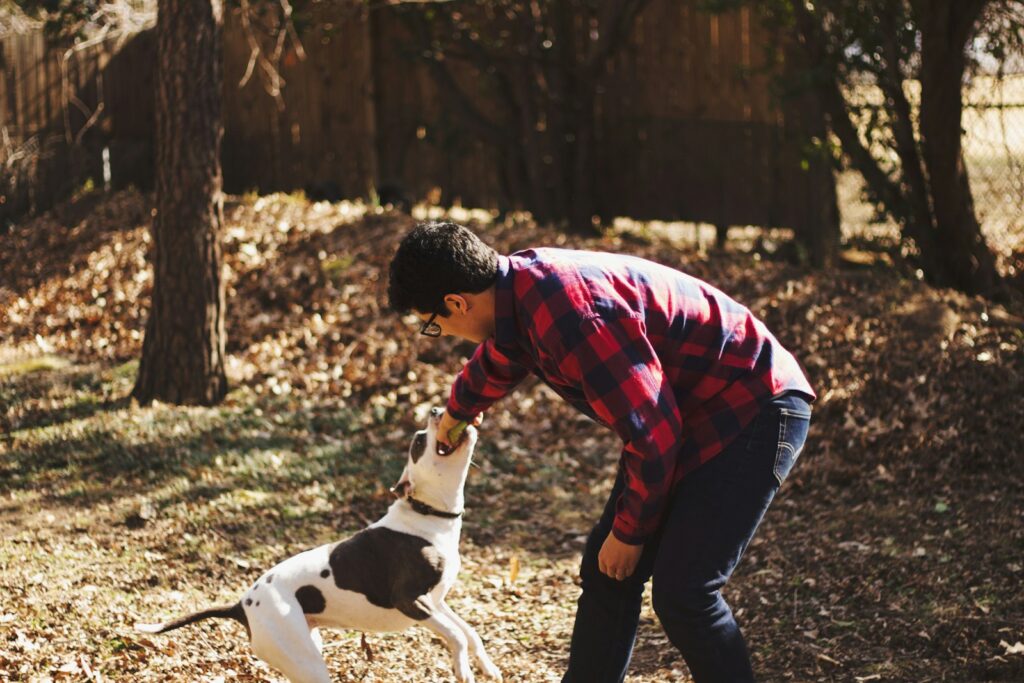
Foster dogs need attention, structure, and supervision, especially at the beginning. Some may need frequent potty breaks, training, or help adjusting. If you work outside the home, it’s still possible, but you’ll need a plan for care during the day.
Expect Some Out-of-Pocket Costs

Many rescues cover major expenses like veterinary care, but not always everything. You may need to provide basics like food, toys, bedding, or cleaning supplies. It’s best to clarify what’s covered before you commit.
Think About Your Space

You don’t need a huge home, but you do need a safe, manageable space. Some dogs need room to decompress, and others may require a crate or separate area. Energy level matters more than size—some small dogs are surprisingly high-energy.
Pet-Proof Your Home

Foster dogs may not yet know the house rules. Remove anything chewable or dangerous, secure trash cans, and double-check fences, doors, and escape routes. Also, be mindful of toxic foods, plants, and household chemicals.
Consider Your Current Pets and Kids

Not every foster dog will be a perfect match for your household right away. Slow introductions are important, and some rescues recommend a “decompression period” before full interaction. Always communicate your home setup so placements are a good fit.
Expect an Adjustment Period

Most foster dogs need time to settle in. You may see anxiety, hiding, or accidents at first—that’s normal. Consistency, patience, and routine go a long way in helping them feel safe.
Stay in Close Contact With the Rescue

Your foster coordinator is your go-to resource. Keep them updated on behavior, health, and any concerns. Good communication helps ensure the dog gets the right support, and eventually, the right home.
Start With a Good Match for Your Experience

If you’re new to fostering, it’s often best to start with a dog that doesn’t have major medical or behavioral challenges. As you gain experience, you can take on more complex cases if you choose.
Basic Training Helps a Lot

You don’t need to be a professional trainer, but reinforcing simple behaviors like leash walking, house training, and basic commands can make a big difference. A well-adjusted dog is much easier to place in a permanent home.
Be Ready to Let Go
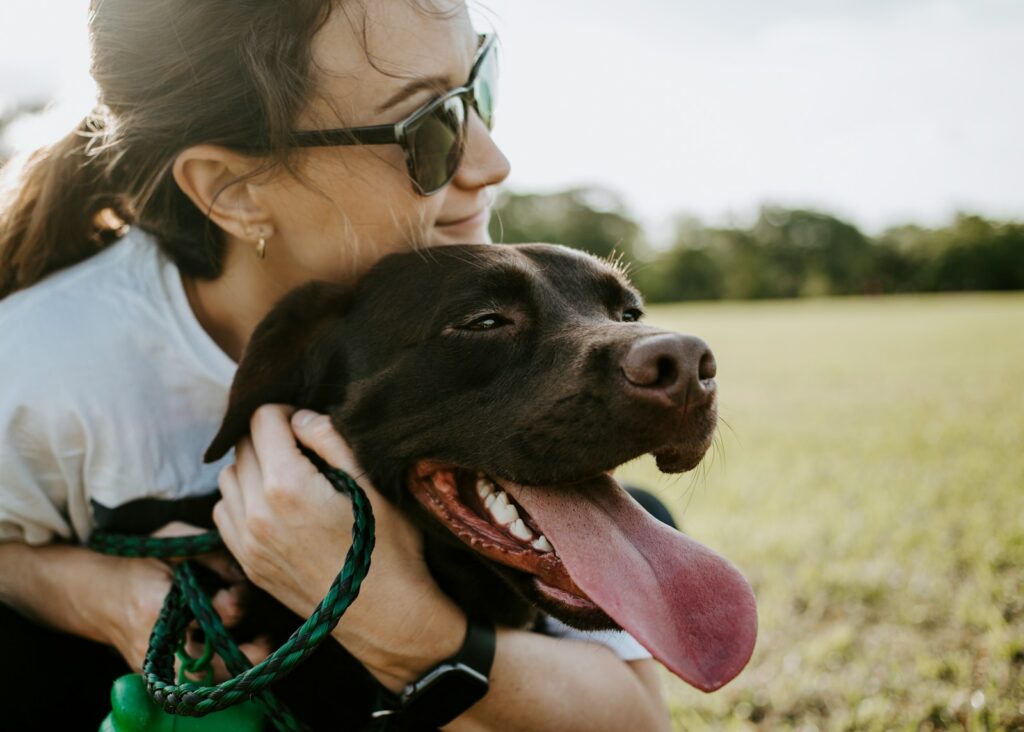
This is the hardest part for most people. You will get attached. But the goal is to help the dog find a forever home. Many fosters say the reward comes from knowing they helped set up a better life for a foster.
Fostering isn’t always easy, but it’s incredibly impactful. Even a short-term foster can help a dog decompress, learn trust, and find the right home faster. And when one dog leaves, you’ve made room to help another.
Read More:
- 10 Common Foods You Should Never Give Your Dog
- 10 Dog Breeds Known for Their Protective Instincts
- These Common Household Items Are Toxic to Pets