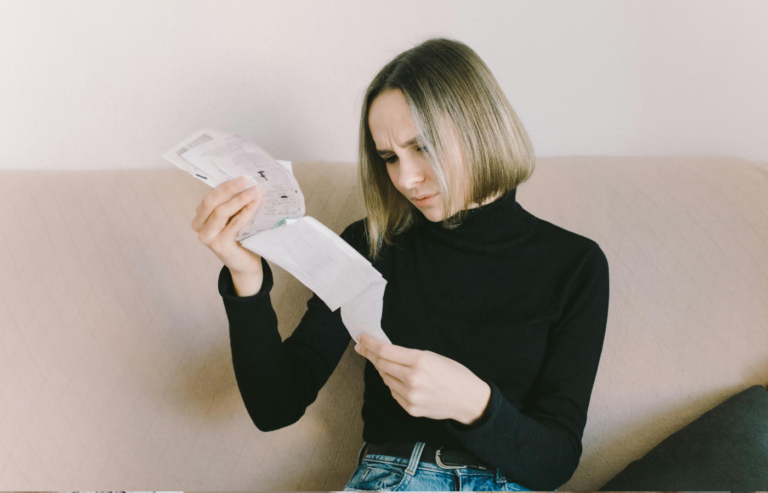

A great hotel can make your trip. A bad one? It can quietly (or loudly) ruin the whole thing. The tricky part is that many problems don’t show up until after you’ve checked in, and by then, it’s too late.
The good news: there are usually warning signs. Here are 10 hotel red flags to watch for before you book.
Generic or Overly Polished Photos

If the photos look like they came straight from a stock image library, proceed with caution. Overly wide angles, perfect lighting, and the absence of imperfections can be a sign that the images don’t reflect reality. Always check guest-uploaded photos on review sites for a more honest look.
Missing Key Photos

If a hotel shows plenty of exterior shots but barely any of the actual rooms, that’s not a great sign. You should be able to clearly see bedrooms, bathrooms, and common areas. When important spaces are missing, it’s often intentional.
Poorly Maintained Common Areas
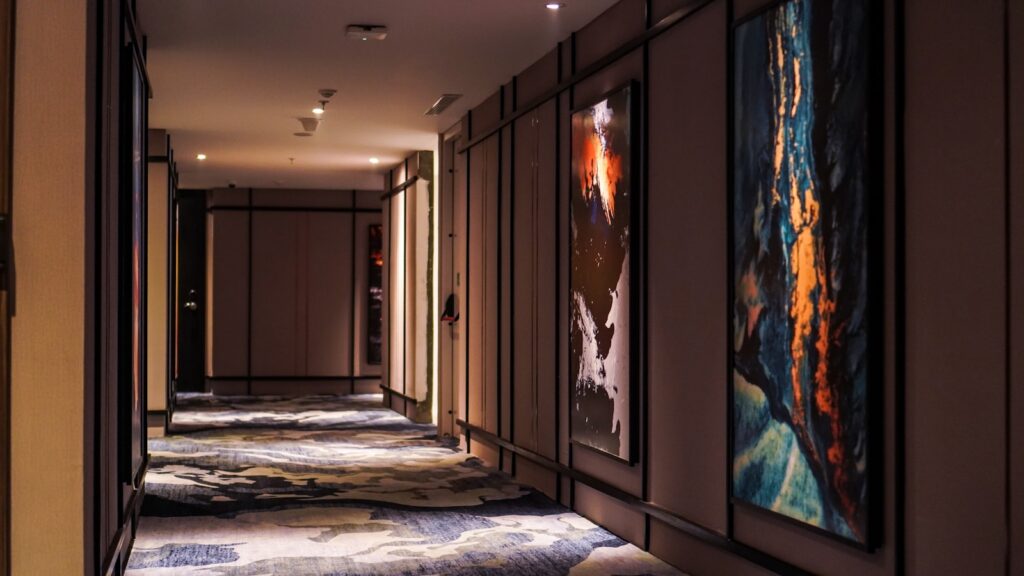
Take a close look at lobbies, hallways, and pools in photos. Dim lighting, blurry images, or angles that avoid details can hide wear and tear. If shared spaces look neglected, chances are the rooms aren’t much better.
Outdated or Sparse Reviews

Recent reviews matter more than glowing ones from years ago. If most feedback is old or there are very few recent stays, that could signal declining quality or low occupancy. Aim for places with consistent, recent feedback.
Late Check-In and Early Check-Out
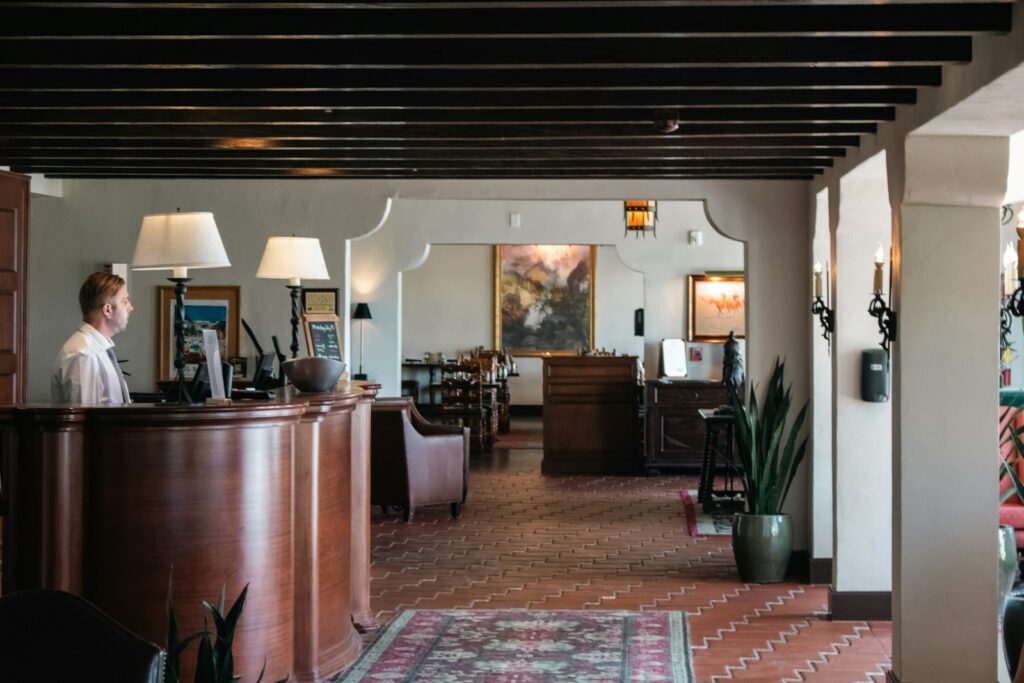
Standard check-in is usually mid-afternoon, and check-out is late morning, but extreme versions of this can be frustrating. If you’re only getting a short window in the room, it may not feel like a good value, especially for higher nightly rates.
Questionable Bed Quality
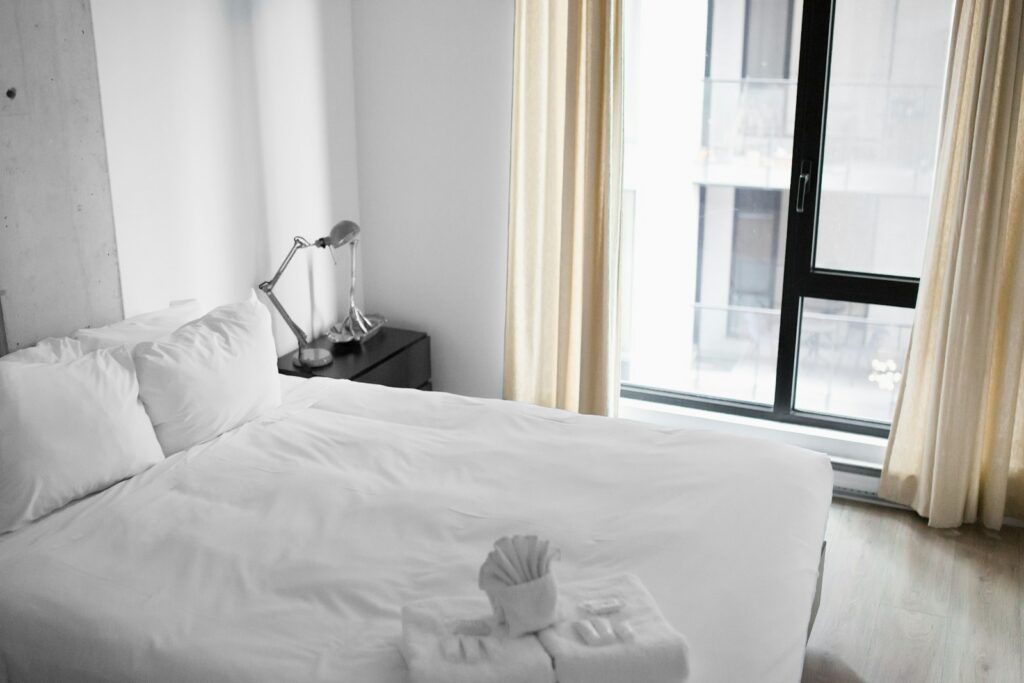
You can’t test the mattress before you book, but photos can offer clues. Look for guest photos and reviews mentioning comfort. Sagging beds, thin pillows, or sleep quality complaints are worth taking seriously.
Prices That Seem Too Good
A deal is great—until it isn’t. Consistently low prices compared to similar hotels in the same area can signal issues like poor maintenance, outdated rooms, or ongoing disruptions. Always read the fine print and reviews before jumping on a bargain.
Ongoing Construction or Renovations
Renovations can mean noise, limited amenities, and early wake-up calls. Hotels don’t always advertise this clearly. Check recent reviews or even map listings for clues, and if in doubt, call and ask directly.
Underwhelming “Free” Breakfast

Not all complimentary breakfasts are created equal. Some are full buffets, others are closer to coffee and a packaged muffin. If breakfast matters to you, check reviews or photos so you know what to expect.
Strict or Confusing Cancellation Policies
Be cautious with non-refundable bookings or unusually strict policies. While prepaid rates are common, unclear terms or rigid refund policies can be red flags. Make sure you understand exactly what happens if your plans change.
A little research up front can save you from a lot of frustration later. When in doubt, trust recent reviews, real photos, and your instincts because once you check in, you’re kind of stuck with it.
Related:
- 25 Packing Mistakes That Can Ruin Your Trip
- 10 Easy Eco-Friendly Travel Tips That Actually Make a Difference
- America’s Most Crowded Airports—Top 10 List