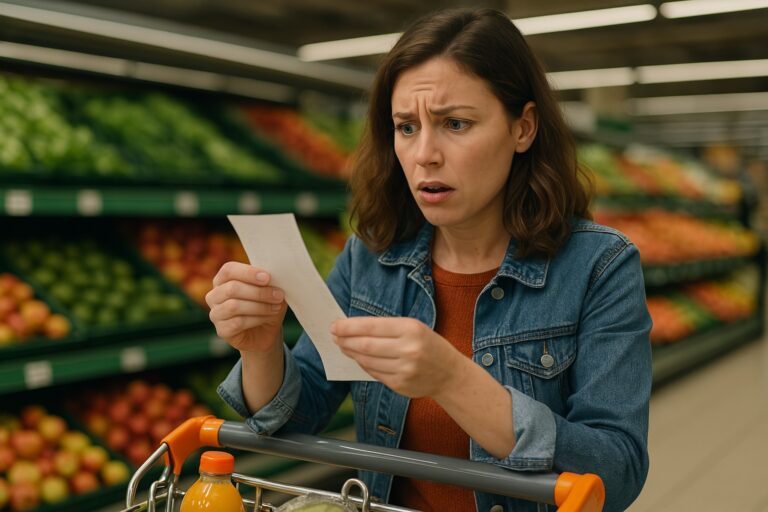
Dollar stores used to mean everything for a buck. Now? Prices are creeping up (looking at you, $1.25 and beyond), and not everything on those shelves is actually a deal.
Some items are smaller, lower quality, or just plain misleading. Here are 15 “bargains” that often aren’t bargains at all.
Batteries
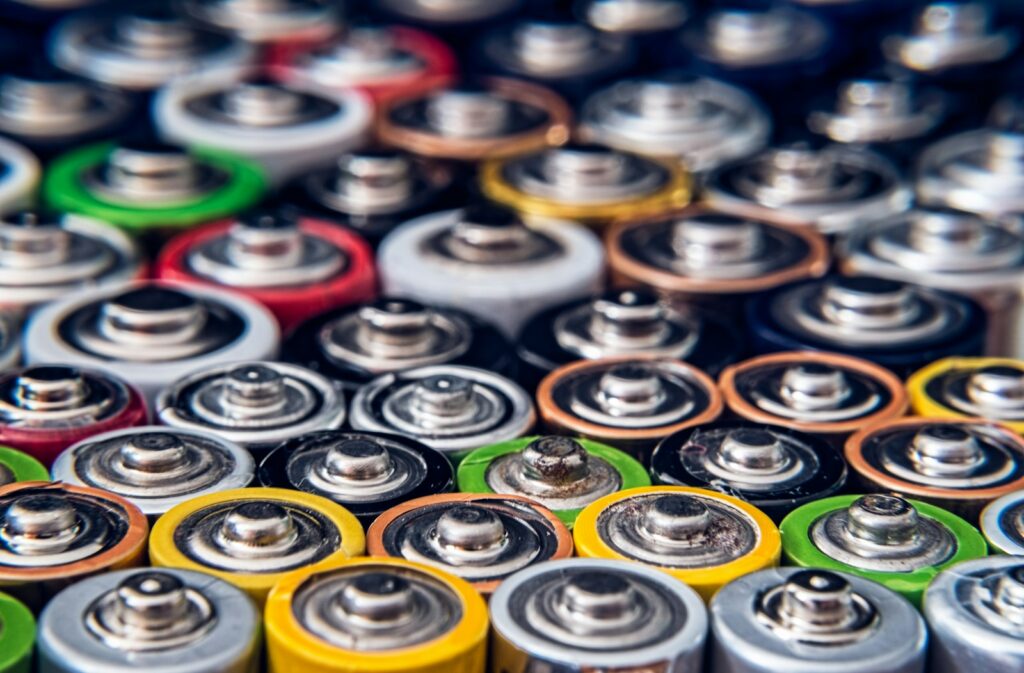
Cheap batteries are usually carbon-zinc, not alkaline. Translation: they drain faster and are best for low-power items like remotes or clocks. For anything important, you’ll end up replacing them more often—so the “deal” disappears quickly.
Charging Cables and Electronics
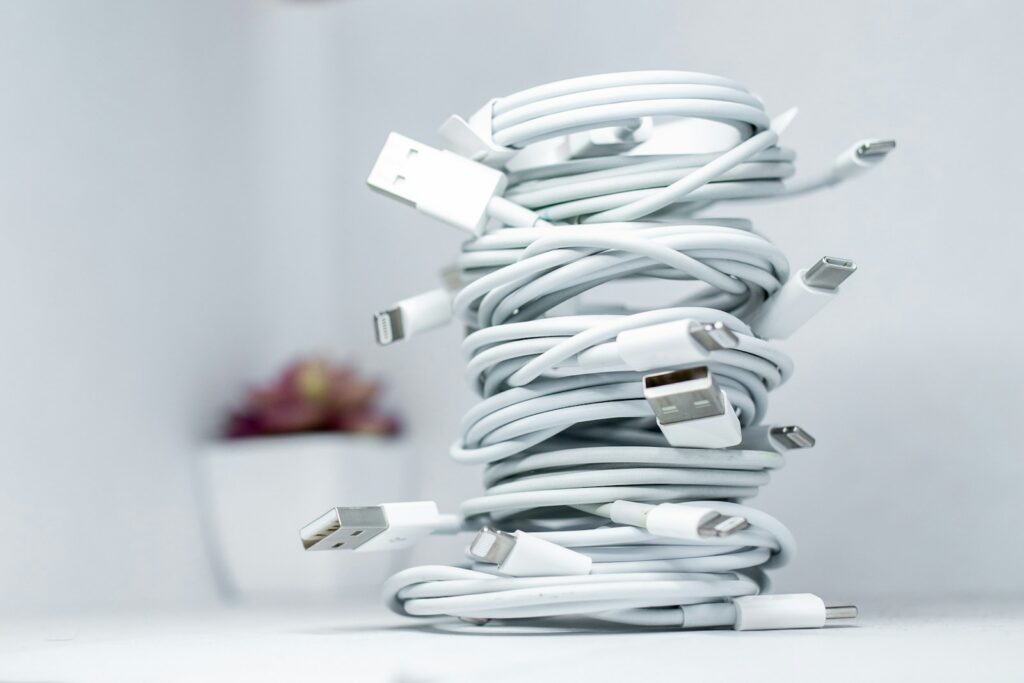
That $2 charging cable might work… for a week. Off-brand electronics can fail quickly, charge slowly, or even risk damaging devices if poorly made. Not always dangerous, but definitely hit or miss.
Beach Towels
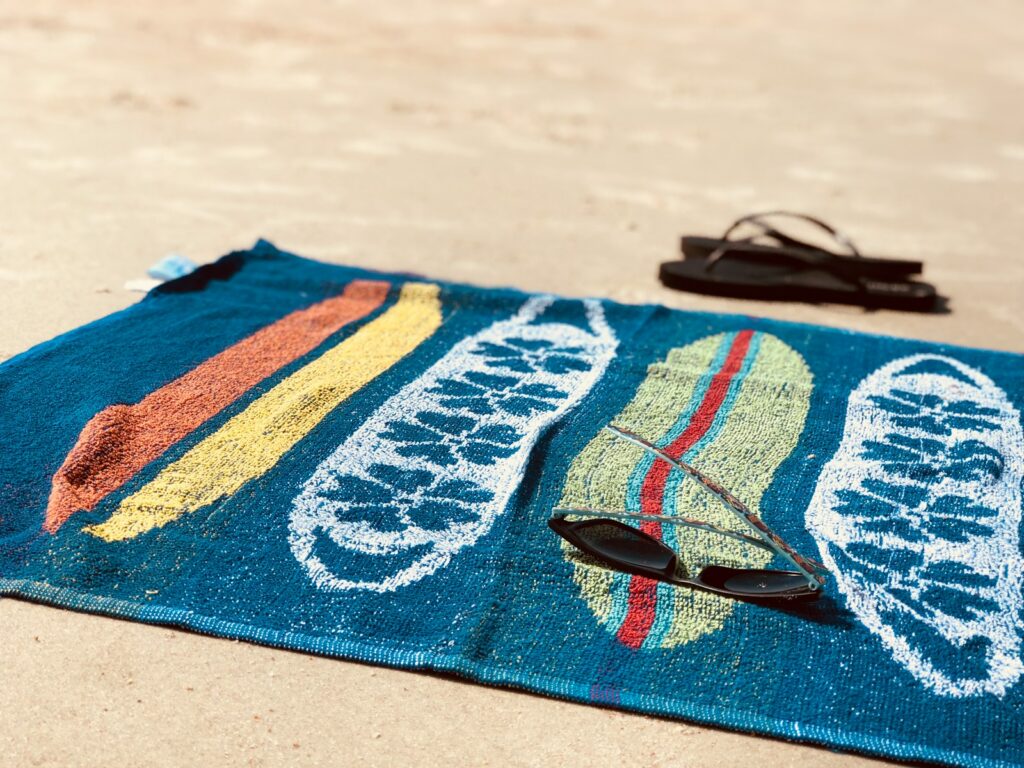
They look like a steal until you use one. Dollar-store towels tend to be thin, less absorbent, and not built to last. Fine for a one-time beach trip. Not great if you expect it to survive summer.
Toilet Paper
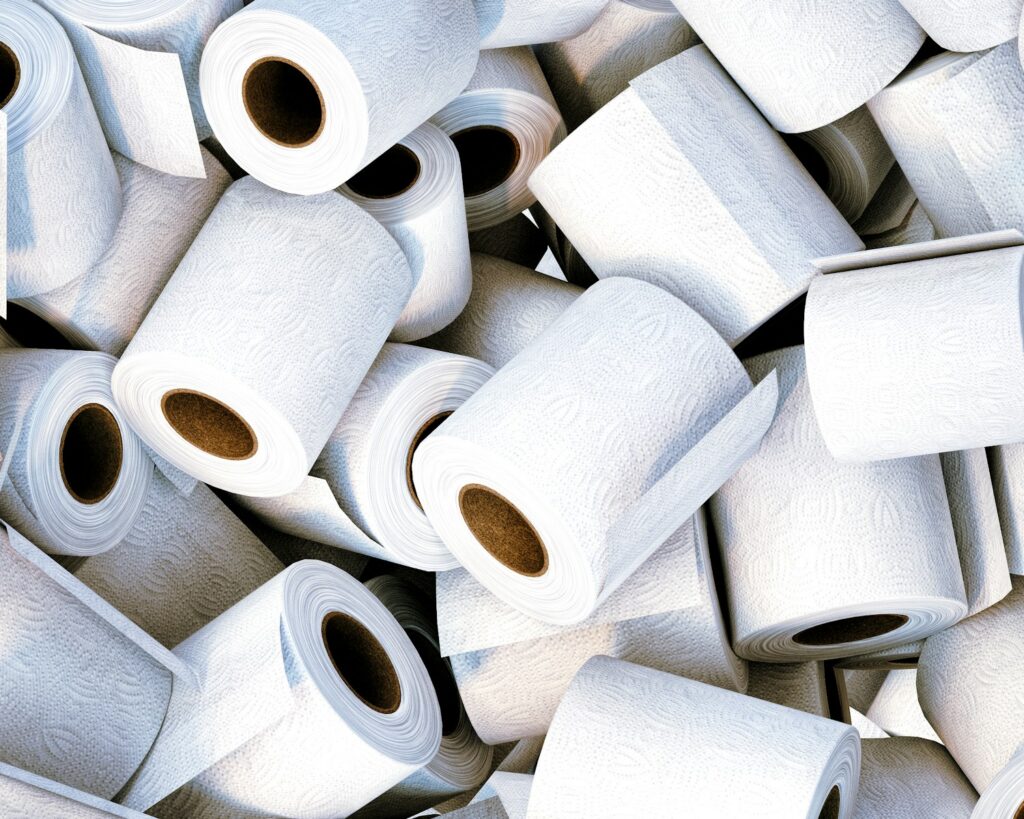
You’re not imagining it—some budget toilet paper is thinner, rougher, or smaller per roll. Lower ply means you’ll use more, which cancels out the savings pretty fast.
Windshield Washer Fluid

This one can be legit or useless depending on where you live. Some cheaper formulas aren’t rated for freezing temperatures, which can leave you with a frozen (and useless) system in winter. Always check the label.
Liquid Detergent
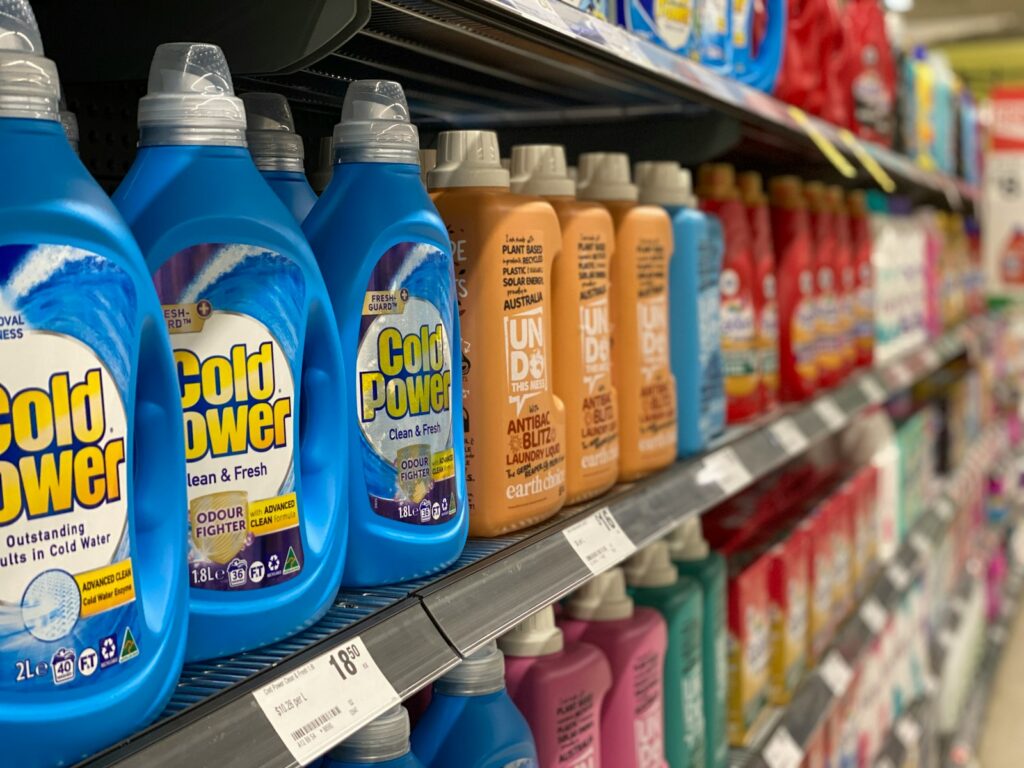
Small bottles can look like a bargain, but check the cost per ounce. You’re often paying more compared to bulk sizes at big-box stores. Also, older stock can lose effectiveness over time.
Wrapping Paper

It’s cheap… because it tears if you look at it the wrong way. Plus, rolls are often smaller than they appear, so the price per square foot can actually be worse than that of higher-quality options elsewhere.
Jewelry

Fun for costumes or a one-night accessory, but not for everyday wear. Cheap metals can tarnish quickly or irritate skin, especially for people with sensitivities.
Toys and Costumes
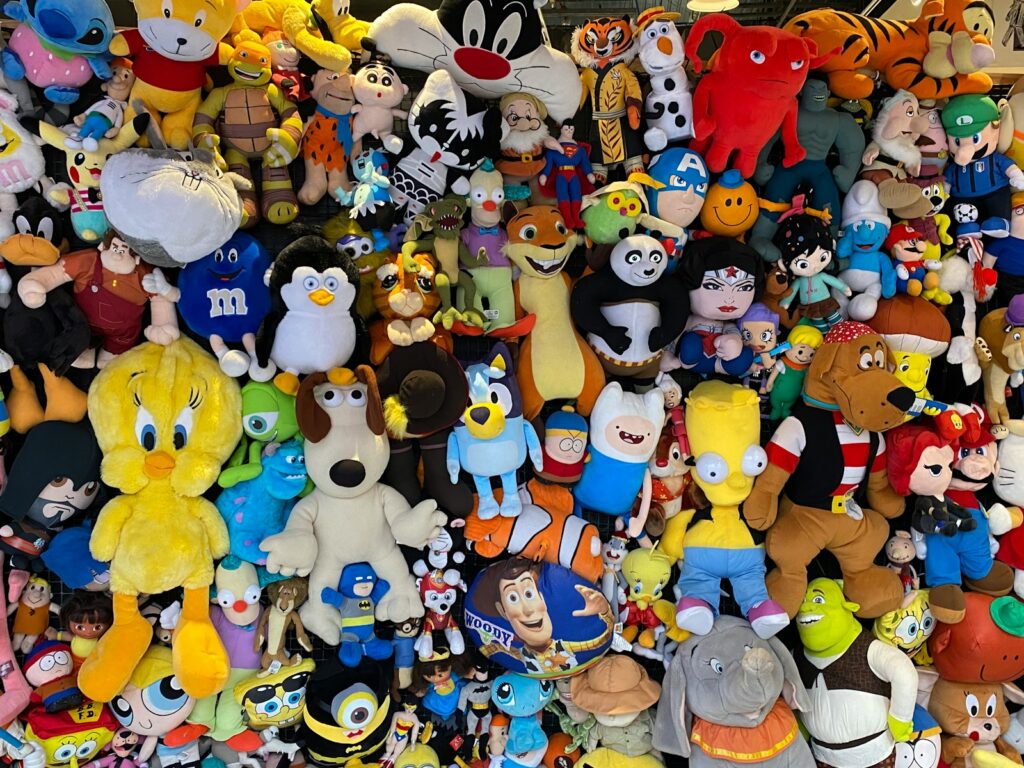
Some are fine, but quality and safety can vary. Small parts break easily, and durability is often low. For very young kids, it’s worth being extra selective and checking for safety labeling.
Plastic Food Storage Containers

Not all dollar-store plastics are unsafe, but not all are microwave- or dishwasher-friendly either. Look for labels like “BPA-free” and heat-safe markings before using them for food storage or reheating.
Tools
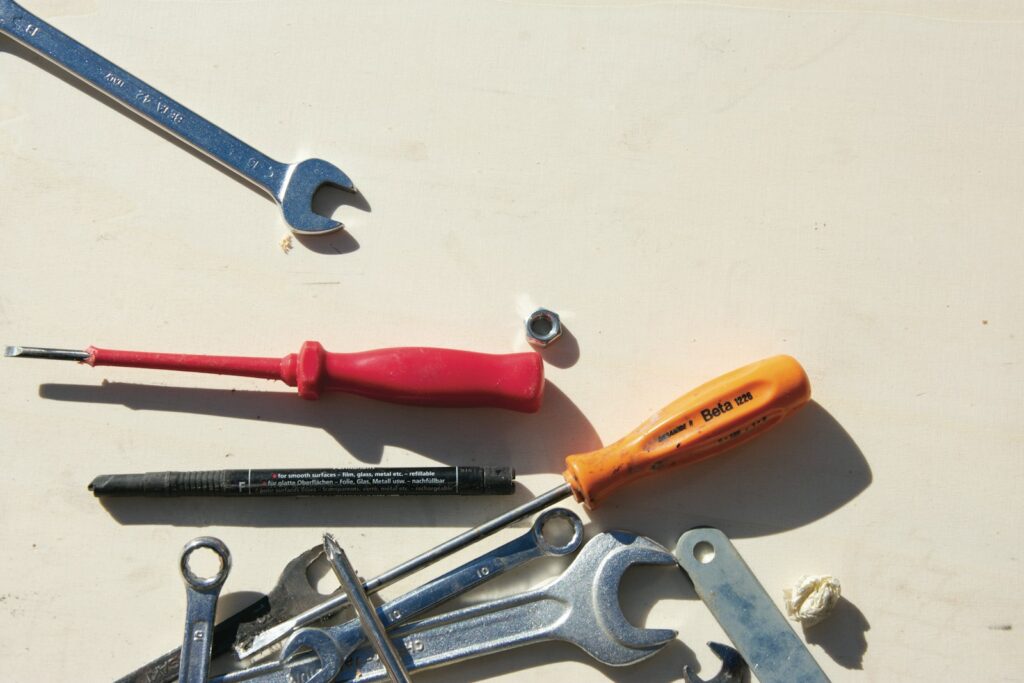
If you need something once, sure. But for repeated use? Many dollar-store tools aren’t built for durability. Stripped screws and snapped handles tend to end the savings pretty quickly.
School Supplies
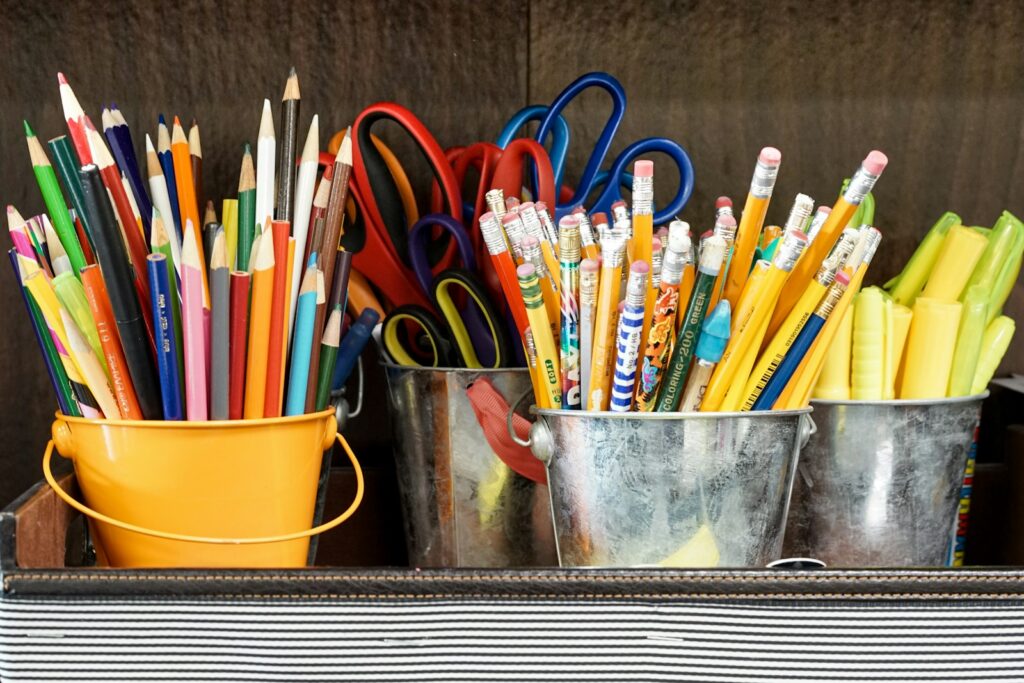
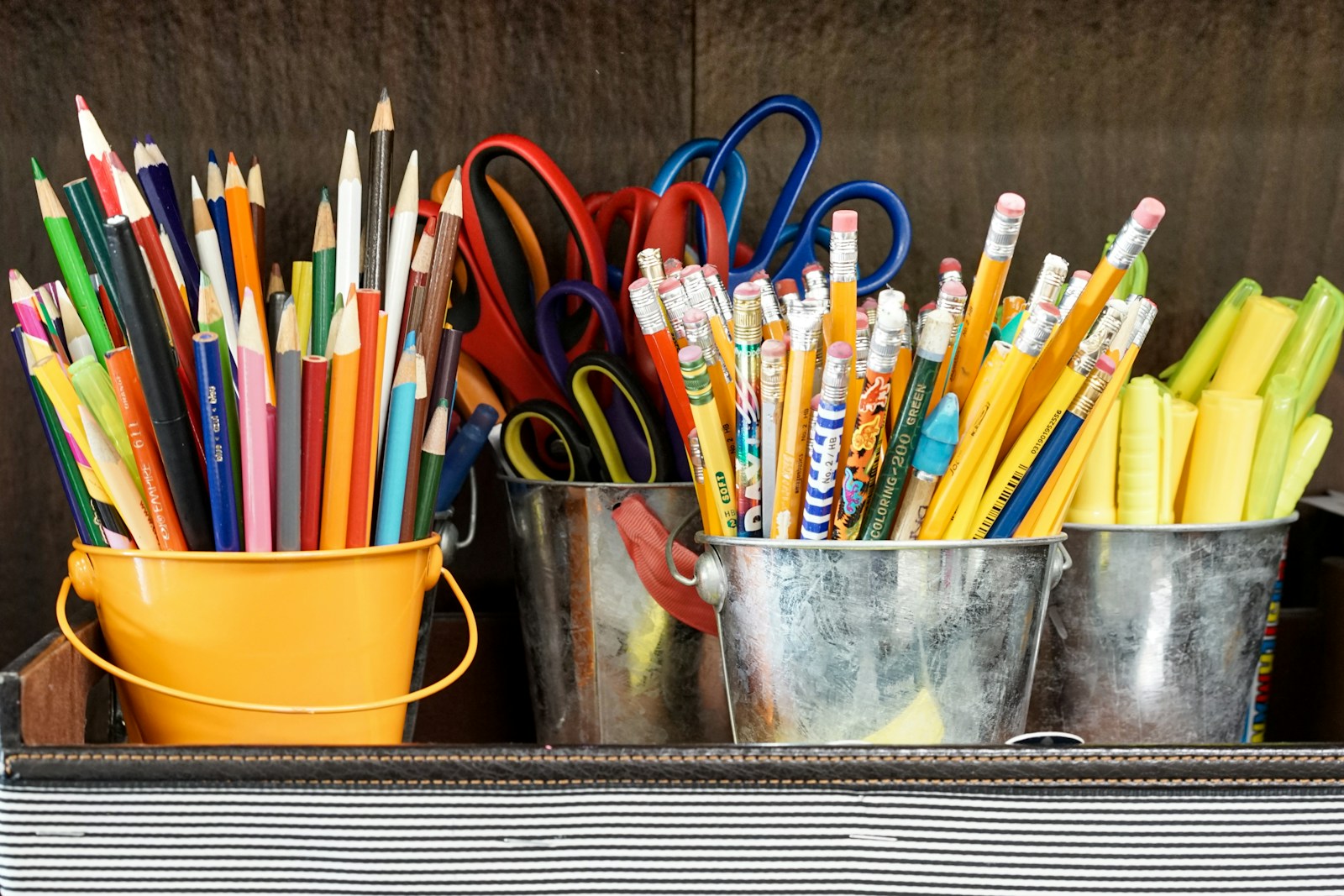
Some items are perfectly fine, but others (like pens, markers, or mechanical pencils) can be inconsistent. You may end up replacing them sooner than expected, which defeats the purpose.
Beauty Products and Toiletries
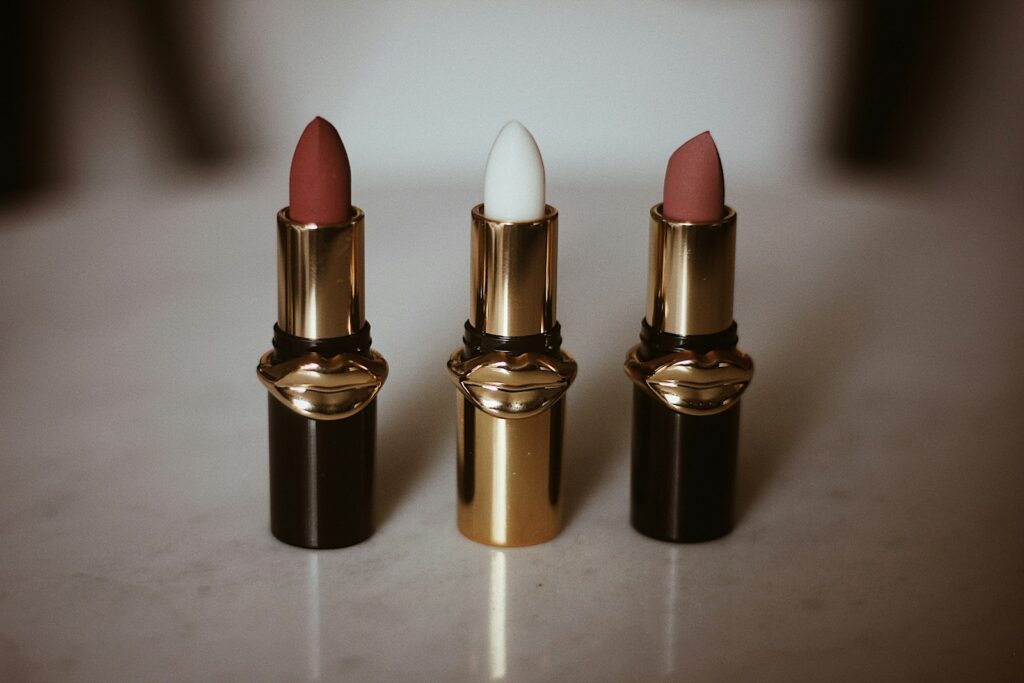
Name brands can be a good deal, but always check expiration dates. Products like sunscreen or skincare can lose effectiveness over time. If there’s no date or seal, skip it.
Food (Especially Perishables)
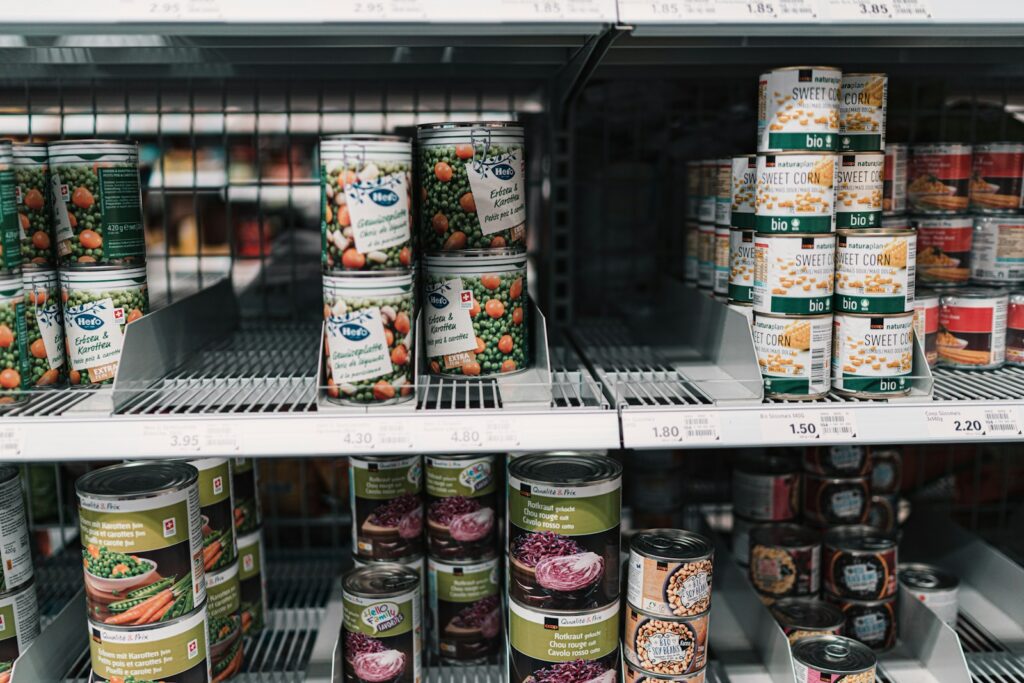
Shelf-stable items are often fine, but always check expiration dates and packaging. Canned goods should be dent-free, and anything perishable should be inspected carefully. Quality can vary by store.
Vitamins and Supplements

This is one category where quality matters. Supplements aren’t tightly regulated, and storage conditions affect potency. Buying from trusted retailers is usually the safer bet.
Final Thoughts
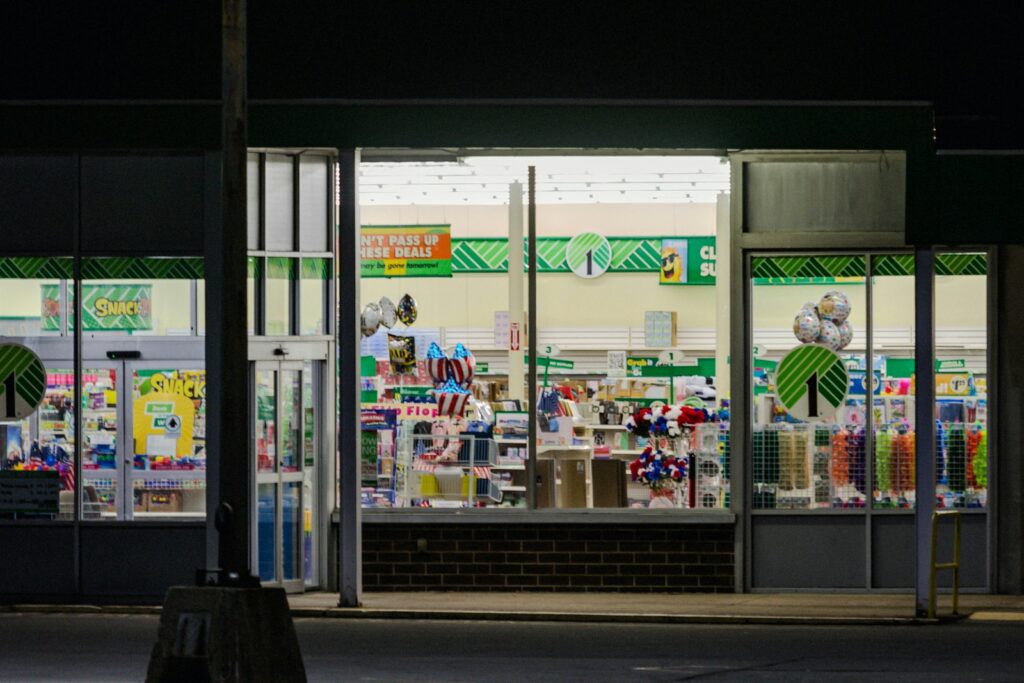
Dollar stores can absolutely save you money, but only if you shop strategically. The trick isn’t avoiding them entirely—it’s knowing which “deals” are actually worth it.
Because sometimes saving a dollar now just means spending five later.
Related:
- How I Saved $10,000 Almost Without Noticing
- The Most Affordable Grocery Chains in the US
- Which Grocery Stores Have the Best Rewards Programs?