
Bad CGI ages fast. Great CGI tends to survive because filmmakers know when to use it, when to hide it, and when to let practical effects do the heavy lifting.
These 10 older movies did not rely on computer effects alone. They used them with care, which is why their biggest visual moments still look impressive today.
10. Starship Troopers (1997)
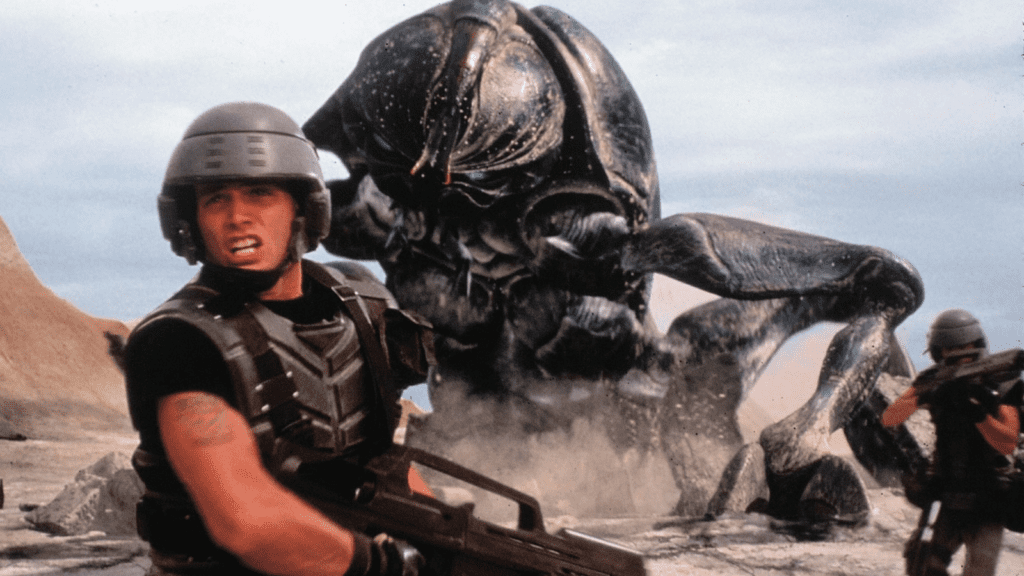
Starship Troopers is remembered for its satire, but its creature effects deserve just as much credit. The alien bugs still look sharp because the movie blends CGI with practical effects, strong lighting, and chaotic battle staging. The result is violent, ridiculous, and strangely durable, which fits the movie perfectly.
9. Indiana Jones and the Last Crusade (1989)
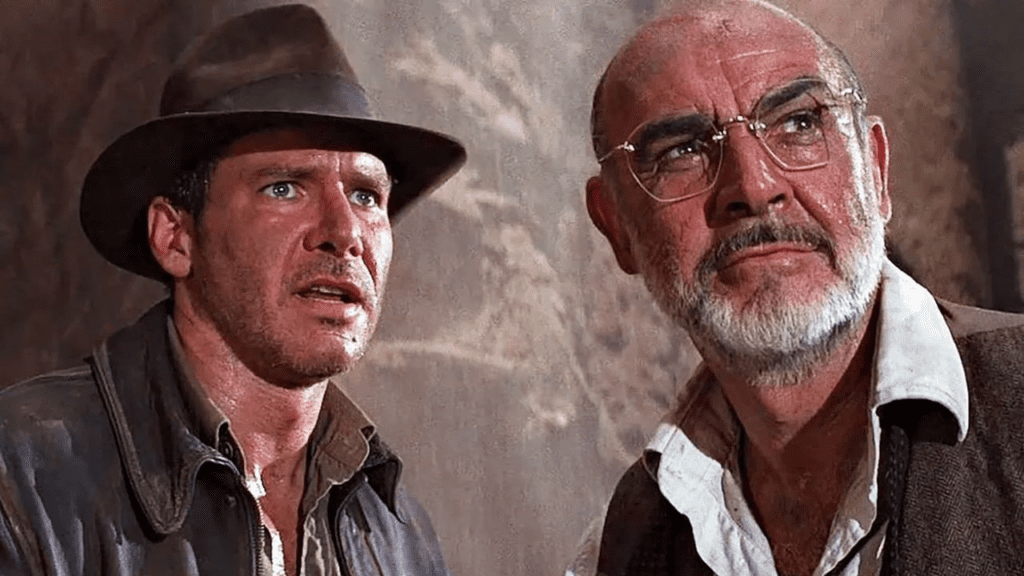
Indiana Jones and the Last Crusade used CGI for one of its most memorable final-act moments. When Walter Donovan chooses the wrong Grail, he rapidly ages and crumbles in a sequence that still works because it is brief, dramatic, and tied to a strong practical setup. The effect is not trying to carry the whole movie, which helps it hold up.
8. Tron (1982)
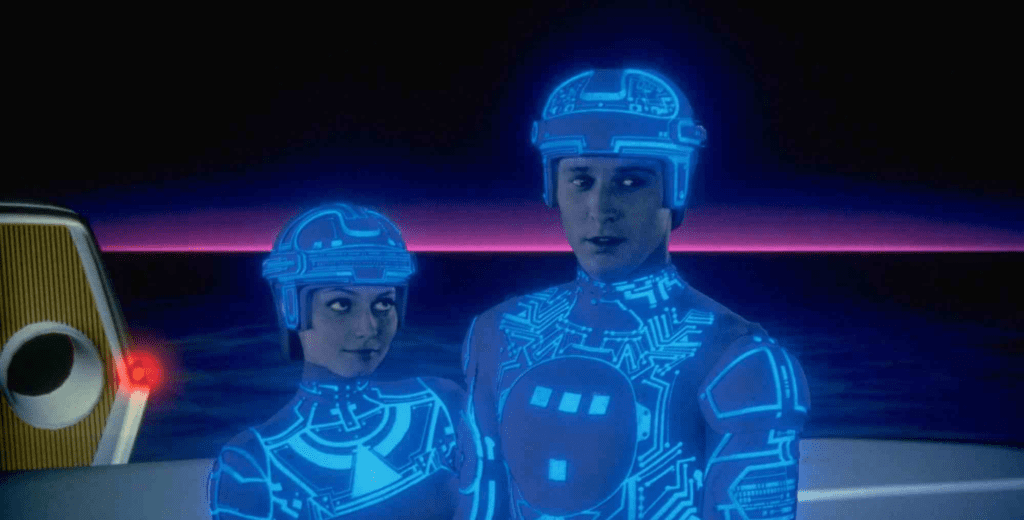
Tron looks dated, but in a way that works for the movie instead of against it. Its digital world has a sharp, artificial style that feels intentional, not unfinished. The CGI has a retro charm now, and because the story takes place inside a computer system, the strange visuals still make sense.
7. Star Wars (1977)
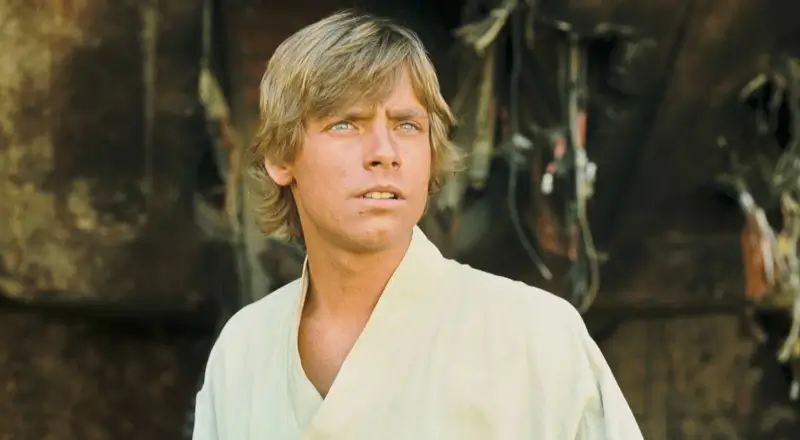
The original Star Wars relied mostly on practical effects and in-camera tricks, but its computer-assisted visuals helped give the film its futuristic edge. The targeting displays, lightsaber effects, blaster fire, and space battle elements all worked together to create a world that felt bigger than anything audiences had seen. Even now, the blend of old-school craft and early visual effects gives the movie its texture.
6. The Matrix (1999)
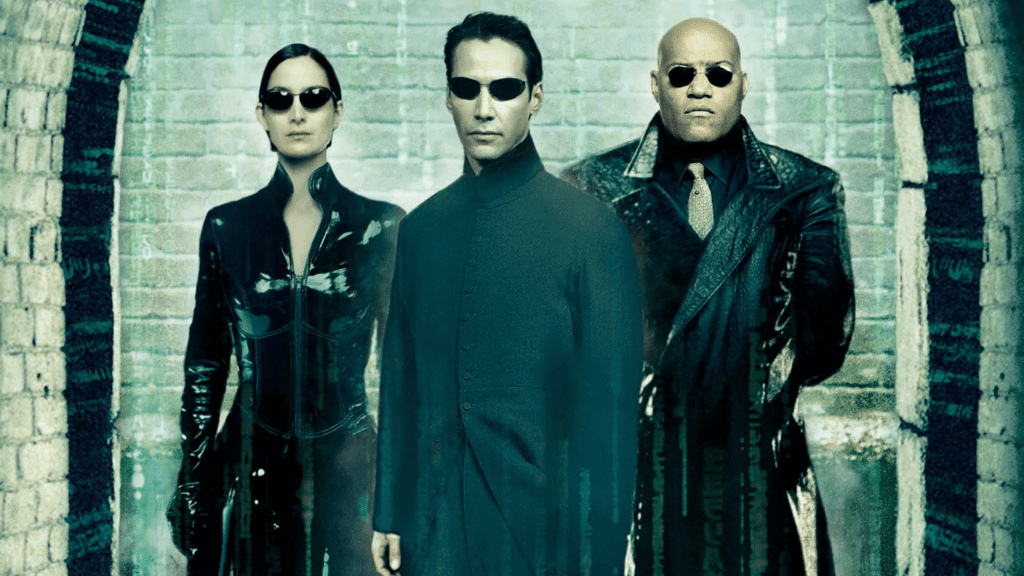
The Matrix did not just use CGI well. It changed how action movies looked. Bullet time, digital doubles, and impossible camera moves gave the film a visual identity that still feels sleek decades later. The effects hold up because they are tied to the movie’s rules, style, and story, not just thrown in to look expensive.
5. Pirates of the Caribbean: The Curse of the Black Pearl (2003)

The first Pirates of the Caribbean movie used CGI to make its cursed crew feel eerie without turning the whole thing into a cartoon. The skeletal pirates work because the effects are mixed with real sets, strong costuming, and moonlit atmosphere. The movie knows when to go big and when to let practical adventure-movie charm take over.
4. Jurassic Park (1993)
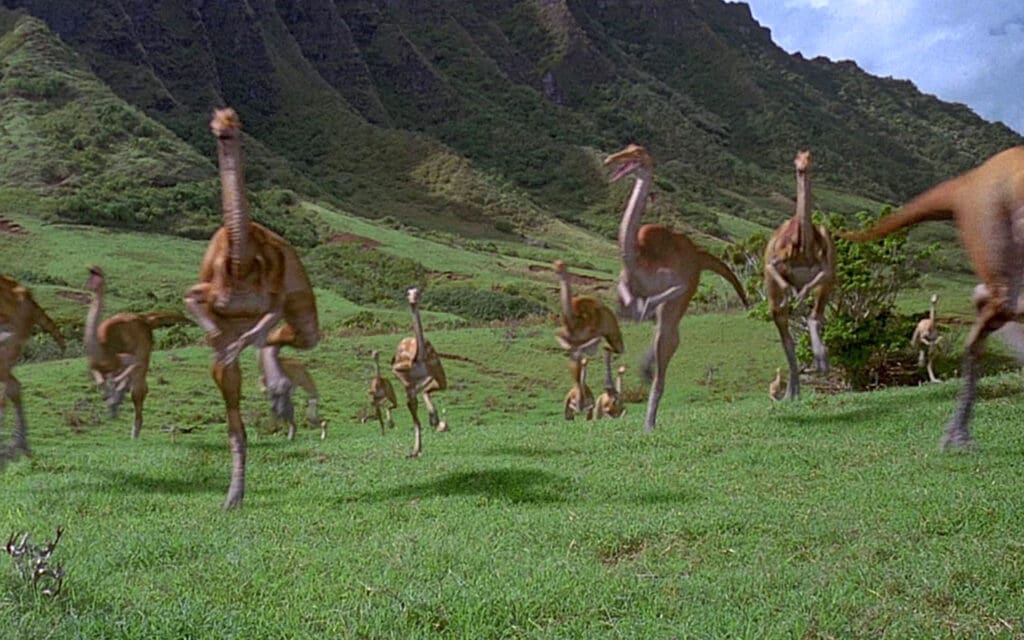
Jurassic Park remains the gold standard for CGI that ages well. The dinosaurs still feel real because Steven Spielberg and his team used computer effects only when they needed them, then supported those shots with animatronics, shadows, rain, and careful editing. Many newer movies have more advanced technology, but few make their creatures feel this alive.
3. Terminator 2: Judgment Day (1991)
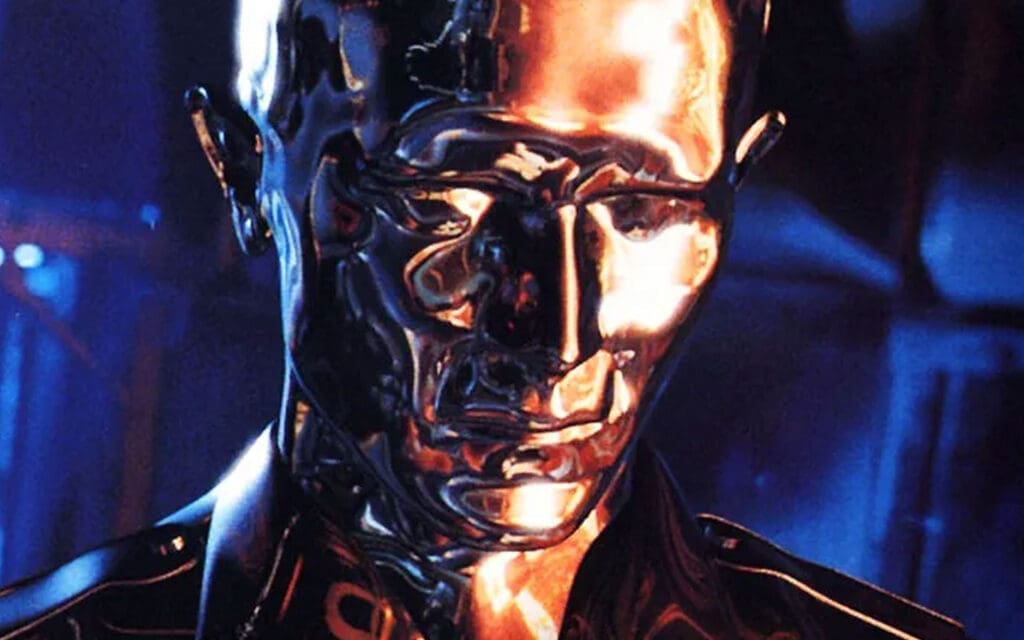
Terminator 2 used CGI to create the liquid-metal T-1000, and the effect still looks shockingly clean. James Cameron paired those digital moments with practical stunts, makeup, and real action scenes, so the CGI never feels isolated. The movie understood that a visual effect works best when everything around it feels physical.
2. The Fifth Element (1997)
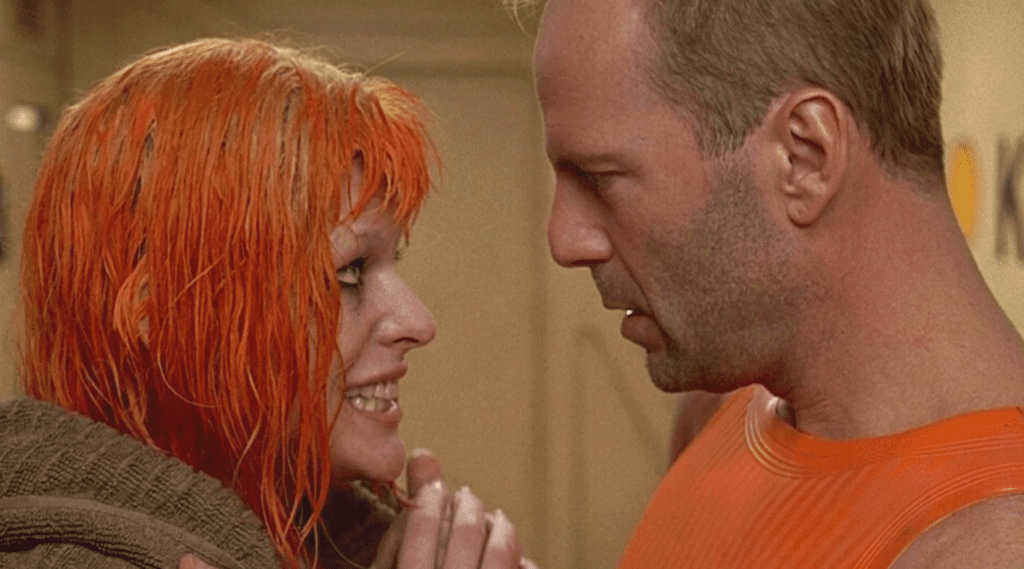
The Fifth Element uses CGI as part of its colorful, over-the-top future rather than aiming for gritty realism. Flying cars, strange technology, and futuristic cityscapes all fit the movie’s comic-book energy. Some shots look of their era, but the style is so bold and playful that the effects still feel fun instead of cheap.
1. The Lord of the Rings Trilogy (2001–2003)
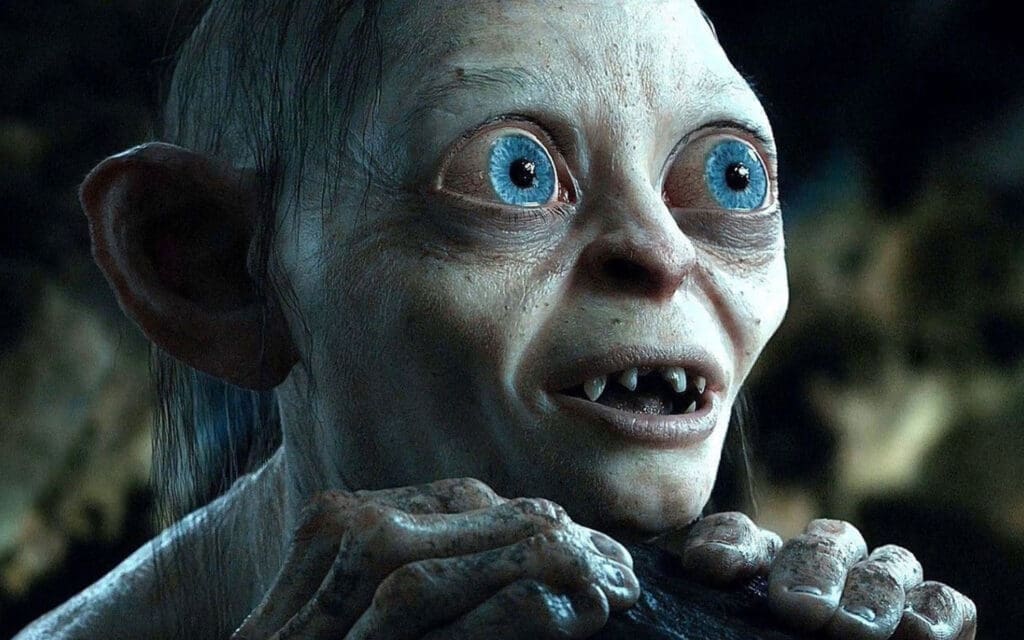
The Lord of the Rings trilogy still stands out because its CGI supports a world that already feels handmade. Gollum remains the obvious achievement, with Andy Serkis’ performance giving the digital character weight, emotion, and personality. The Ents, massive battles, creatures, and environments also work because they are grounded by real locations, costumes, miniatures, and careful staging.
The trilogy proves why older CGI can outlast newer effects. When digital work is built around story and performance, it does not need to look brand new to keep working.
Read More:
- If You Grew Up in the ’70s, These 30 Things Will Hit Home
- 10 TV Shows That Absolutely Nailed Their Endings
- 10 Classic Arcades Every ’80s and ’90s Kid Remembers