
Movies already give fans plenty to obsess over, but some theories go a step further and make the story feel even stranger. They connect tiny clues, explain odd details, or turn familiar characters into something completely different.
Not every theory is canon, of course, but these 10 are convincing enough to make a rewatch feel dangerous.
10. Stan Lee Is a Watcher
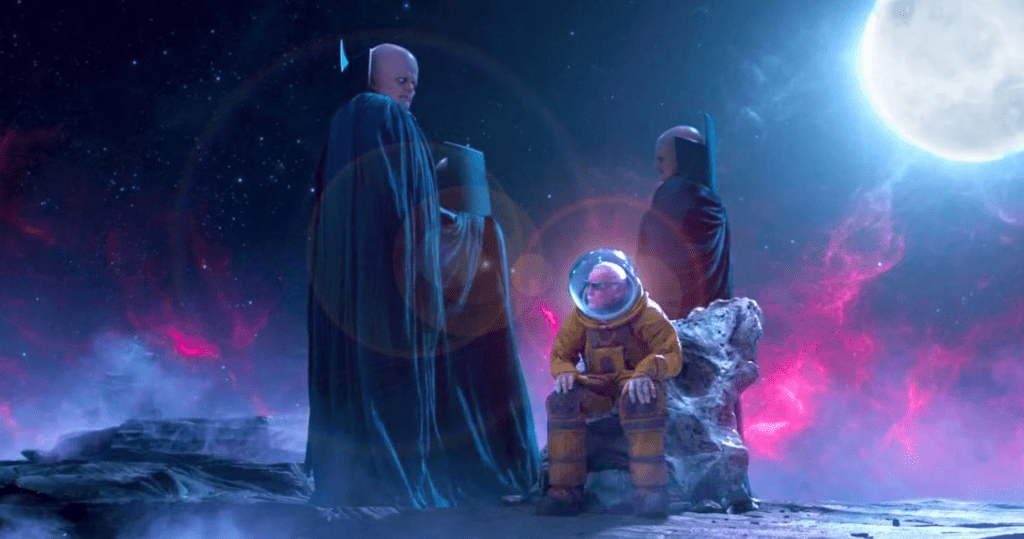
Stan Lee appeared across the Marvel Cinematic Universe in cameos that never quite lined up. He was a security guard, a delivery man, a bus driver, and several other random figures, which led fans to wonder whether he was secretly playing the same cosmic observer each time.
Guardians of the Galaxy Vol. 2 nodded to that idea by showing Lee talking to actual Watchers, making the theory feel almost official.
9. Cobb’s Real Totem in Inception Is His Wedding Ring
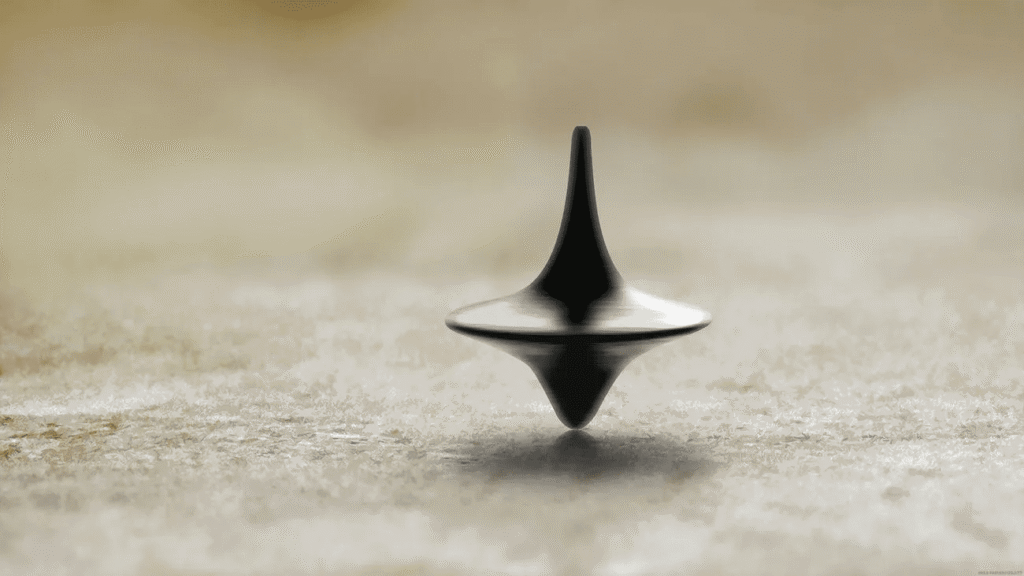
Most viewers focus on the spinning top at the end of Inception, but some fans argue that Cobb’s real totem is his wedding ring. The ring appears when he is dreaming and is absent in scenes believed to be reality, including the ending. That detail suggests the final scene may be real, even if the movie refuses to hand viewers an answer.
8. Donkey Was Once a Kid From Pleasure Island
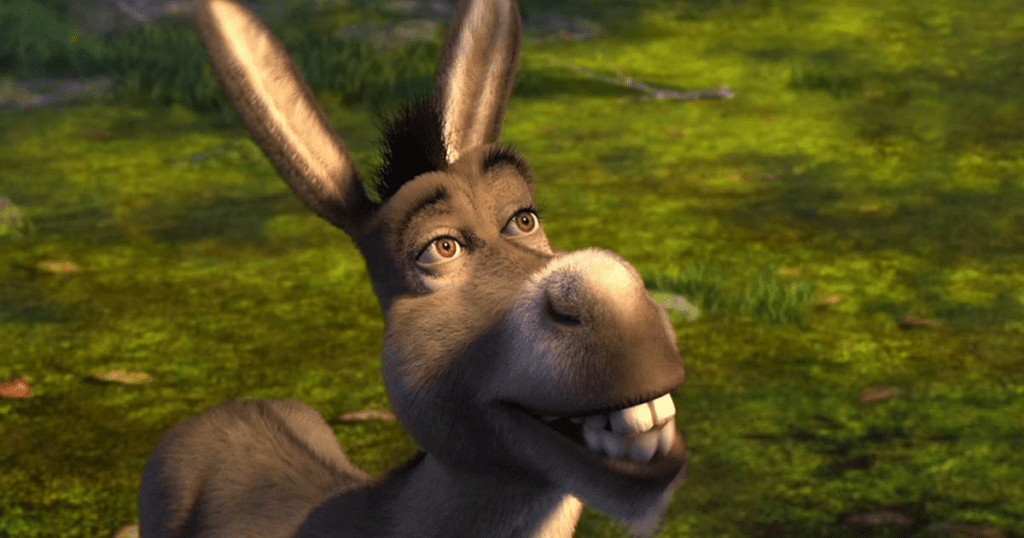
This theory connects Shrek to Pinocchio in a surprisingly unsettling way. In Pinocchio, misbehaving boys on Pleasure Island are transformed into donkeys and sold off, while Donkey in Shrek is the only talking donkey we meet.
Fans have wondered whether he was once one of those children and simply never changed back, which makes his nonstop chatter feel a lot less random.
7. Mad Max Is a Wasteland Folk Tale
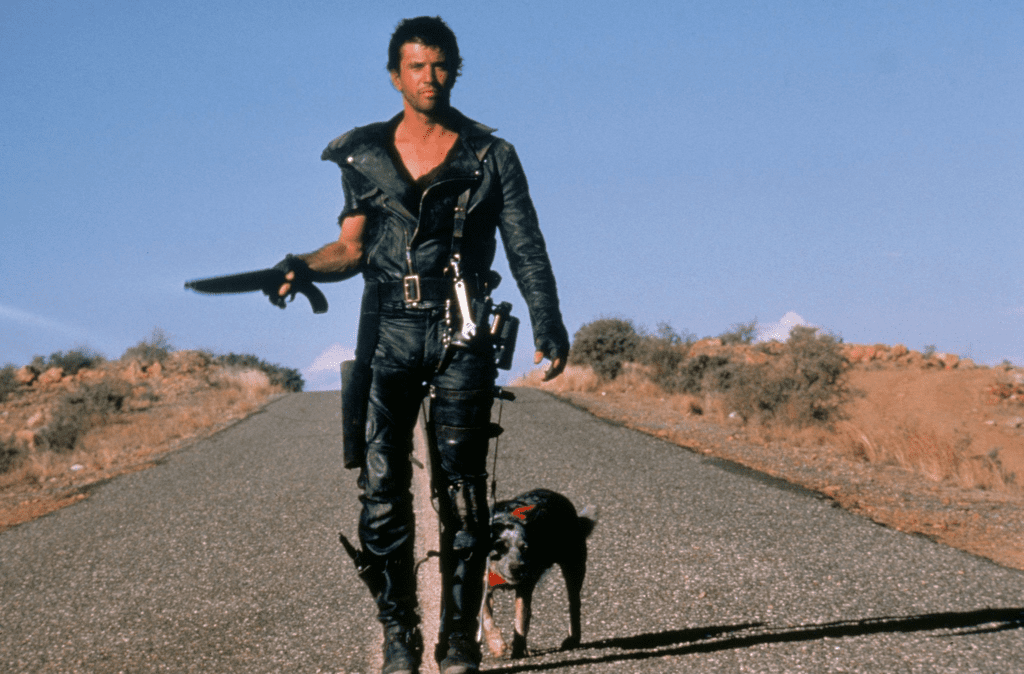
The Mad Max timeline can be hard to pin down because each movie shifts tone, style, and details around Max Rockatansky. One theory says that is the point: Max is not being presented as one clean, literal biography.
Instead, each film is a different wasteland retelling of the same folk hero, passed down by survivors who reshape the story to fit their own fears and legends.
6. “James Bond” Is a Codename
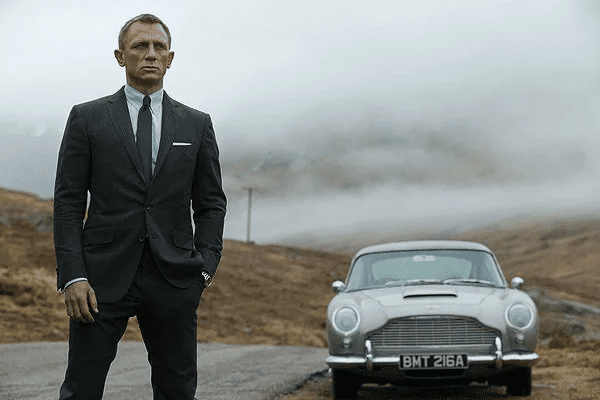
The Bond codename theory argues that different actors are not playing the same man, but different agents using the same MI6 identity. Skyfall complicates that idea by giving Daniel Craig’s Bond a family home and personal history, but fans still point to the franchise’s shifting timeline as evidence.
The idea remains popular because it makes decades of recasting feel like spy-world logic instead of movie math.
5. Willy Wonka Did Not Reward Charlie
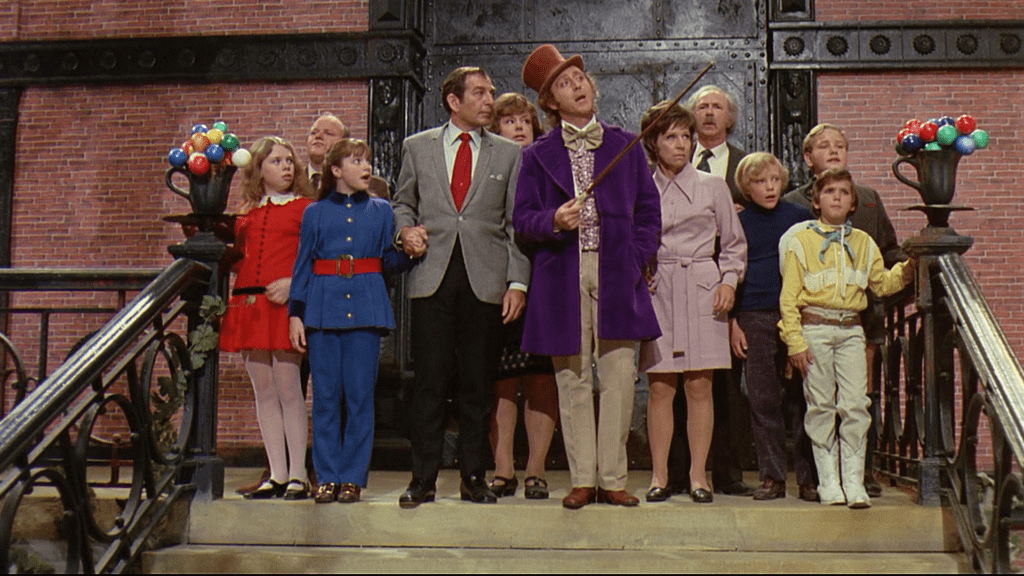
At first, Willy Wonka and the Chocolate Factory looks like a fantasy about a poor boy earning the ultimate prize. A darker theory suggests Charlie did not win freedom, but inherited Wonka’s isolation.
The factory is magical, but it is also strange, dangerous, and cut off from ordinary life. Charlie may be stepping into the same lonely role Wonka was desperate to escape.
4. Snowpiercer Is a Secret Wonka Sequel
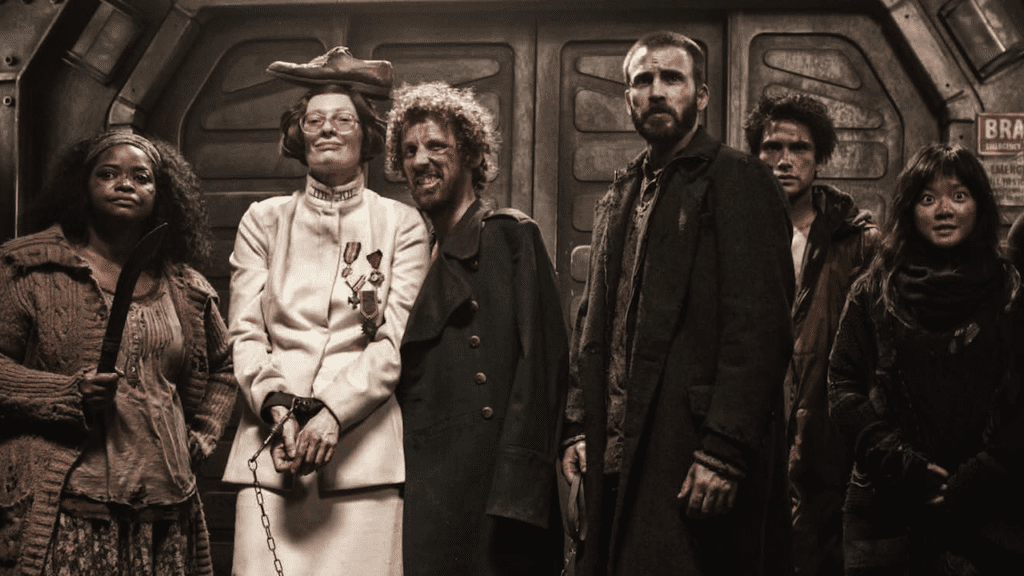
The Snowpiercer theory takes the Wonka idea even further. Fans have argued that Wilford, the man behind the train, is actually an older Charlie Bucket who used Wonka’s technology to build humanity’s last moving refuge.
It is a wild leap, but the themes line up neatly: a mysterious inventor, a controlled environment, strange food systems, and children treated as part of a larger social experiment.
3. Tarantino’s Movies Share a Connected Universe
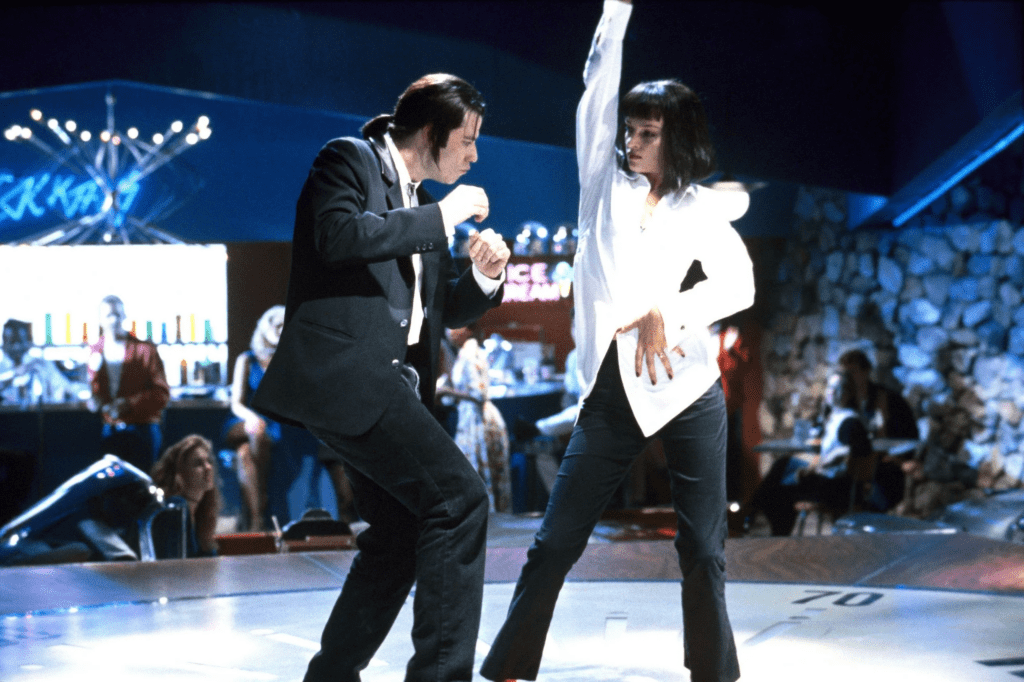
Quentin Tarantino has long filled his movies with names, brands, and family connections that make fans look twice. Vic Vega from Reservoir Dogs and Vincent Vega from Pulp Fiction are the clearest examples, since they are brothers.
That connection helped fuel the larger theory that many Tarantino films take place in one shared world, where crime, revenge, and cool dialogue apparently run in the family.
2. Tarantino Has a “Real” World and a “Movie” World
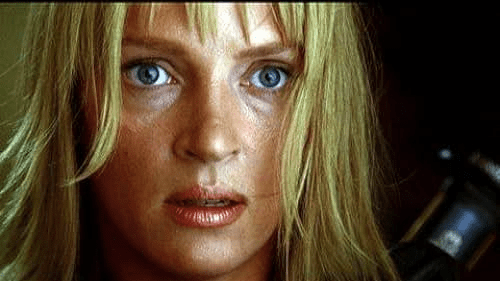
Tarantino has also explained that his films exist in two related universes. Some stories, like Pulp Fiction and Django Unchained, belong to the “realer” world, while movies like Kill Bill and From Dusk Till Dawn are closer to films people inside that world might watch.
1. The Pixar Theory Connects Every Movie
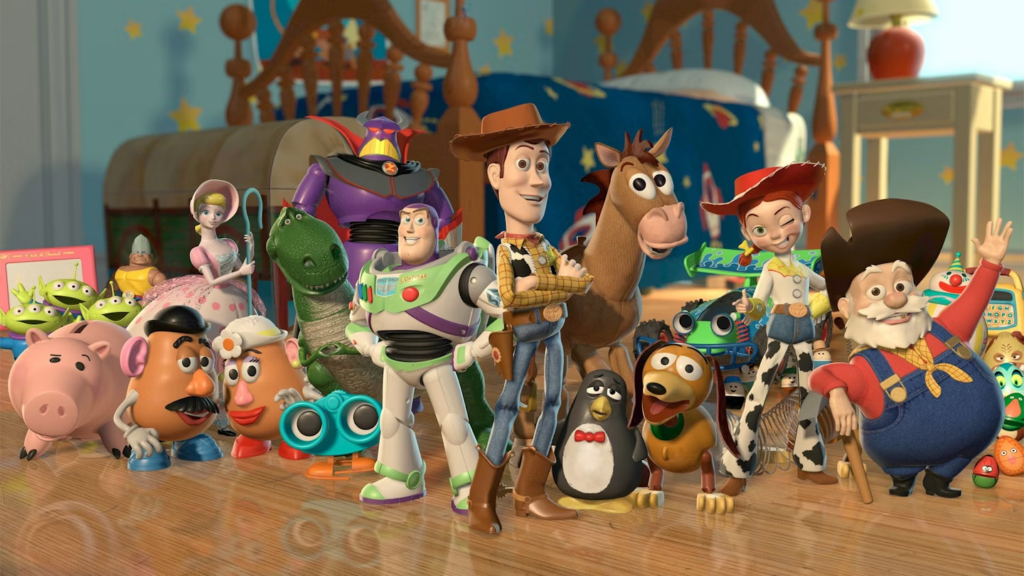
The Pixar Theory claims every Pixar film exists in one massive timeline, from ancient magic to future robots and talking toys. Fans point to Easter eggs, recurring objects, and shared visual references as clues that the movies are secretly connected. The timeline gets messier with every new release, but that has not stopped people from trying to fit the pieces into one giant story.
The theory may never be fully confirmed, and it probably works better as fan fun than strict canon. Still, that is why it lasts. It turns Pixar’s familiar Easter eggs into a puzzle, and movie fans love nothing more than a puzzle.
Read More:
- 10 TV Shows That Absolutely Nailed Their Endings
- 15 Cartoons From the 80s Gen X Still Has Memorized
- 10 Classic Arcades Every ’80s and ’90s Kid Remembers