
The modern workforce includes jobs that would have seemed impossible a century ago. Social media managers, app developers, and drone operators would have sounded like science fiction to earlier generations.
But the opposite is also true. History is full of occupations that were once essential but have completely disappeared thanks to technological advances, changing lifestyles, and shifting industries.
Here are 12 strange jobs that no longer exist.
12. Knocker-Up

Before alarm clocks became affordable and reliable, many people needed help waking up for work.
Knocker-ups were hired to wake clients at a specific time each morning. Armed with long sticks, bamboo poles, or pea shooters, they tapped on bedroom windows until the customer got out of bed.
In industrial cities throughout Britain and Ireland, knocker-ups remained common well into the early 20th century.
11. Ice Cutter

Long before electric refrigerators, ice was a major industry.
Ice cutters spent winters harvesting massive blocks of ice from frozen lakes and rivers. The ice was stored in insulated ice houses and delivered throughout the year to homes, businesses, and restaurants.
The rise of mechanical refrigeration eventually made the profession obsolete.
10. Pinsetter
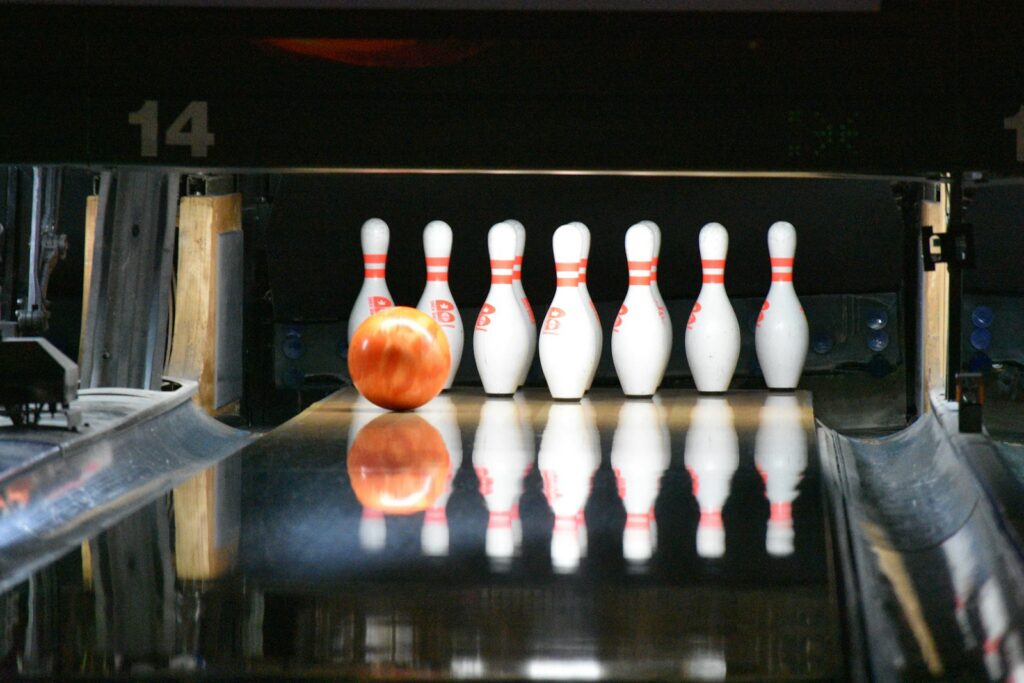
Before automatic bowling equipment, someone had to reset the pins after every frame.
Pinsetters, often children or teenagers, worked in cramped spaces behind bowling lanes. They quickly arranged pins, returned bowling balls, and stayed alert to avoid injury from flying equipment.
Automatic pinsetting machines largely replaced them during the mid-20th century.
9. Switchboard Operator
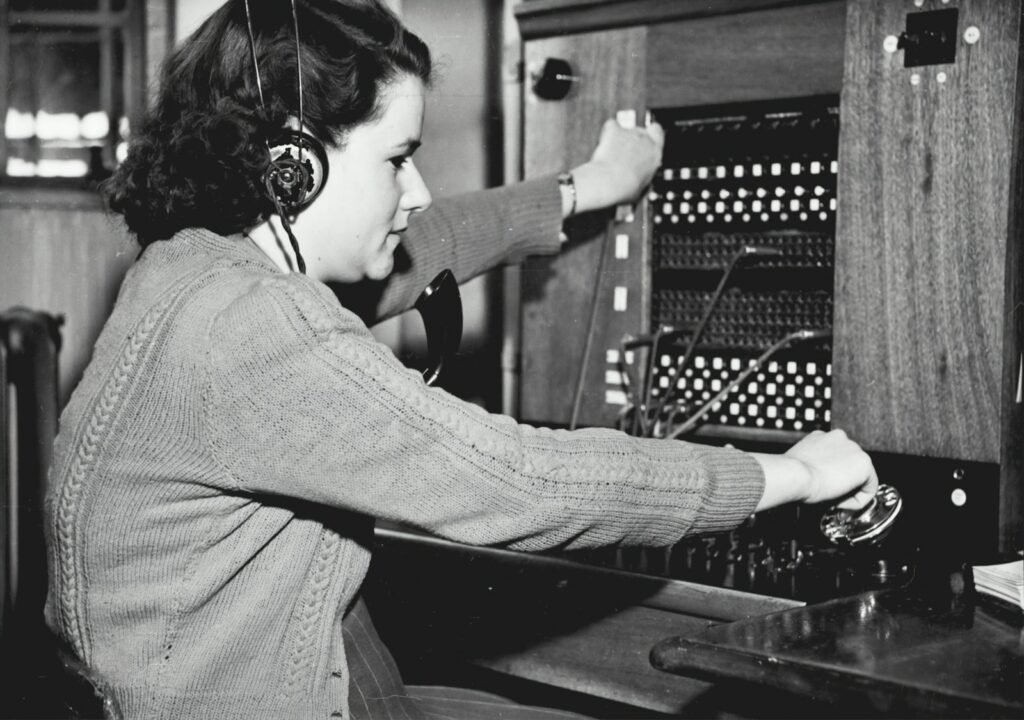
Making a phone call once required human assistance.
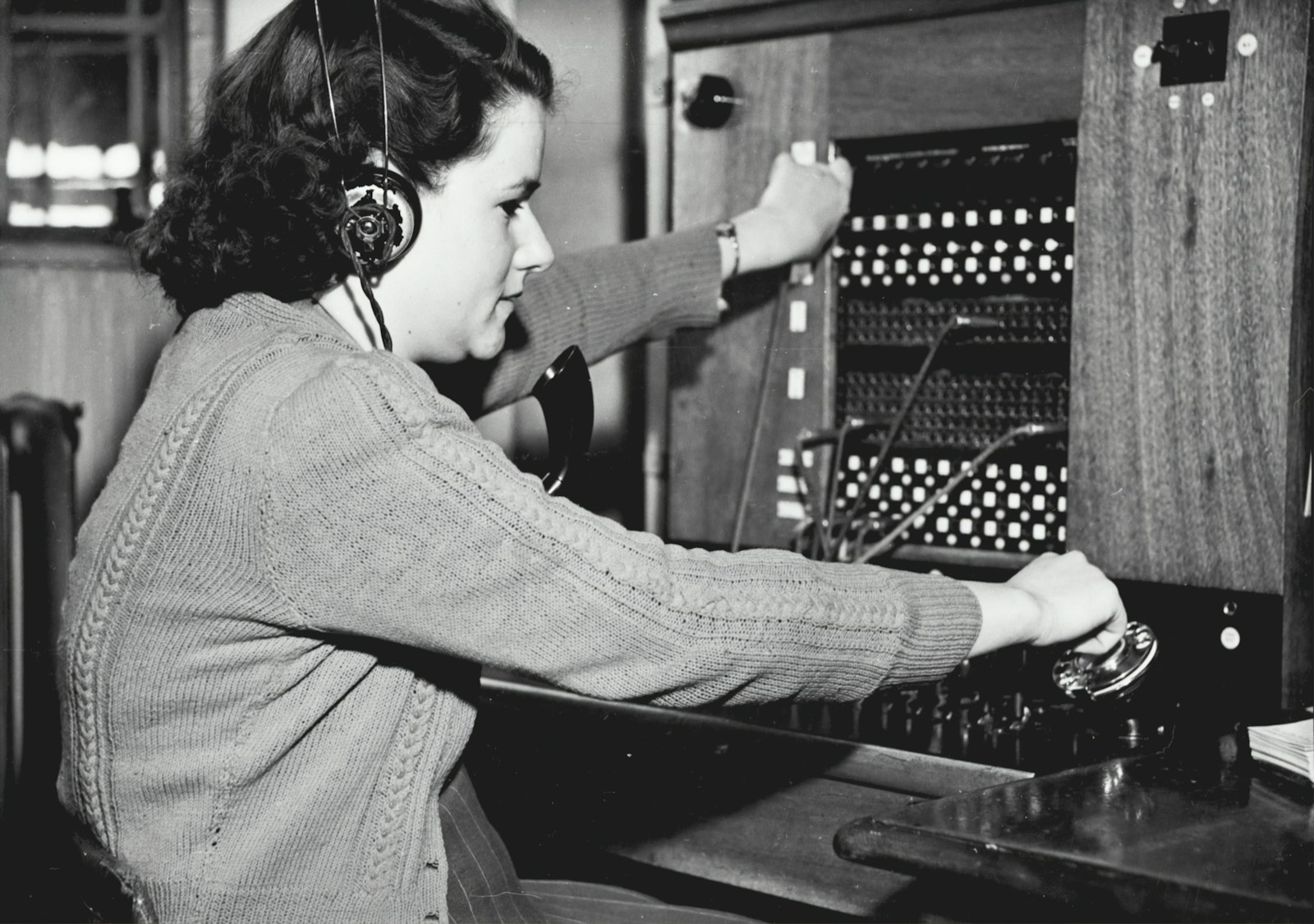
Switchboard operators manually connected callers by plugging wires into large switchboards filled with sockets and cords. Operators often knew local residents personally and served as an important part of community communication.
Automation gradually replaced most operators during the second half of the 20th century.
8. Rat Catcher
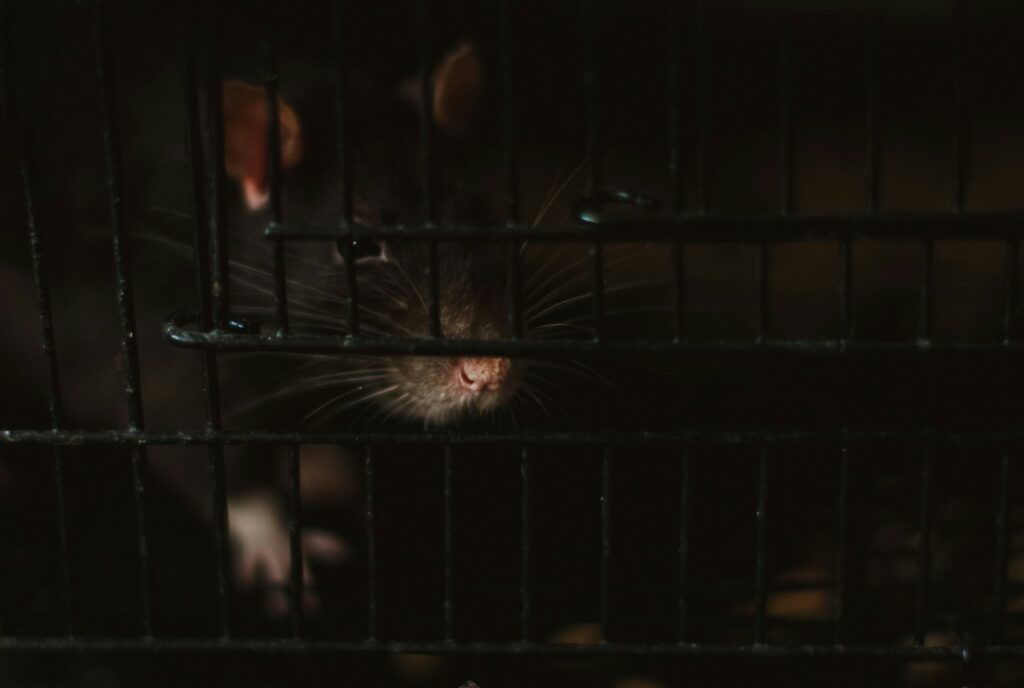
Cities once battled enormous rat populations without modern pest control services.
Professional rat catchers trapped rodents in homes, businesses, warehouses, and city streets. Some even bred dogs specifically trained for rat hunting.
During the Victorian era, rat catching became a surprisingly well-known profession.
7. Lamplighter

Before electric streetlights, cities relied on gas lamps for nighttime illumination.
Each evening, lamplighters walked their routes carrying ladders and lighting tools. They manually lit every lamp at dusk and extinguished them again at dawn.
Electric lighting eventually eliminated the need for this nightly ritual.
6. Town Crier
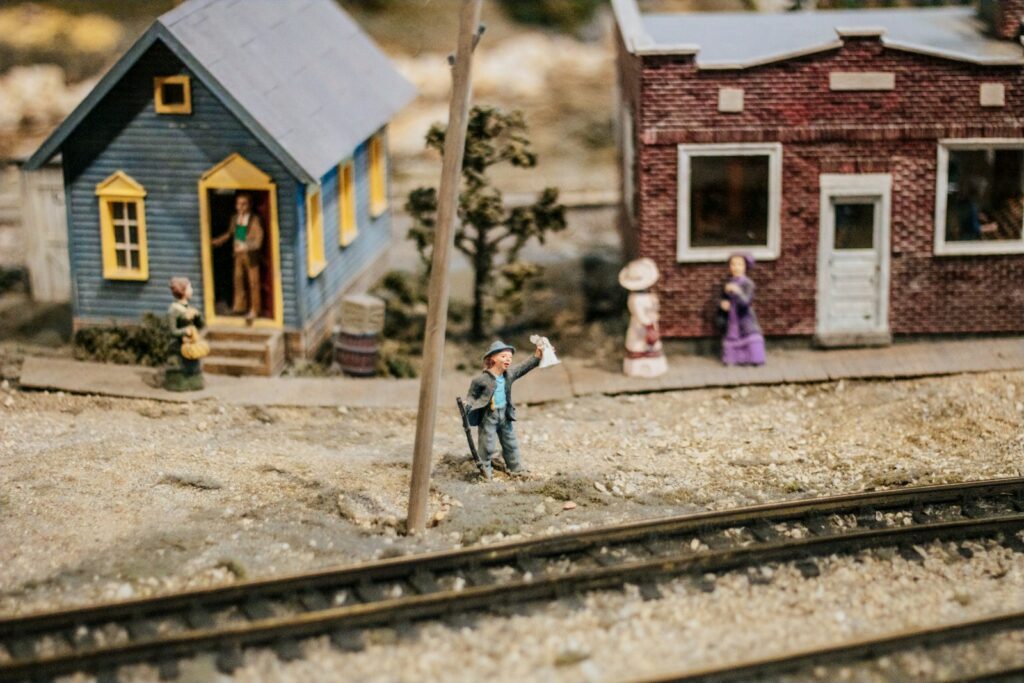
For centuries, many people couldn’t read newspapers or written announcements.
Town criers served as public broadcasters, walking through streets while ringing bells and loudly announcing official news, government decrees, local events, and important updates.
The expansion of literacy, newspapers, radio, and television gradually made the role unnecessary.
5. Milkman

Before widespread refrigeration, fresh milk spoiled quickly.
Milkmen delivered bottles directly to customers’ homes, often before sunrise. Empty bottles were collected and exchanged for full ones during the next delivery.
While a few specialty delivery services still exist today, the traditional milkman has largely disappeared.
4. Elevator Operator

Early elevators required a dedicated operator to run them safely.
Operators controlled speed, opened and closed doors, and aligned elevator cars with each floor. Many became familiar faces in office buildings, hotels, and department stores.
Improvements in automation made self-operated elevators the norm by the mid-20th century.
3. Computer

Yes, “computer” used to be a job title.
Before electronic computers existed, human computers performed complex calculations by hand. They worked in astronomy, engineering, navigation, finance, and scientific research.
Many of these positions were held by highly skilled women whose calculations helped advance science and technology.
2. Leech Collector

Medicine once depended heavily on leeches.
Professional leech collectors gathered them from ponds, marshes, and rivers for use in bloodletting treatments. Some collectors waded into water and allowed leeches to attach directly to their legs to make collection easier.
Demand declined dramatically as medical practices evolved.
1. Telegraph Operator
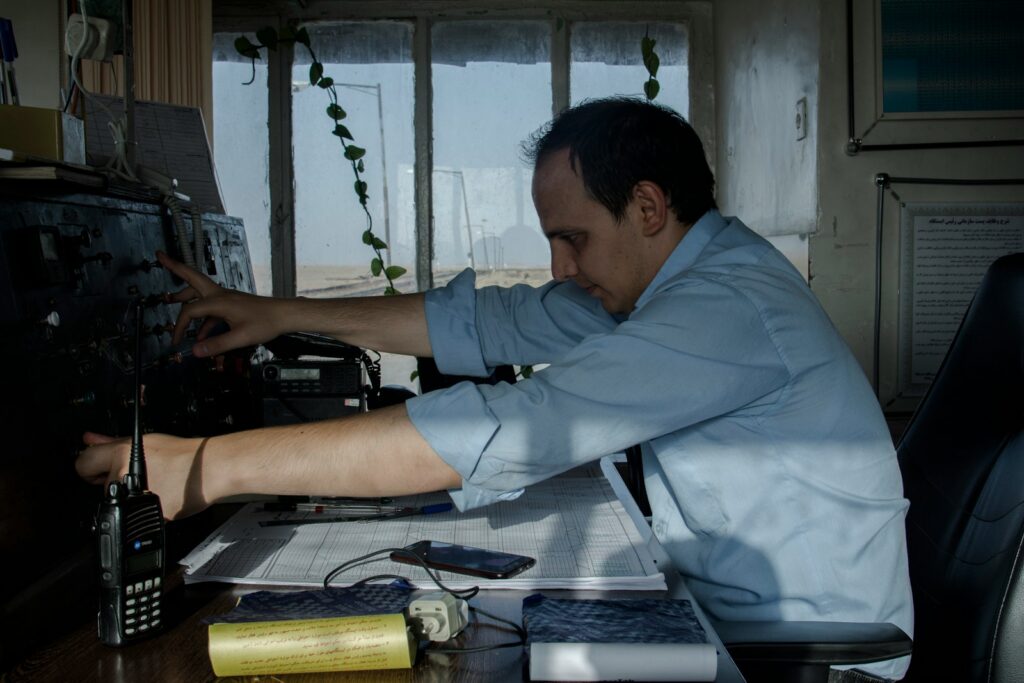
Before telephones and the internet, long-distance communication often relied on telegraphs.
Telegraph operators transmitted and received messages using Morse code. They served as the backbone of communication networks for businesses, railroads, governments, and newspapers.
For decades, this was one of the most important skilled jobs in the world. Today, it’s largely a historical curiosity.
How Technology Eliminated Entire Careers

Most of these professions didn’t disappear because they were unimportant. In fact, they were often essential to daily life.
What changed was technology. Alarm clocks replaced knocker-ups. Refrigerators replaced ice cutters. Elevators became automated. Telephones and computers transformed communication.
As new inventions emerged, entire industries evolved around them while older occupations faded away.
Which Modern Jobs Could Disappear Next?
History suggests that no profession remains unchanged forever.
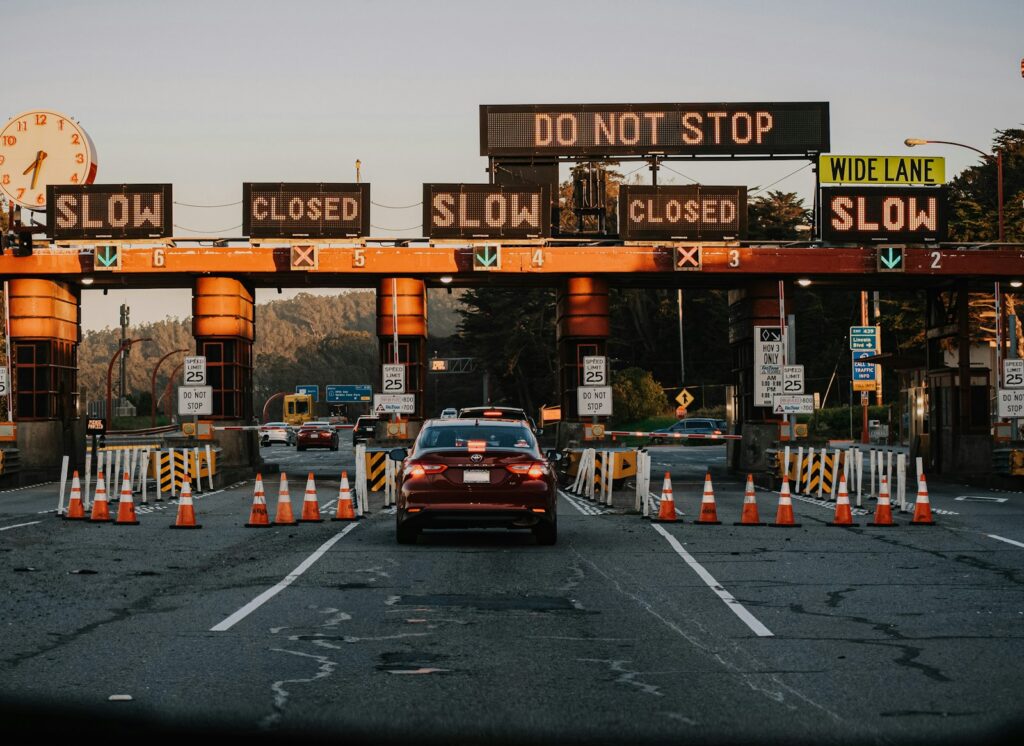
Just as town criers and switchboard operators eventually vanished, some modern jobs may one day seem equally outdated. Future generations may be surprised that people once worked as video rental clerks, toll booth operators, travel agents, or even certain types of data entry specialists.
The strange jobs of the past offer a reminder that work is always changing—and that today’s ordinary careers can become tomorrow’s historical curiosities.
Read More:
- 10 Ancient Cities That Still Puzzle Historians
- 10 “Mandela Effect” Moments That Still Mess With People’s Memories
- 10 Myths You Probably Learned as a Kid—Debunked