

As summer approaches, the rental market is poised for a series of shifts that could impact both tenants and landlords. Understanding these changes can help renters make informed decisions and prepare for what lies ahead. Whether you’re looking for a new place or renewing a lease, it’s essential to stay informed about the current trends.
From evolving pricing strategies to new ways landlords are managing properties, this summer promises to bring both challenges and opportunities for renters. Here are 10 things to expect as a home renter this summer.
10. Competitive Rental Pricing
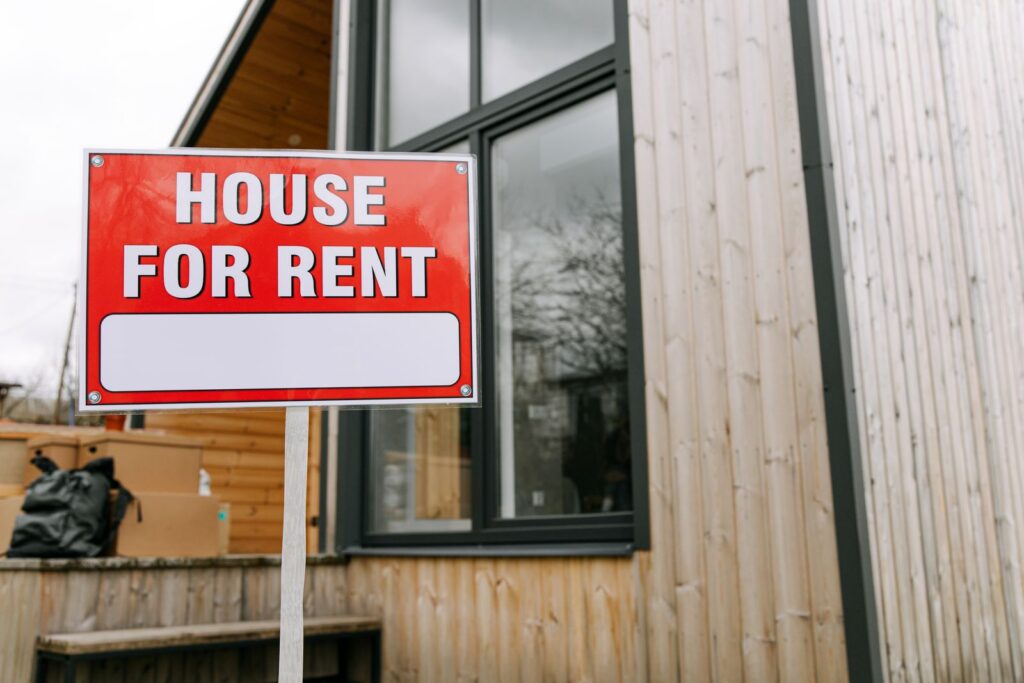
Landlords are increasingly adopting competitive pricing strategies to attract tenants. By underpricing rent slightly below market value, they aim to secure reliable tenants quickly.
This approach not only helps in reducing vacancies but also stabilizes cash flow, ensuring a steady rental income throughout the year.
9. Dynamic Pricing for Short-Term Rentals

The short-term rental market is seeing a shift towards dynamic pricing models. This allows landlords to adjust rent based on demand, maximizing income during peak seasons.
This strategy can lead to fluctuating rental costs for tenants, making it crucial to plan and budget accordingly.
8. Increased Tenant Screening

With an emphasis on securing stable tenants, many landlords are implementing more rigorous screening processes. This includes thorough background checks and credit evaluations.
While this may lengthen the approval process, it ensures a better match between tenant and property, ultimately benefiting both parties.
7. Emphasis on Tenant Retention

Landlords are focusing on retaining existing tenants by offering incentives such as minor renovations, flexible lease terms, or reduced rent increases.
These measures are designed to enhance tenant satisfaction and reduce turnover, which can be costly and time-consuming for property owners.
6. Greater Flexibility in Lease Agreements
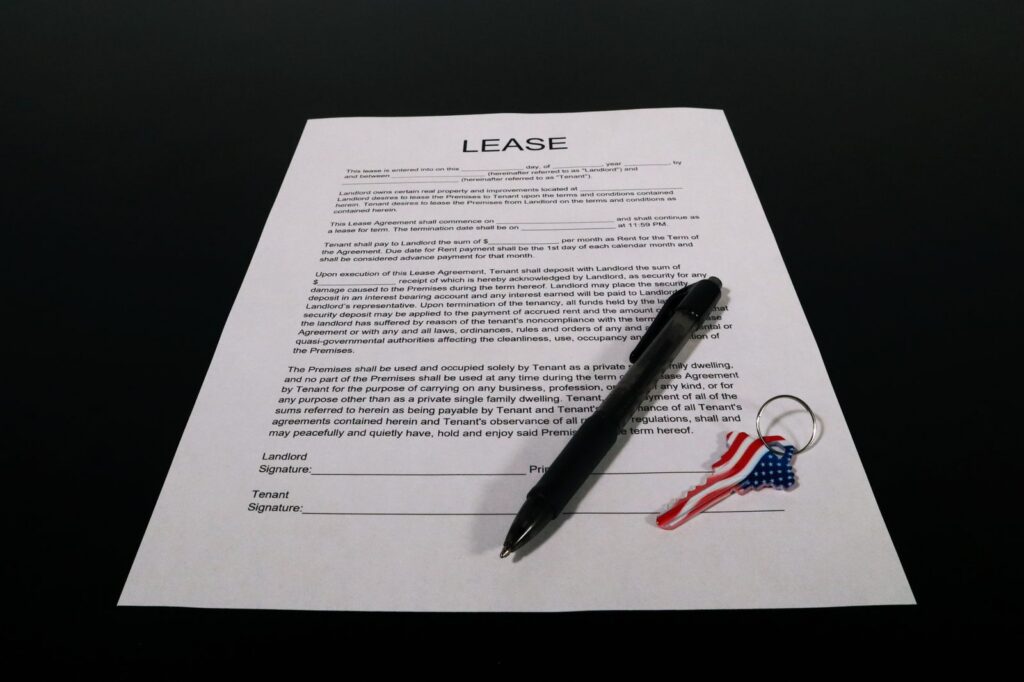
To accommodate diverse tenant needs, landlords are offering more flexible lease agreements. Options such as month-to-month leases or flexible terms may be available in some markets or property types.
This flexibility can be particularly appealing to renters who value adaptability and are unsure of their long-term plans.
5. Enhanced Property Management Services
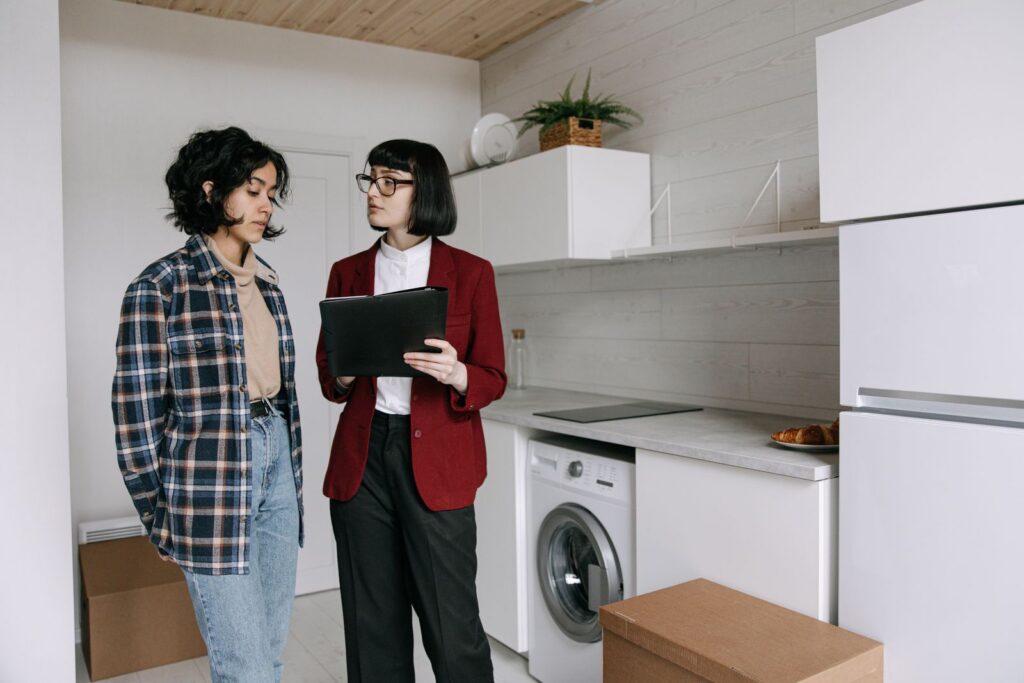
Property management companies are stepping up their services to improve tenant experiences. This includes better maintenance response times and more proactive communication.
Such improvements can lead to a more pleasant living environment and a stronger landlord-tenant relationship.
4. Rise of Virtual Tours

Virtual tours have become a staple in the rental market, allowing prospective tenants to view properties remotely. This trend is likely to continue, providing a convenient option for renters.
It saves time and resources for both parties, making the property selection process more efficient and accessible.
3. Adoption of Smart Home Technology

Smart home technology is becoming more prevalent in rental properties, offering features like smart locks, thermostats, and security systems.
These advancements can enhance convenience and security for tenants, making properties more attractive and competitive in the market.
2. Focus on Energy Efficiency

Energy efficiency is becoming a priority for many landlords, with upgrades to appliances and insulation aimed at reducing utility costs.
These improvements not only appeal to eco-conscious renters but can also result in lower monthly expenses.
1. Increased Demand for Pet-Friendly Rentals

The demand for pet-friendly rentals continues to rise, with more tenants seeking accommodations that welcome their furry companions.
Landlords who adapt to this trend by allowing pets or providing pet amenities can attract a broader tenant base and improve occupancy rates.
Read More:
- 15 Things Nobody Tells You About Building a Tiny Home
- Thinking About Real Estate? Read This First
- 15 Ways to Save for a House Without Making Yourself Miserable