
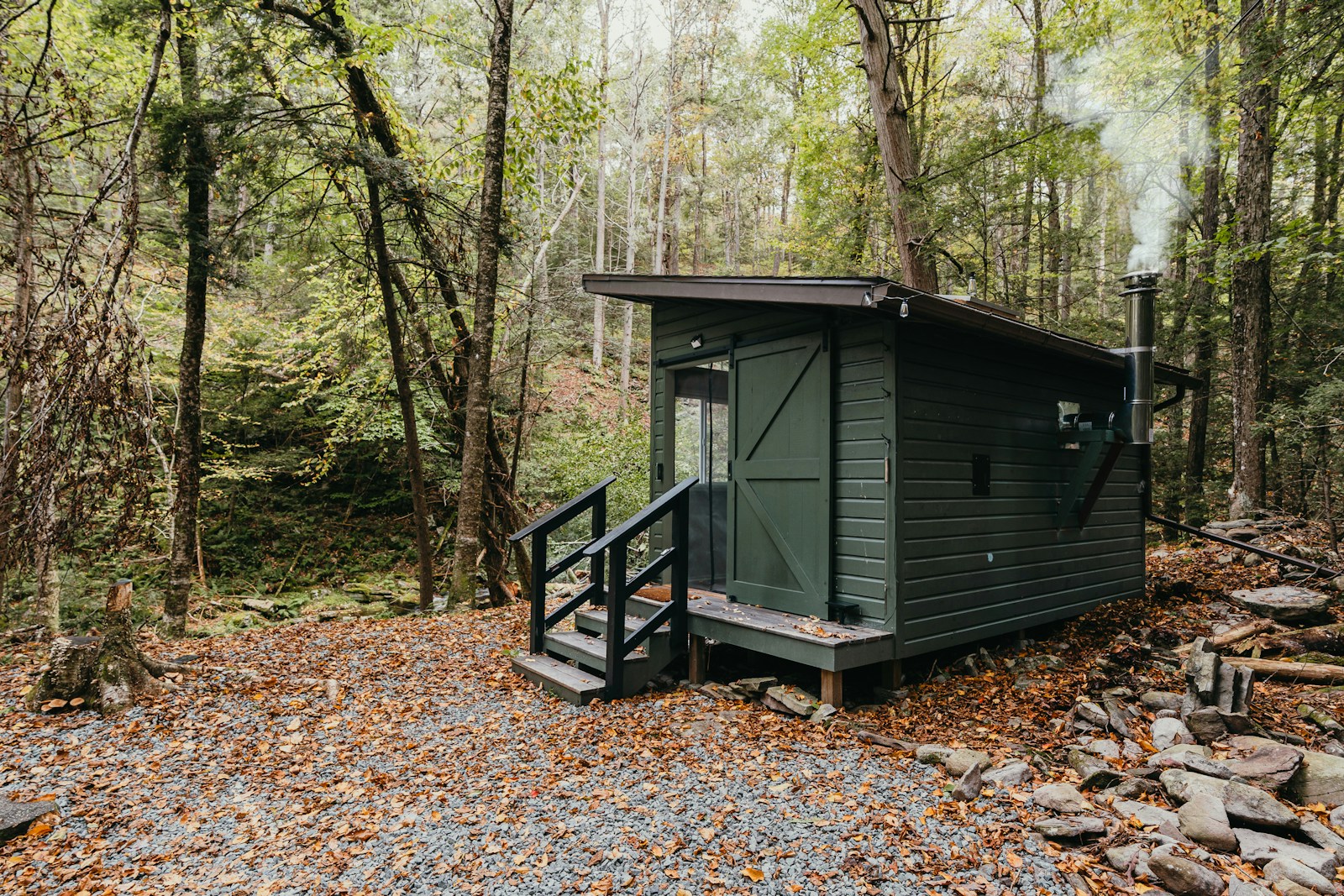
Tiny homes promise freedom, lower costs, and a simpler lifestyle. The idea of owning a beautiful home with less debt, less clutter, and less maintenance is undeniably appealing.
But while the house may be tiny, the decisions aren’t. Before you start sketching floor plans or shopping for trailers, here are 15 important things to know about building and living in a tiny home.
15. Check Local Zoning Laws First
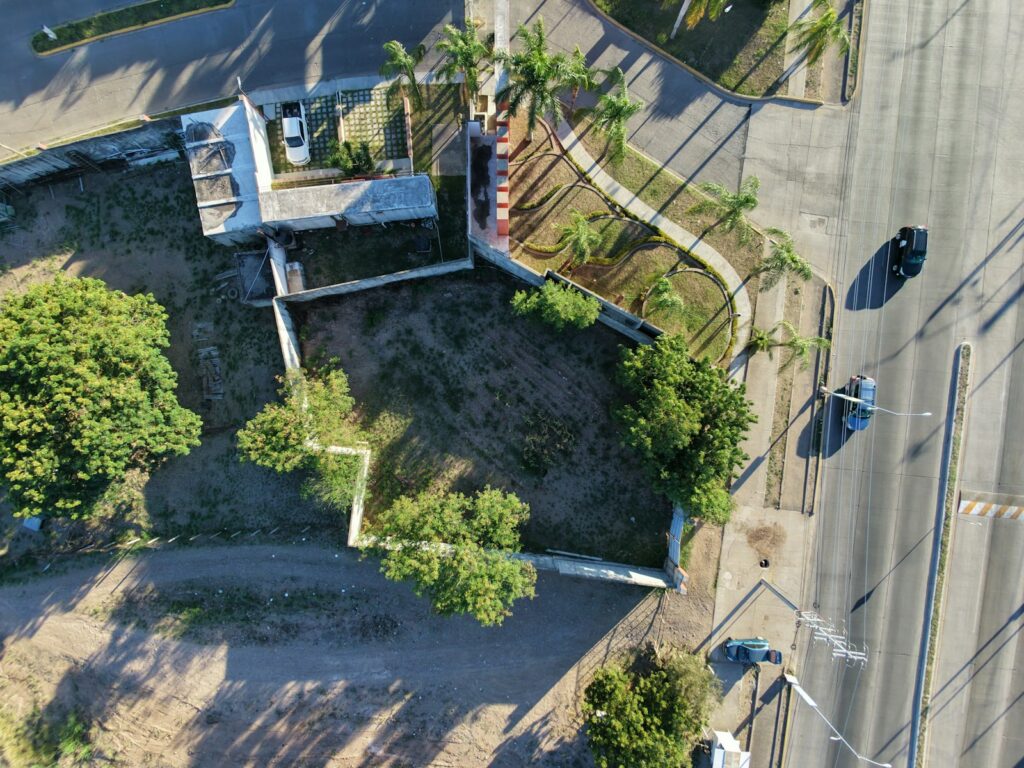
Many aspiring tiny homeowners discover a frustrating reality: building the home isn’t the hard part—finding a legal place to put it is.
Zoning laws, minimum square footage requirements, HOA rules, and local building codes vary dramatically from one location to another. Research these restrictions before spending a dime.
14. Land Can Cost More Than the House
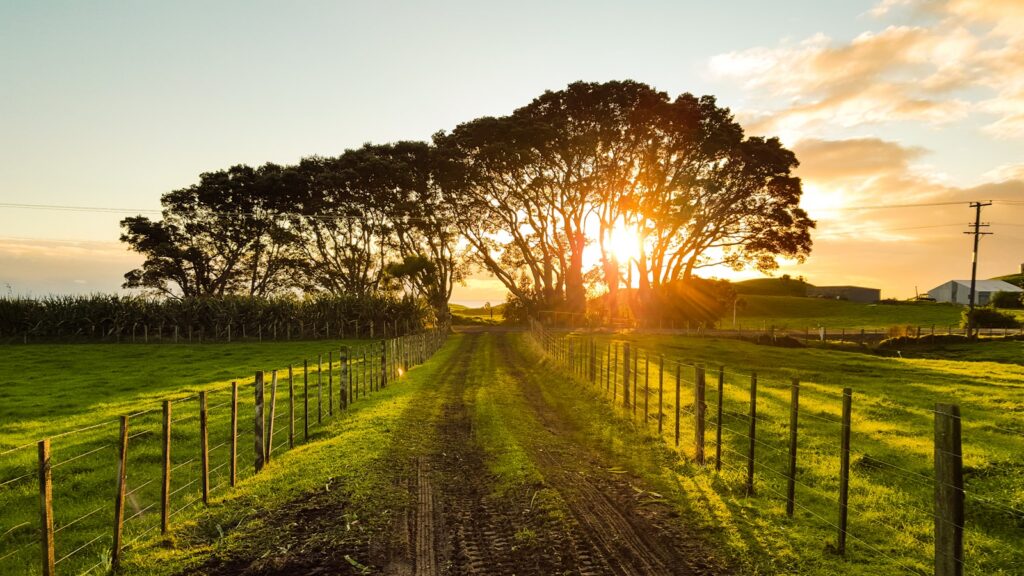
Many people focus on the cost of the tiny home itself and forget about the property underneath it.
In many markets, the land, utility hookups, permits, and site preparation can easily exceed the cost of the structure itself.
13. Decide Early: Wheels or Foundation
A tiny house on wheels is often regulated differently than a permanent structure.
The choice affects everything from financing and insurance to building codes and where you can legally live.
12. Utilities Require More Planning Than You Think
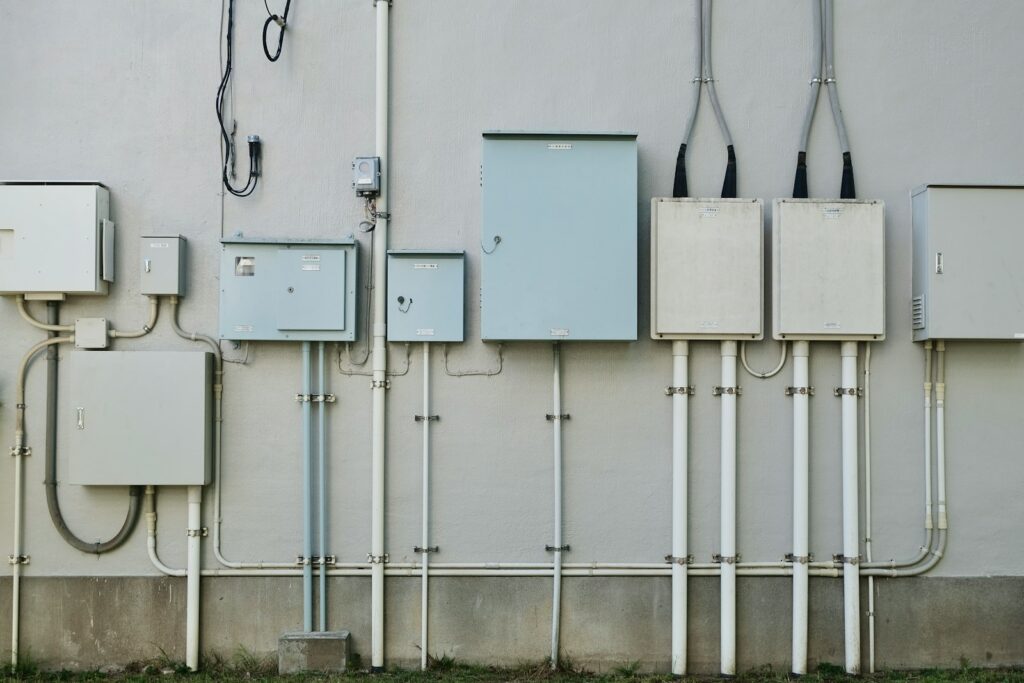
Water, electricity, sewer, internet, and heating don’t magically appear.
Whether you’re connecting to municipal services or going off-grid, utility planning should happen long before construction begins.
11. Tiny Doesn’t Automatically Mean Cheap
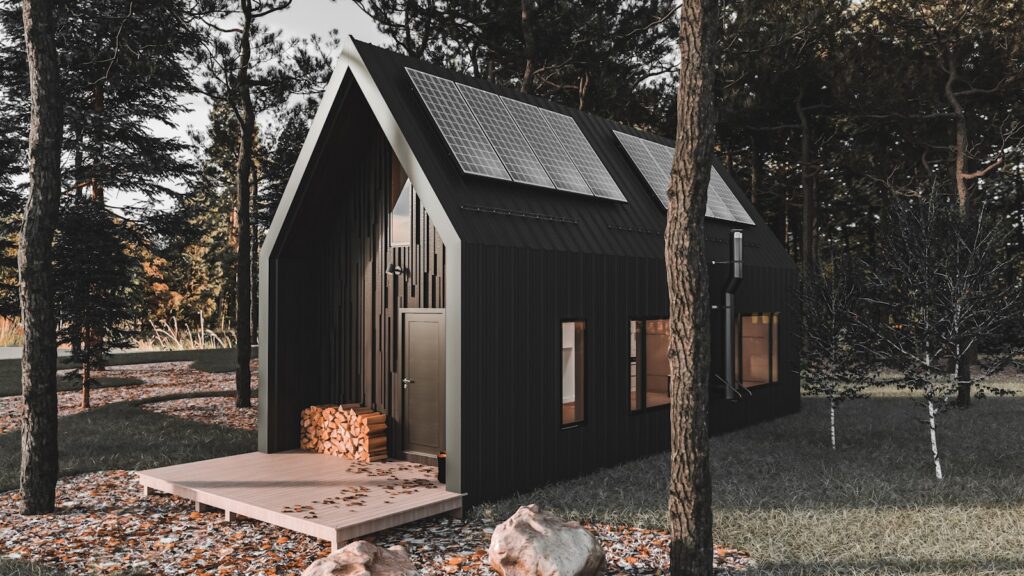
The tiny-home movement is often marketed as an affordable alternative to traditional housing.
While that’s sometimes true, high-quality materials, custom designs, trailers, permits, and labor can push costs higher than many first-time builders expect.
10. Storage Becomes a Lifestyle Choice
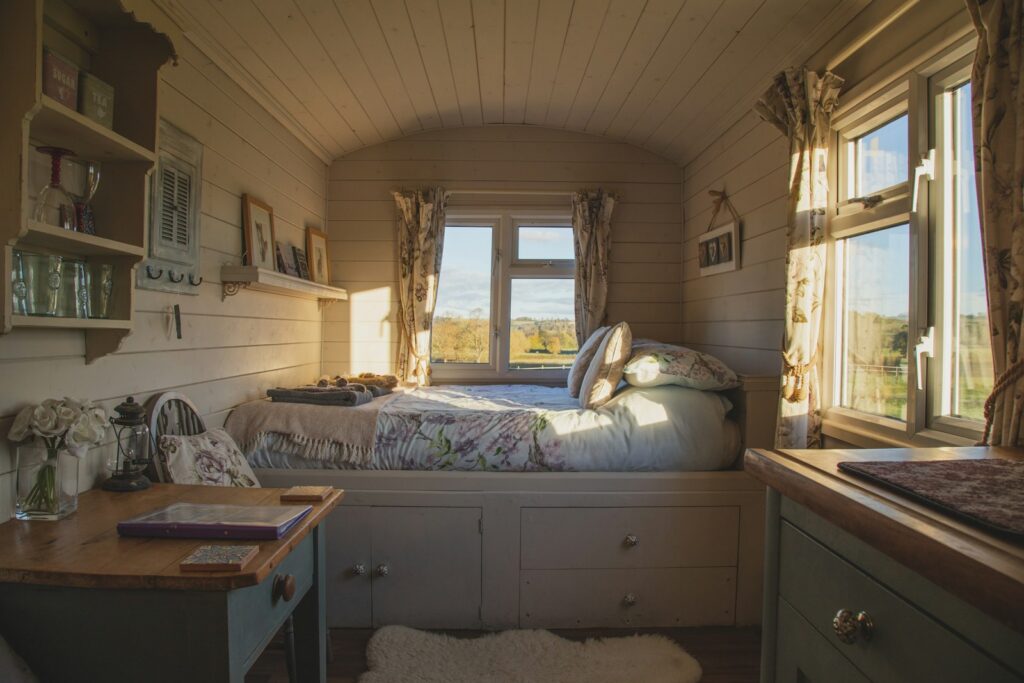
Every item you own needs to earn its place.
Tiny-home living forces you to think differently about clothing, kitchen gadgets, seasonal decorations, hobby equipment, and all the other things that quietly accumulate over time.
9. Rent One Before You Build One
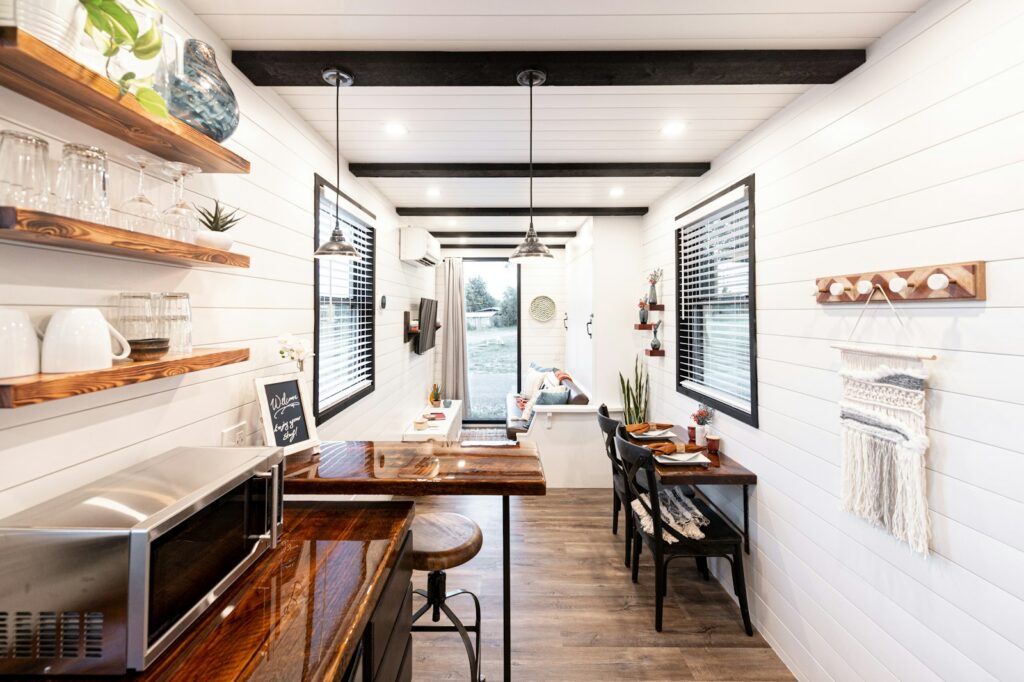
A weekend in a tiny home can teach you more than months of online research.
Some people fall in love with the lifestyle. Others quickly realize they miss having separate rooms and personal space.
8. Climate Matters More in Small Spaces
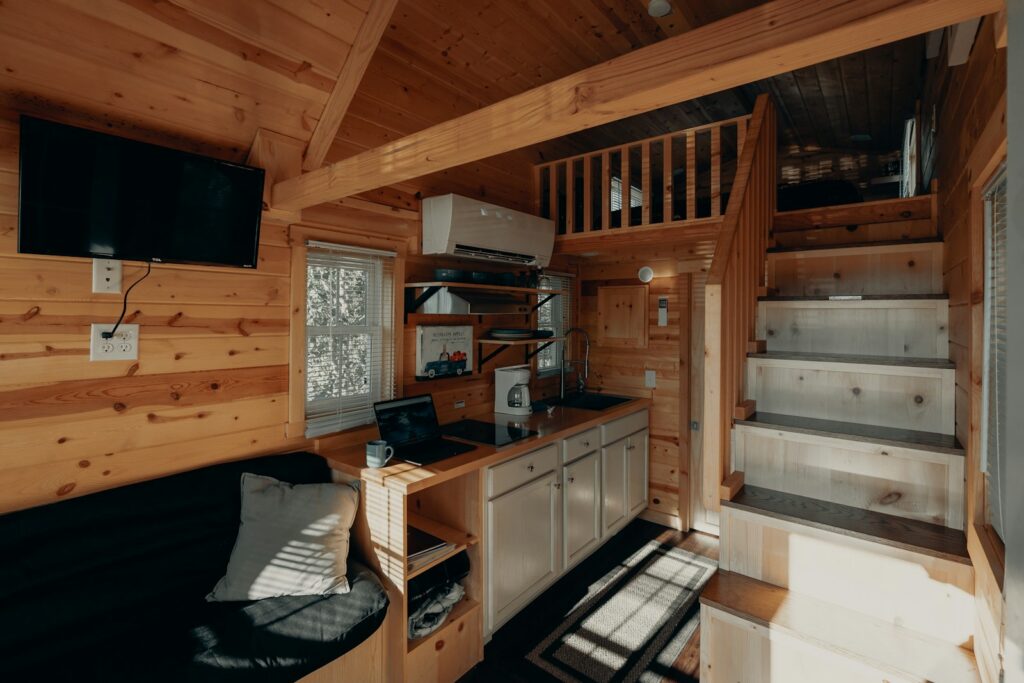
A poorly insulated tiny home can become uncomfortable surprisingly fast.
Heat builds quickly in summer and escapes quickly in winter, making insulation, ventilation, and climate control critical design decisions.
7. Multi-Use Spaces Are Essential
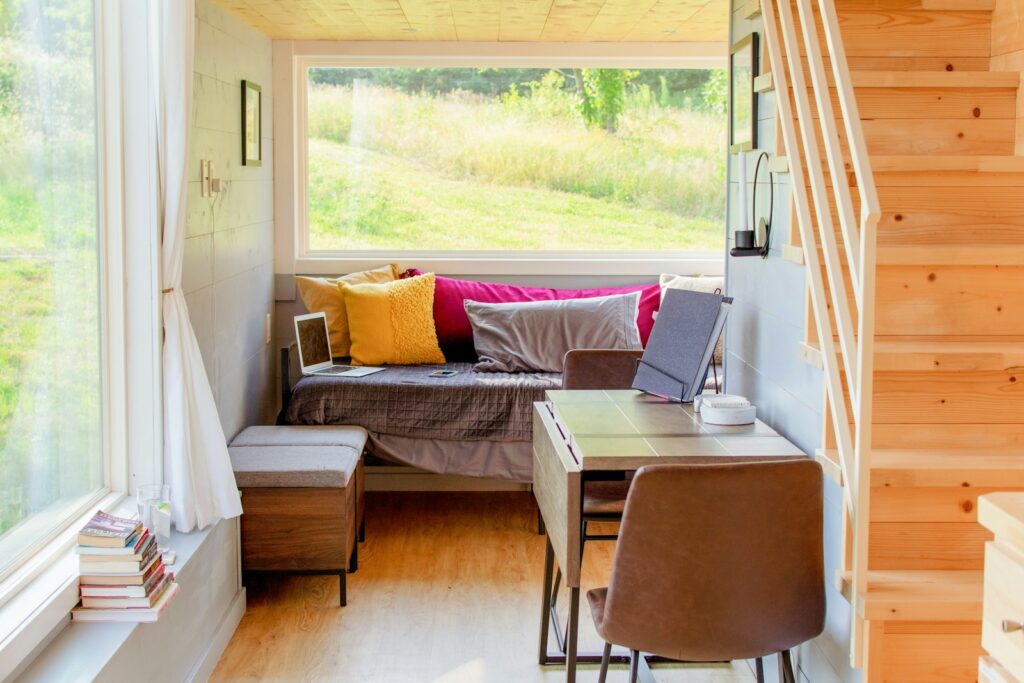
In a tiny home, your dining table may double as a desk. Your couch may become a guest bed. Your staircase may also be a storage unit.
The most successful tiny homes make every square foot work overtime.
6. Insurance Can Be Complicated
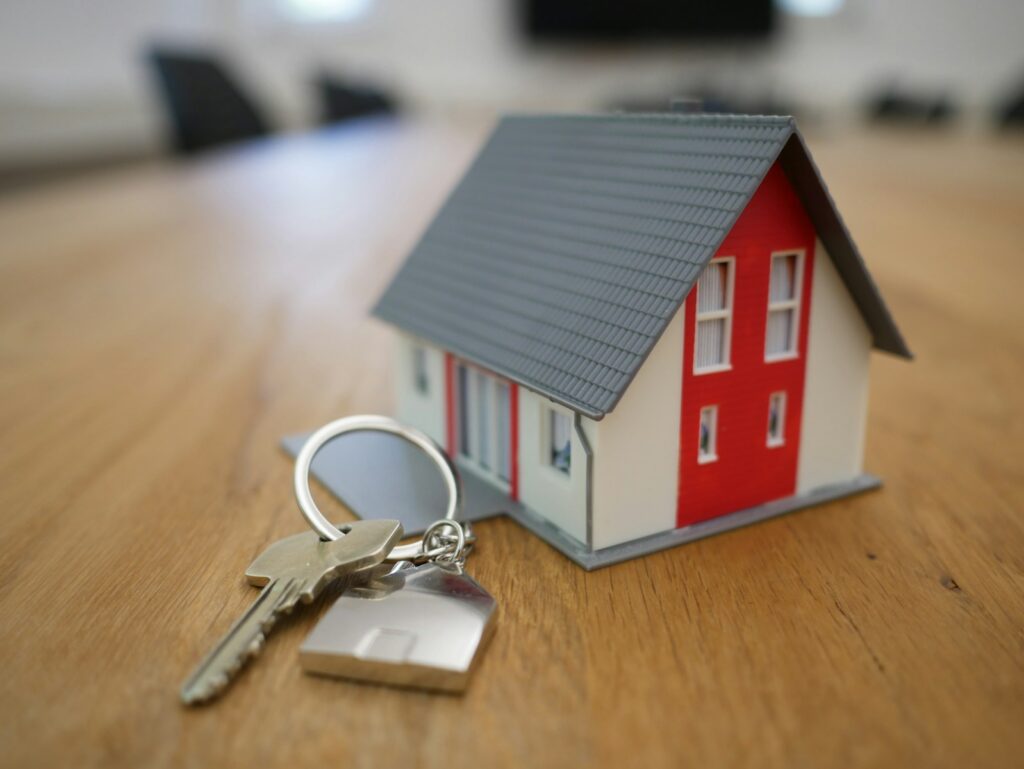
Tiny homes don’t always fit neatly into traditional insurance categories.
Depending on whether your home is mobile or permanent, you may need specialty coverage that isn’t available from every provider.
5. Waste Management Isn’t Glamorous—But It’s Important
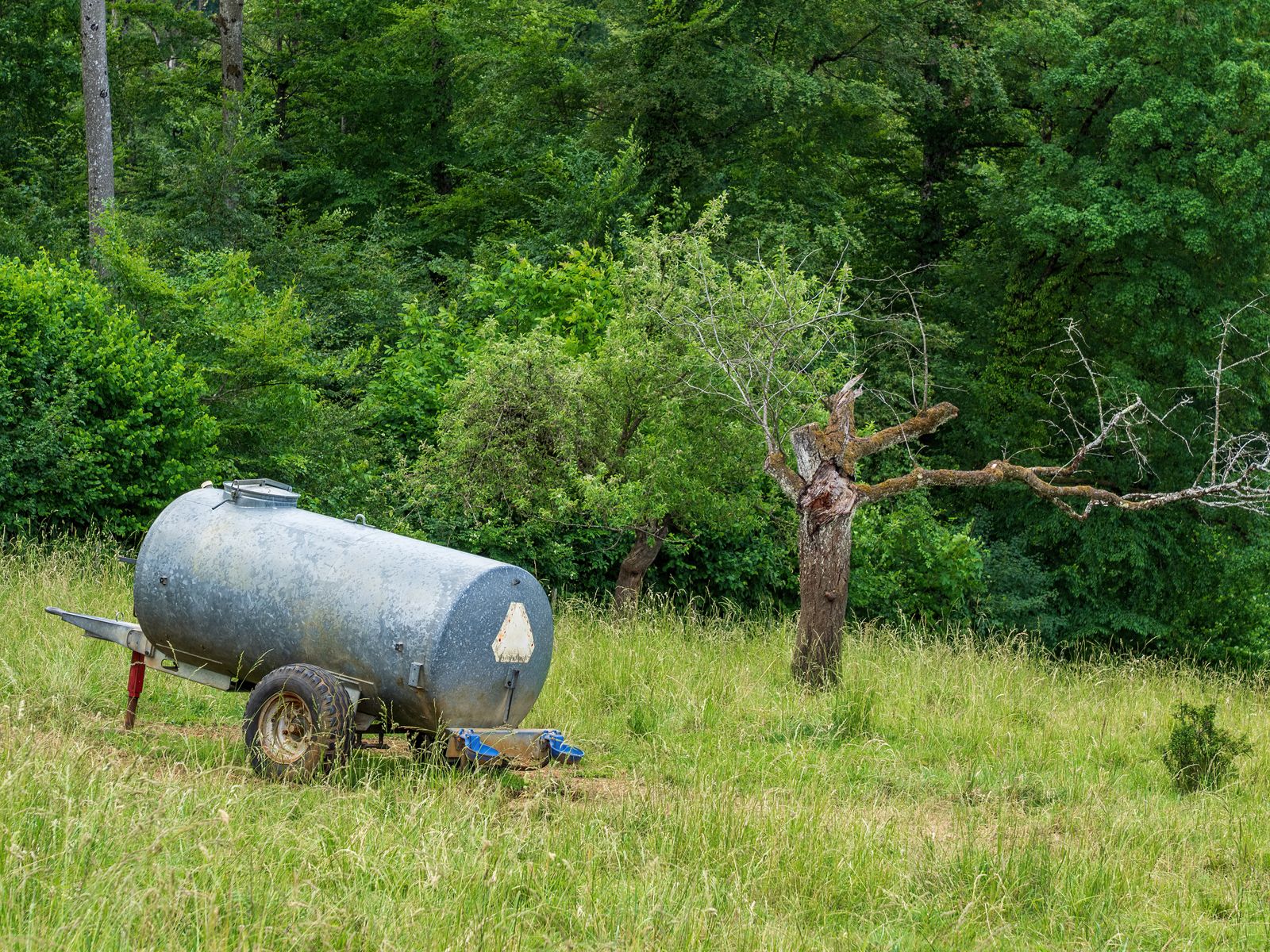
Composting toilets, septic systems, gray-water disposal, and wastewater management rarely make it into tiny-home Instagram posts.
They’re still among the most important parts of the design.
4. Financing Can Be Difficult
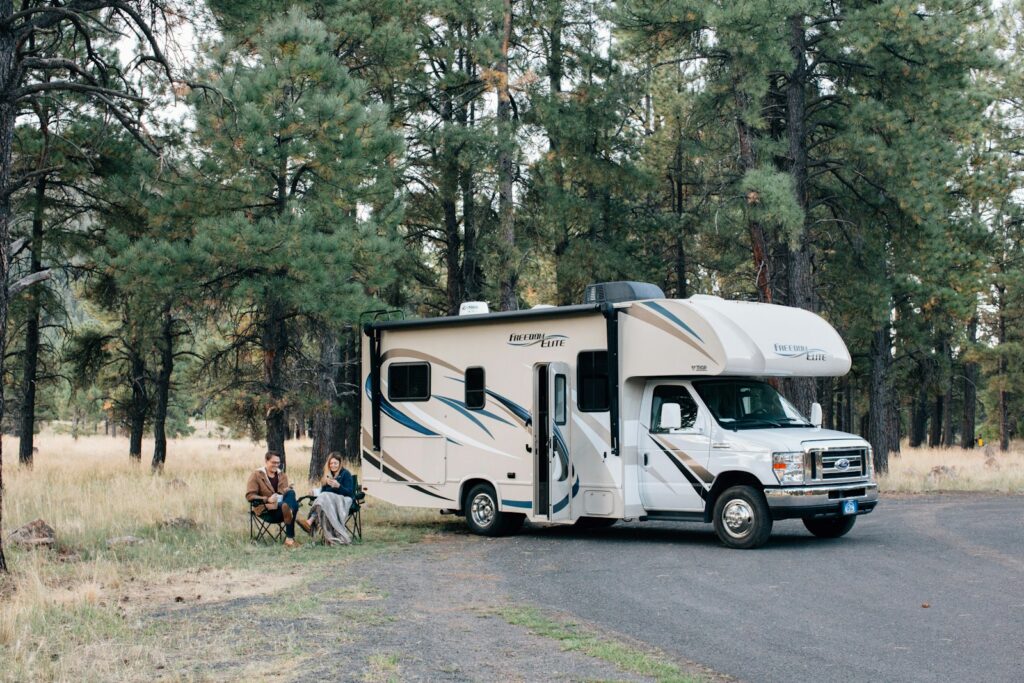
Traditional mortgages often aren’t available for tiny homes.
Many buyers rely on personal loans, RV loans, construction financing, or cash, so it’s important to understand your options before breaking ground.
3. Maintenance Doesn’t Disappear
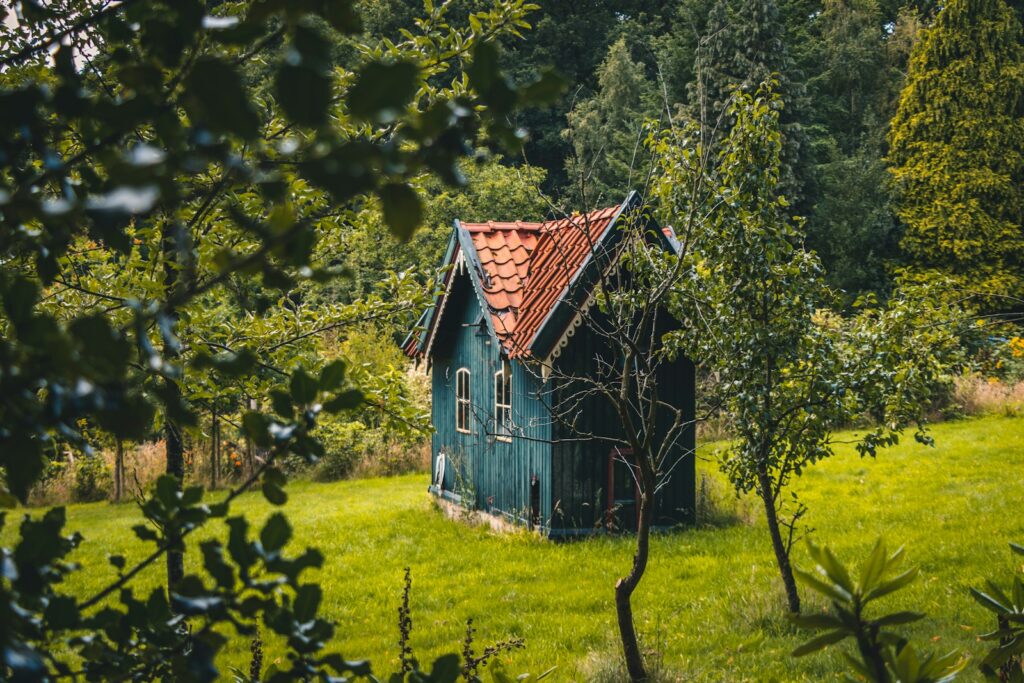
A tiny home may have less square footage, but it still has plumbing, roofing, electrical systems, windows, and appliances.
You’ll spend less time cleaning, but maintenance never completely goes away.
2. Think About Five Years From Now
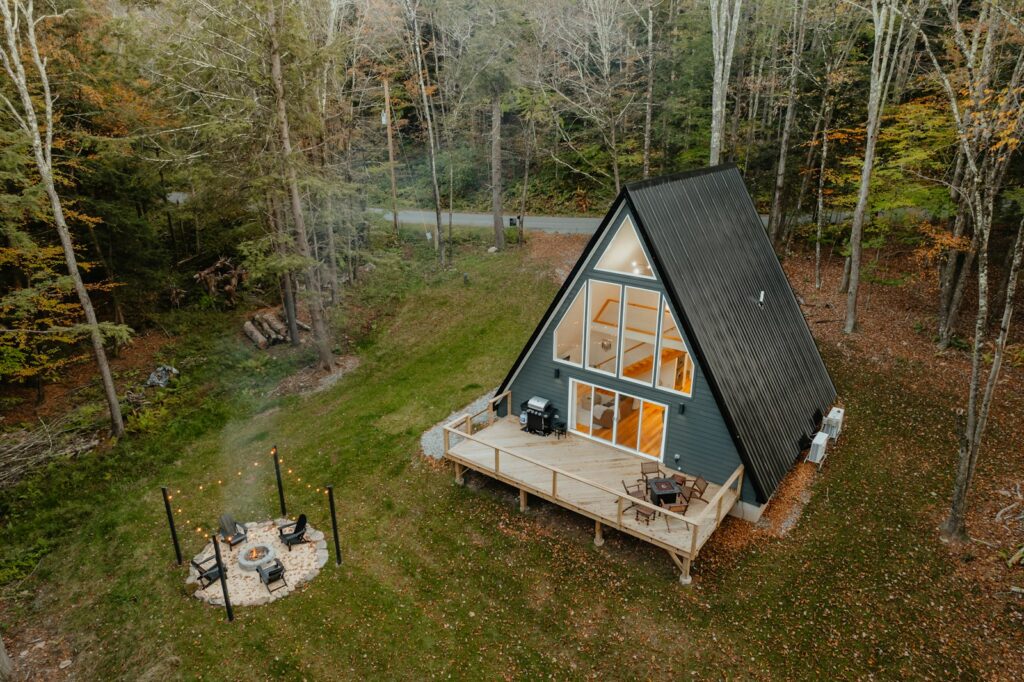
It’s easy to design for your current lifestyle.
It’s harder to design for future pets, remote work, aging in place, hobbies, relationships, or family changes. A little long-term planning can prevent costly modifications later.
1. Tiny Living Is More About Mindset Than Square Footage
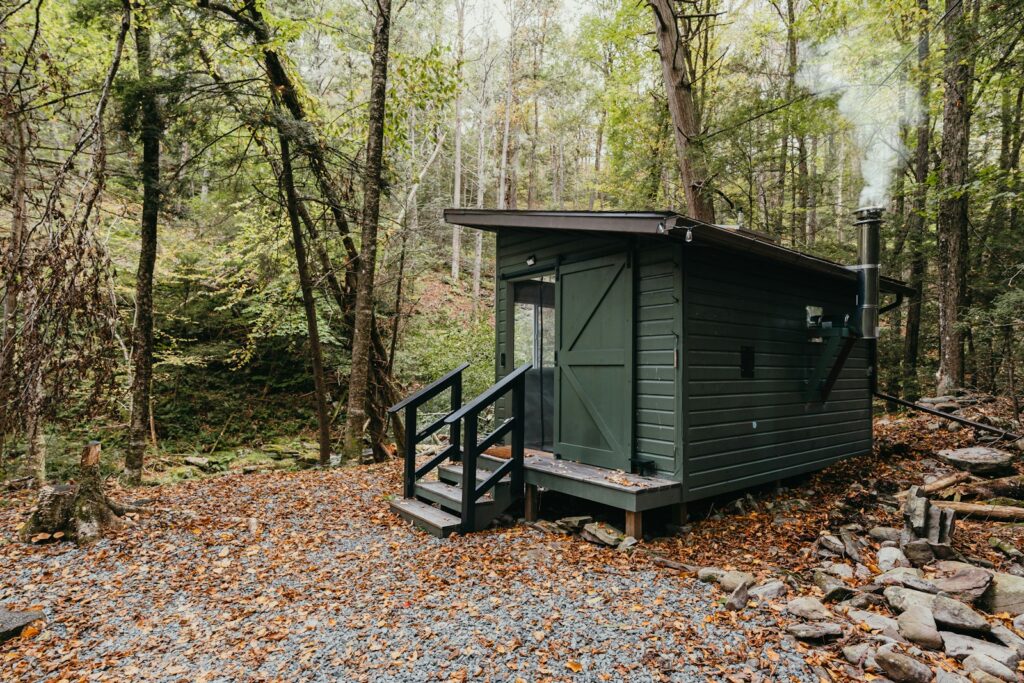
The happiest tiny-home owners tend to have one thing in common: they genuinely enjoy living with less.
A tiny home isn’t simply a smaller house. It’s a different approach to space, possessions, and daily life. If that philosophy appeals to you, the lifestyle can be incredibly rewarding.
Building a tiny home can be one of the most satisfying projects you’ll ever undertake. Just remember that while the home itself may be small, the planning process deserves big attention.
Read More:
- 15 Things Millennials Stopped Buying (And Why It Matters)
- What Social Media Won’t Tell You About Homesteading
- 10 Tips to Start Growing Your Own Food