
Whether you’re job hunting, growing a business, changing careers, or simply building your reputation, your online presence matters more than ever. Before meeting you in person, potential employers, clients, collaborators, and recruiters will often Google your name.
The good news? You don’t need thousands of followers or a viral social media account to make a strong impression. Building a professional online presence is really about showcasing your skills, expertise, and personality in a way that supports your goals.
Here are 10 practical ways to strengthen your digital reputation and stand out online.
10. Google Yourself First
Before building your online presence, find out what already exists.
Search your name on Google and review the first few pages of results. Check image searches, social profiles, old accounts, and public information. You may discover outdated content, abandoned profiles, or information that doesn’t reflect who you are today.
Think of it as auditing your digital first impression.
9. Optimize Your LinkedIn Profile
LinkedIn has become the online equivalent of a professional handshake.
A strong profile should include:
- A current professional photo
- A clear headline describing what you do
- A well-written summary
- Relevant experience and accomplishments
- Skills and certifications
- Recommendations from colleagues or clients
Even if you’re not actively job hunting, LinkedIn remains one of the easiest ways for opportunities to find you.
8. Create a Personal Website
A personal website gives you complete control over your professional story.
Think of it as your online headquarters. Depending on your field, your site might include:
- A professional biography
- A portfolio of work
- Case studies
- Testimonials
- Contact information
- A blog or resource section
Unlike social media platforms, you own your website and control how you’re presented.
7. Showcase Your Work Publicly
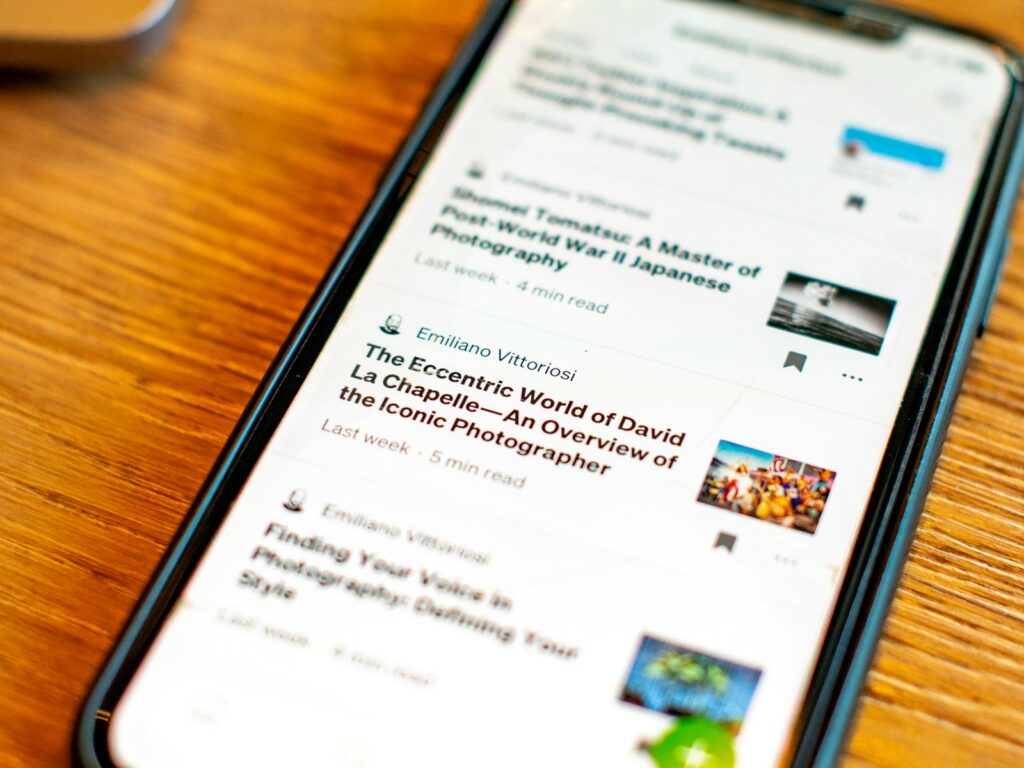
People trust proof more than promises.
Whenever possible, create examples of your work that others can see. Writers can publish articles, designers can display portfolios, developers can share projects, consultants can post case studies, and professionals in almost any field can highlight accomplishments.
Showing what you’ve done often carries more weight than simply listing skills.
6. Clean Up Your Social Media Accounts
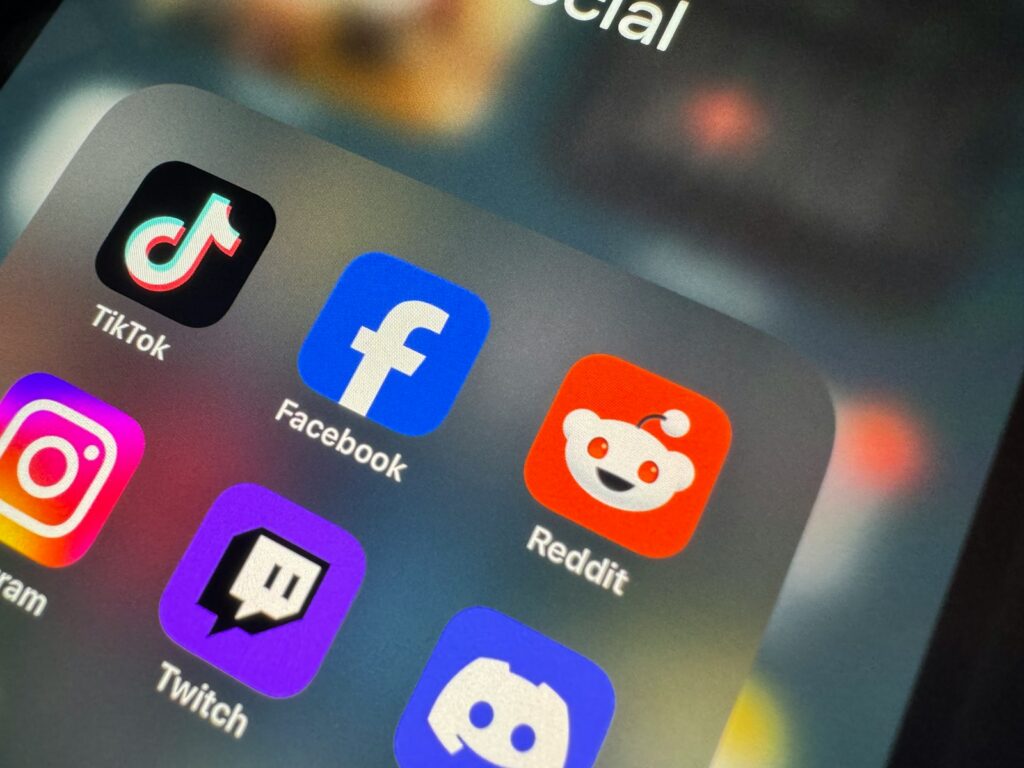
You don’t have to delete your personal life from the internet.
However, it’s worth reviewing public-facing profiles and removing content that could create the wrong impression. Adjust privacy settings where appropriate and ensure your public profiles align with how you want to be perceived professionally.
A quick social media audit can prevent future headaches.
5. Share Valuable Content

You don’t need to become an influencer to build credibility.
Sharing thoughtful articles, industry news, insights, lessons learned, or professional accomplishments demonstrates that you’re engaged and informed. Consistent posting helps establish expertise over time.
Focus on adding value rather than chasing attention.
4. Join Professional Communities

Some of the most valuable networking happens online.
Industry groups, professional associations, forums, Slack communities, Discord servers, and LinkedIn groups allow you to connect with others who share your interests and goals.
Participating in discussions helps build both visibility and credibility.
3. Build a Consistent Personal Brand

Your online profiles should tell a consistent story.
That doesn’t mean every platform needs identical content. It simply means your expertise, interests, values, and professional focus should be recognizable across channels.
Consistency makes you easier to remember and trust.
2. Demonstrate Continuous Learning

Employers and clients increasingly value people who stay current.
Highlight certifications, training programs, workshops, conferences, online courses, or new skills you’re developing. Showing a commitment to growth signals adaptability and curiosity—two highly valued professional traits.
Learning itself has become part of many people’s personal brand.
1. Focus on Relationships, Not Self-Promotion

The strongest online presence isn’t built by constantly talking about yourself.
It’s built by engaging with others, supporting colleagues, sharing useful insights, and participating in meaningful conversations. People are far more likely to remember someone who contributed value than someone who only promoted themselves.
Professional opportunities often come from relationships, and relationships are built through genuine interaction.
Building a professional online presence isn’t about creating a perfect image. It’s about making it easy for people to understand who you are, what you do, and the value you bring.
Start with a strong LinkedIn profile, create a simple online home for your work, share your expertise consistently, and focus on building authentic relationships. Over time, your digital presence can become one of your most valuable professional assets.
Read More:
- Why Gen Z Is Frustrating Employers (And Changing Work Forever)
- Is the Five-Day Work Week Becoming Obsolete?
- 20 Common Work Habits That Hold People Back