

In a world increasingly dominated by screens, texts, and video calls, many of us are experiencing something researchers call “touch deprivation” or “skin hunger.” While technology helps us stay connected, it can’t fully replace the physical connections humans have relied on for thousands of years.
A hug from a loved one, holding someone’s hand, cuddling a pet, or receiving a professional massage may seem like simple acts, but they trigger powerful biological responses that support both physical and emotional health. Scientists continue to uncover just how important safe, consensual touch is for reducing stress, strengthening relationships, and improving overall well-being.
Here are 10 reasons touch remains one of the most powerful healing tools we have.
10. Touch Releases Feel-Good Hormones

One of the first things that happens during positive physical contact is the release of oxytocin, often called the “bonding hormone.”
Oxytocin helps strengthen social connections, increase feelings of trust, and create a sense of emotional safety. It’s released during hugs, cuddling, hand-holding, and many other forms of affectionate touch.
This natural chemical is one reason physical affection often feels comforting and reassuring.
9. It Helps Reduce Stress

Touch has a remarkable ability to calm the body’s stress response.
Research shows that positive physical contact can lower levels of cortisol, the hormone associated with stress. As cortisol decreases, many people experience reduced tension, lower anxiety, and an improved sense of calm.
It’s one reason a supportive hug can feel so grounding during a difficult day.
8. Touch Can Lower Blood Pressure
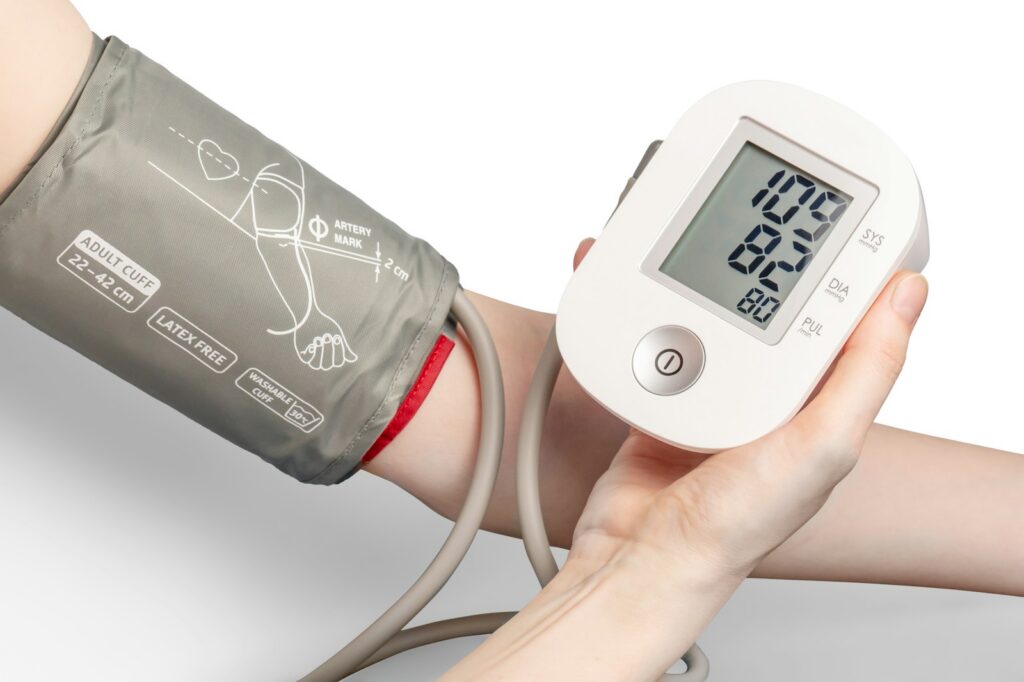
The cardiovascular benefits of touch are surprisingly impressive.
Studies have found that affectionate touch and close physical connection can contribute to lower blood pressure and reduced heart rate. Even brief moments of connection may help the body shift into a more relaxed state.
Your nervous system often responds to touch much faster than your conscious mind does.
7. It Supports Emotional Resilience

Life inevitably brings stress, disappointment, and uncertainty.
People who regularly experience healthy physical affection often report feeling more emotionally supported during challenging times. Physical connection can reinforce feelings of belonging, safety, and connection, all of which contribute to resilience.
Sometimes the simple reminder that you’re not alone can make a significant difference.
6. Massage Can Help Manage Pain

Massage therapy has become widely recognized as a valuable complementary treatment for certain types of pain.
By increasing circulation, reducing muscle tension, and stimulating the release of endorphins, massage may help ease discomfort associated with chronic pain, injuries, headaches, and muscle soreness.
For many people, massage offers both physical relief and emotional relaxation.
5. Touch Helps Regulate the Nervous System

Positive touch helps activate the parasympathetic nervous system, often called the body’s “rest and digest” mode.
This system counterbalances the fight-or-flight response associated with stress and anxiety. As the nervous system settles, breathing often slows, muscles relax, and the body shifts toward recovery and restoration.
Many people notice this effect almost immediately during a massage or comforting embrace.
4. It Strengthens Relationships

Physical affection plays an important role in maintaining healthy relationships.
Hugs, hand-holding, cuddling, and other forms of appropriate touch help reinforce emotional bonds between partners, family members, and close friends. These small moments of connection can increase trust and improve relationship satisfaction over time.
Strong relationships are built through both words and physical presence.
3. Even Pets Provide Many of the Same Benefits

Human touch isn’t the only kind that matters.
Petting a dog, stroking a cat, or simply spending time with an affectionate animal can trigger many of the same calming biological responses. Research has shown that interacting with pets may lower stress levels and promote feelings of comfort and companionship.
It’s no wonder so many people instinctively reach for their pets after a difficult day.
2. Self-Touch Can Be Surprisingly Effective

While human connection is important, self-soothing touch also has benefits.
Massaging your shoulders, rubbing your temples, placing a hand over your heart, or practicing gentle self-massage can help calm the nervous system and reduce stress. Many mindfulness and somatic practices intentionally incorporate self-touch as a grounding tool.
Sometimes comfort can begin with caring for yourself.
1. Touch Reminds Us That We Belong

At its core, touch is about connection.
Humans are social creatures, and physical affection helps reinforce one of our most fundamental needs: the need to feel seen, supported, and connected to others. In an increasingly digital world, these moments of physical presence have become more valuable than ever.
Whether it’s a hug from a loved one, a hand on your shoulder, or a comforting embrace during a difficult moment, touch reminds us that we’re part of something larger than ourselves.
The healing power of touch isn’t just a comforting idea—it’s supported by science. From lowering stress and supporting emotional health to strengthening relationships and calming the nervous system, safe and consensual physical connection plays a vital role in overall well-being.
In a culture where so much interaction happens through screens, making room for genuine human connection may be one of the simplest and most effective ways to support both mind and body.
Read More:
- 20 Beginner-Friendly Meditation Tips That Actually Work
- 15 Health Myths Medical Experts Wish Would Finally Go Away
- 10 Sneaky Signs Stress Is Taking a Bigger Toll Than You Realize