
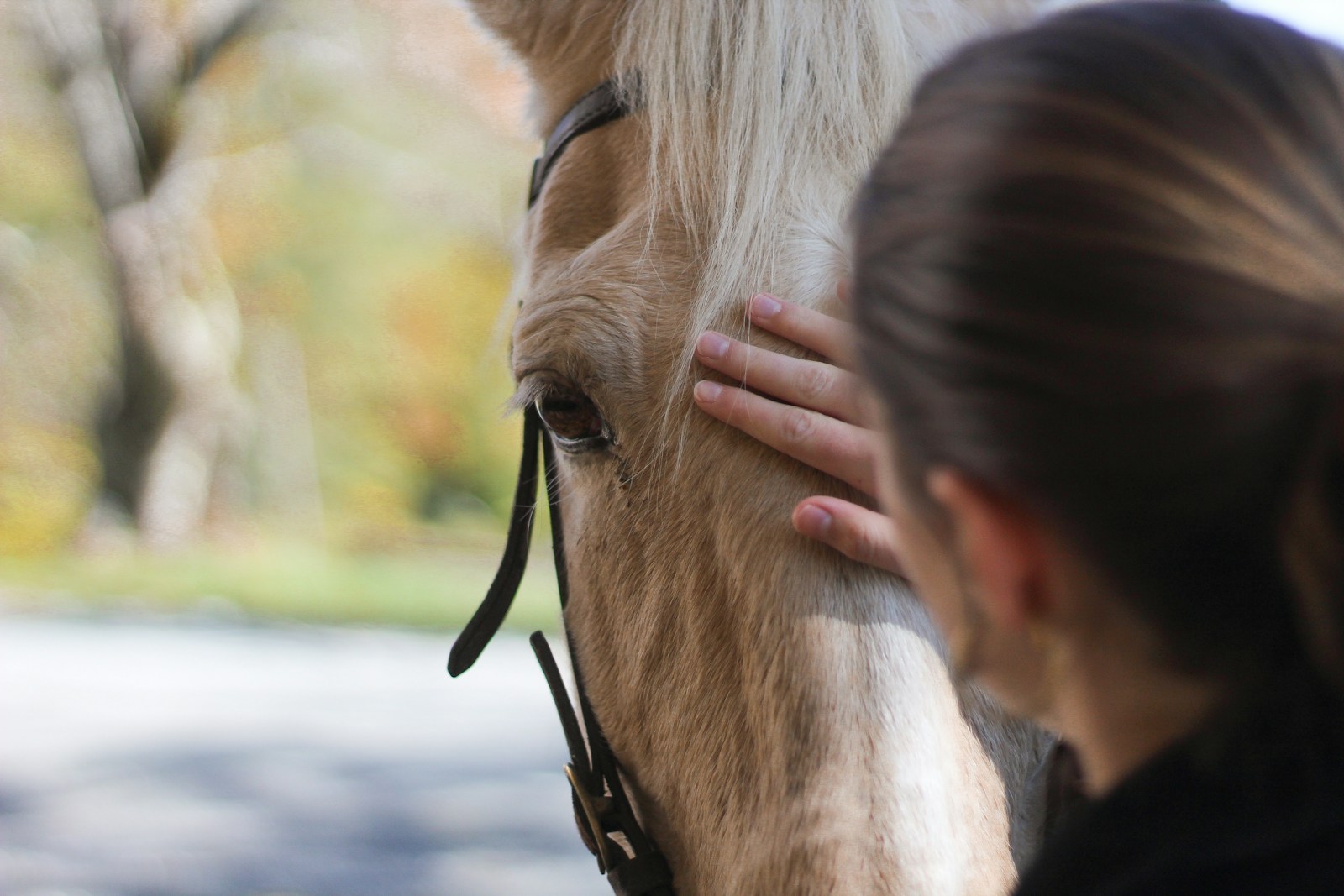
Horses have long captivated humans with their grace and strength, but their cognitive and emotional depths are just as remarkable. These sentient beings possess qualities that many are unaware of, revealing a world of intelligence and sensitivity that extends beyond their physical capabilities.
Through the lens of scientific exploration, we can gain a deeper understanding of these majestic animals, appreciating them not just for their service but for who they truly are. Here are 10 beautiful facts about the minds and hearts of horses that highlight their fascinating nature.
10. Exceptional Long-term Memories

Horses possess long-term memories that are incredibly robust, even surpassing human capabilities in some instances.
This remarkable memory allows them to remember people, places, and experiences over extended periods, aiding in their survival and enhancing their ability to form strong bonds with humans and other horses.
9. Complex Social Structures

Horses live in intricate social societies that are essential to their well-being and development.
These societies involve complex hierarchies and relationships, where horses communicate and cooperate, showcasing their ability to navigate social dynamics with finesse.
8. Not Truly Wild

Despite living in the wilderness, horses are not genuinely wild animals.
Over centuries, domestication has shaped their behaviors and interactions, allowing them to adapt and thrive alongside humans while retaining their natural instincts.
7. Acute Sense of Smell

Horses have a keen sense of smell, comparable to that of dogs, which plays a crucial role in their ability to assess their environment.
This olfactory sensitivity aids in identifying threats, finding food, and recognizing individuals, contributing significantly to their survival and social interactions.
6. Unique Vision Challenges
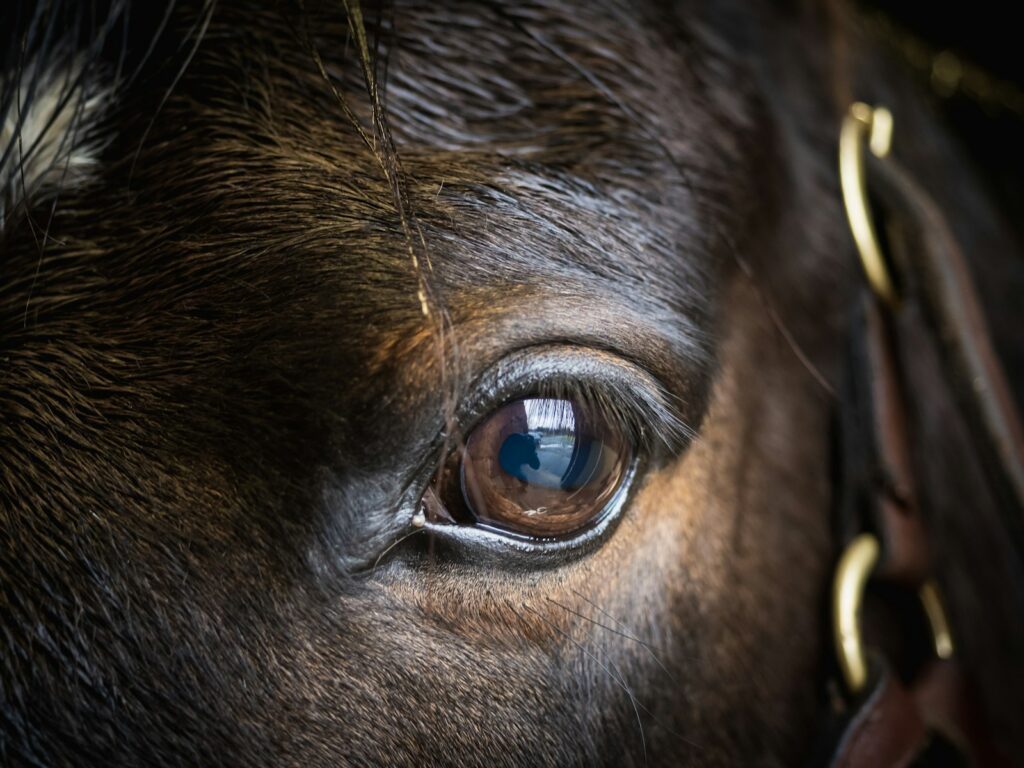
Horses experience the world through a visual lens that includes many blind spots and areas of blurry vision.
Understanding these visual limitations is crucial for trainers and handlers to ensure effective communication and safety when working with horses.
5. Sensitivity to Touch
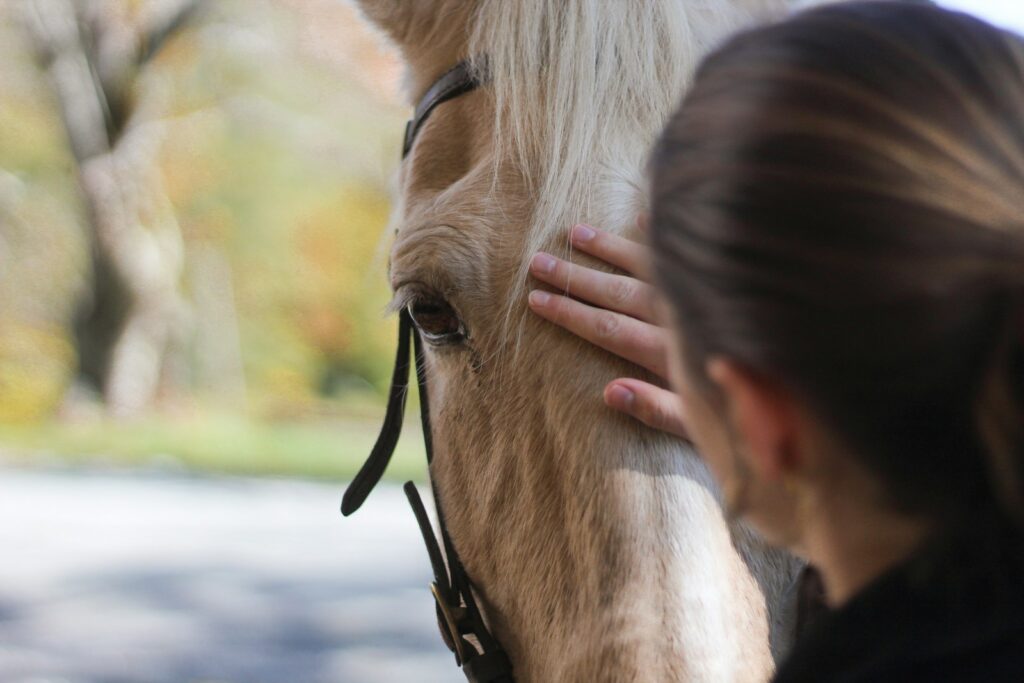
The tactile sensitivity of horses surpasses that of humans, making them highly responsive to weight and pressure.
This sensitivity is a vital aspect of their communication, allowing them to respond to subtle cues and signals from their environment and human counterparts.
4. Prey Animal Instincts

As prey animals, horses have evolved to be highly alert and responsive to potential threats.
This instinctual behavior has been harnessed through domestication, allowing them to perform incredible feats of athleticism in collaboration with humans.
3. Brain-to-Brain Communication

Horses and humans can achieve a unique form of brain-to-brain communication, described as a neurobiological miracle.
This exceptional connection allows for seamless interaction and understanding through subtle body signals, enhancing the bond and performance of horse-human teams.
2. Rich Emotional Expression

Horses are capable of producing and interpreting a vast array of facial expressions, more than most other animals.
These expressions help them communicate emotions and intentions to both humans and other horses, playing a crucial role in their social interactions and emotional understanding.
1. Empathy and Emotional Resonance

Horses exhibit a profound ability to empathize with humans, often mirroring our emotions.
This emotional resonance allows them to connect deeply with us, avoiding negativity while gravitating towards positive interactions, ultimately enriching the human-equine relationship.
Read More:
- These Common Household Items Are Toxic to Pets
- 10 Daily Habits That Build Emotional Resilience
- 10 Signs Your Dog Might Be Unhappy (And What to Watch For)