
Business failures don’t always happen because of bad luck or tough markets. Sometimes companies collapse because of decisions so baffling that they become cautionary tales in business schools.
From ignoring obvious trends to angering loyal customers, these companies made moves that cost them millions—or even their entire business. Here are 20 times companies made decisions that turned into spectacular financial blunders.
20. Red Lobster — The Unlimited Crab Legs Disaster
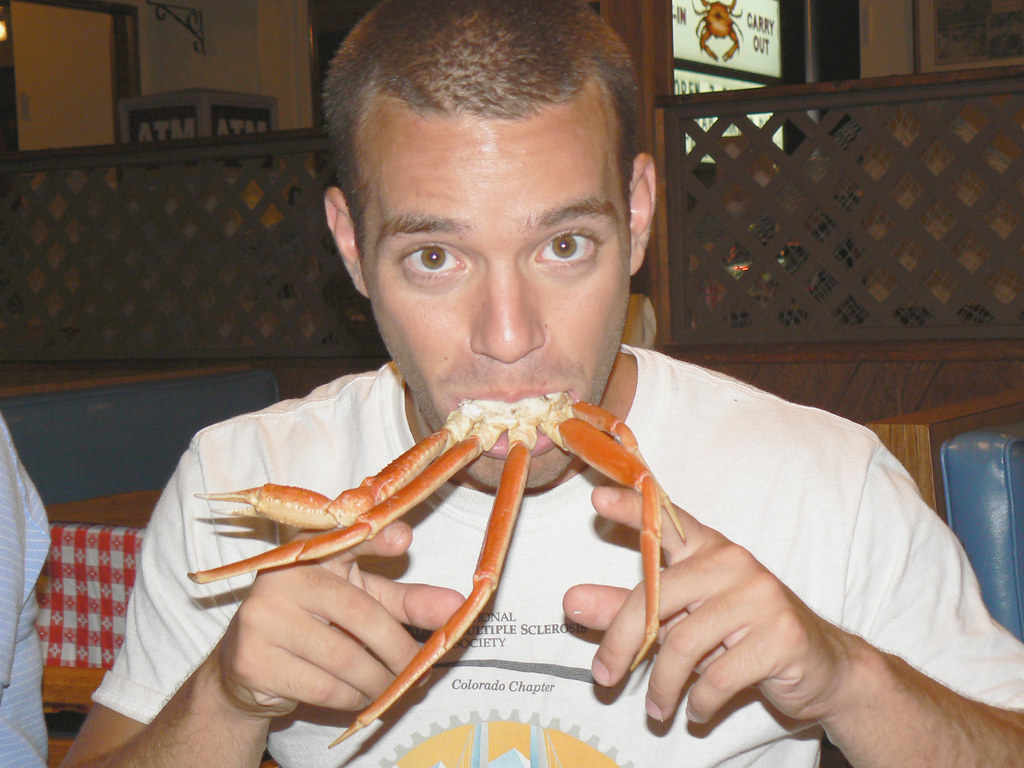
In the early 2000s, Red Lobster introduced an all-you-can-eat snow crab legs promotion priced around $22.99 per person. The company assumed most diners would eat one or two servings and call it a night.
Instead, many customers happily camped out for hours and ate plate after plate. The promotion quickly became a financial nightmare, costing the company millions and contributing to a massive drop in its stock value.
19. Netflix — Splitting Its Subscription Plans
In 2011, Netflix tried to separate its DVD-by-mail service from its streaming platform. Customers who wanted both suddenly had to pay for two separate subscriptions, which meant about a 60% price increase for many users.
The backlash was immediate. Nearly 800,000 subscribers canceled, and Netflix’s stock price took a major hit. The company eventually recovered—but the rollout is still remembered as a major PR mistake.
18. Quiznos — Squeezing Its Own Franchisees
At its peak in 2007, Quiznos generated nearly $2 billion in sales. But the company created a system where franchise owners were forced to purchase ingredients from corporate-approved suppliers at inflated prices.
Franchisees struggled to stay profitable, stores began closing, and the brand collapsed. Today Quiznos operates only a small fraction of the locations it once had.
17. Photobucket — Charging $399 to Host Images
In 2017, image-hosting site Photobucket suddenly changed its terms of service. Users who wanted to continue embedding their images on other websites were required to pay $399 per year.
Millions of images across the internet instantly disappeared, replaced by Photobucket warnings. The backlash was enormous, and many users permanently abandoned the platform.
16. JCPenney — Eliminating Sales
Retailers rely heavily on discounts and promotions to attract shoppers. JCPenney decided to try something different in 2012 by eliminating sales entirely and replacing them with everyday lower prices.
The idea was meant to simplify shopping, but customers missed the thrill of “getting a deal.” Sales plummeted and the company lost hundreds of millions of dollars.
15. Yahoo — Missing the Biggest Opportunities in Tech
Yahoo made several legendary business mistakes.
- It reportedly declined to buy Google for around $1 million in the late 1990s.
- It failed to acquire Facebook when it had the chance.
- It also turned down a $44 billion buyout offer from Microsoft.
Years later, Yahoo itself was sold to Verizon for about $4.8 billion.
14. Sears — Ignoring the Future of Retail
For decades, Sears dominated American retail through its famous mail-order catalog. At one point, the company accounted for about 1% of the entire U.S. economy.
But Sears struggled to adapt to the rise of modern retail and online shopping. As competitors surged ahead, Sears steadily declined before eventually filing for bankruptcy in 2018.
13. Kodak — Inventing Digital Photography… Then Ignoring It
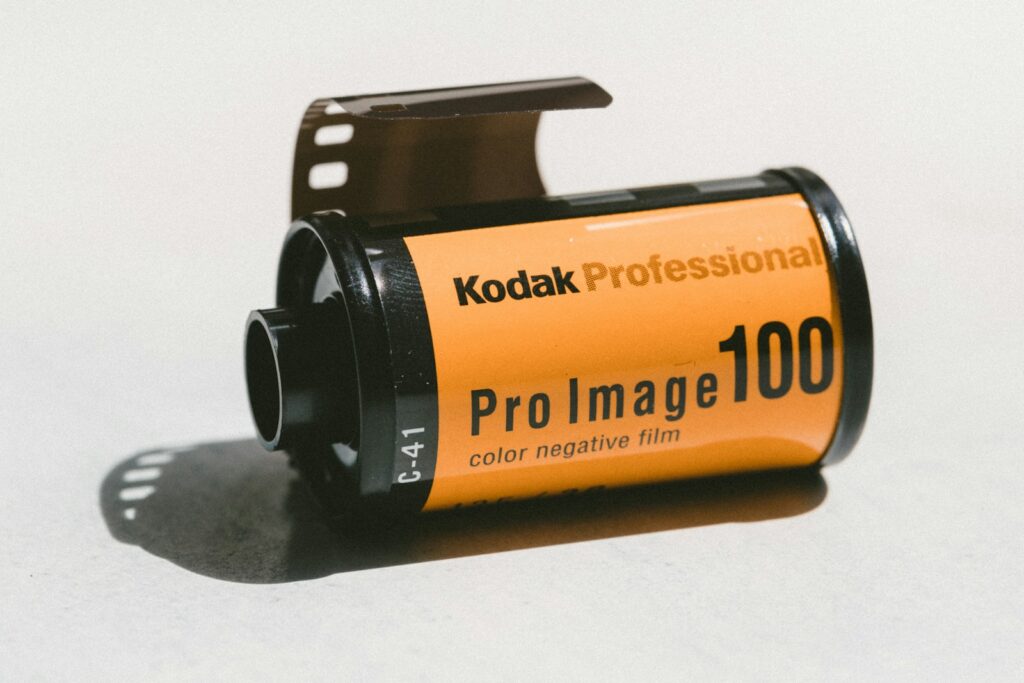
Kodak actually invented one of the first digital cameras in 1975. But the company feared digital photography would hurt its lucrative film business.
While Kodak hesitated, competitors embraced digital technology and captured the market. The once-dominant photography giant filed for bankruptcy in 2012.
12. A&W — The One-Third Pound Burger Confusion
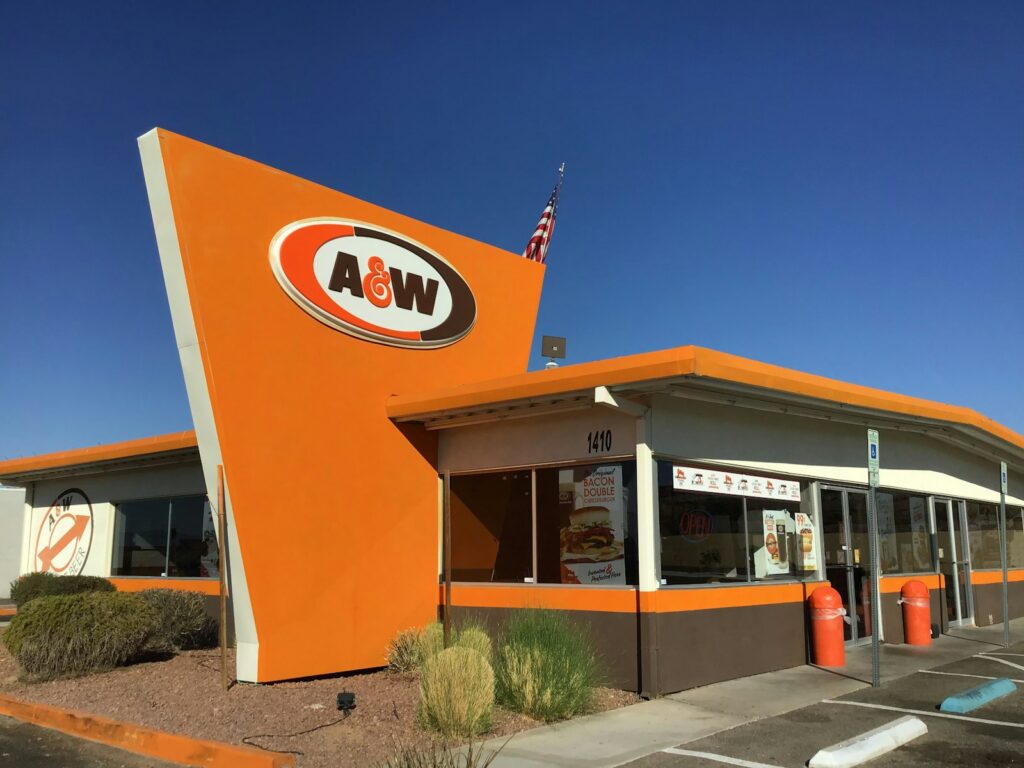
A&W introduced a one-third-pound burger meant to compete with McDonald’s Quarter Pounder. The burger offered more meat for the same price.
But customer surveys revealed something surprising: many people believed 1/3 was smaller than 1/4. The burger failed simply because customers misunderstood the math.
11. Lotus F1 — A Very Expensive Contract Clause

In 2012, the Lotus Formula One team signed driver Kimi Räikkönen with a contract that paid him €50,000 for every championship point he earned.
Räikkönen performed extremely well, scoring 390 points over two seasons. The bonus payout totaled nearly €20 million, which strained the team’s finances.
10. Circuit City — Firing Its Most Experienced Staff
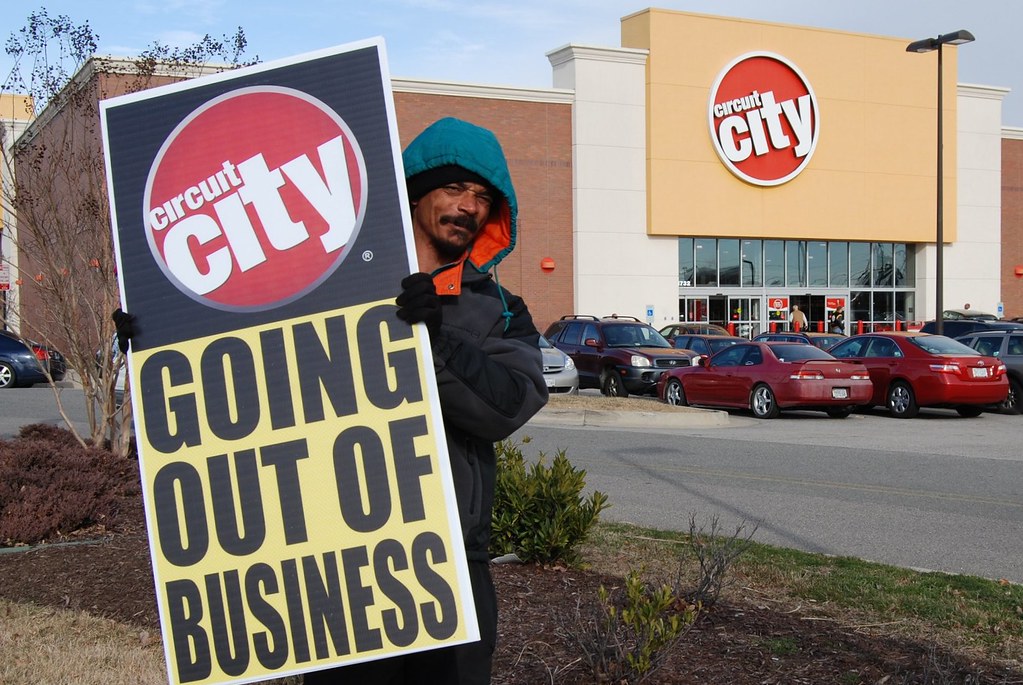
In 2007, Circuit City made a controversial decision: it laid off thousands of experienced employees and replaced them with lower-paid workers.
Customers quickly noticed the difference in service and expertise. Sales fell sharply, and the once-dominant electronics retailer filed for bankruptcy in 2009.
9. Borders — Walking Away from Amazon

Borders once partnered with Amazon to handle its online book sales. Amazon managed the website while Borders focused on its retail stores.
In 2007, Borders ended the partnership and tried to run its own online store—just as online book sales were exploding. The company struggled to compete and closed its doors in 2011.
8. Quibi — Spending Billions on an App No One Wanted
Quibi launched in 2020 with a unique concept: short 10-minute shows designed for smartphones.
Despite raising nearly $1 billion in funding and producing expensive original content, the platform failed to attract enough users. Just six months after launch, Quibi shut down.
7. Ayds Candy — Refusing to Change Its Name
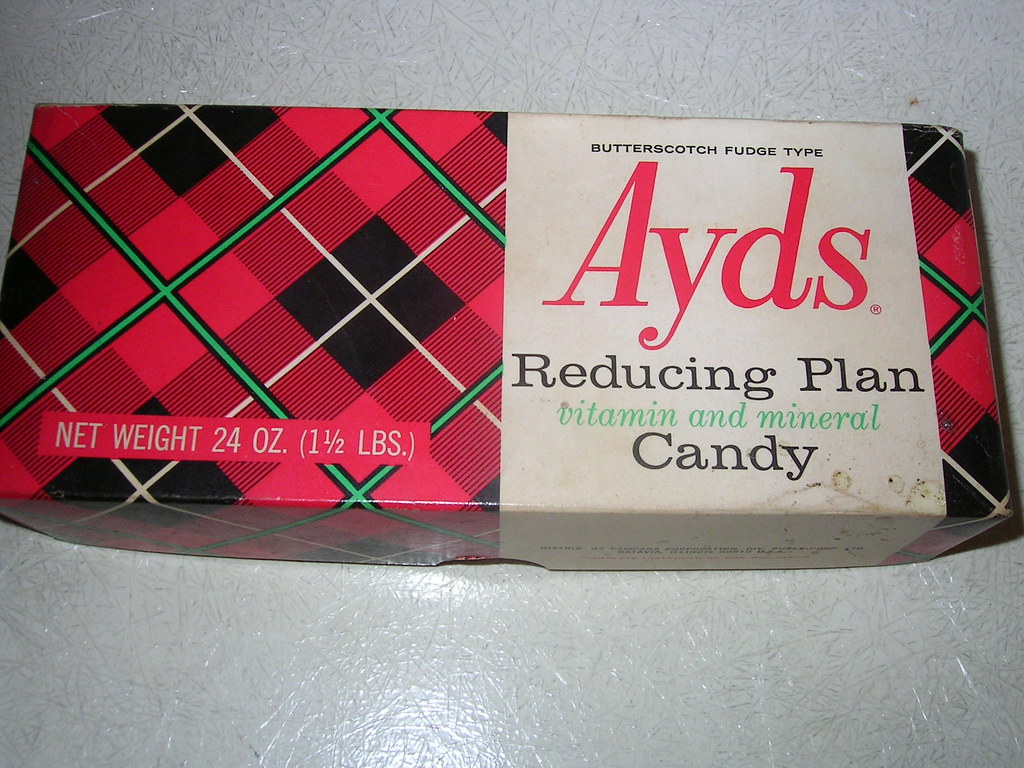
Ayds was a popular appetite suppressant candy in the 1970s and early 1980s.
Unfortunately, the brand name became awkward once the AIDS epidemic entered public awareness. The company initially refused to change the name, insisting the disease should change instead. Sales collapsed.
6. Yik Yak — Removing Its Key Feature

Yik Yak launched in 2013 as an anonymous social media app where users could post messages visible to people nearby.
When the company later introduced usernames and removed anonymity, many users lost interest. The app quickly declined and shut down in 2016.
5. Vine — Letting Competitors Catch Up

Vine pioneered short looping videos and quickly became popular after its 2013 launch.
But the platform struggled to support creators and adapt to competition from Instagram and Snapchat. By 2016, Twitter shut Vine down entirely.
4. Schlitz — Changing a Winning Recipe
Schlitz was once one of the most popular beers in America. But in the 1970s the company altered its brewing process to cut costs.
The new formula produced a beer that tasted worse and spoiled faster. Loyal customers abandoned the brand, and Schlitz never fully recovered.
3. Digg — Ignoring Its Own Community
Digg was once one of the internet’s biggest social news sites—larger than Reddit at one point.
After a major redesign in 2010 removed key features and frustrated users, the community revolted. Many users migrated to Reddit, and Digg’s popularity collapsed almost overnight.
2. BlackBerry — Refusing to Embrace Touchscreens
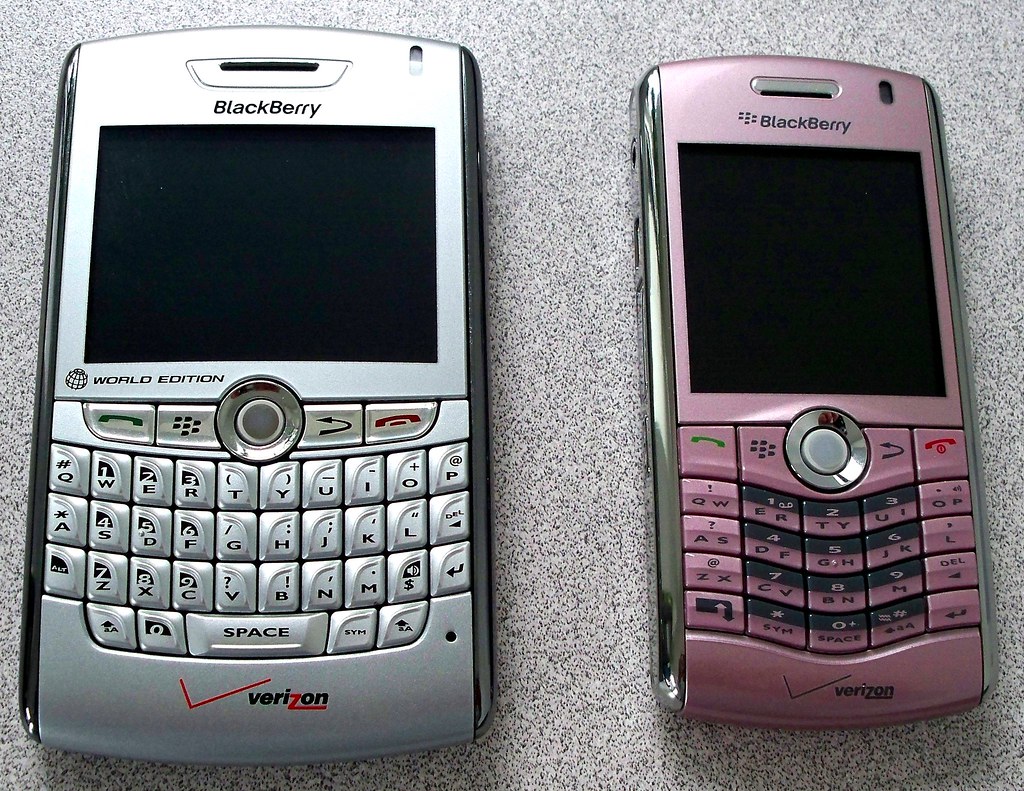
BlackBerry once dominated the smartphone market with its physical keyboard devices.
But when Apple and Android introduced touchscreen smartphones, BlackBerry hesitated. The company clung to its keyboard design while competitors raced ahead, and its market share eventually disappeared.
1. Schwinn — Dismissing Mountain Bikes

For much of the 20th century, Schwinn was the biggest bicycle brand in America.
When mountain bikes started gaining popularity in the 1970s, the company dismissed them as a passing trend. By the time Schwinn finally entered the market, competitors had already taken over. The company filed for bankruptcy in 1992.